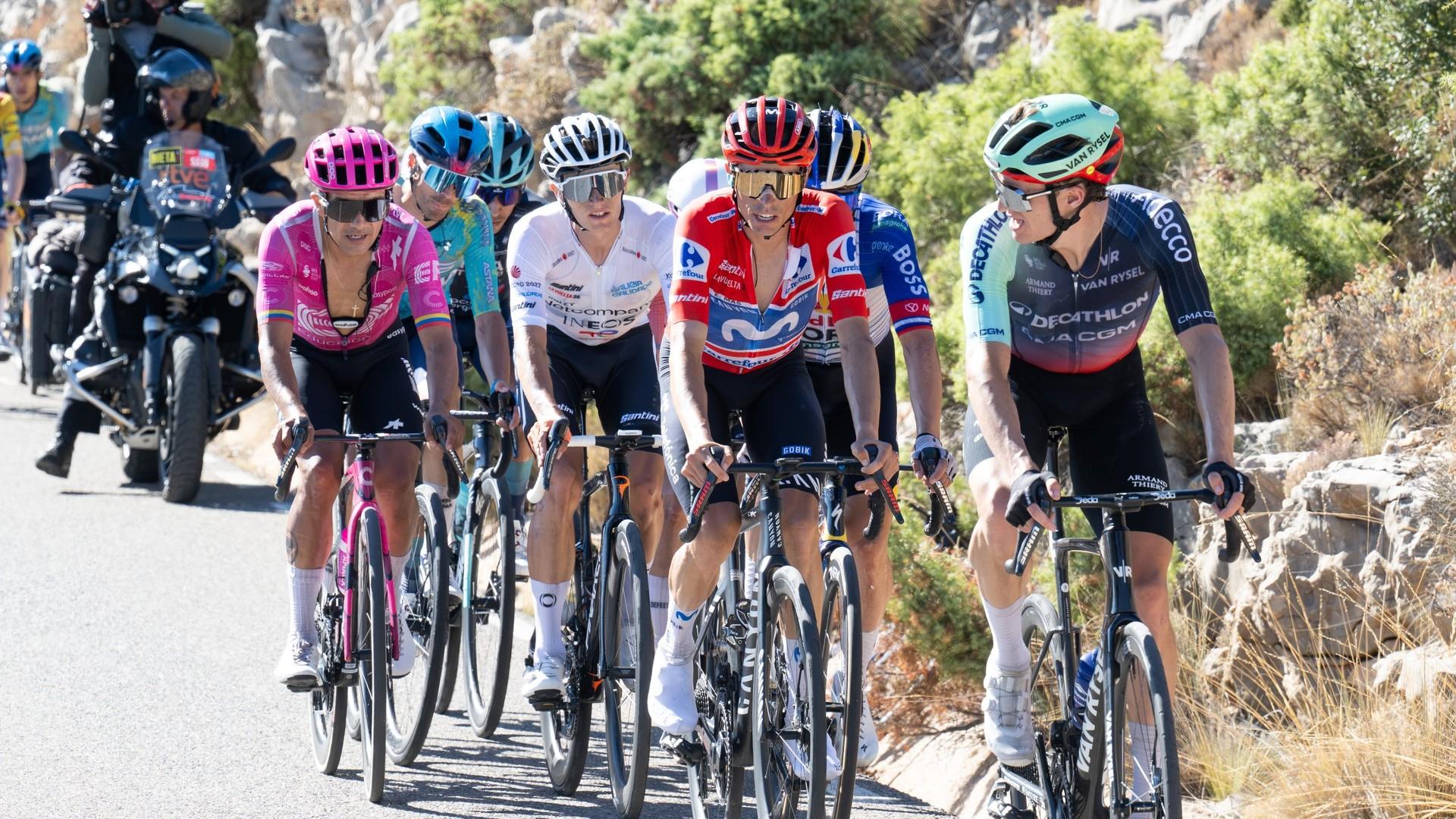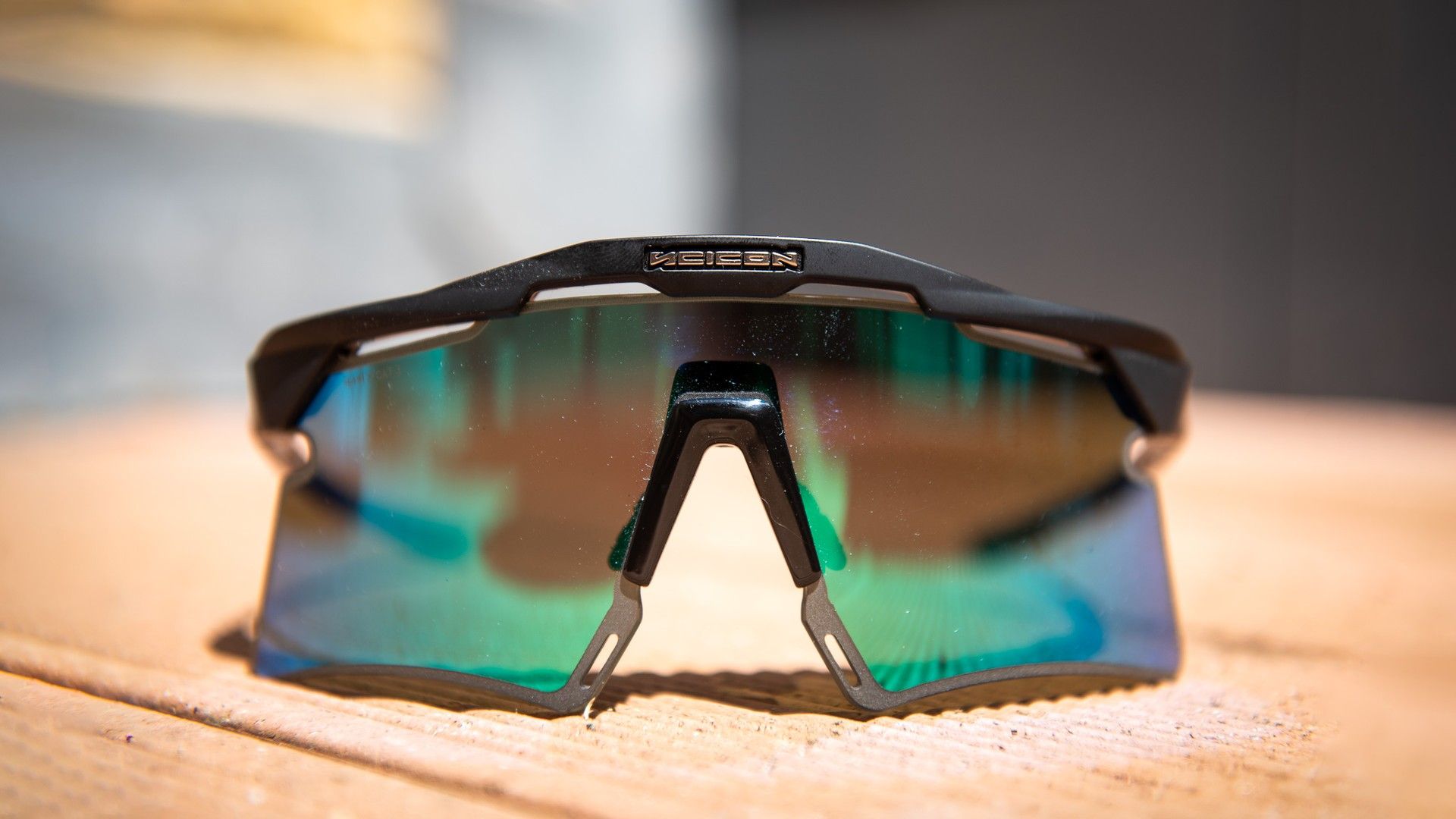
When it comes to cycling fashion, sunglasses are where most of us are willing to indulge themselves. A landscape cast in just the right hue can be uplifting, while a light pair of shades can combine comfort, aerodynamic gains and simply looking good. SciCon has been battling the dominance of Oakley for a few years in this field, and the Aeroshade is a good shot of the very top spot.
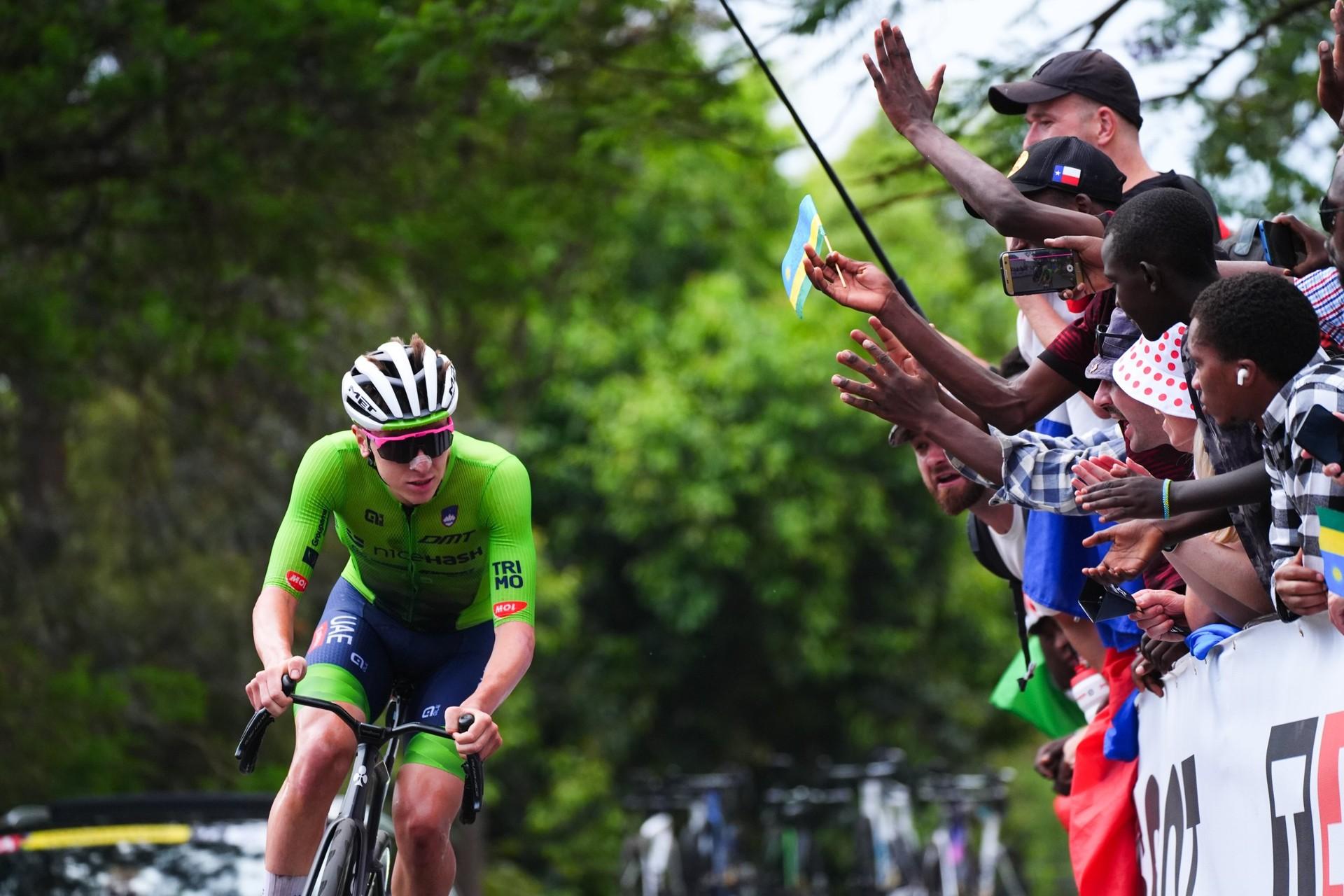
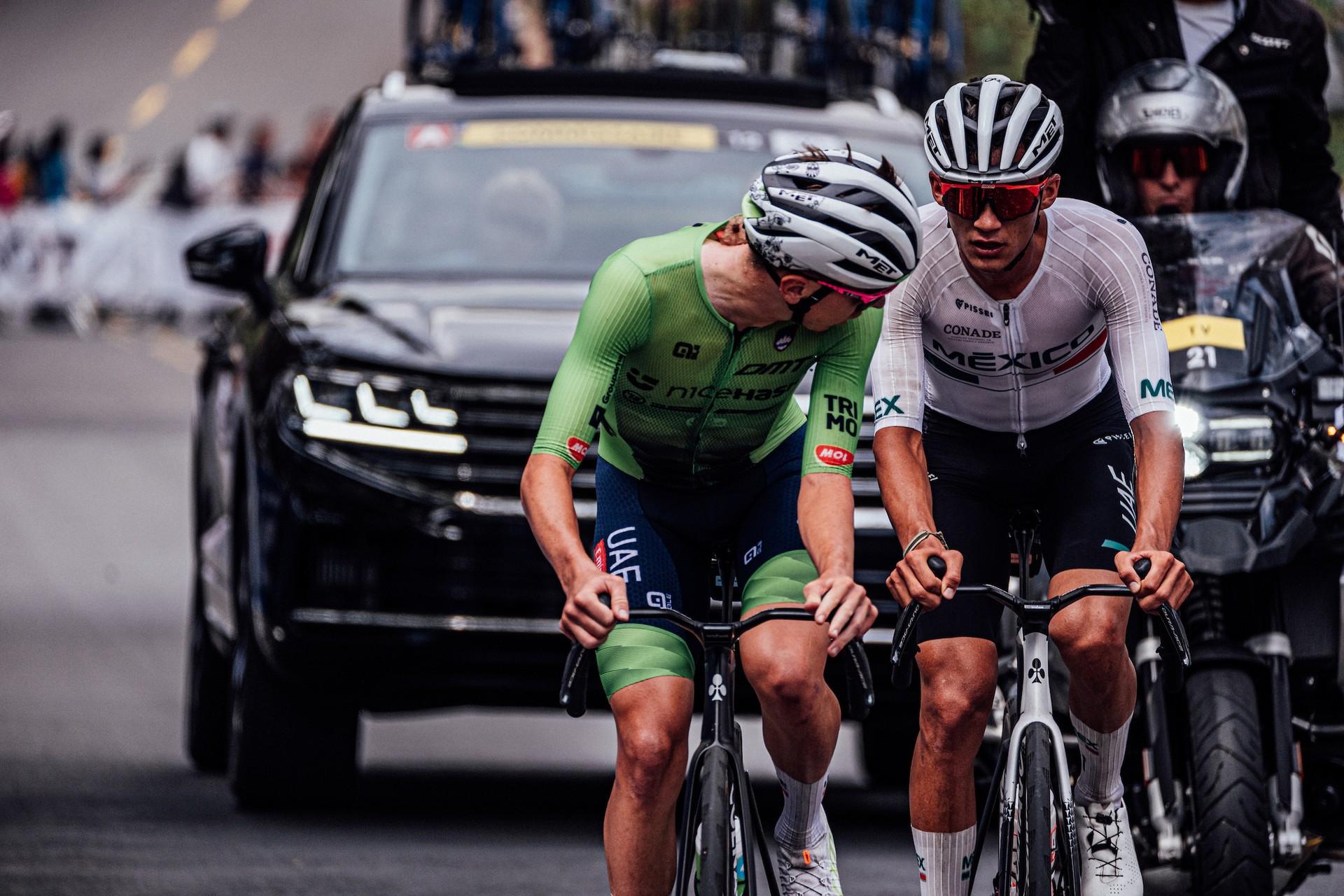
SciCon launched the Aeroshade 2.0 Titanium on March 7, 2026, positioning them as the successor to the shield-style glasses worn by Tadej Pogačar (UAE Team Emirates). Available from €220 for mirrored lenses, rising to €250 for photochromic and €300 for the RX-compatible version, these sit in the premium tier of the performance cycling eyewear market.
I've ridden the Aeroshade 2.0 Titanium across the turbulent weather of spring, and the strongest impression I've come away with is comfort. At 40g, the glasses feel close to weightless, and the combination of mouldable titanium temples, adjustable nosepiece and a secure helmet-to-frame fit makes them easy to forget over long hours.
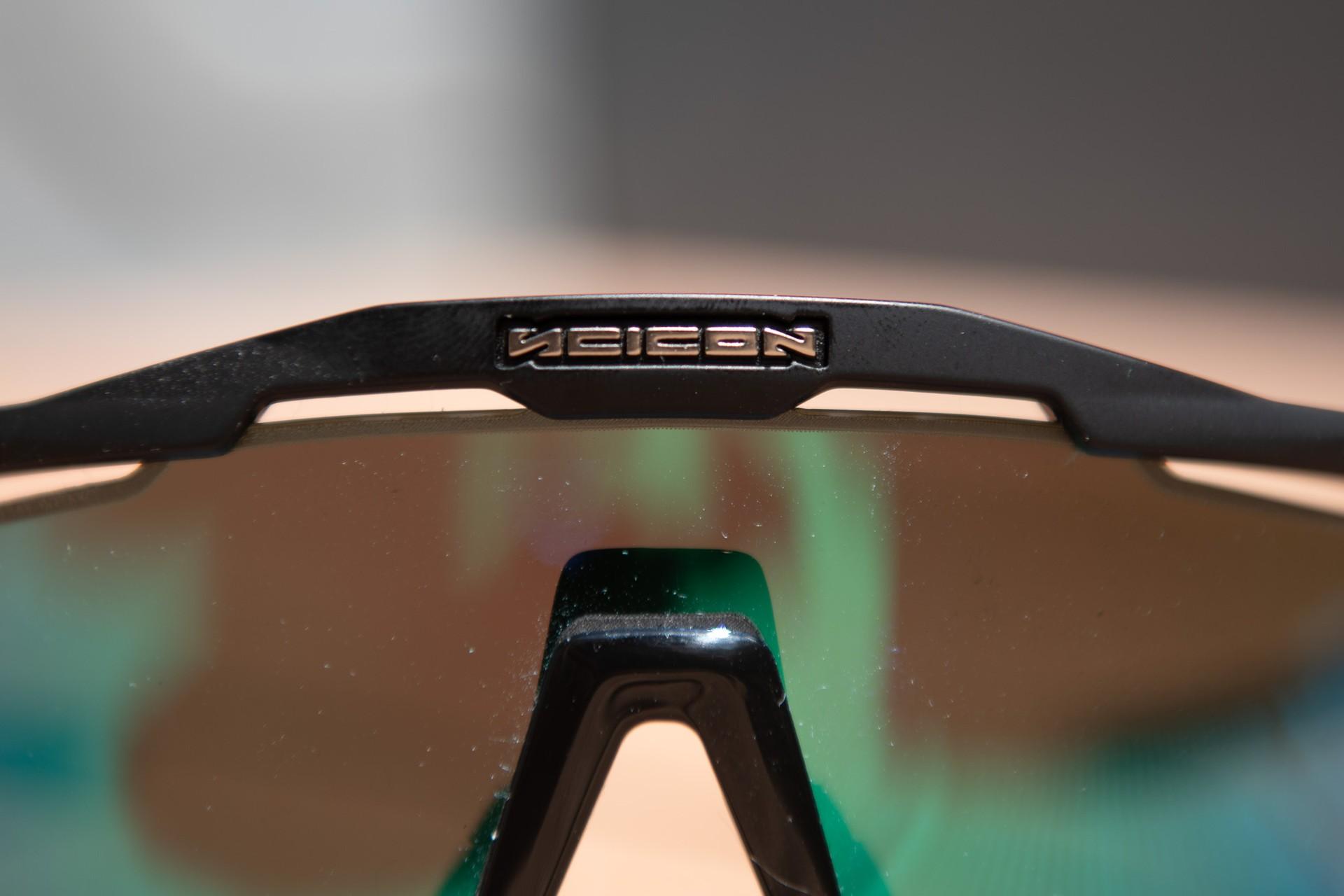
The lens quality is excellent, the build feels premium, and the adjustability is exceptional. The main caveat is price, and the main surprise is that lighter alternatives exist for less money.
SciCon Aeroshade 2.0 Titanium
Key specifications
Detail | Value |
|---|---|
| Frame material | Titanium temples / Grilamid TR90 front |
| Included | Hard case, microfiber pouch, spare lens (where applicable) |
| Lens type | Hi-Contrast cylindrical, Base 6 |
| Lens width | 138mm |
| Nosepad | FlexiFit 2.0, height-adjustable (Horizon Adapt) |
| Price | From €220 (mirrored) / €250 (photochromic) / €300 (RX) |
| RX compatible | Yes (AC028 optical insert, sold separately at €70) |
| Weight | 40g |
Build, fit and lenses
SciCon describes the temples as "medical-grade titanium," though I struggled to understand precisely what that meant, aside that it possibly meant it was similar to what was used in medical instruments. In practice, the frames have adjustment points at the temples which can match any head shape, while resisting the kind of gradual loosening that plagues lighter polymer arms. The "haptic" hinges provide a distinct, positive click when opening or closing, a small detail that reinforces the premium feel every time you pick them up.
The FlexiFit 2.0 nosepad, built around a metal core wrapped in soft thermopolymer, can be shaped easily by hand, while having a nice balance in rigidity which means it holds its form on the nose bridge. The Horizon Adapt system lets riders shift the nosepad height up or down to fine-tune their field of vision relative to their riding position. SciCon claims this can increase field of view by up to 10%. In testing, the system worked: once dialled in, the glasses sit securely and comfortably, with no bouncing on rough roads and no pressure points building over multi-hour rides.
The nosepiece is quite rigid, so can be a little uncomfortable on first use. After customising for my nose shape, though, the glasses felt like they weren't there.
The Hi-Contrast cylindrical lenses are available in eight tint options, spanning Category 0 (clear, 88% visible light transmission) through to Category 3 (multimirror silver at 12% VLT, the percentage of light that passes through the lens).
In use, the lenses are very clear with strong contrast. My lenses weren't the photochromic option, and I've never seen the benefit of these as typically the most substantial light changes (tunnels and trees) are too brief for photochromic lenses to react.
All lenses carry SciCon's Nanotech hydrophobic and oleophobic coating, and the shield design includes micro-ventilation ports along the brow that help control fogging during hard efforts. Lenses are interchangeable without tools, and the spare pink low-light lens included with most models extends the range of usable conditions.
For riders who need prescription correction, SciCon's AC028 optical insert clips into the frame behind the shield lens and supports prescriptions from +4.00 to −8.00 total power. At €70 for the insert (lenses fitted separately by an optician), this adds to the total cost but makes the Aeroshade a very good option for prescription users where normally it's difficult to find a set of stylish prescription cycling shades – I ended opting for laser surgery partly because of this dilemma.
Weight, price and rivals
Forty grams is light by any reasonable standard, and it translates directly into comfort. But the number sits in context. The original Aeroshade weighed 36g, and these are billed as 40g, so slightly heavier. On my coffee scales they flickered between 41 and 42g, but that's within the margin of error for my basic barista setup.
Premium rivals are lighter – the Oakley Kato weighs 34g, and the 100% S3 comes in at 35g. Neither offers the same degree of temple and nosepad adjustability, and neither uses titanium, but for riders who prioritise minimal weight above all else, the Aeroshade 2.0 does not lead the field.
At €220 to €300 depending on configuration, the Aeroshade 2.0 Titanium costs more than most premium shields. That buys a superior hardware feel, a wider adjustment range, RX compatibility and a spare lens in the box. For riders already shopping at this level, and especially those who have struggled with fit on other glasses, the package is strong – and all the better if you're a Pogi megafan. For riders weighing absolute performance per euro, the gap between the Aeroshade 2.0 and a well-fitting rival at €150–180 is harder to justify on optics alone.
These are glasses built for riders who care about fit, finish and long-ride comfort more than chasing the lightest number on the scale. For my part, the titanium simply feels more premium than plastic alternatives, while delivering an acute sense of toughness alongside custom adjustability.
For me, these will continue to be my go-to riding glasses for the forseeable future.