The Van Rysel EDR CF Ultra is the flagship of Van Rysel’s Endurance range, which has become increasingly aspirational through its presence in the WorldTour with the Decathlon CMA CGM team, and I’ve spent the past month testing it. So how has it performed on the road? In a nutshell, it’s done well, but the real picture of where this bike performs against the market is a bit more complicated than that.
The bike rides well, but its distinctive hardware steers it toward a specific kind of rider, while the cheaper sibling in the range delivers most of the same core experience for far less money. So who exactly is it for?
Van Rysel positions the EDR CF Ultra as the top of its endurance lineup. The claimed frame weight is 830g in size medium. Tyre clearance runs to 38mm. The frame takes mudguards but has no pannier mounts and no in-frame storage. It uses a semi-integrated front end that allows straightforward fit adjustments without the maintenance headaches of a fully hidden cockpit. It's finished in a rather clean looking smoked clear coat which, in the sunshine, beautifully shows off the carbon that lies below.
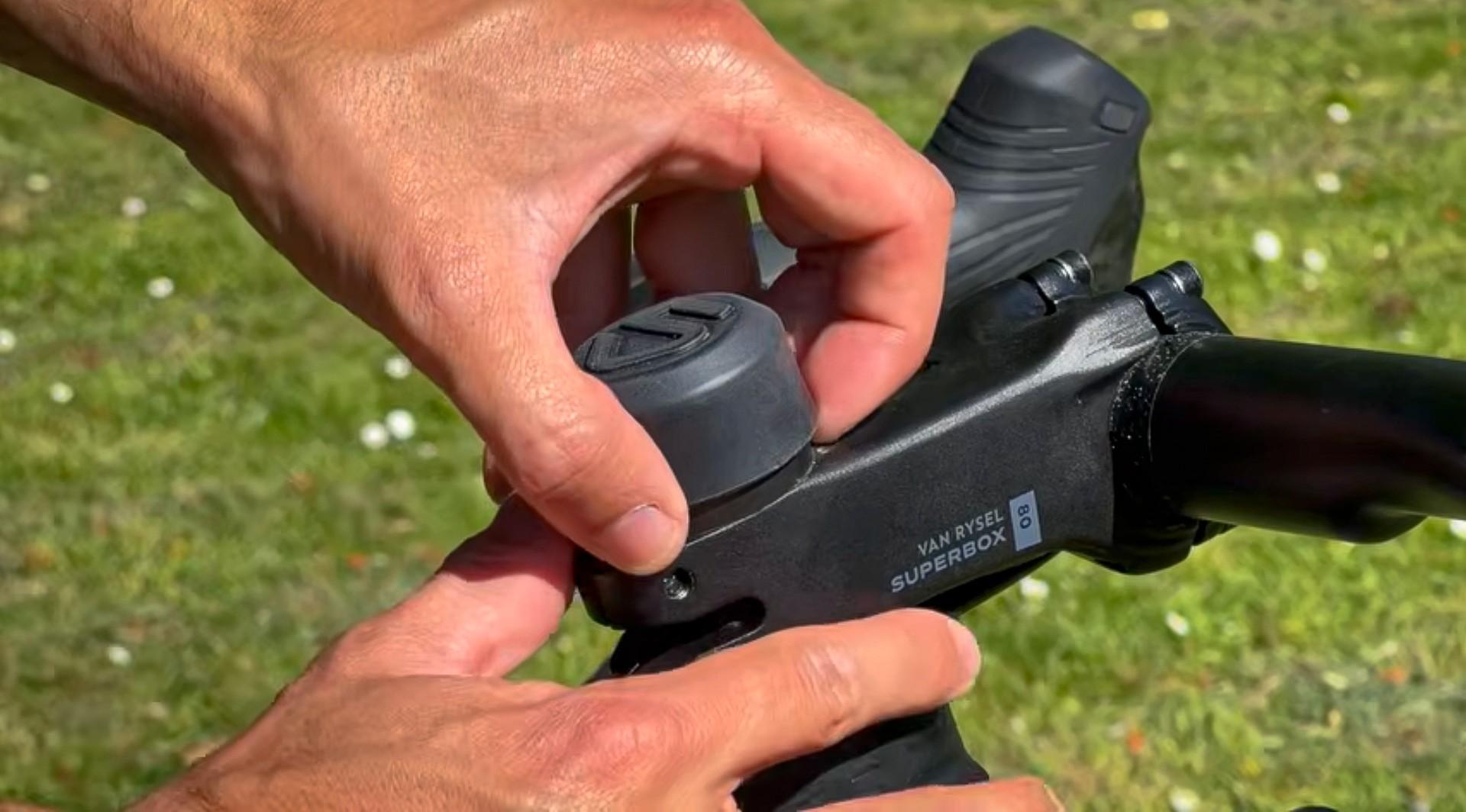
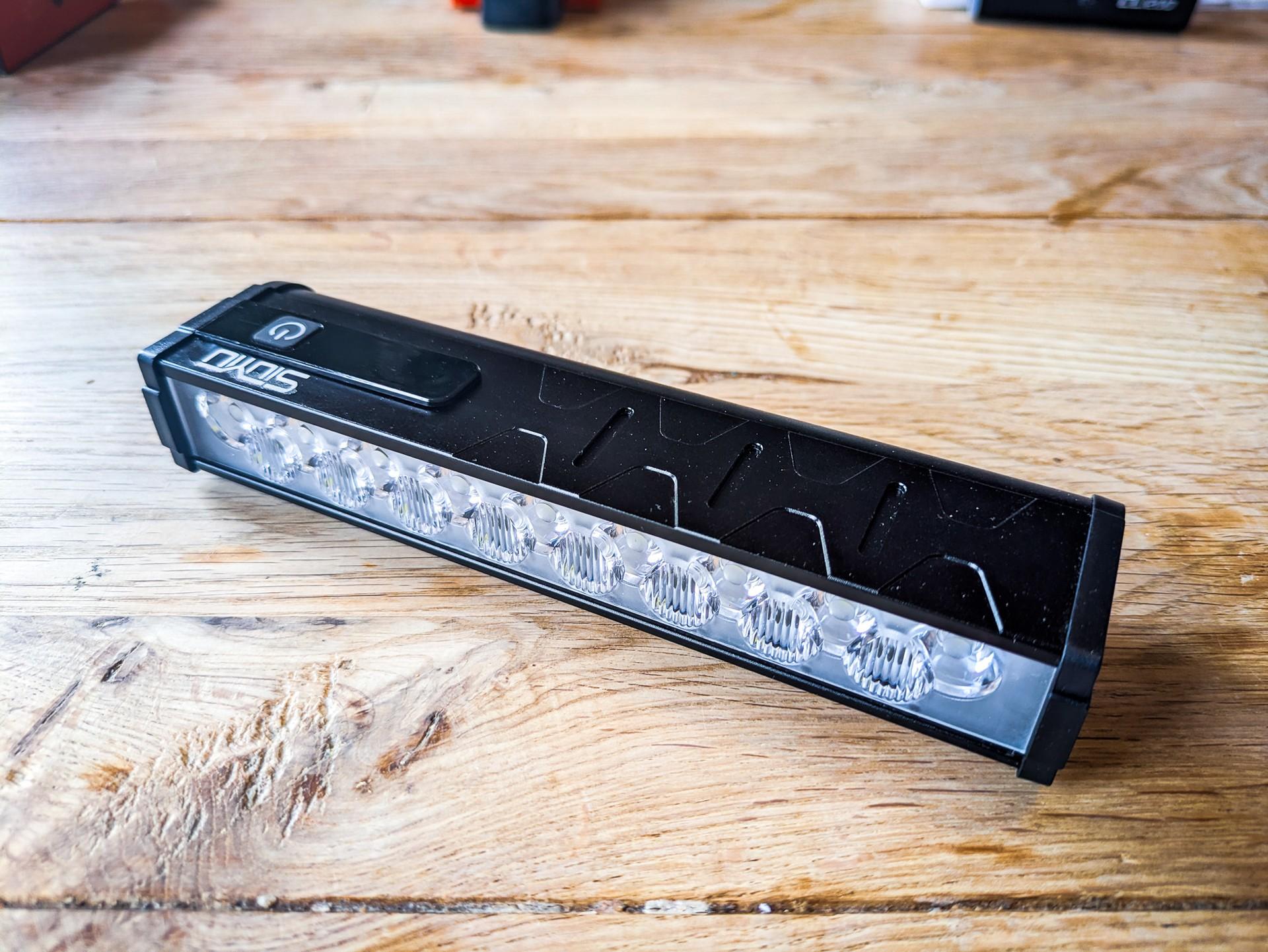
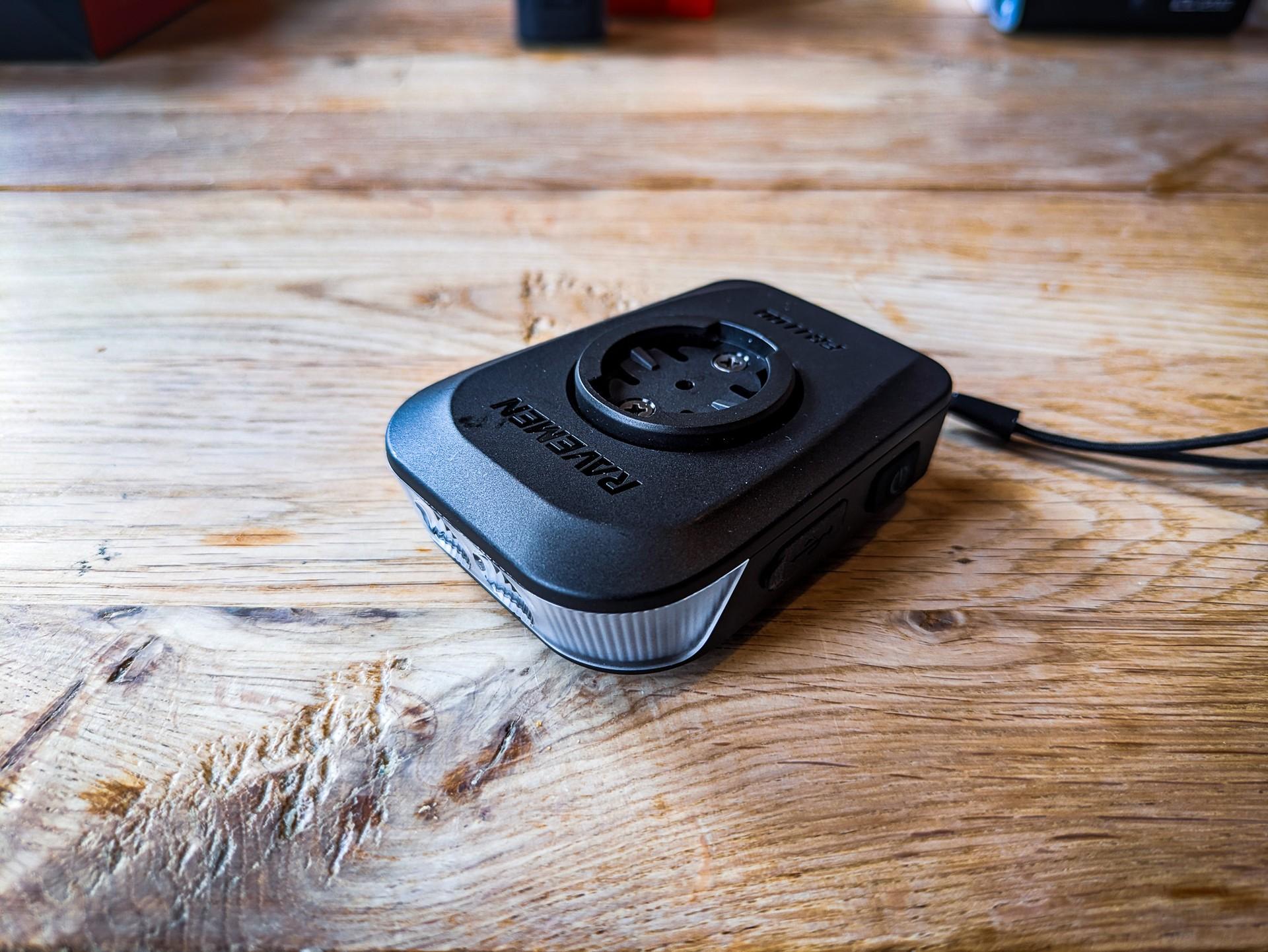
The Special Edition I've been riding adds the dynamo system that separates it from the rest of the range. A DT Swiss dynamo hub powers a front light and a USB-C charging port tucked under a rubber cover on top of the steerer tube. The build runs SRAM Force AXS with a power meter, 35mm-deep SwissSide carbon wheels, 32mm Continental Grand Prix 5000 All Season tyres, a Fizik saddle, and Deda finishing kit. It's quirky, but it's certainly not bad.
Geometry
EDR CF Ultra geometry
Length in mm · Angles in degrees

Measurement | XS | S | M | L | XL |
|---|---|---|---|---|---|
| BB: bottom bracket drop (mm) | 67 | 67 | 67 | 67 | 67 |
| CS: chainstay length (mm) | 425 | 425 | 425 | 425 | 425 |
| E: wheelbase (mm) | 1010 | 1012 | 1015 | 1016 | 1026 |
| FL: fork length (mm) | 384 | 384 | 384 | 384 | 384 |
| FR: fork rake (mm) | 45 | 45 | 45 | 45 | 45 |
| HT: head tube length (mm) | 115 | 130 | 155 | 185 | 215 |
| HTA: head tube angle (°) | 70 | 71 | 72 | 73 | 73 |
| R: reach (mm) | 375 | 380 | 380 | 386 | 388 |
| S: stack (mm) | 524 | 540 | 568 | 601 | 630 |
| ST: seat tube length (mm) | 450 | 480 | 500 | 520 | 530 |
| STA: seat tube angle (°) | 75.1 | 74.6 | 73.5 | 73.5 | 72.9 |
| TT: top tube length (mm) | 515 | 530 | 548 | 564 | 580 |
Source: Decathlon UK.
How it rides

So, what's it like to ride? Well, what struck me first was how playful the front end felt – light and nimble, but with a wheelbase long enough to keep things stable. The saddle that came fitted is a similar shape to the one I run on my own bike, so I was already in a fair bit of comfort from the off. On the hoods, the position was relaxed without being as upright as some endurance bikes have you. There are more dynamic-feeling bikes in this category, but the EDR sits in a safe middle ground.
The Continental All Season tyres, at a measured 33mm on the 22mm internal-width hooked rims, matched that middle-ground persona. They're not slow tyres by any means and roll really nicely. The frame adds some compliance of its own, and together the combination really does a good job of hoovering up the chattery roads we have here in the UK. Along the flats, the bike holds speed well – it doesn't feel laboured. On the climbs, the wide spread of gears came into their own and let me spin my legs to my heart's desire, while the flattened tops of the bars made for a seriously comfortable perch.

Out of the saddle, efforts didn't feel like they were in vain. The bike still felt engaged and could momentarily trick you into thinking you weren't riding something quite so sensible. Seated efforts, though, definitely felt more natural. Down the descents, the EDR was predictable and stable, but that light front end meant the agility was still there while the rear end trailed comfortably behind. It made for calm and controlled descending, especially with the smooth modulation of the SRAM Force brakes and those wide 32mm tyres. It would clearly take a lot to destabilise this bike.
The SwissSide wheels carry a claimed weight of 1,700g, which isn't light, but the majority of that excess weight sits in the dynamo hub. They spin up easily and don't feel dull to ride – in reality, they ride like a set of wheels that weigh 1,500g. I also like the 35mm depth. As a lighter rider who's prone to being particularly susceptible to crosswinds, I never felt a bit of instability from the wheels.

The dynamo light came in handy a couple of times when I was out riding late. It isn't bright enough to see with, but the wide and even beam pattern does guarantee you'll always be seen by whomever is in front of you. Luckily, there's a button on the back of the light, so you can turn it off when you don't want to use it.
There are a couple of things I'm less keen on. The stem bolts and seatpost clamp needed to be slightly over-torqued to stop them from slipping, which is frustrating on a bike at this price point. And I don't love the look of the boxy stem or the mandatory "chimney" for the USB-C charging. It's a cool feature and it does kind of work, but I can't love the way it looks.

Stepping back from it, the EDR Ultra is, dare I say it, a bit vanilla in style and substance. Some might read that as a criticism, but in this scenario I really don't mean it as one. It does exactly what you'd expect it to.
Value and who it suits
At £5,500, the EDR CF Ultra Special Edition feels pricey – simply because £5,500 is a lot of money – but it matches the price of the SRAM Force-specced Scott Addict. I think the EDR Ultra isn't really for the typical endurance rider here in the UK. This specification, with that dynamo hub, is better matched with riders who want to go out and do some seriously long distances. It'll work very well for strapping frame bags to, loading it up and then taking on the world.

However, if you're just a normal rider who wants a comfortable bike to ride, then I'd suggest looking at the recently released and cheaper standard EDR with mechanical 105. At £2,299 it's over three thousand pounds cheaper than the Ultra, and the spec is still good – similar 35mm-deep carbon wheels, Continental tyres, a wide spread of gears, and a saddle that I think would suit a lot of riders. With that saving, you could afford to buy a Di2 groupset and still have thousands left over. It also gains an updated frame with in-frame storage that the Special Edition lacks, comes in two pretty clean colourways, and is only a claimed 210g heavier than the Ultra.
There's also an EDR build that sits in the middle, with 105 Di2, slightly better tyres and no dynamo system, at around £4,000. Buyers considering this one should be aware that Decathlon issued a recall affecting that specific model over a faulty stem assembly. The recall covers bikes purchased between 1 July 2025 and 18 March 2026 – an additional spacer on the stem could cause it to twist, risking steerer-tube damage. No accidents were reported and Decathlon offered free repairs, but anyone buying second-hand should confirm the bike has been through the recall before riding it. That issue aside, at roughly £700 more than the equivalent Scott Addict, the 105 Di2 build sits in an awkward middle ground in the lineup.
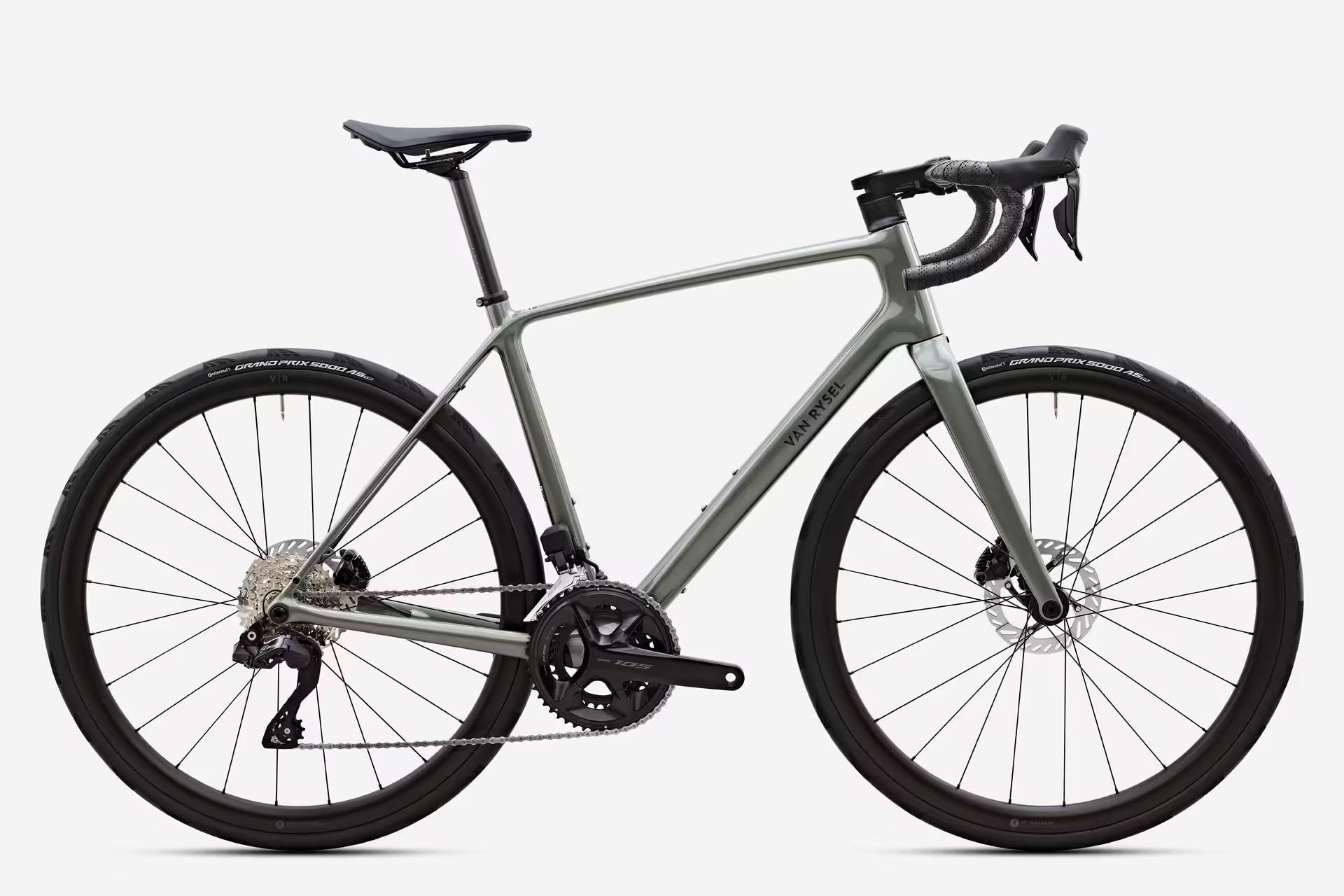
The more affordable 105 Di2 spec Van Rysel EDR
So would I recommend the EDR Ultra? Yes and no. If it's the bike you're looking at and you like the look of it, then absolutely – go and get it. You will not be disappointed. It'll perform well on both long and short rides and deliver exactly what you expect from an endurance bike.
If, however, you're looking at the endurance category more generally and have around £5–6,000 to spend, then there's a couple of bikes I'd reach for first before reaching for the EDR Ultra. But if you're looking at spending less, the 105-specced EDR is a great buy that absolutely leaves space to spend money on upgrades to really make it your own.
Velora review
Van Rysel EDR CF Ultra Special Edition
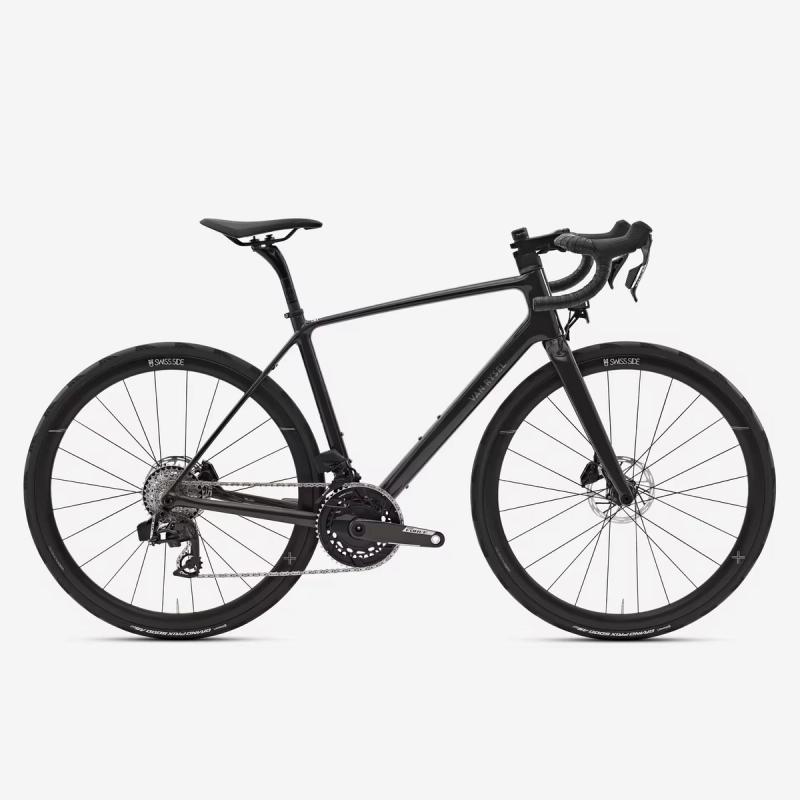
The top-spec Special Edition adds a DT Swiss dynamo hub, integrated front light, and USB-C charging port. Built with SRAM Force AXS, SwissSide 35mm carbon wheels, and Continental GP5000 All Season 32mm tyres at £5,500.
For
- +Comfortable, stable endurance geometry
- +Dynamo hub means you're always lit
- +USB-C charging built into the cockpit
Against
- –£5,500 is hard to justify over the 105 build
- –Dynamo hub adds weight the feed-charged rider doesn't need
- –Deda stem required over-torquing to stop slipping