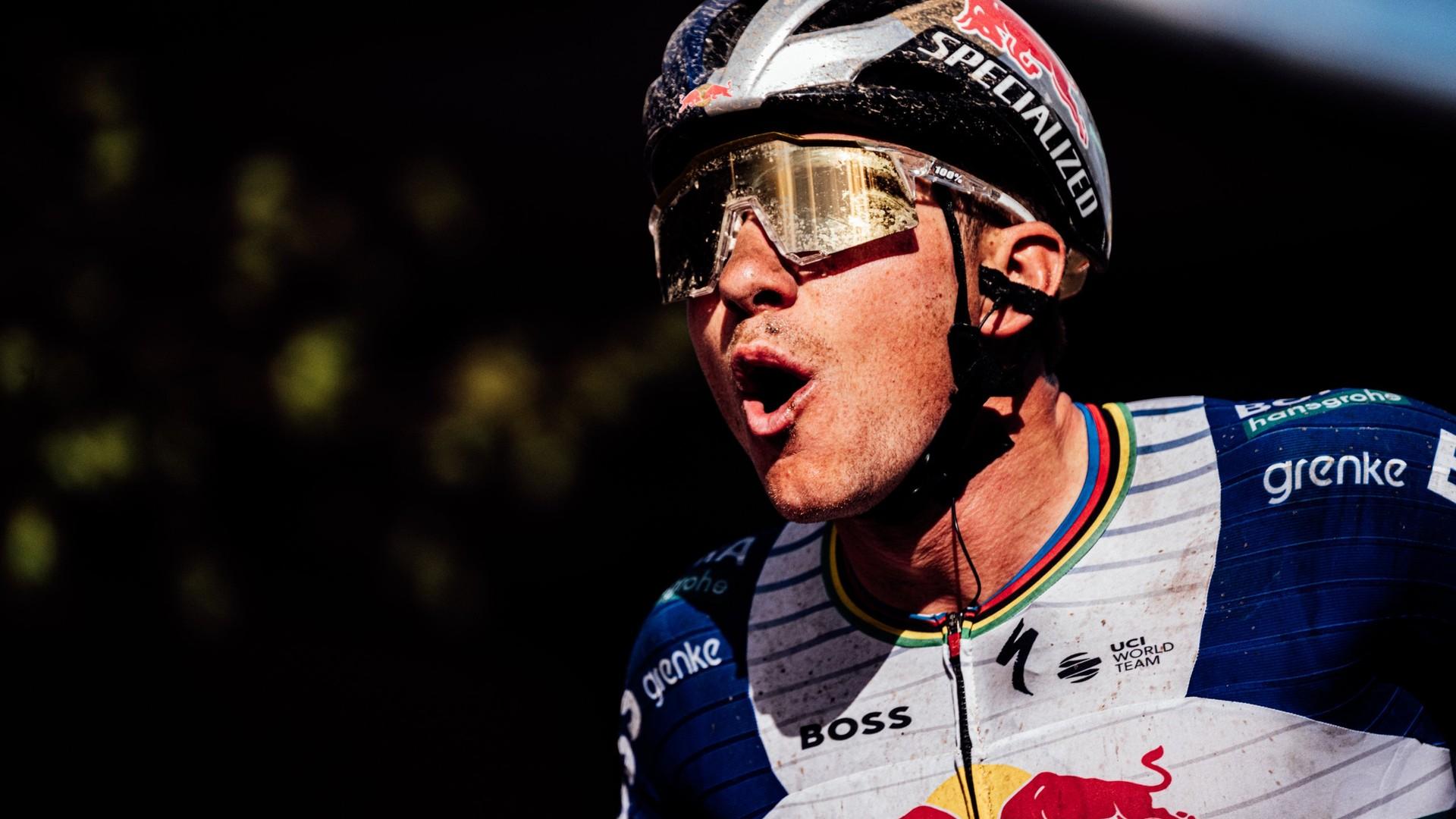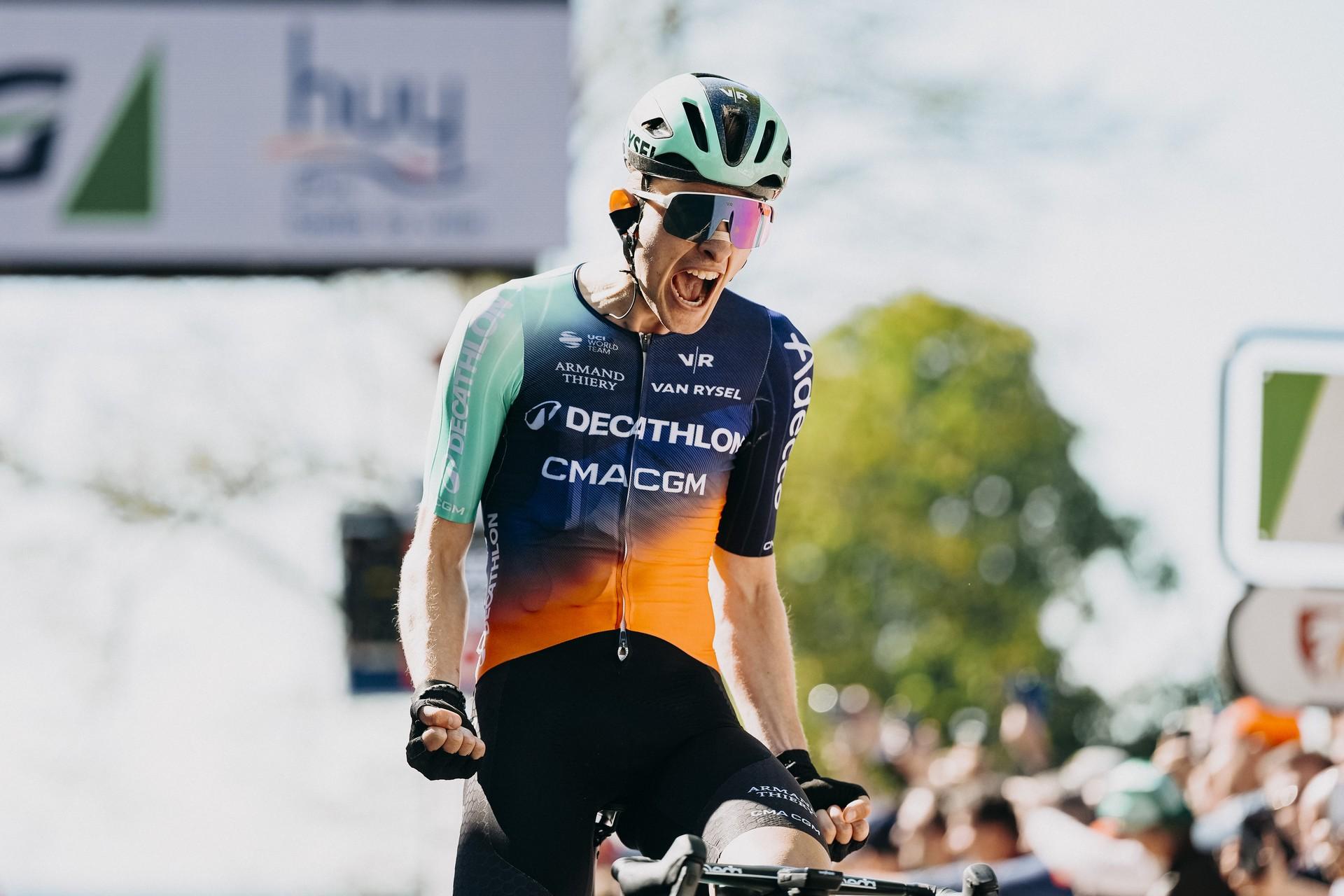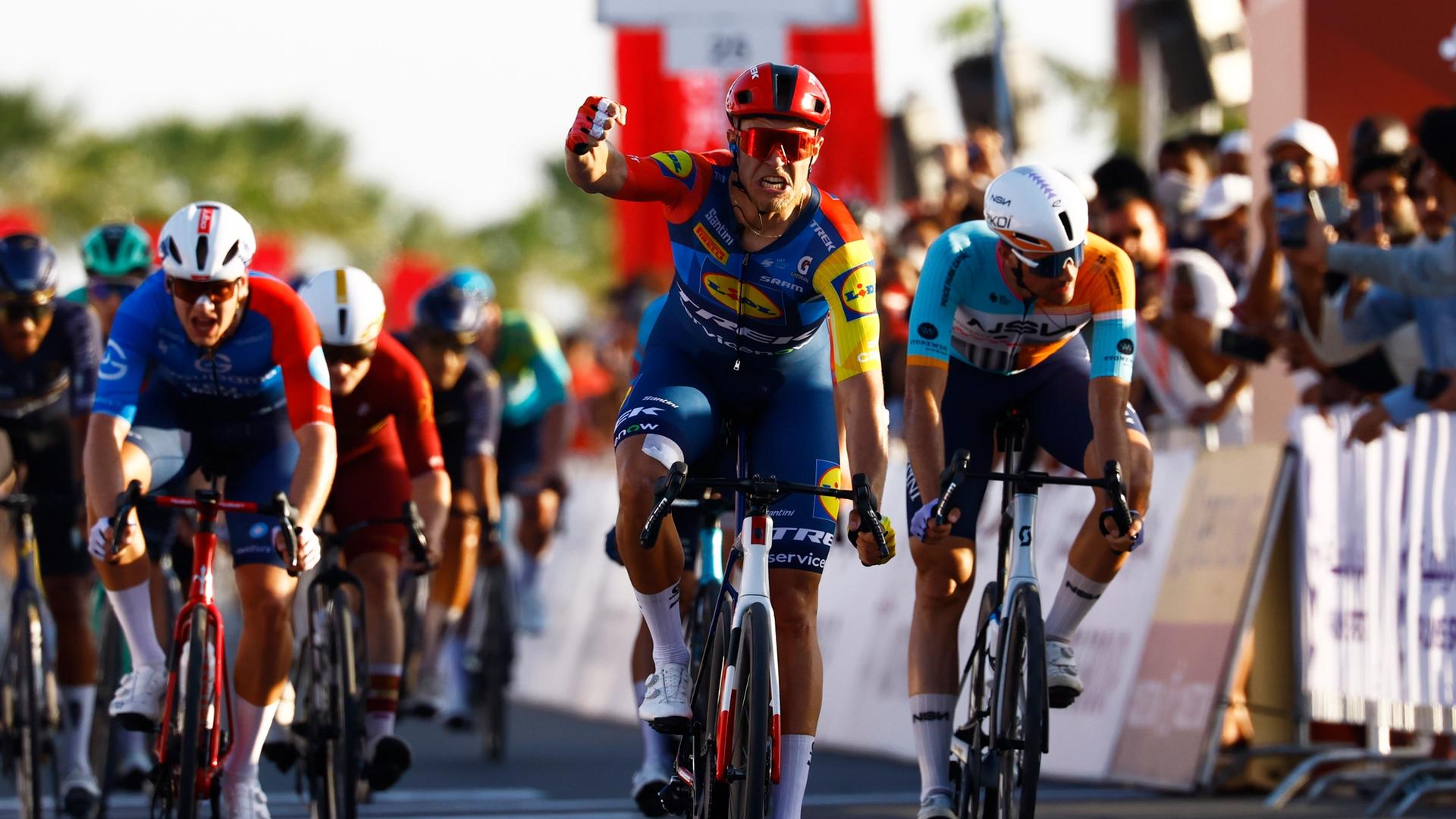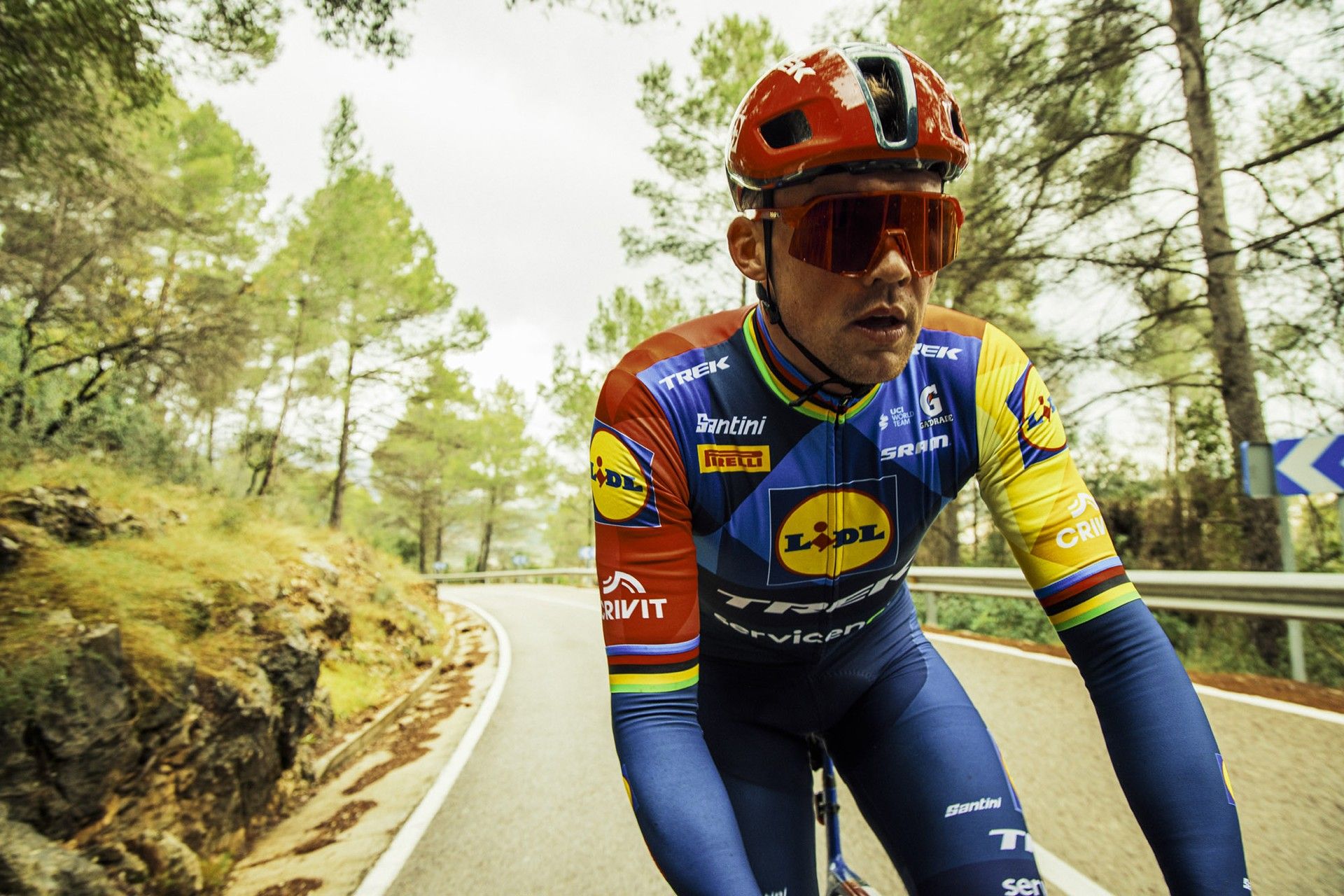
Lidl-Trek, Decathlon CMA CGM Team and Team TotalEnergies have adopted Vekta, the AI-powered training and coaching platform, across their WorldTour, ProTour and development programmes for the 2026 season.
The partnerships, announced on February 23, move beyond experimental trials. All three teams have appointed Vekta as a long-term component of their performance workflows, using it for training planning, race preparation and performance review.
They join existing partners Team Jayco AlUla, FDJ–SUEZ and Team AMANI on the platform, which launched in April 2025.
Vekta automates data synthesis, interval detection and session classification, reducing the manual processing load on coaching staff. Its talent identification tools use AI to surface performance markers in junior and development riders.
"The capacity to collect data has increased exponentially in recent years, far beyond what we can realistically analyse," Josu Larrazabal, head of performance at Lidl-Trek, said. "Working with Vekta allows us to spend less time processing data and more time on the human connection with our riders, which is what really makes the difference in the long term."
Paul Barratt, head of innovation at Decathlon CMA CGM Team, said the platform would support data-informed decisions across both WorldTour and development riders.
How the platform works
Vekta uses a Critical Power (CP) framework rather than the Functional Threshold Power (FTP) model common in legacy tools such as TrainingPeaks. CP defines the boundary between sustainable and unsustainable effort, while a companion metric, W-Prime, quantifies the finite capacity a rider has for work above that threshold. In racing terms, that helps predict how many high-intensity efforts a rider can sustain before fatigue sets in.
The platform's AI layer automatically classifies sessions by training stimulus, generates interval summaries and allows coaches to build structured workouts from text prompts, the firm said.
"These aren't trials or experiments, they're long-term commitments to modern, data-driven coaching and athlete development," Paul-Antoine Girard, Vekta's co-founder and CEO, said.