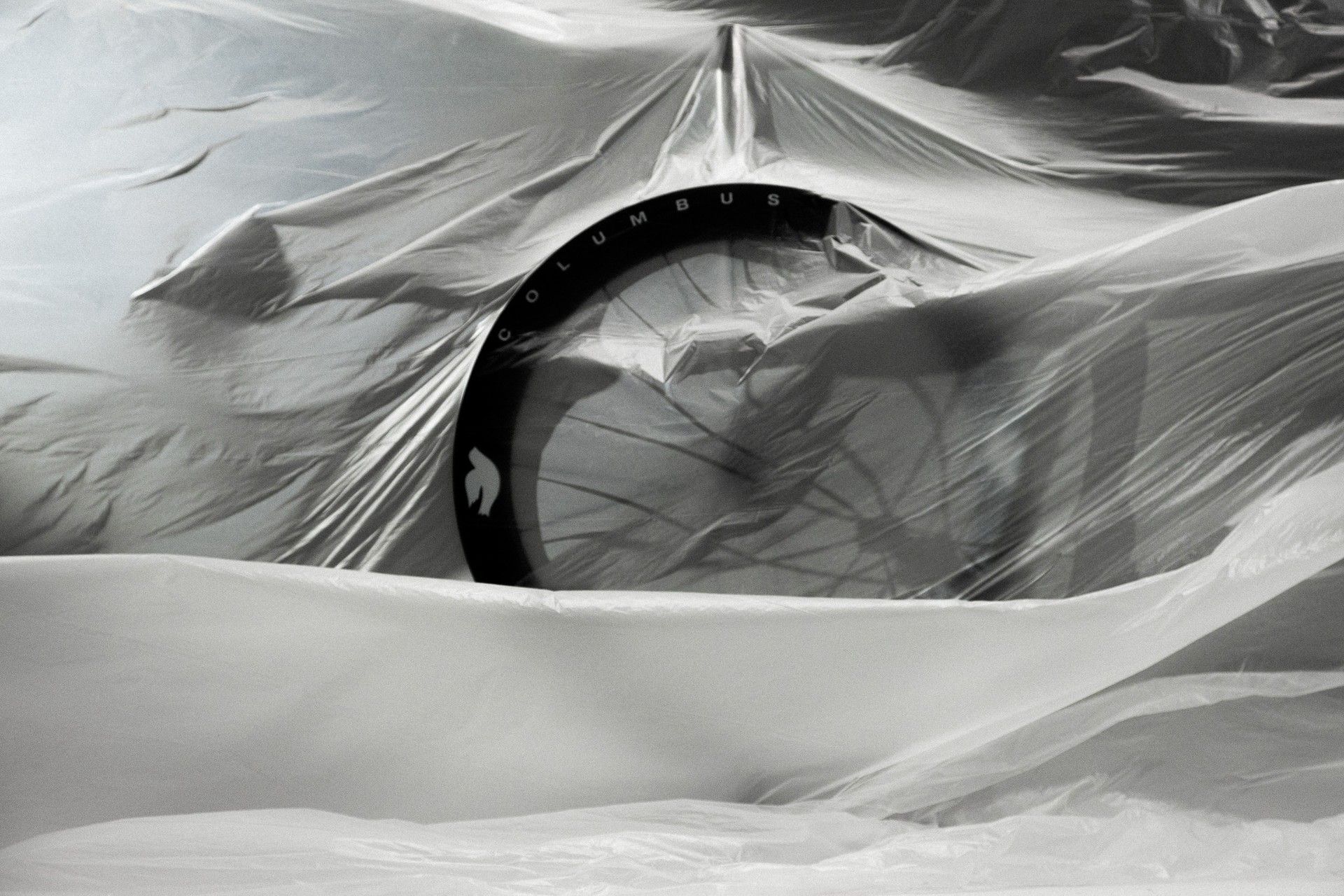
Italian tubing and component legend Columbus Components has entered the carbon wheel market with four wheelsets, ranging from the €1,599 Cento models to the 1,249g Spirit 50 flagship, firmly placing the brand as a new player in the ultra-high end wheel market.
The new collection comprises the Cento 50, Cento 62, Spirit 50 and Gara 50. Prices reach €3,999, while the designs cover all-round performance, flat-road racing, climbing and endurance use.
All four wheelsets use hooked, D-shaped carbon rims measuring 23mm internally and 30mm externally. Columbus says the profiles are optimised for 28–30mm tyres, reflecting the wider road tyre trend also seen in recent endurance bike development.
Four wheelsets for distinct uses
The Cento 50 is the general-purpose option, pairing a 50mm rim with 21 carbon VONOA spokes and Columbus’s own ceramic-bearing ratchet hub. Its dual-sided 36-tooth mechanism provides nine-degree engagement, while the complete wheelset has a claimed weight of 1,440g.
The €1,599 Cento 62 carries over the same hub, bearings and 2:1 spoke pattern. Its 62mm rims target flatter, faster courses, with the extra depth raising claimed weight by 30g to 1,470g.
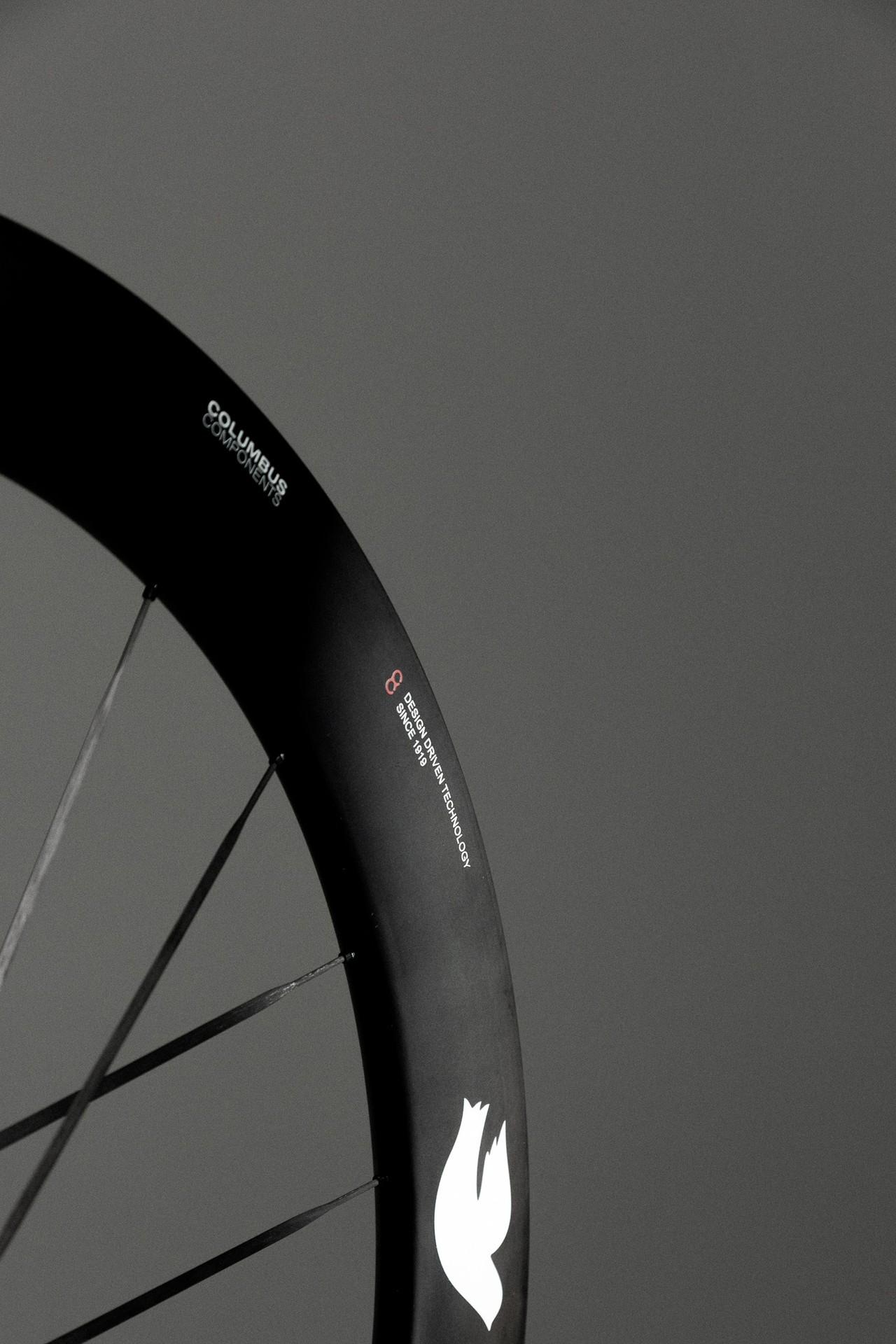
At the top of the range, the €3,999 Spirit 50 combines a 50mm rim with an Integrated Aero hub. Columbus describes this as a single-cast monocoque structure, in which 18 carbon spokes connect straight to the hub flanges and integrated nipples are concealed from the airflow. The resulting 1,249g claimed weight makes it the lightest wheelset in the collection.
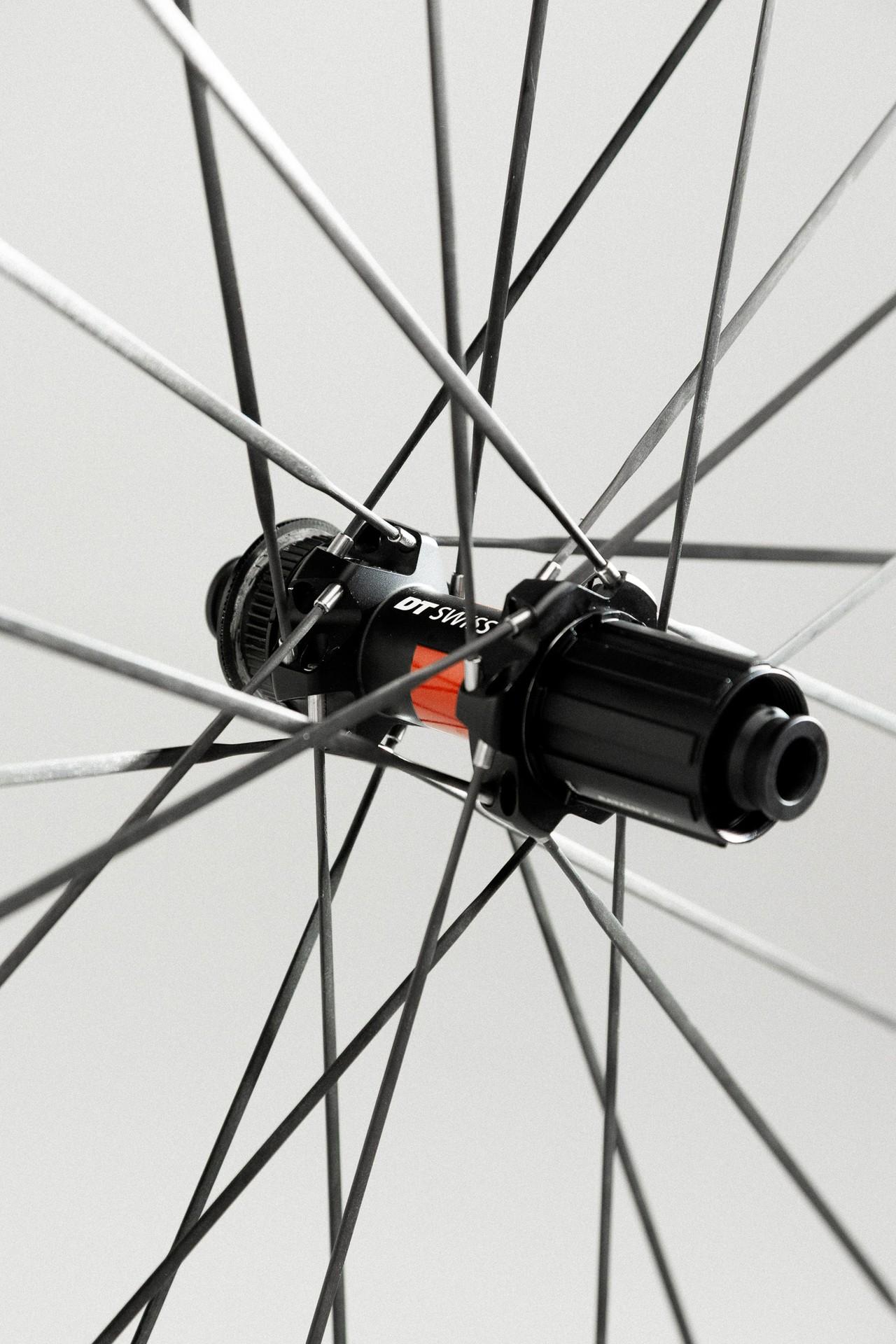
The Gara 50 is the endurance model, combining Columbus rims with a DT Swiss 240 hub and Ratchet EXP freehub system. It uses 24 carbon VONOA spokes in a 1:1 pattern, titanium nipples and glass-fibre-reinforced polymer nipple seats intended to improve alignment and reduce local stress on the rim. Columbus lists a weight of 1,315g and a price of €2,399.
The Spirit sits in rarefied company on both weight and price. Its claimed 1,249g matches the 40mm-deep CADEX Max 40 exactly, although the Columbus has a deeper 50mm rim and uses a hooked rather than hookless profile. The 1,170g Syncros Capital SL is lighter again, but uses a shallower 40mm hookless rim with a one-piece carbon construction.
At €3,999, the Spirit is also €1,500 more expensive than the €2,499 starting price of DT Swiss’s flagship ARC 1100 DICUT DB range, for which claimed weights start at 1,299g. Those figures do not settle which is the faster or better wheel: Columbus has not published aerodynamic results, test conditions or comparative stiffness data, while the launch material also omits tubeless compatibility and system-weight limits.
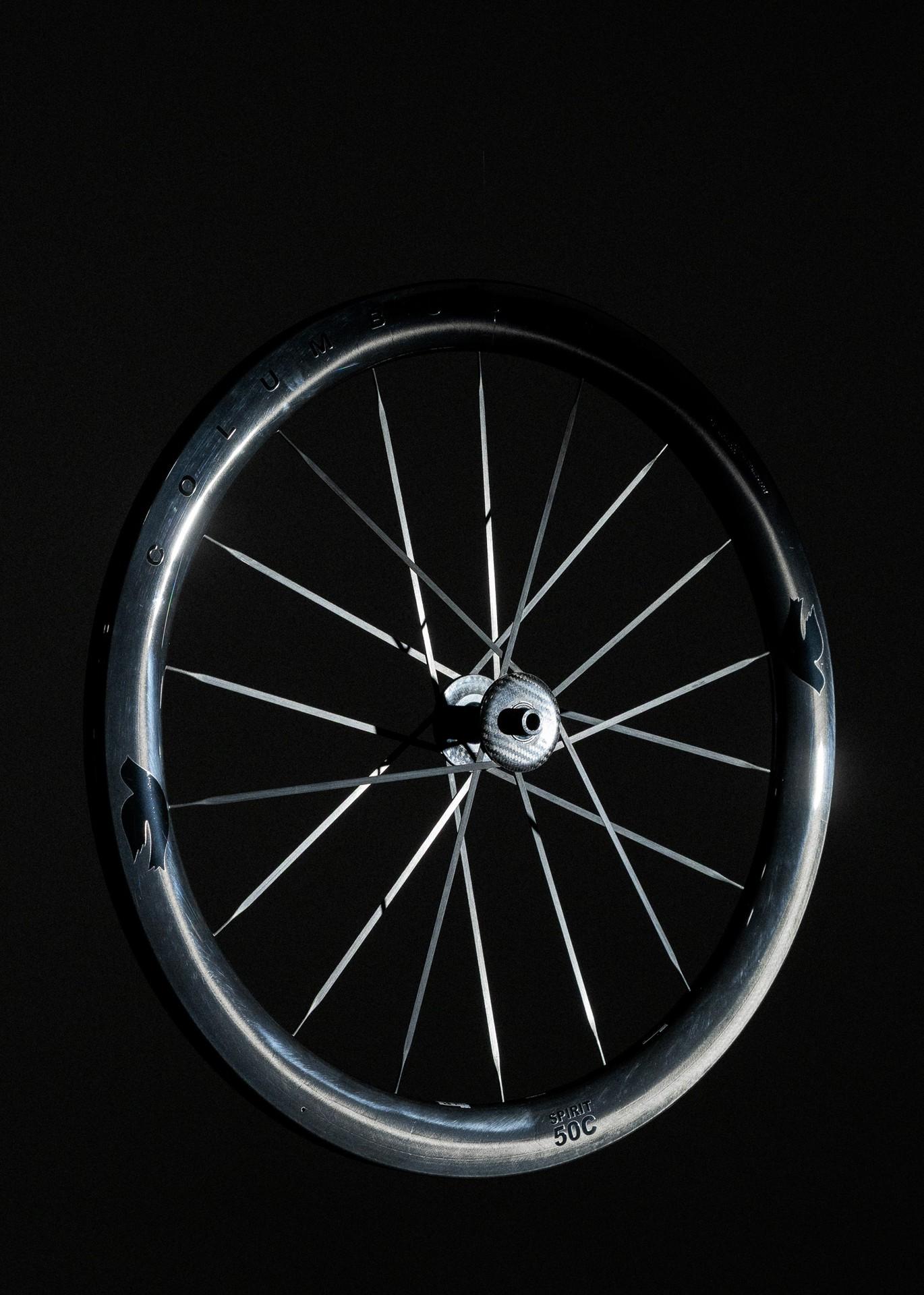
Columbus said its Milan team worked with carbon-composite specialists and used computational fluid dynamics, wind-tunnel development and laboratory testing.
“For over a century Columbus has been a champion of Italian engineering and quality,” said chairman Victor Luis. “We were an early pioneer in Carbon tubing and now after years of study and rigorous testing, we are excited to expand our range of Columbus Components to meet the exacting needs of performance brands, the frame building community and exacting riders across the world. Our goal is as always superior performance with uncompromising Milanese Design.”
The wheels expand a components portfolio that already covers forks, cockpits, seatposts and smaller accessories, extending the century-old tubing specialist’s presence in the performance bicycle market.