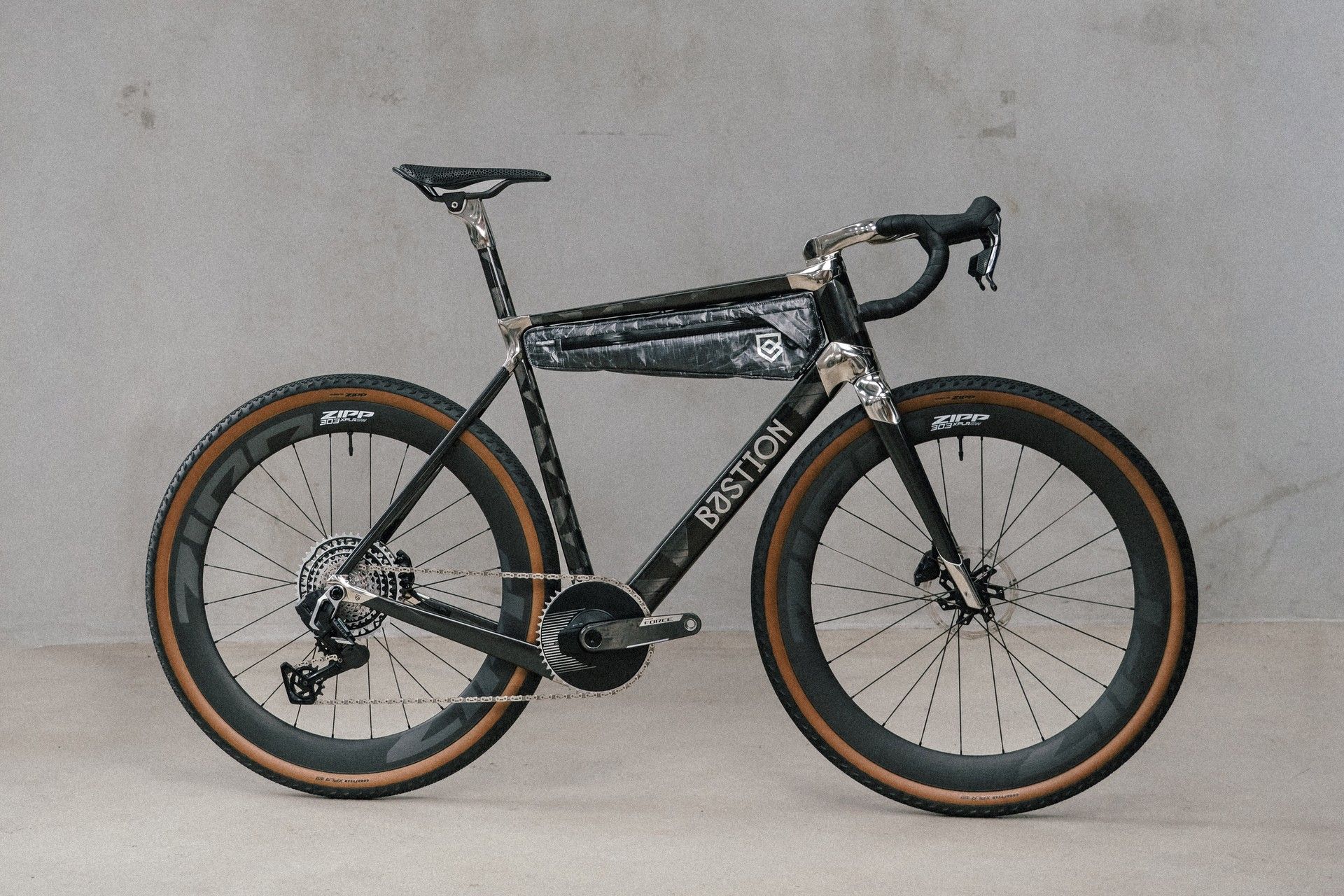
Bastion Cycles has launched the Panterra, a custom gravel bicycle built around 3D-printed titanium lugs and filament-wound carbon fibre tubes, priced from AUD 27,000 plus shipping, duties and sales tax. The Melbourne-based company says the bike extends the aerodynamic development of its Archetype road platform into a 700c gravel frame with clearance for tyres up to 50mm front and rear.
"Most gravel bikes are built down to a price point. The Panterra is built up from a principle," Ben Schultz, CEO of Bastion Cycles, said. "It's gravel, done differently... because it matters."
The Panterra is designed exclusively around electronic 1x drivetrains and features full UDH compatibility, SRAM's Universal Derailleur Hanger standard that has become the default interface for modern wireless groupsets. It sits at 8.5kg with SRAM Force XPLR and Zipp XPLR wheels, a modest weight for a gravel bike with that much tyre clearance.
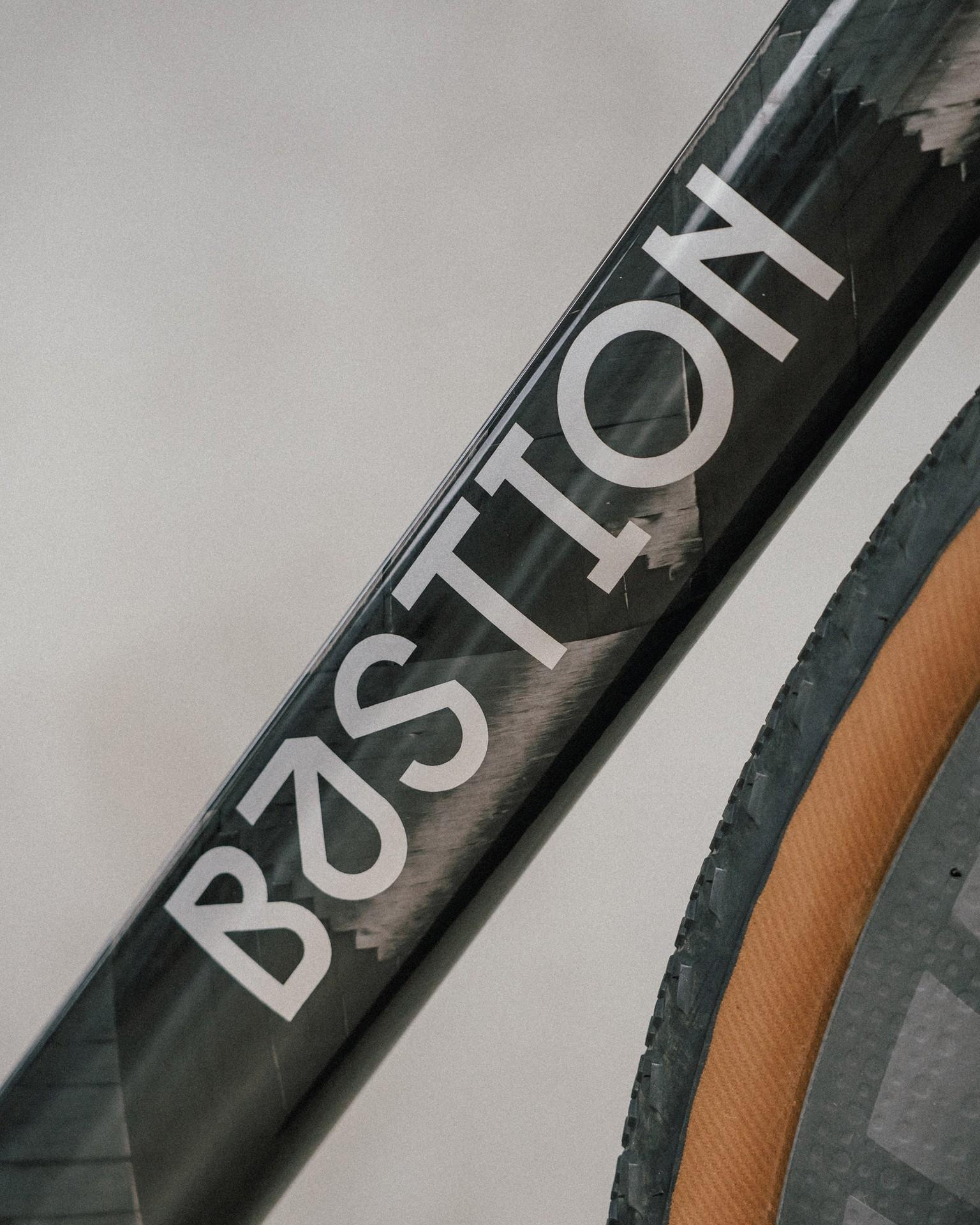
"The challenge was balancing capability with ride feel," Ethan York, Engineering Manager at Bastion Cycles, said. "We wanted generous tyre clearance, modern drivetrain compatibility and genuine gravel versatility, while preserving the connected, refined ride feel that defines a Bastion. The Panterra allowed us to bring those requirements together in a very cohesive way."
Archetype lineage, gravel application
Bastion says aerodynamic principles developed through the Archetype have been integrated throughout the Panterra's tube shaping, though the company has not published drag figures specific to the gravel bike in its launch material. Velora's earlier CT scan analysis of the Archetype revealed the detail of Bastion's internal lattice structures and lug design, and the Panterra inherits that construction method, but road-bike aero data should not be assumed to transfer directly to a wider, higher-clearance gravel frame.
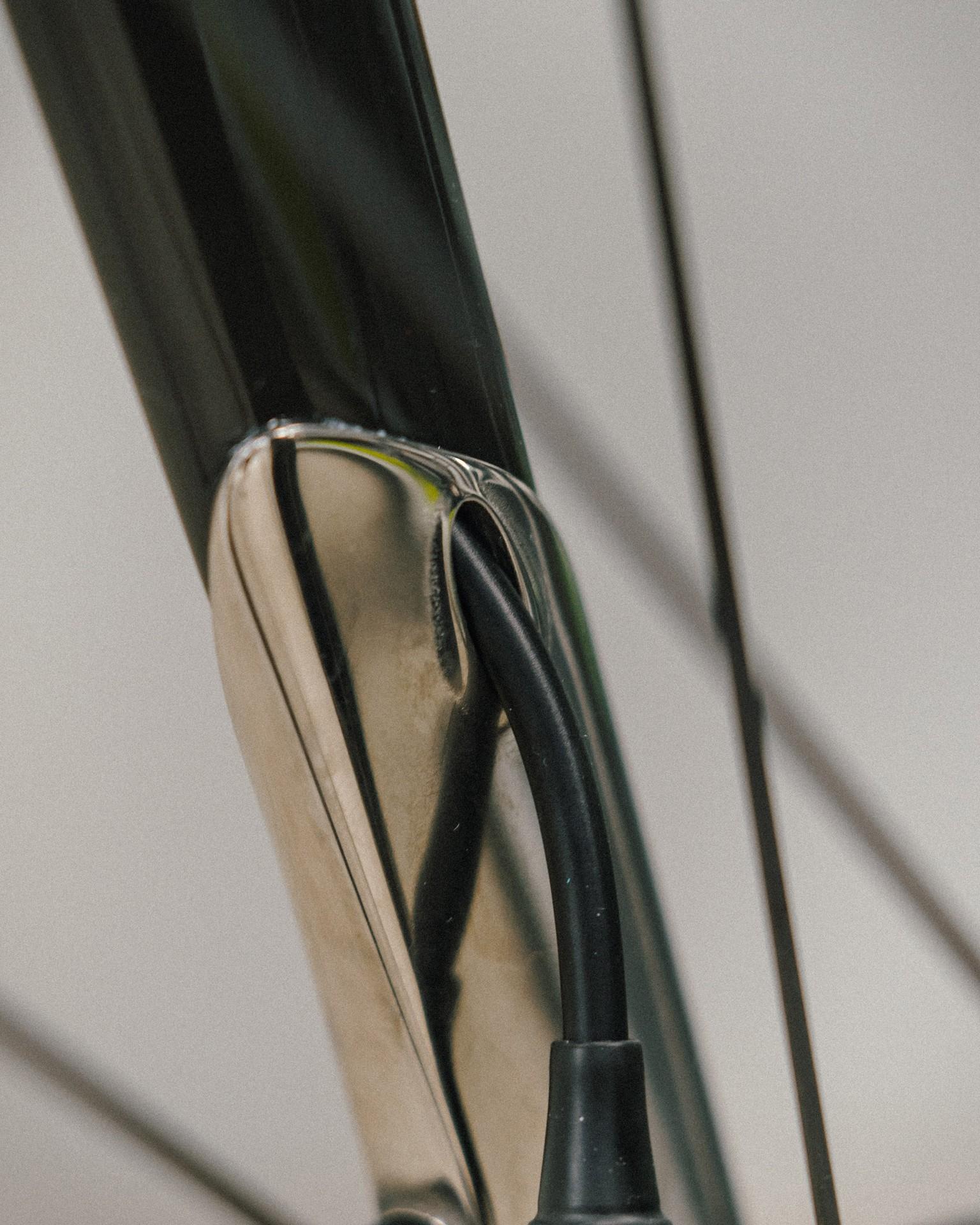
The underlying build process remains consistent with Bastion's existing range. The company 3D-prints its lugs in aerospace-grade Ti6Al4V Grade 5 titanium and creates its carbon fibre tubes in-house using filament winding. Each frame represents more than 200 hours of manufacturing and craftsmanship, according to Bastion's own production documentation, and every bike undergoes proof-load testing and dimensional checks before delivery.
Every Panterra ships with a custom frame bag developed in collaboration with fellow Australian brand Skingrowsback, designed specifically around the bike's frame dimensions.
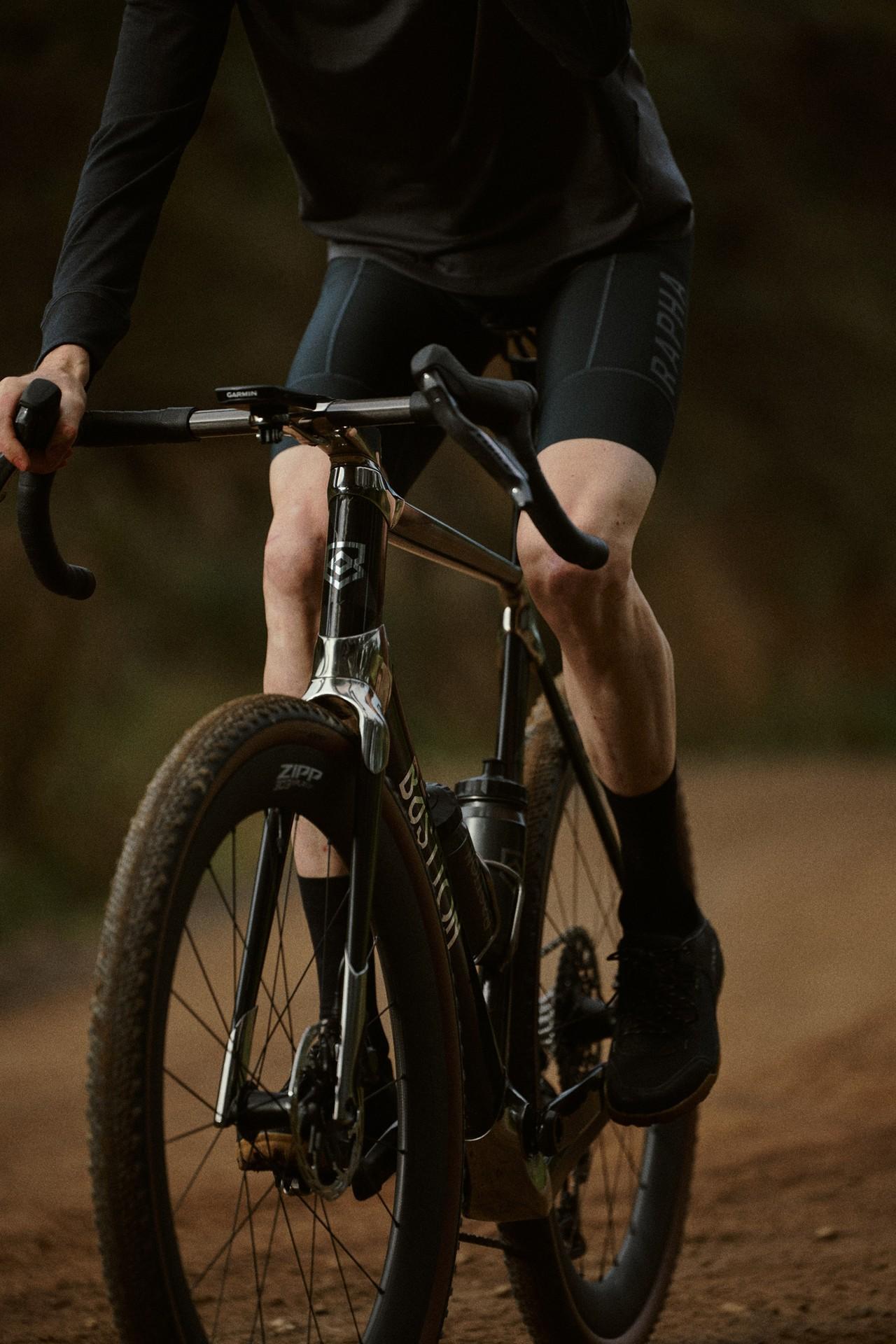
Bastion was founded in Melbourne in 2014 by Benjamin Schultz and James Woolcock, both former Toyota Research and Development engineers. The company's foundry operates with eleven people building approximately 100 bikes per year. Each Panterra is individually engineered for its owner, with buyers given access to a personal Design Portal after placing a deposit.
At AUD 27,000, the Panterra sits below Bastion's road bike, which starts from AUD 34,000+ for a complete build. That positions it as the lower entry point into the brand's range while keeping it in the ultra-premium custom segment. Lead time is seven months from order, consistent with the roughly 180-day wait for Bastion's road platform.
The launch aligns with broader trends in gravel bike design toward big-clearance 700c platforms, electronic 1x exclusivity and UDH-ready rear ends. Its hybrid titanium-carbon construction and fully bespoke geometry remain rare at any price point, and uncommon at volume.
Orders are open now through Bastion directly.