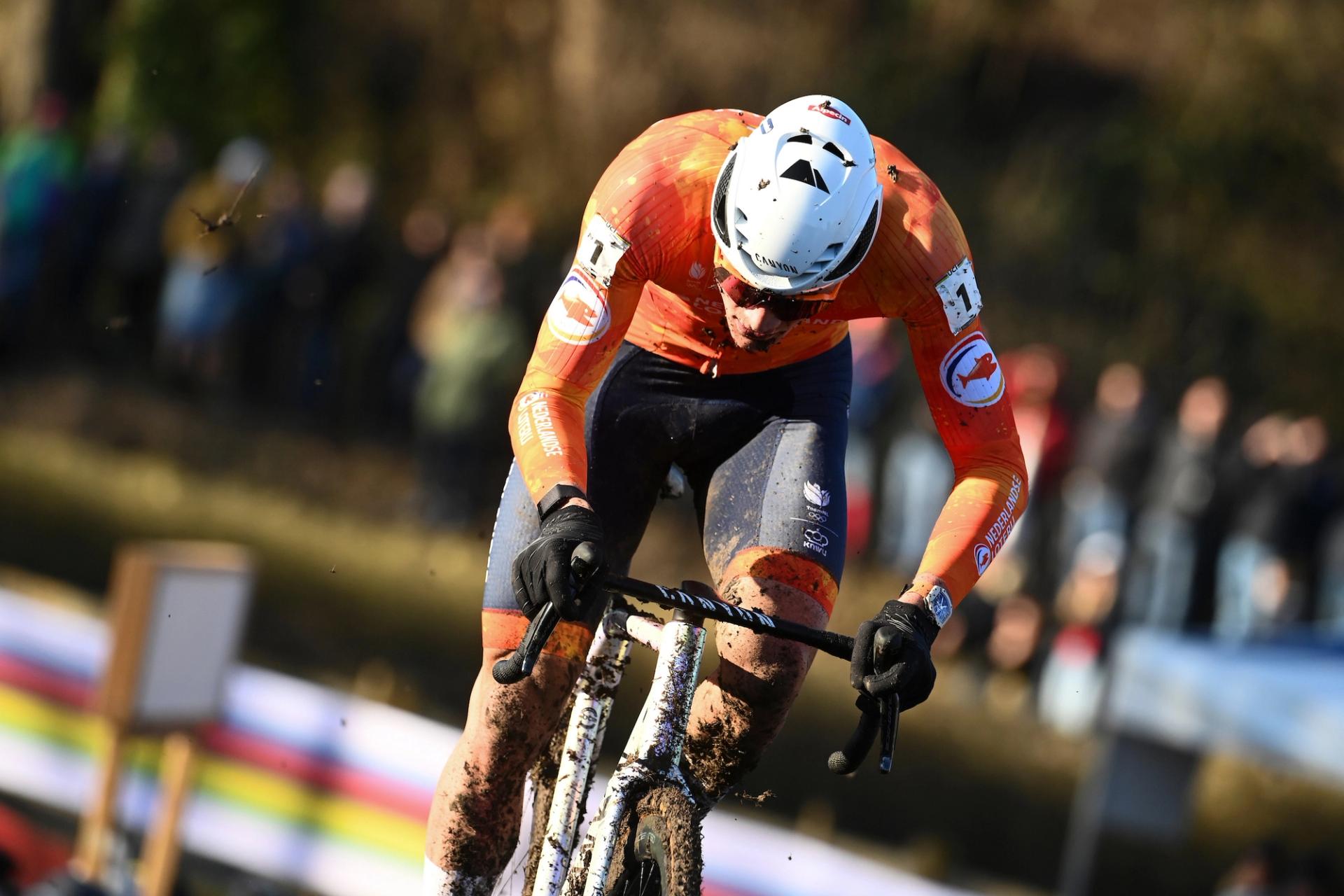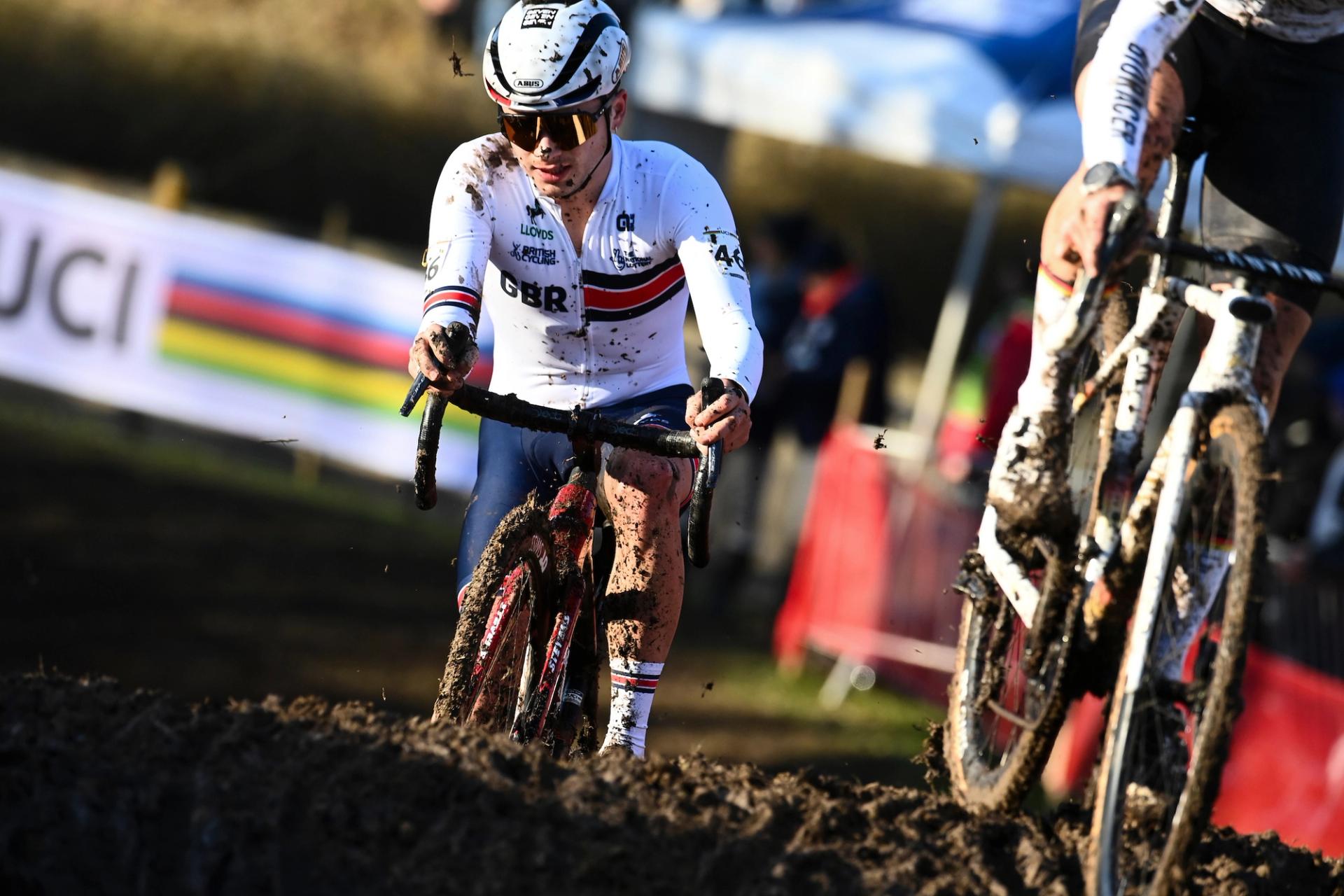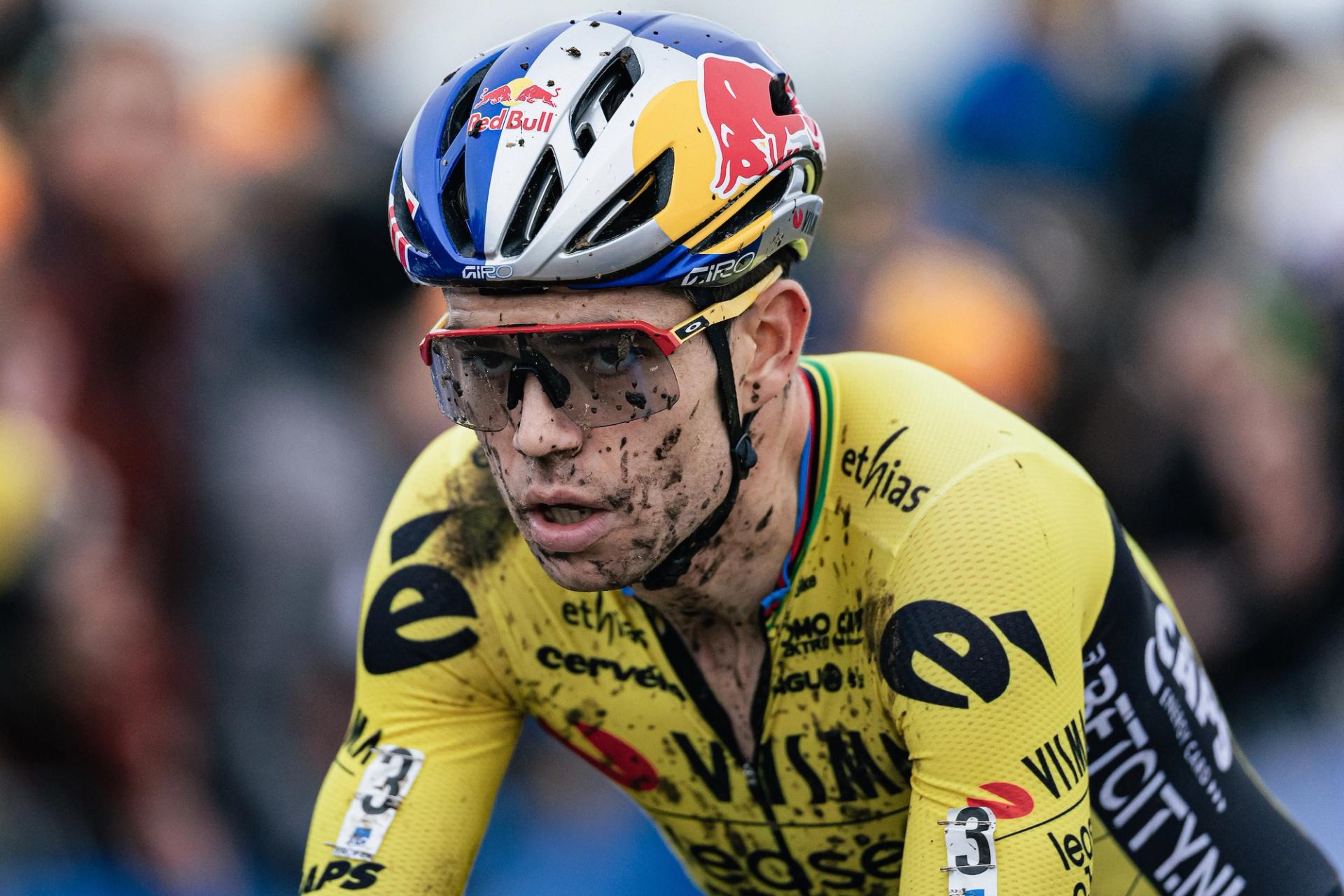
The World Cup’s fifth round returns to Antwerpen’s Sint-Anneke Beach on Saturday with more than series points at stake. It is the first winter meeting between Mathieu van der Poel and Wout van Aert, and the first Antwerp without Fem van Empel since 2021 – a double pivot that will redefine both elite races.
For broadcast details, check out our guide on how to watch World Cup Antwerpen.
Course: Sint-Anneke Beach in full winter mode
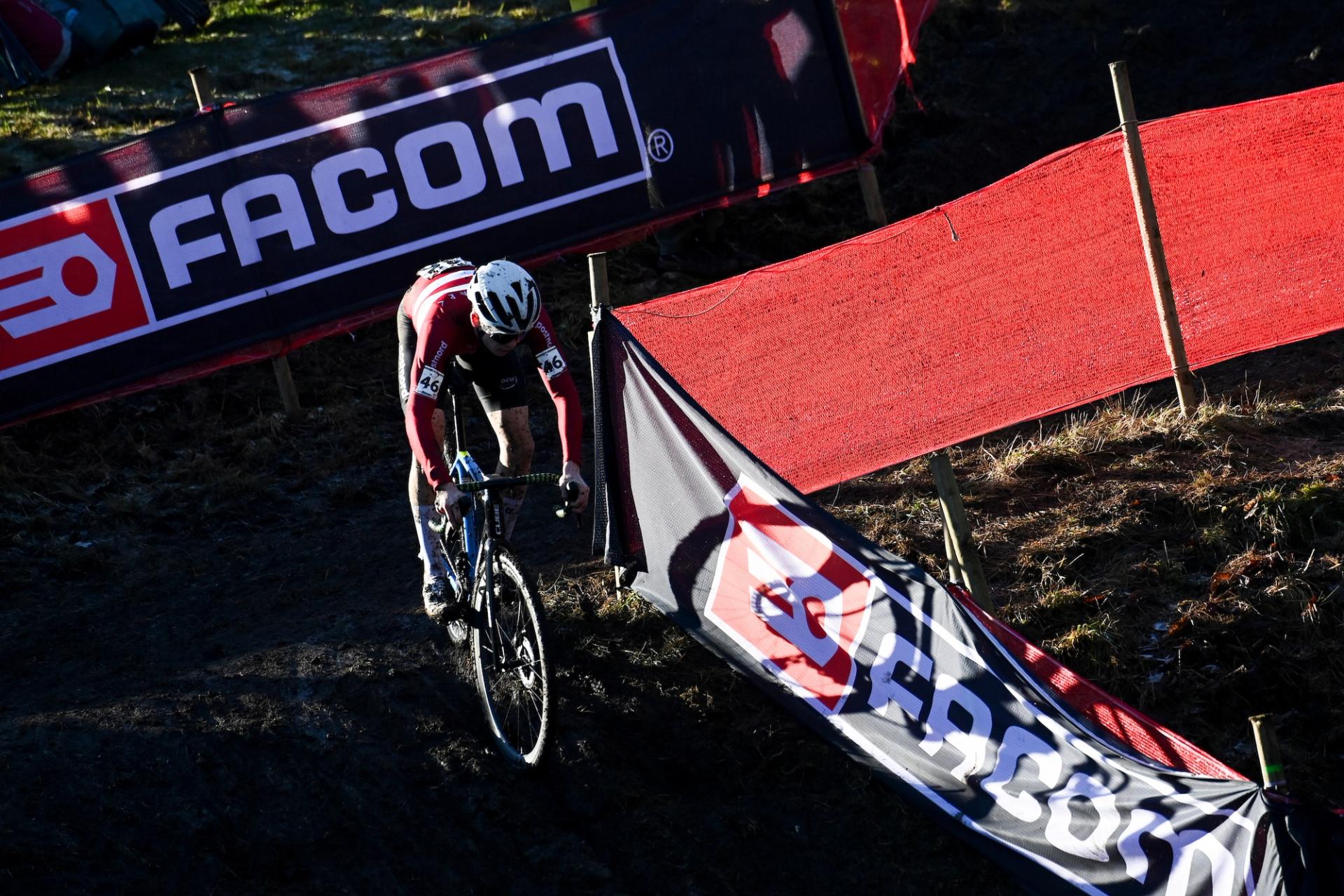
Antwerpen’s circuit on the Scheldt’s left bank is one of cyclocross’ purest examinations of handling and sand technique rather than raw climbing power. The defining feature remains the beach, now split into two distinct 100-meter sand tracks. The first is ridden in reverse direction this year, while the second offers a tactical gamble at the water's edge: riders can find speed on the hard-packed wet sand at the waterline, but must pay for it with a much steeper climb back to the main track.
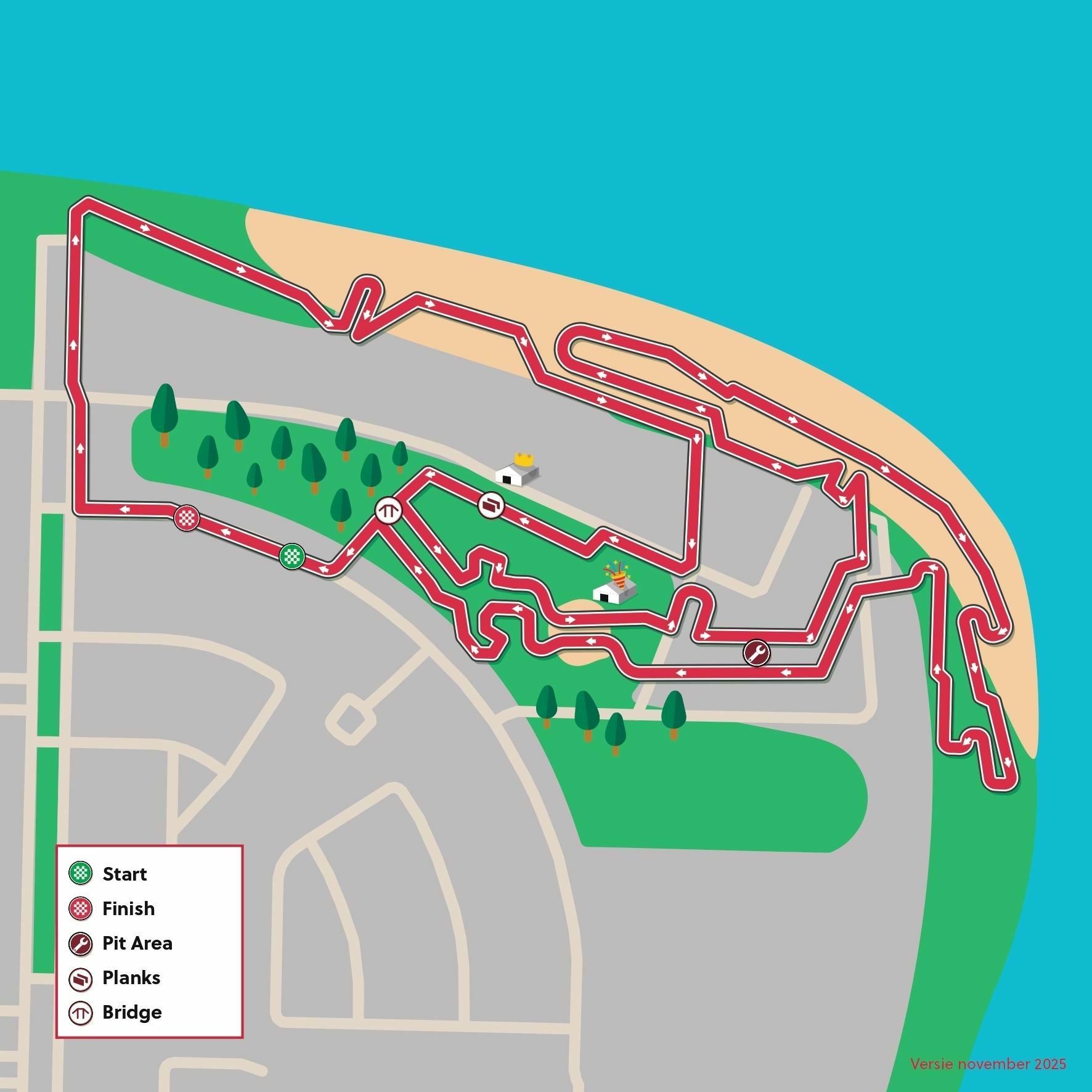
A long beach sector on Sint-Anneke itself is the defining feature. In the dry it can be ridden at high speed with good momentum and ultra-low tyre pressures; in the forecast cold, damp conditions the sand will become heavy and inconsistent.
The start/finish has been shifted to Thonetlaan, which is 6m wide, and provides over 400 meters before the first turn or narrowing. That slightly reduces the usual first-corner chaos, but on a course where overtaking in the sand is difficult, the hole-shot still matters. Expect aggressive jostling from riders who cannot afford to start behind the big favourites.
Weather: cold, slick and unforgiving
Forecasts point to temperatures hovering between 5°C and 8°C for both elite races, with high humidity and only light winds. The probability of rain is modest but enough to leave a film of moisture.
Tactically, that means:
- Lower pressures than usual to bite into cold ground, but without risking pinch flats on the bridge and plank transitions.
- Increased risk on the bridges and planks – one mistake can open gaps of 5–10 seconds that are hard to close in the sand.
- Heavier sand if drizzle arrives, favouring powerful “diesel” riders able to maintain 400–420W for long efforts rather than pure punchers.
Pit work will be critical: bikes will pick up sandy paste that can clog mechs and jockey wheels.
Men’s elite: Van der Poel’s kingdom, Van Aert’s question mark
Provisional lists have all the headline names bar Eli Iserbyt and Cameron Mason. Iserbyt remains sidelined after repeat iliac artery surgery, with his team still talking about “no light at the end of the tunnel” for a return.
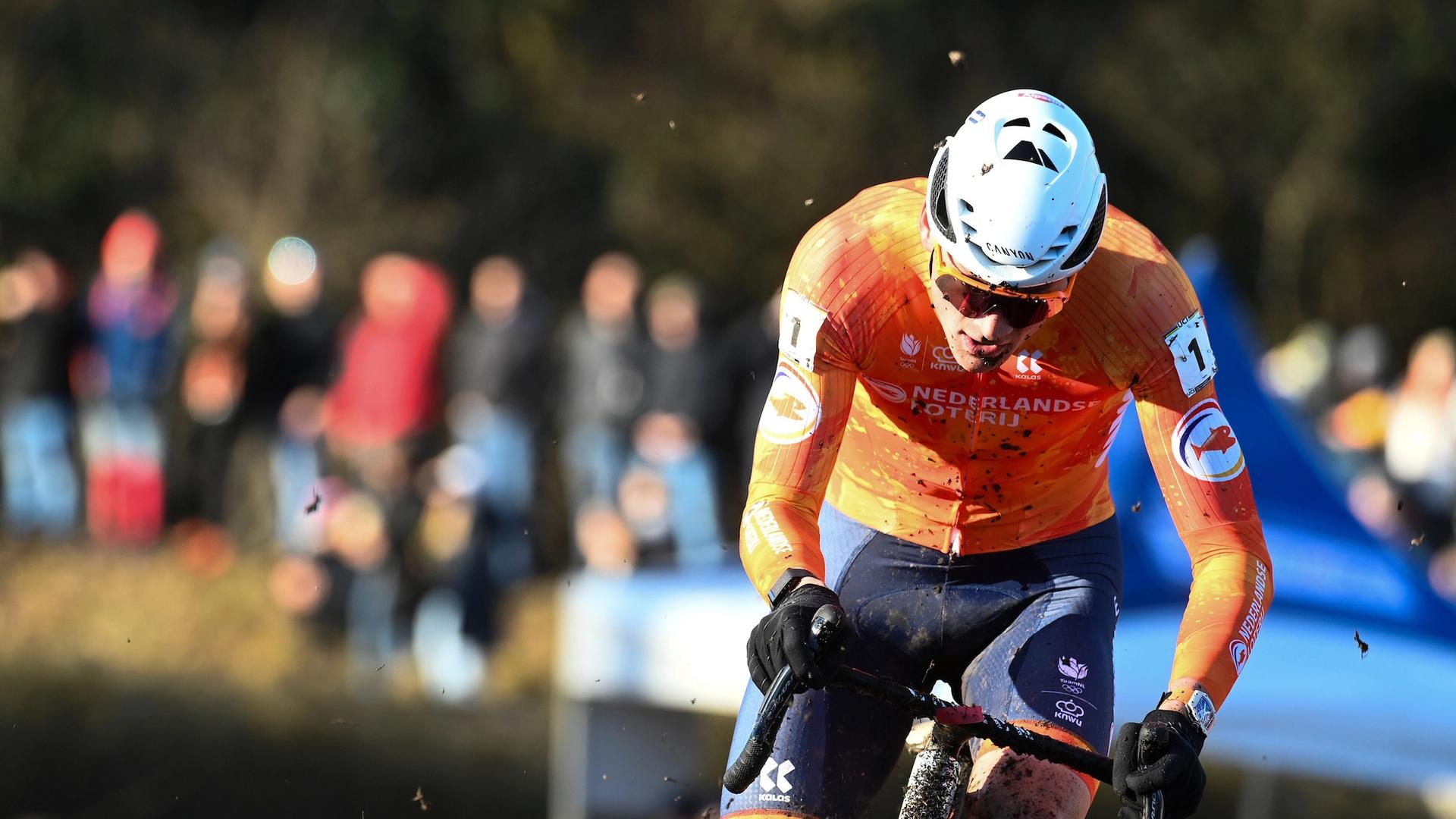
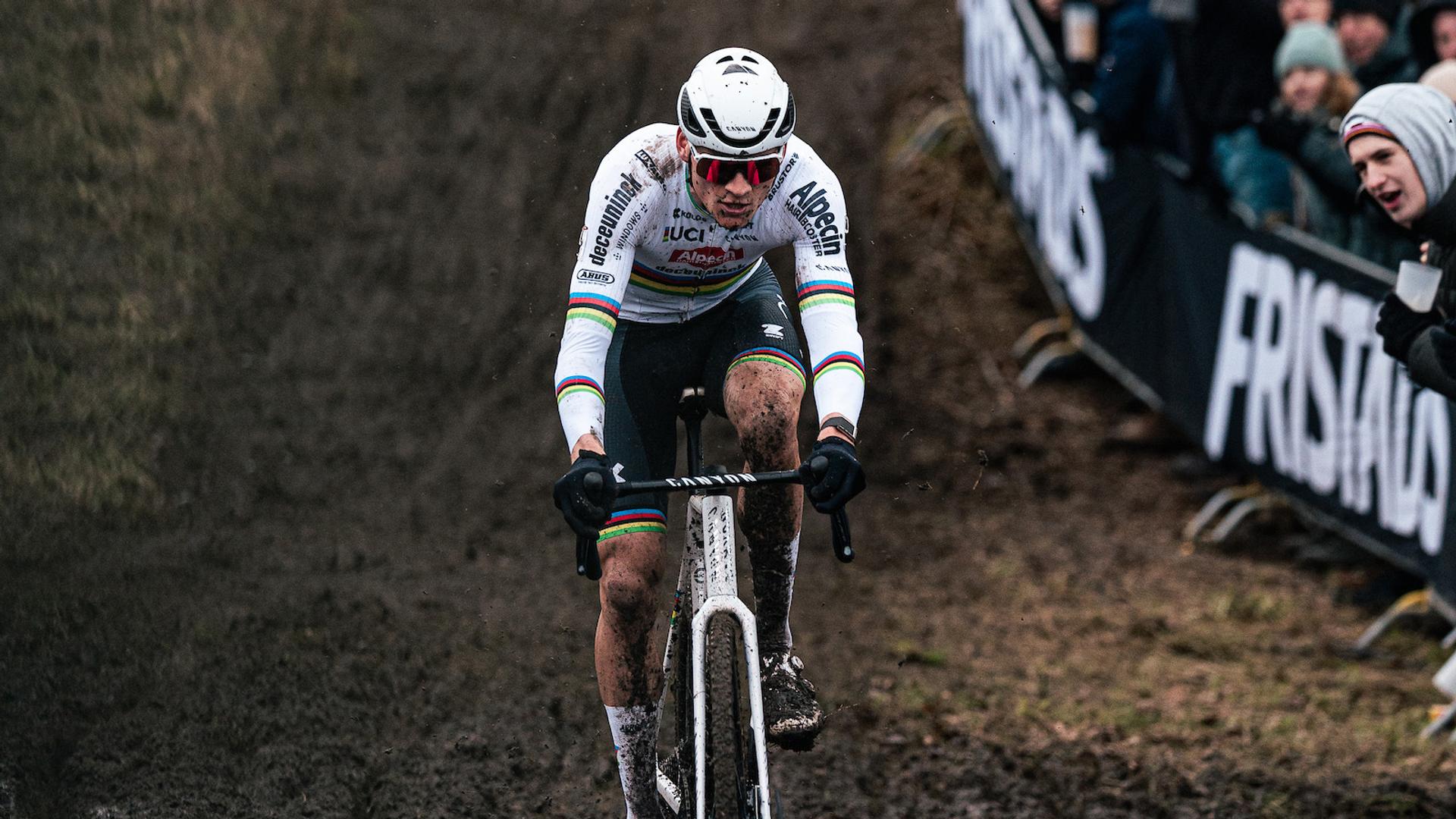
Mathieu van der Poel comes in as overwhelming favourite. The world champion opened his campaign with a decisive win at Namur. Antwerpen is effectively his home laboratory: nine wins here since 2014 underline how perfectly the course suits his ability to ride deep sand seated, float the bike over bridges and planks and repeatedly accelerate out of slow corners.
Wout van Aert makes his cyclocross debut for the season with an eight‑race schedule designed around his 2026 spring classics campaign. That changes his incentives: he needs workload more than results. He is unlikely to arrive with the same snap as Van der Poel, but his smoother pacing and ability to grind through heavy sand mean he should still be near the front once the chaos settles. If he is in contact with two laps to go, expect him to lean on the short climbs, where his repeat 10–15 second efforts can stress even Van der Poel.
The World Cup battle, though, is being defined by Thibau Nys. The Belgian leads the standings after early wins in Tábor and Flamanville and has been the most consistent of the “full-timers”. On a course this technical, Nys’ task is clear: survive Van der Poel’s inevitable mid‑race acceleration, then ride his own tempo rather than following every surge from Van Aert. A podium would be a big result for his overall ambitions.
Behind them, Terralba winner Michael Vanthourenhout – whose last‑lap sand move delivered victory on Sardinia’s coast Last-lap sand attack sees Michael Vanthourenhout take Terralba World Cup victory – and Laurens Sweeck are the obvious beneficiaries if the front trio overreach or crash. Both excel when attrition and precision trump raw talent.
Men’s prediction
Unless he makes an uncharacteristic technical error, Van der Poel should ride away through the beach section, wooden bridges and planks to an eighth Antwerpen win. Nys can out‑pace a still-building Van Aert over the full hour for second, with Van Aert completing the podium ahead of Vanthourenhout.
Women’s elite: Brand vs Van Alphen in a post‑van Empel landscape
The women’s race is reshaped by Fem van Empel’s absence. The world champion and three‑time defending Antwerpen winner halted her season after Koppenbergcross due to illness, opting for a training camp in Spain rather than racing the Christmas block. On a course she has previously dismantled, that leaves a rare power vacuum.
Into it steps Lucinda Brand. The Dutch rider has already turned this World Cup into a demonstration of control, winning three of her four rounds and most recently dominating Namur from the front. At Terralba she showed how she uses sand as a metronome, riding thresholds others can only match for a lap. Antwerpen’s longer, heavier beach map almost perfectly onto that profile.
World Cup leader Aniek van Alphen starts one point ahead of Brand and must ride the race inside the race. If she can hold Brand’s wheel through the first two sand passages each lap, she has the technical competence to limit losses.
Ceylin del Carmen Alvarado and Puck Pieterse add complexity. Both are still building form after delayed starts – Pieterse returned with a solid but unspectacular fourth at Namur – yet their explosive punch out of corners and comfort on rutted sand give them the tools to disrupt Brand’s rhythm. The risk for each is over‑committing early, then fading in the final 15 minutes when the course’s repeated accelerations start to cost.
Behind that quartet, Denise Betsema, Shirin van Anrooij, Leonie Bentveld and Inge van der Heijden form a strong second tier. Expect them to profit if the front group’s gamesmanship causes hesitation.
Women’s prediction
On current evidence, Brand is the rider most likely to turn Antwerpen into a war of attrition she alone can sustain. Van Alphen can do enough for second, while a smoother, slightly more race‑sharp Pieterse edges Alvarado for third.
Expect the sand to decide.