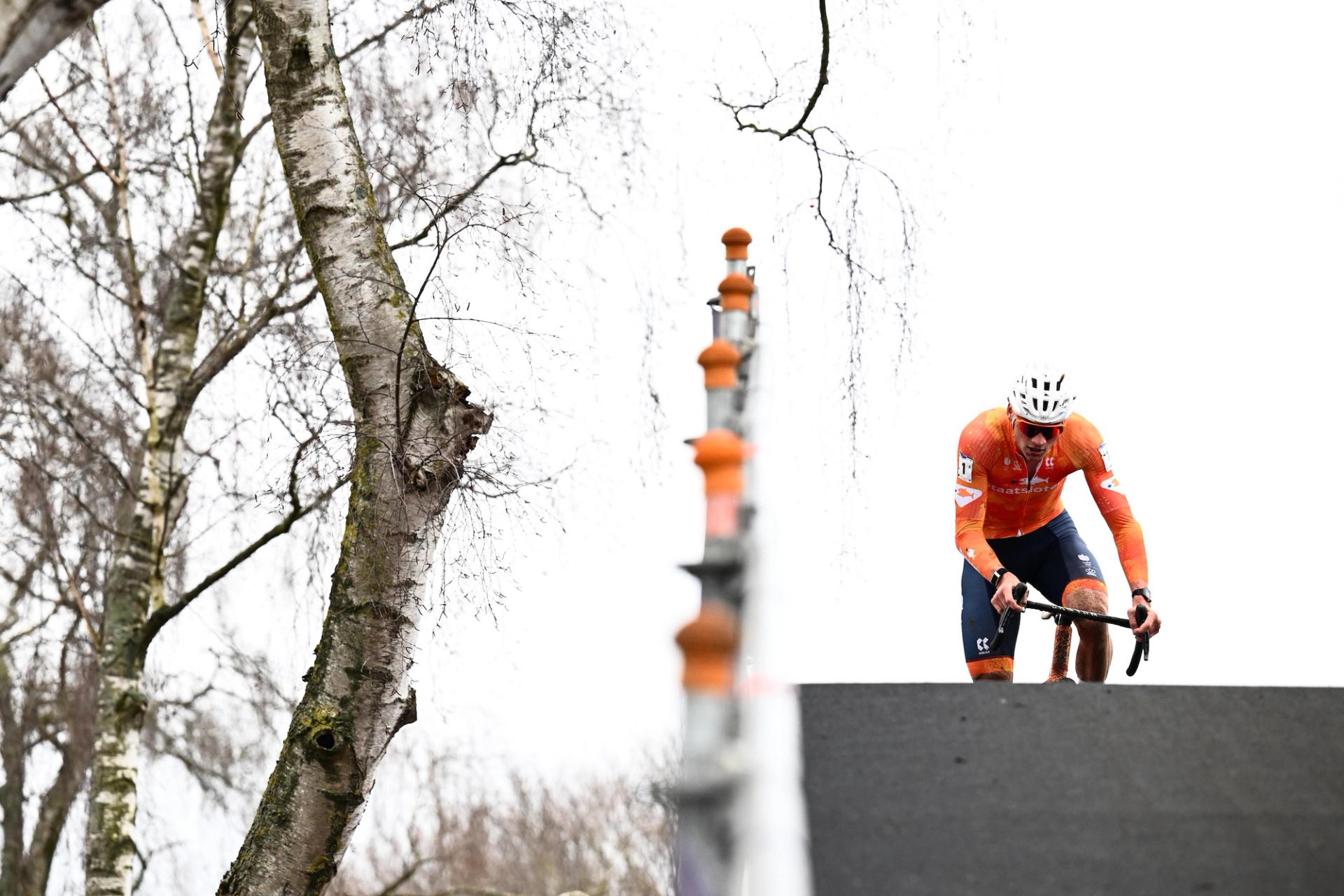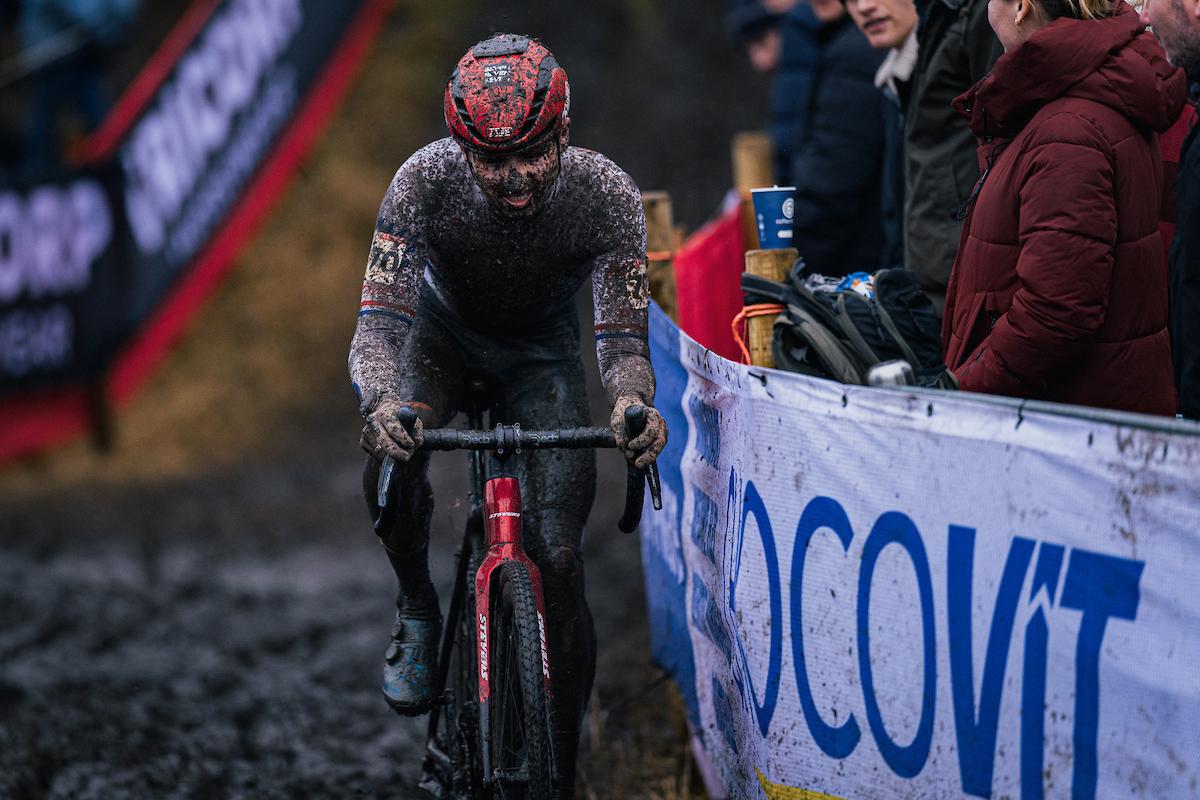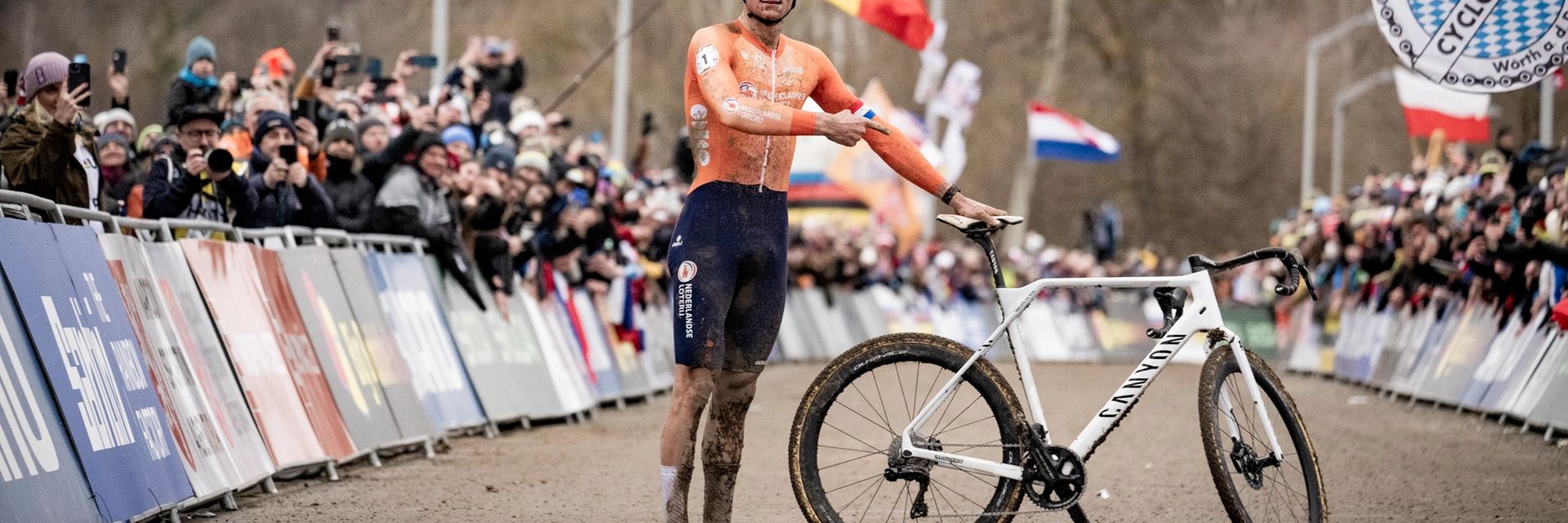
Canyon has declared its Inflite cyclocross platform the most successful single-generation race bike in modern cycling, citing 14 UCI World Championship titles and more than 60 individual World Cup victories accumulated since 2018 on a frame that has never been redesigned.
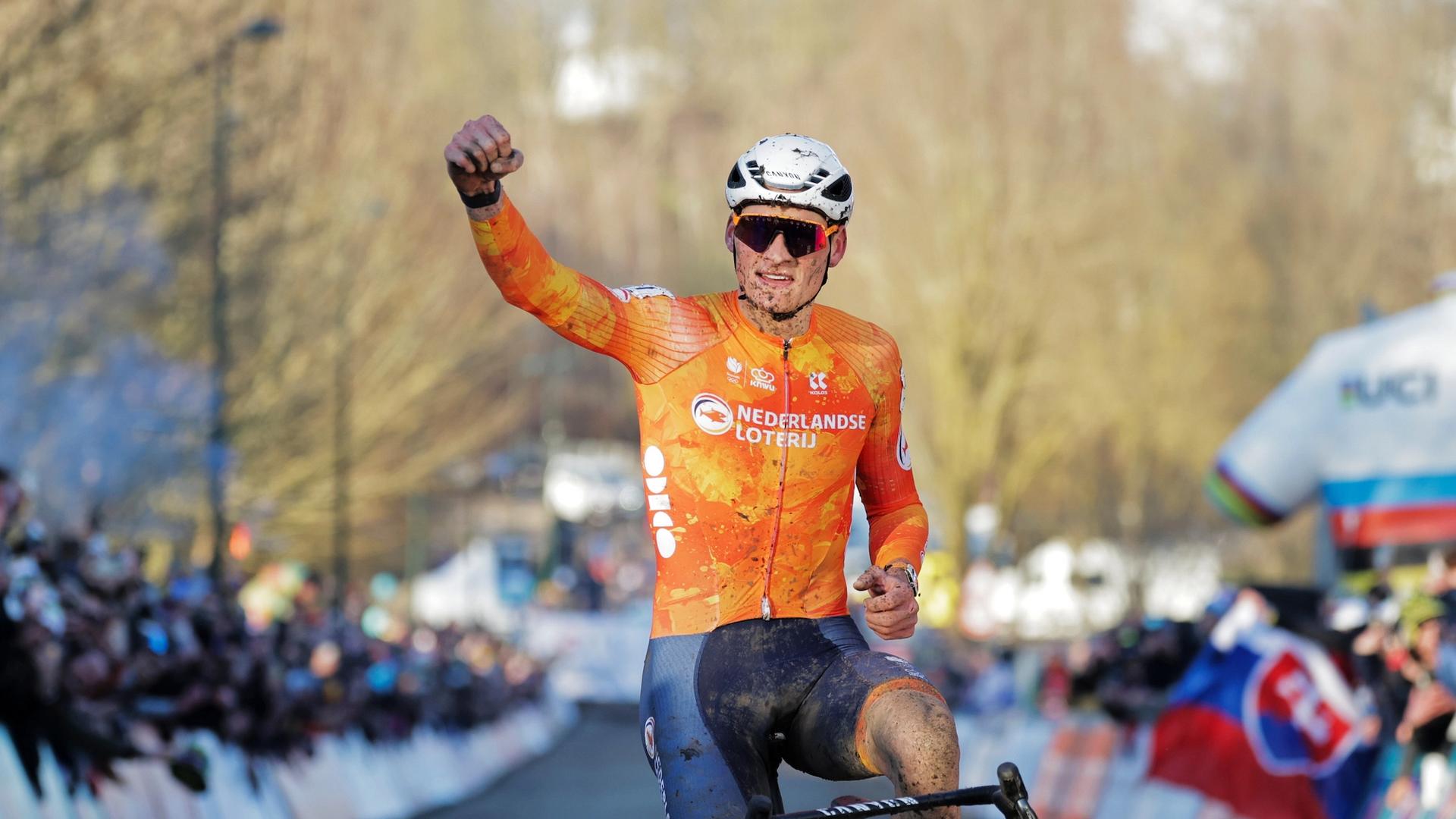
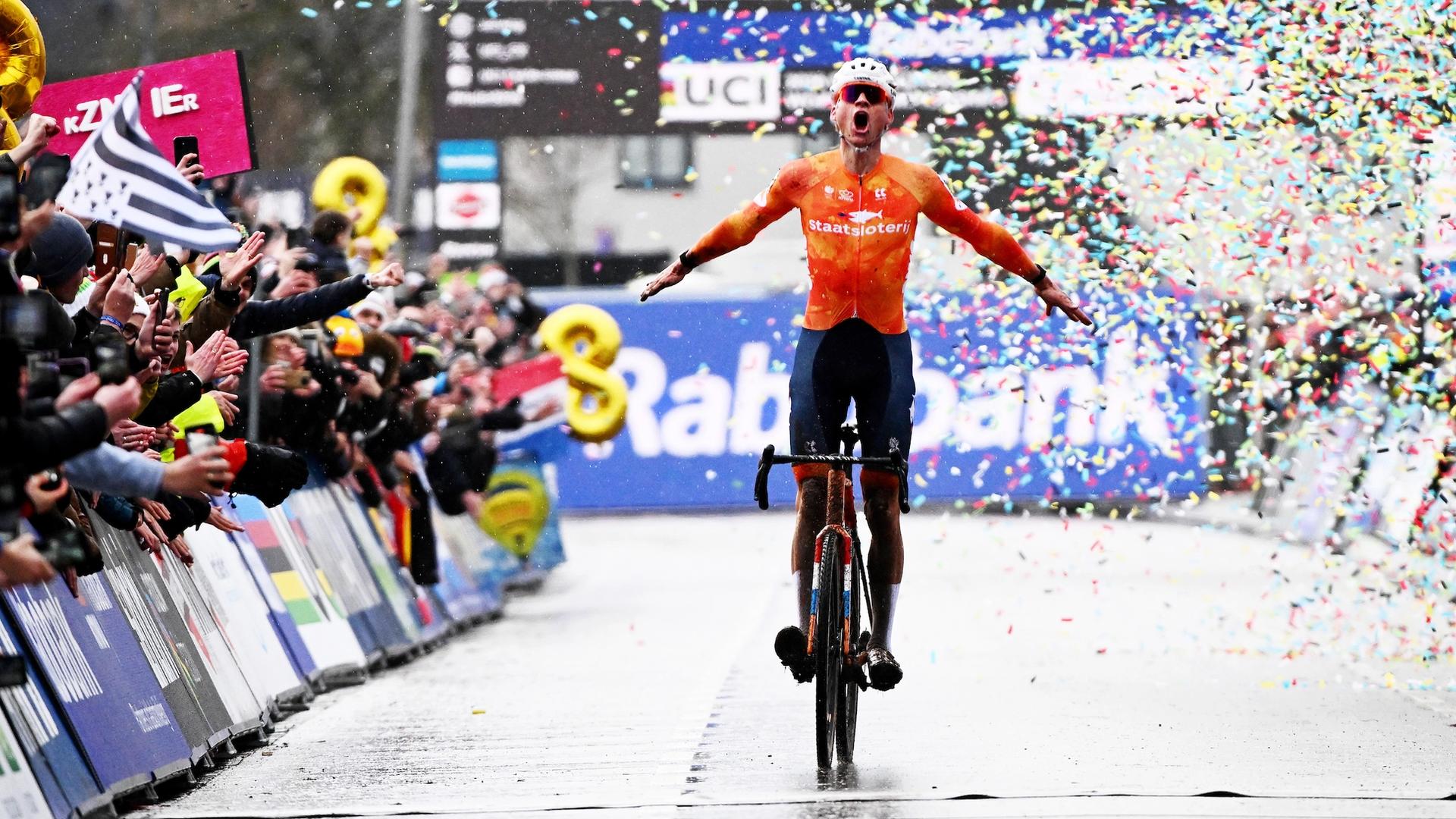
The claim, made following Mathieu van der Poel's (Alpecin-Deceuninck) eighth elite cyclocross world title at Hulst last weekend, positions a niche cyclocross machine ahead of more frequently updated road, MTB and gravel flagships when measured by total UCI wins over an eight-year span.
"The success of the bike is that it's not adapted from road or gravel, but born from cyclocross," said Julian Biefang, Canyon's former cyclocross product manager.
Platform consistency in an era of rapid turnover
While rivals such as Trek's Boone and Specialized's Crux have undergone multiple frame iterations since 2018 – and on the road side dynasty-like frames such as the Pinarello Dogma have hundreds of races but across dozens of iterations – the Inflite has remained fundamentally unchanged. Updates have been limited to components and specification, leaving the core geometry and carbon layup intact.
Canyon founder Roman Arnold addressed the decision to hold the platform steady: "Our engineering mindset is very German: we are always our fiercest critics, questioning the status quo." Yet the company concluded the original design required no fundamental revision.
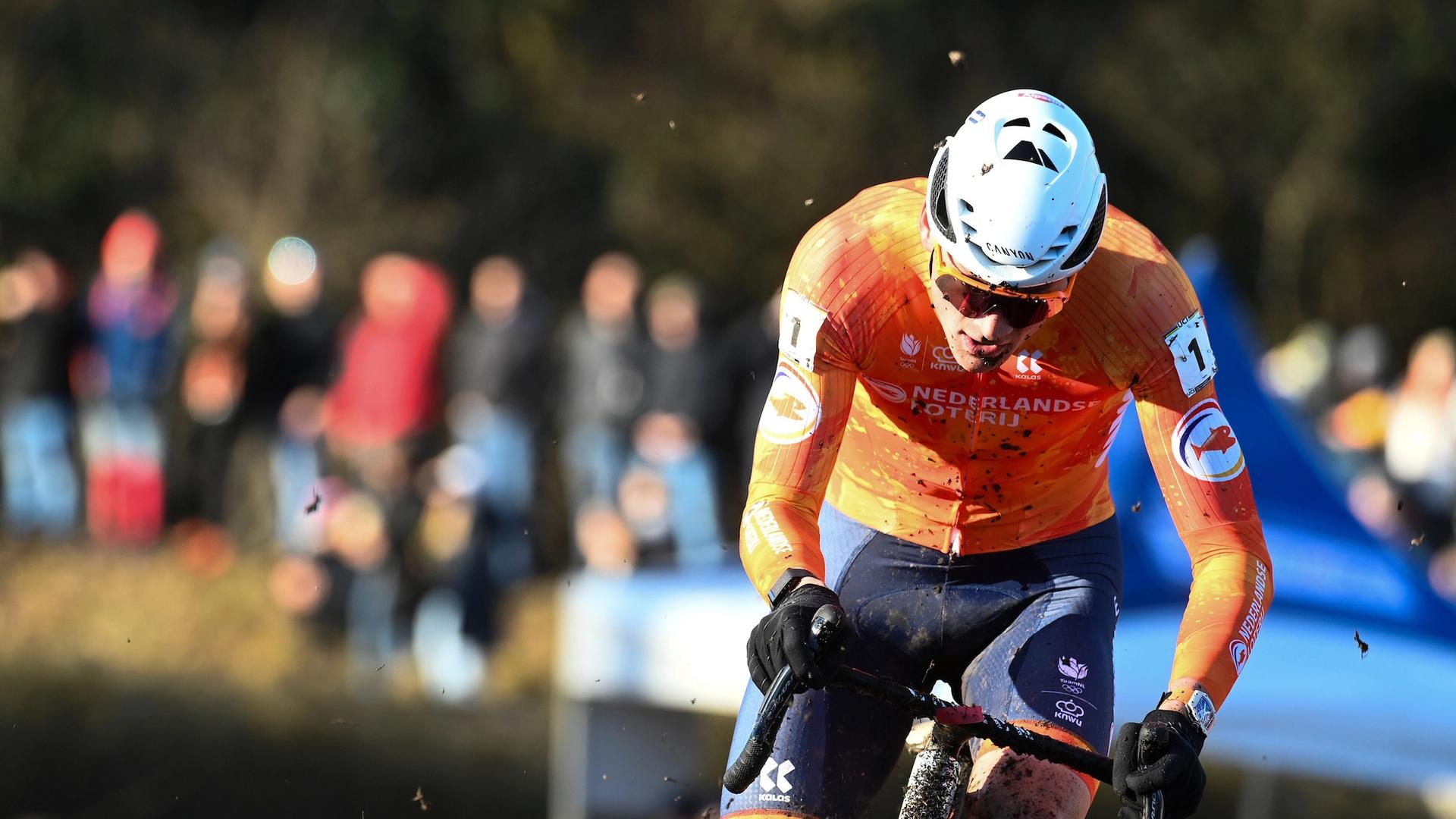
Canyon says the unchanged platform gives its sponsored riders consistent handling from season to season. Van der Poel, who debuted on the Inflite at Baal on New Year's Day 2018 and won immediately, described the advantage simply: "The handling of the bike is super predictable, that's what I really like about it."

Canyon says that consistency allows riders to develop intuitive responses to the bike's behaviour over multiple seasons, and argues this is important in a discipline where technical bike handling often determines results.
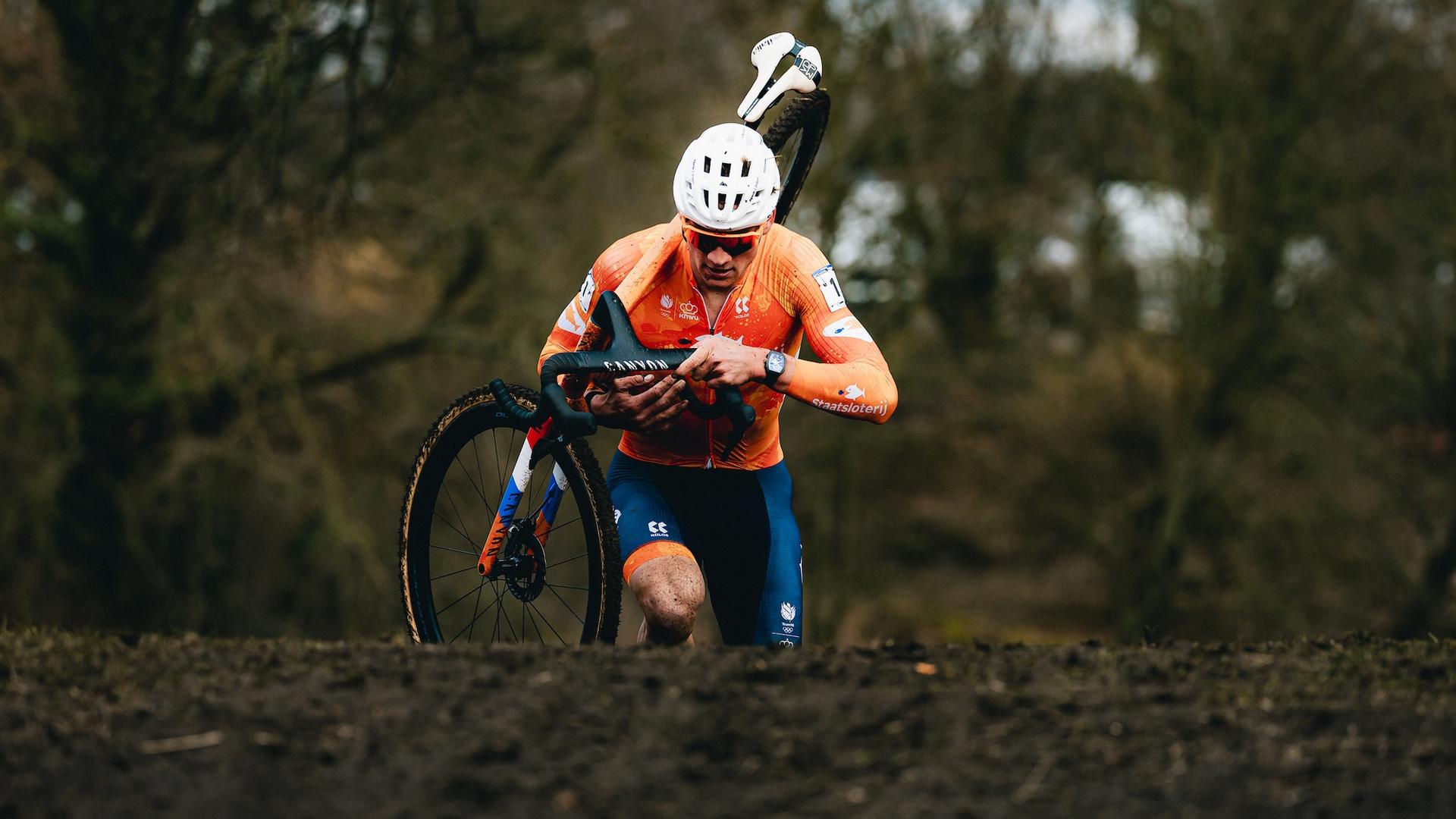
The Inflite’s signature feature is its kinked top tube, designed to improve shouldering efficiency during running sections while also exposing more seatpost.
Lukas Schuchnigg, Senior Engineer at Canyon, explained the design philosophy: "We really tried to think ultra-specific cyclocross. We knew we would risk being perceived as positioning the bike super niche, or nerdy, if you want. But we did it anyway."

The distribution of the Inflite's 14 world titles spans multiple categories: Van der Poel accounts for seven elite men's titles (2019, 2020, 2021, 2023, 2024, 2025, 2026), with Ceylin del Carmen Alvarado adding an elite women's title in 2020. U23 victories have come via Tibor Del Grosso, Aaron Dockx, Puck Pieterse and Zoe Bäckstedt.
The 2025/26 season produced the platform's strongest results. Van der Poel completed a perfect World Cup campaign - winning all seven that he entered in 2025-2026 – while the final World Cup round at Hoogerheide delivered a Canyon 1-2-3 with Van der Poel, Del Grosso and Niels Vandeputte.
With this year's cyclocross season mostly wound-down, we'll keep our eyes on whether Canyon will release a new Inflite or try to extend the 2018 frame's winning streak.