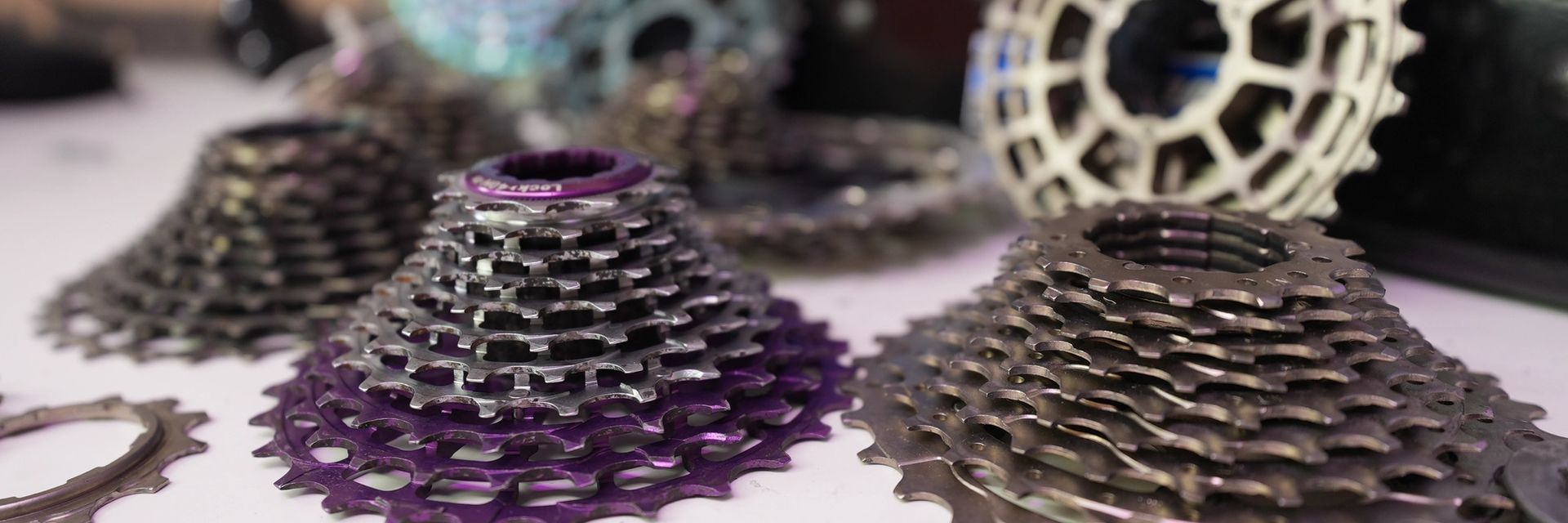
If you wanted a lightweight cassette in the early 2010s, you had two options: shell out for Dura-Ace or SRAM Red, or spend silly money with a boutique brand. The Chinese cycling parts market on AliExpress was no different – just basic stacked steel plates, pinned together in what one might charitably describe as an “agricultural” fashion.
The only real exception at the time was at the very top end. Shimano experimented with titanium for the largest sprockets on Dura-Ace, and there were a few boutique CNC options, Recon-Harry from Taiwan, for example, making one-piece machined steel cassettes. But those were £250–£350 items. Totally niche.
Fast forward to 2025, and you can pick up a 117-gram cassette for sixty quid – that’s around 30% lighter than the lightest Super Record cassette. The journey from there to here is a story of knockoffs, lawsuits, innovation, and the relentless Chinese manufacturing machine perfecting ideas faster than Western brands can patent them.
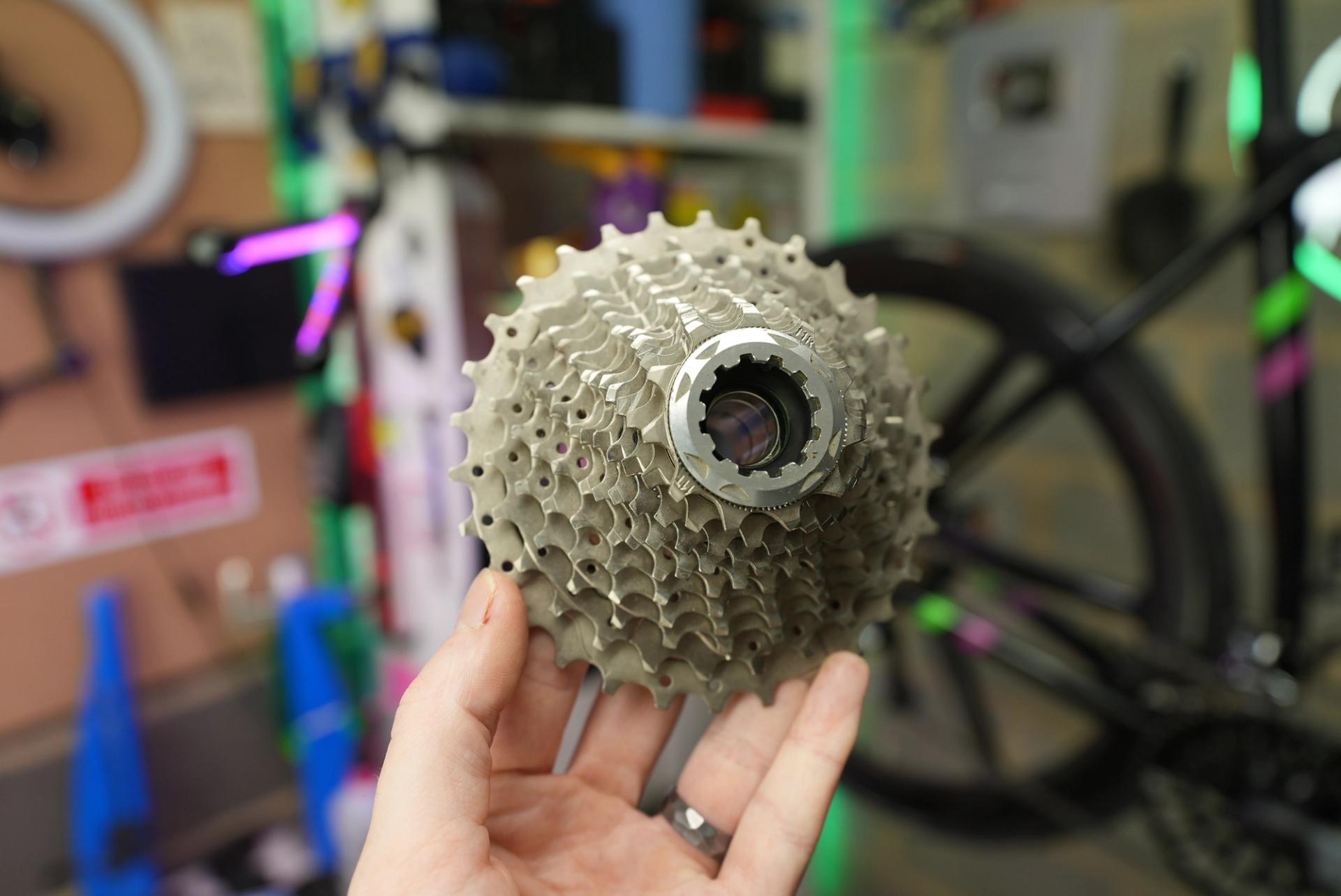
The early days of basic steel cassettes from Chinese manufacturers
The Dupe Era Begins: 2019–2020
The first interesting cassettes to appear on AliExpress were direct copies of a collaboration between Litebike and Token. The original featured the largest sprockets machined from a single block of aluminium, with standard stacked steel for the smaller cogs. The Litebike x Token retailed for around $180. The AliExpress versions started at $80-90, but as production ramped up, prices quickly dropped to about £35.
These early dupes came with compromises. The aluminium teeth were thicker than their steel equivalents, meaning your indexing had to be absolutely perfect or you’d get chain rubbing. That rubbing wore away the ramping on the cassette, and shifting deteriorated quickly. Durability was also an issue. Where a standard cassette might last 5,000 miles, these aluminium hybrids were good for about half that if you spent much time in the climbing gears.
The pinning wasn’t great either. They’d occasionally come apart on you mid-ride. But at 210 grams versus 260 for an equivalent 105 cassette, the weight savings were real, and the price was right.
Full CNC Monoblock: The SRAM Problem
The next evolution was full CNC monoblock cassettes – the entire cassette machined from chrome-moly steel as a single piece, apart from perhaps the 11-tooth sprocket. These were hybrids of the American Recon cassettes ($250-350) and SRAM’s XD technology.
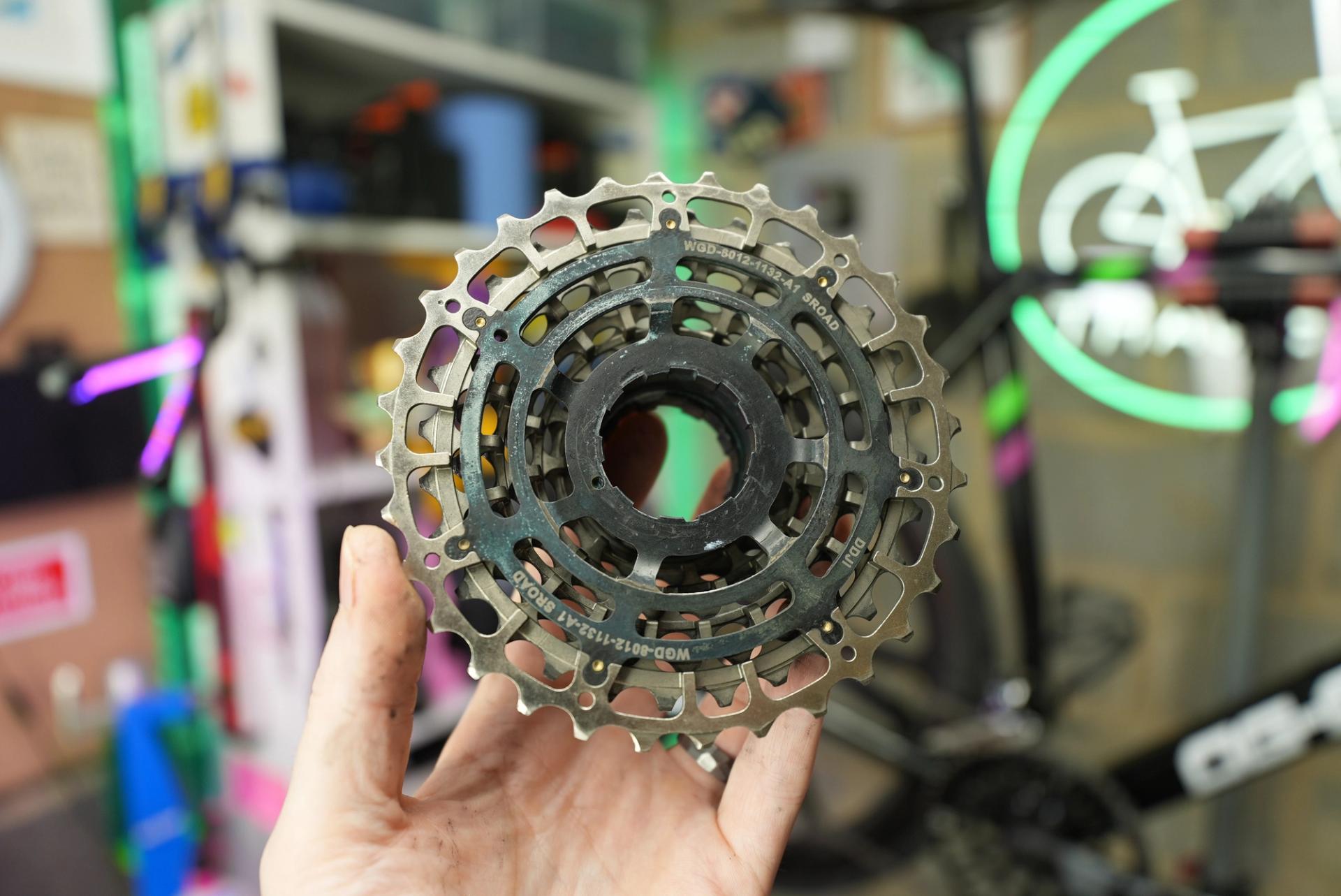
The ill-fated SROAD monoblock cassette
Weight dropped dramatically: 176 grams, down from 260. Prices started at £80-100 but fell to around £70. A brand called SROAD, made by JG Bike, was selling them on Amazon as well as AliExpress.
Then they disappeared. The likely culprit? SRAM. The cassettes were likely too close to SRAM’s proprietary X-Dome technology. But in classic Chinese manufacturing fashion, they later reappeared under a slightly tweaked brand name – the exact same product, meaning SRAM would have to start the legal process all over again to remove them from the market.
Enter ZTTO: Making It Affordable
If there’s one brand that defines the AliExpress cycling parts ecosystem, it’s ZTTO. Their business model is simple: take an idea and make it extremely affordable. Their CNC monoblock cassette came in at 199 grams – slightly heavier than the SROAD version – but at just £50. Same chrome-moly steel construction, same durability, fraction of the price.
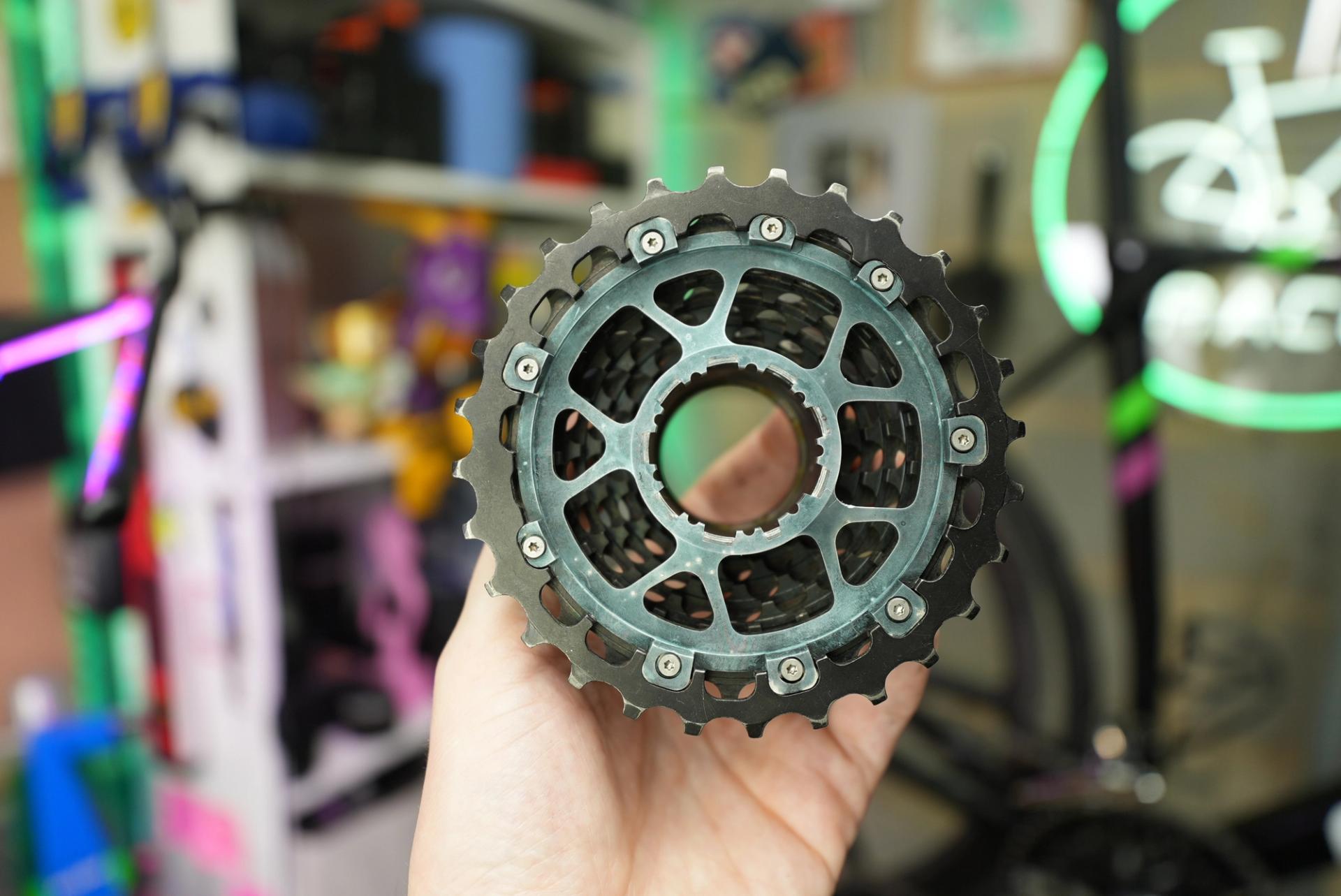
ZTTO's ULT Monoblock cassette had a longer commercial life that SROAD's
The Final Form: Aluminium Meets Steel
The logical conclusion arrived around 2023-2024. A Chinese brand called Incolour combined the two approaches: CNC aluminium for the larger sprockets, CNC monoblock steel for the smaller ones, bonded and pinned together. They debuted at about $200.
Within a year, the dupes arrived. A brand called RIRO was first to market with copies at around £110, dropping to £85. Weight: 146 grams.
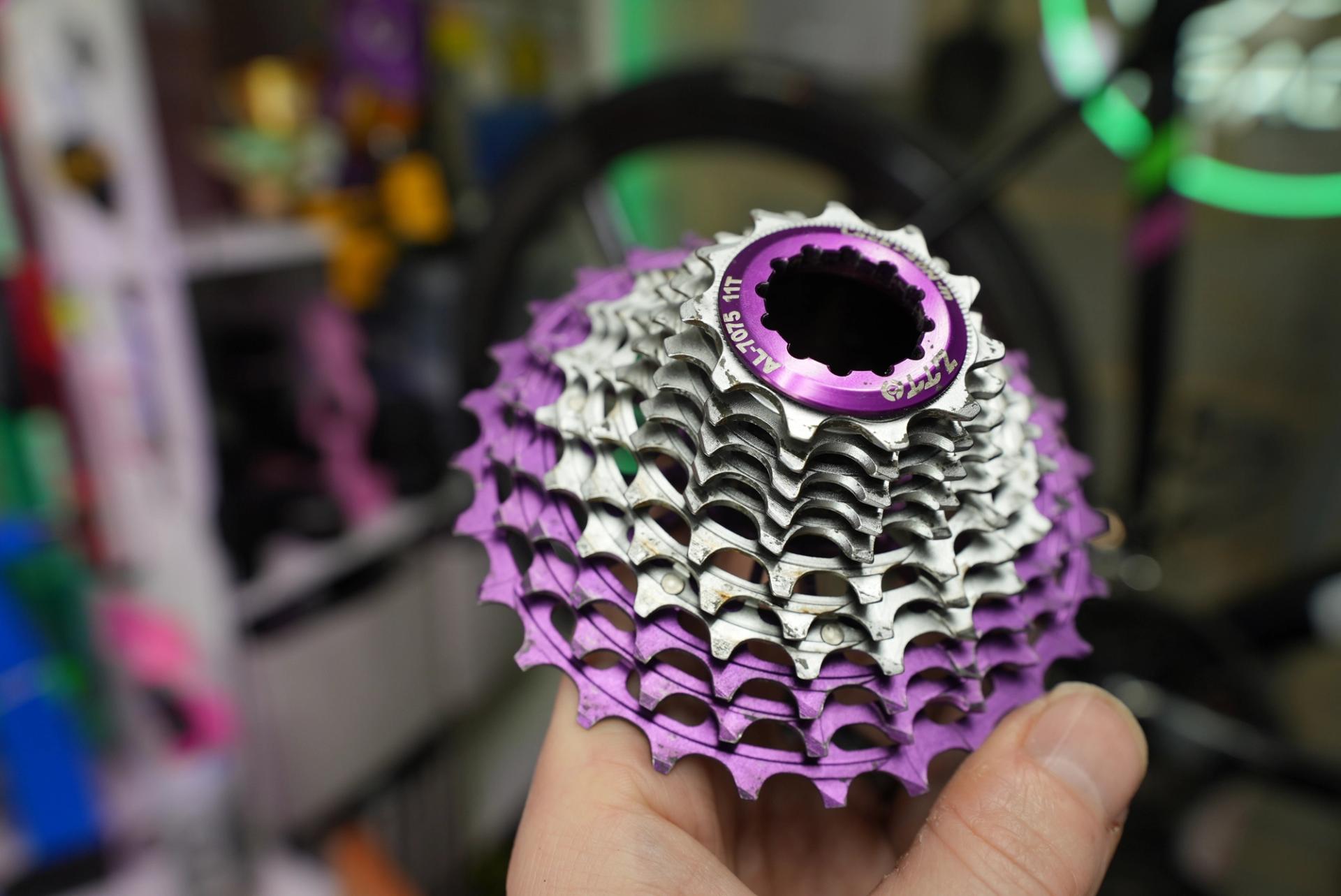
ZTTO's SLR Gen 3 is impressive visually as well as in engineering terms
Then ZTTO did what ZTTO does. Their version (SLR Gen3), hit the market at £60-65, weighing just 117 grams. That’s less than half the weight of a standard 105 cassette, for about a third of the price of Shimano’s top-end offering. In fact, they’re lighter than equivalent Campagnolo cassettes that cost nine times as much.
So What’s the Catch?
The shifting isn’t Hyperglide-level. Look closely at a Shimano cassette and you’ll see significant variation in tooth profiles, with ramping carefully engineered for each gear change. Shimano also uses heat treatment and nickel plating to increase durability, and reduce friction.
Most of the Chinese cassettes skip the extra plating step altogether, it adds to manufacturing cost, and the tooth profiling is quite basic in comparison – just small cutouts behind the teeth to help lift the chain during a downshift. It works, but it’s not as smooth, and if I’m honest, not as quiet either.
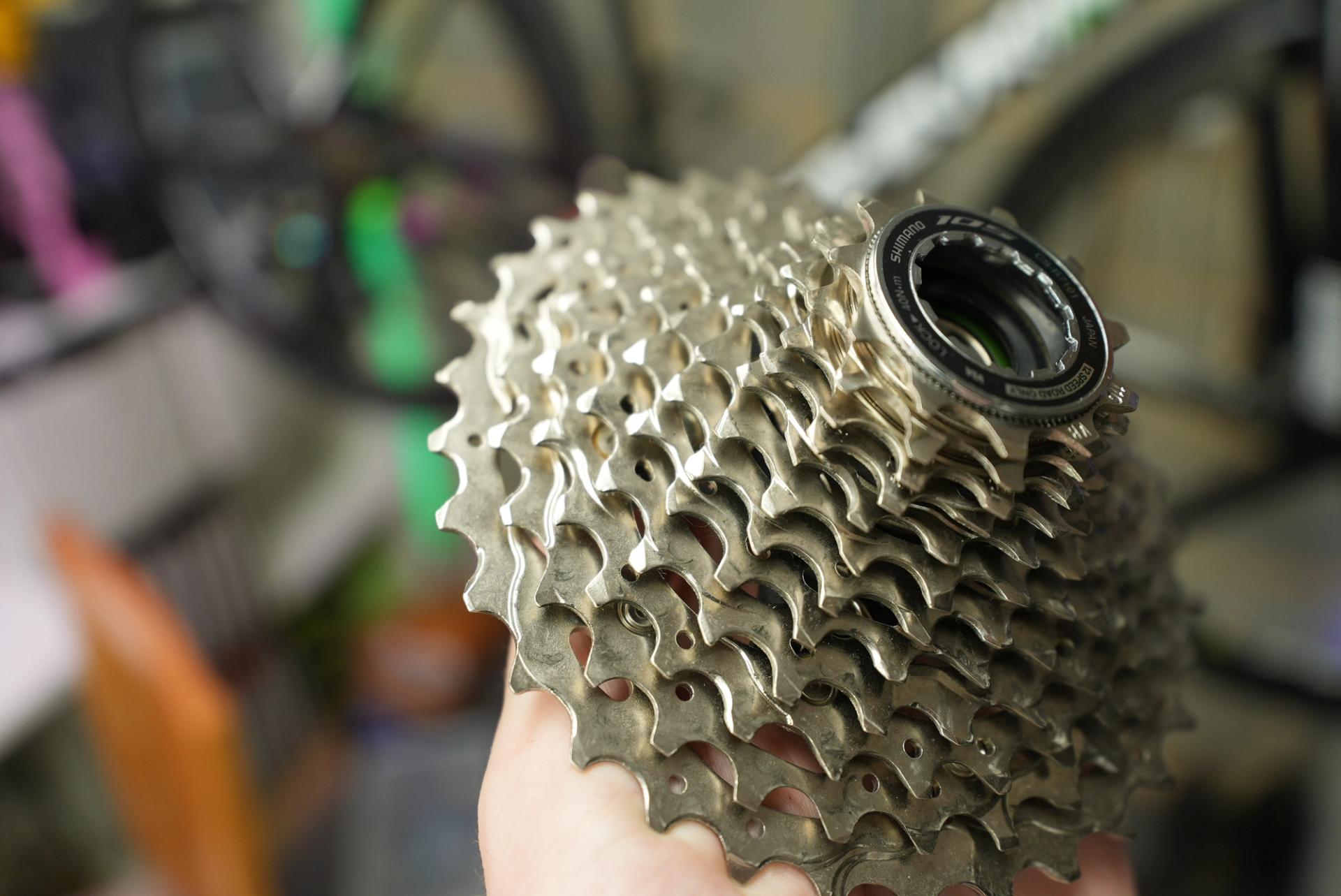
Shimano's Hyperglide technology, visible in this tooth design, separated them from the rest of the market
You also need to be conscious about your gearing. The top three sprockets are aluminium, so if you’re constantly in third gear, you’ll burn through them quickly. Use them for climbing and you’ll be fine. The chrome-moly steel section is rock solid.
There’s also the fettling factor. Shimano and SRAM groupsets work perfectly out of the box because everything’s designed within one ecosystem. When you’re running a cassette from one manufacturer, a chain from another, and a derailleur from a third, you’ll need to put in some work to get everything playing nicely together.
The Bigger Picture
This evolution mirrors trends across the entire AliExpress cycling ecosystem. Pedals have gone from basic cast aluminium SPD clones to full carbon with titanium axles – lighter than Dura-Ace, for £40. Wheels, frames, cranksets – the pattern repeats.
The rise of “prosumer” cycling – amateur riders who care deeply about weight and performance – has driven demand for lightweight components at accessible prices. The Chinese market has responded with remarkable speed, moving from basic dupes to genuinely innovative products in just a few years.
Brands like ZTTO and Z-Race started out producing cheap knockoffs, but they’ve now developed their own technologies in-house. They’re not just copying anymore – they’re innovating.
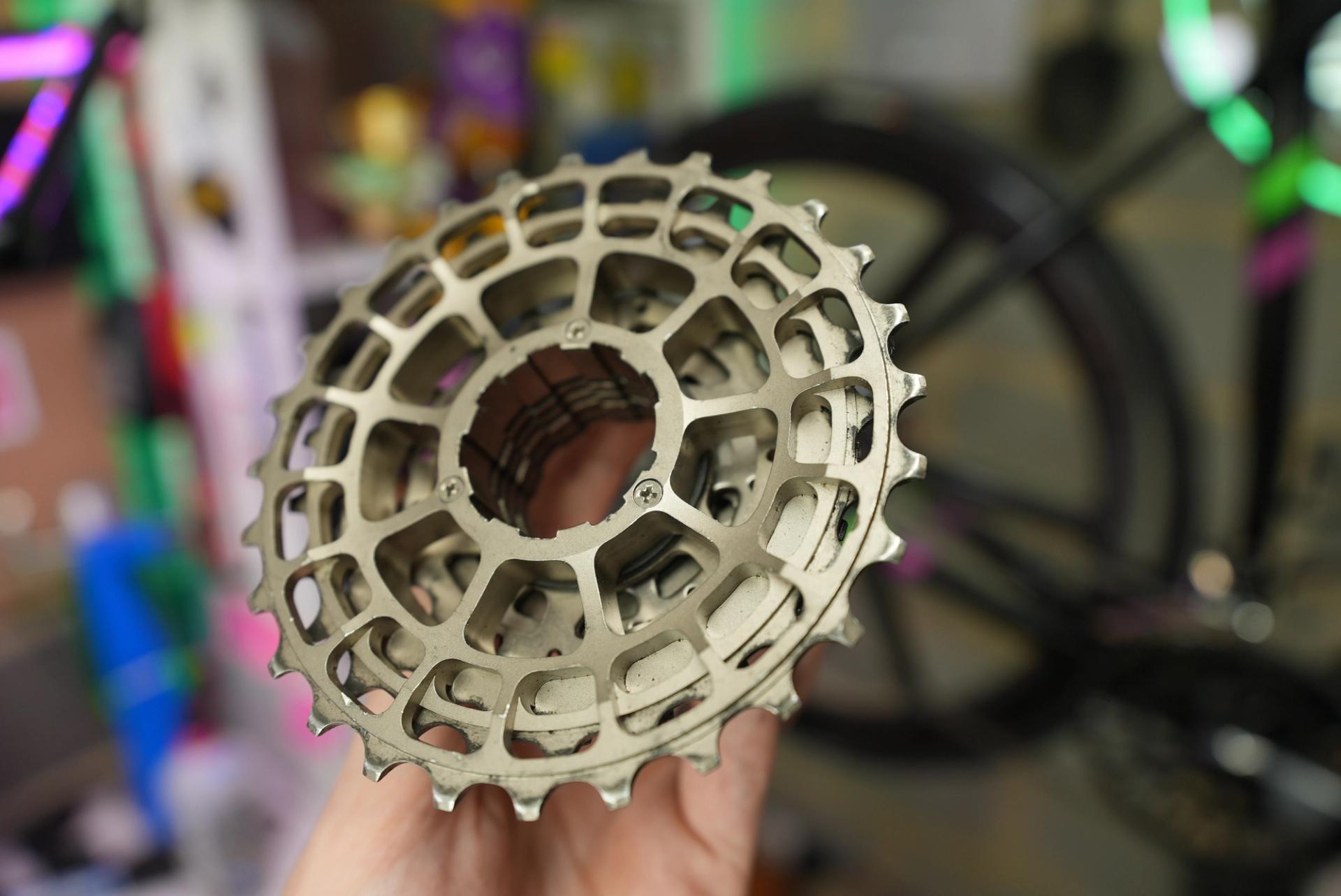
The ZTTO Ultralight cassette has stripped the material down to the absolute essentials
The Patent Question
Could you legally sell these cassettes in the UK? Almost certainly not. SRAM and Shimano spend millions every year hoarding patents, and they’d come after any distributor immediately. But suing manufacturers in China is expensive and largely futile – as SROAD demonstrated by simply rebranding and continuing production – it was rumoured that they received cease-and-desist. For better or worse, that frees up innovation and lowers costs for Chinese brands.
Meanwhile, Western brands continue to make compromises dictated by patent law. Campagnolo’s new Super Record Wireless was forced to use different batteries for the front and rear derailleurs to sidestep SRAM’s patents on interchangeable power sources. L-Twoo couldn’t put an indicator light on the outside of their shifters because SRAM owns that one. This is the patent system stifling innovation while many smaller Chinese manufacturers simply ignore it.
Price Normalisation or Race to the Bottom?
There’s an argument that what we’re seeing is simply price normalisation in an industry that’s been wildly overpriced for decades. An entire motorbike costs less than some high-end road bike groupsets.
The Campagnolo Super Record cassette alone costs €620 (£535). That’s for what is, ultimately, a consumable part – you’ll get maybe two or three chains out of it before it needs replacing. The ZTTO equivalent is lighter and one ninth the cost.
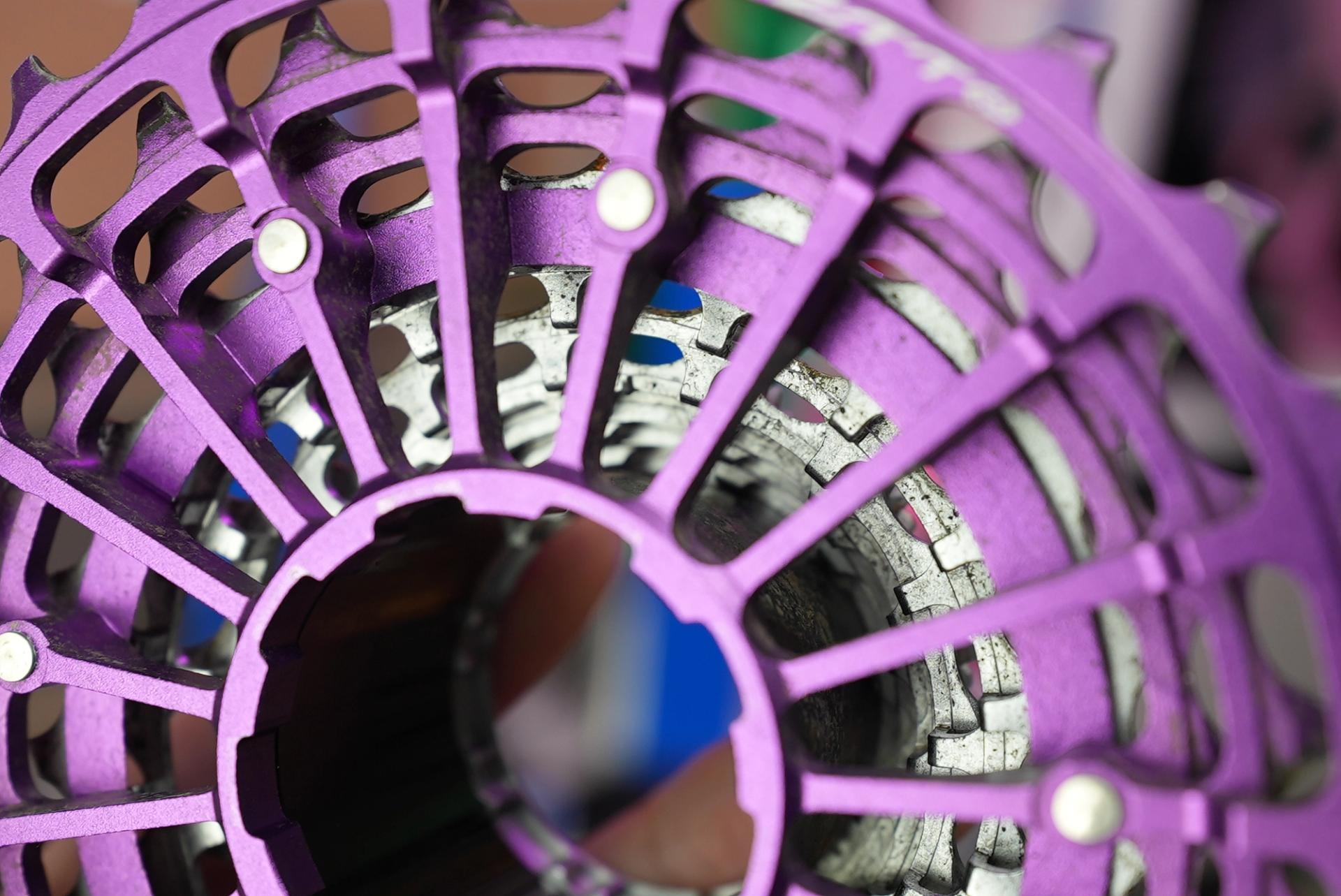
The underside of ZTTO's SLR Gen 3 shows impressive engineering and CNC work
Competition from Chinese manufacturers has already driven prices down for Western brand. A 105 R7000 mechanical groupset that cost £750 in 2022 now sells for £400-450. Some of that is the cost of living crisis; some of it is consumers realising they have alternatives.
Where Do Cassettes Go From Here?
Looking at a 117-gram cassette with 7075 aluminium climbing gears and CNC Chromoly steel everywhere else, it’s hard to see where the weight savings can come from next. They’ve already removed virtually all the material they can. Full aluminium would be the only option, and that brings durability issues.
What’s clear is that the old model – boutique brands and big manufacturers controlling the market through patents and premium pricing – is being disrupted. For riders who don’t need Hyperglide-perfect shifting and are willing to do some fettling, there’s never been a better time to build a lightweight bike on a budget.
And if you’re sticking with 11-speed, this is the sweet spot: cheap cassettes, interchangeable chains between Shimano and SRAM, and a mature ecosystem of affordable components. Once you go to 12-speed, everything gets more expensive and less compatible.
The satisfaction of pulling up to Richmond Park on a bike you built yourself, comparable in material and weight to the £10,000 machines around you but at a quarter of the cost? That’s what this whole scene is about.
Luke Wilkinson runs Trace Velo, a YouTube channel dedicated cycling, tech and the most interesting new products from China which you can follow here.