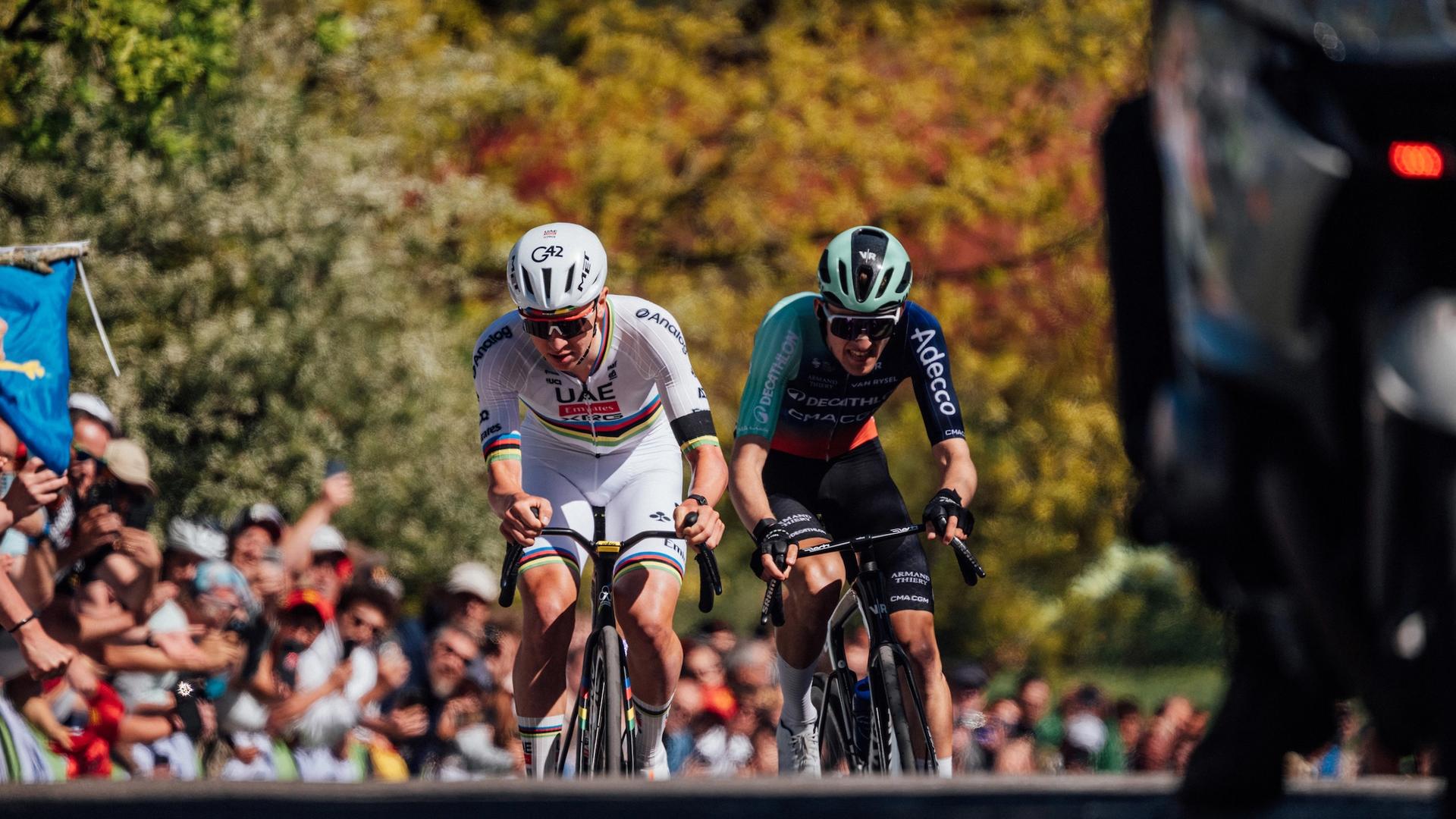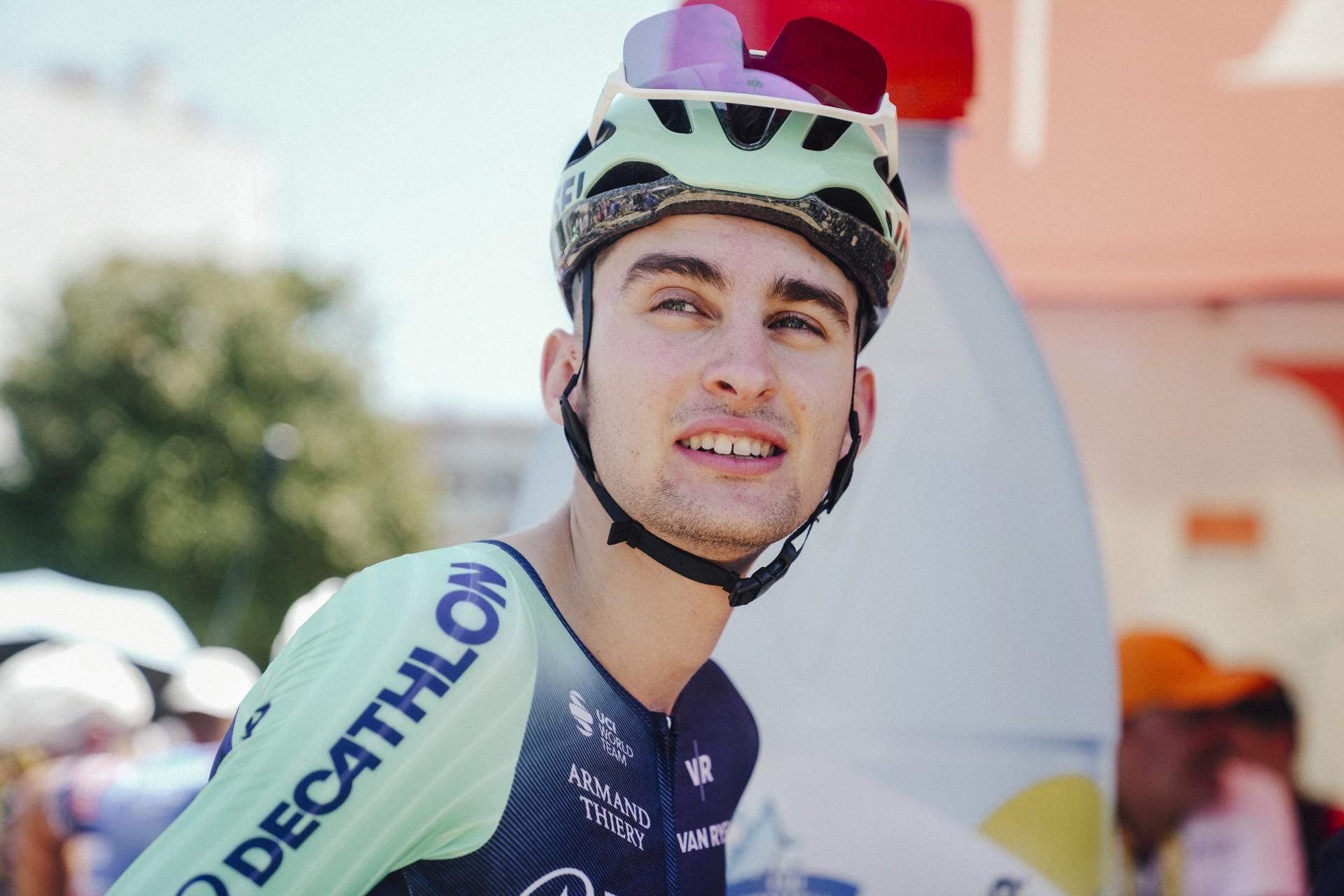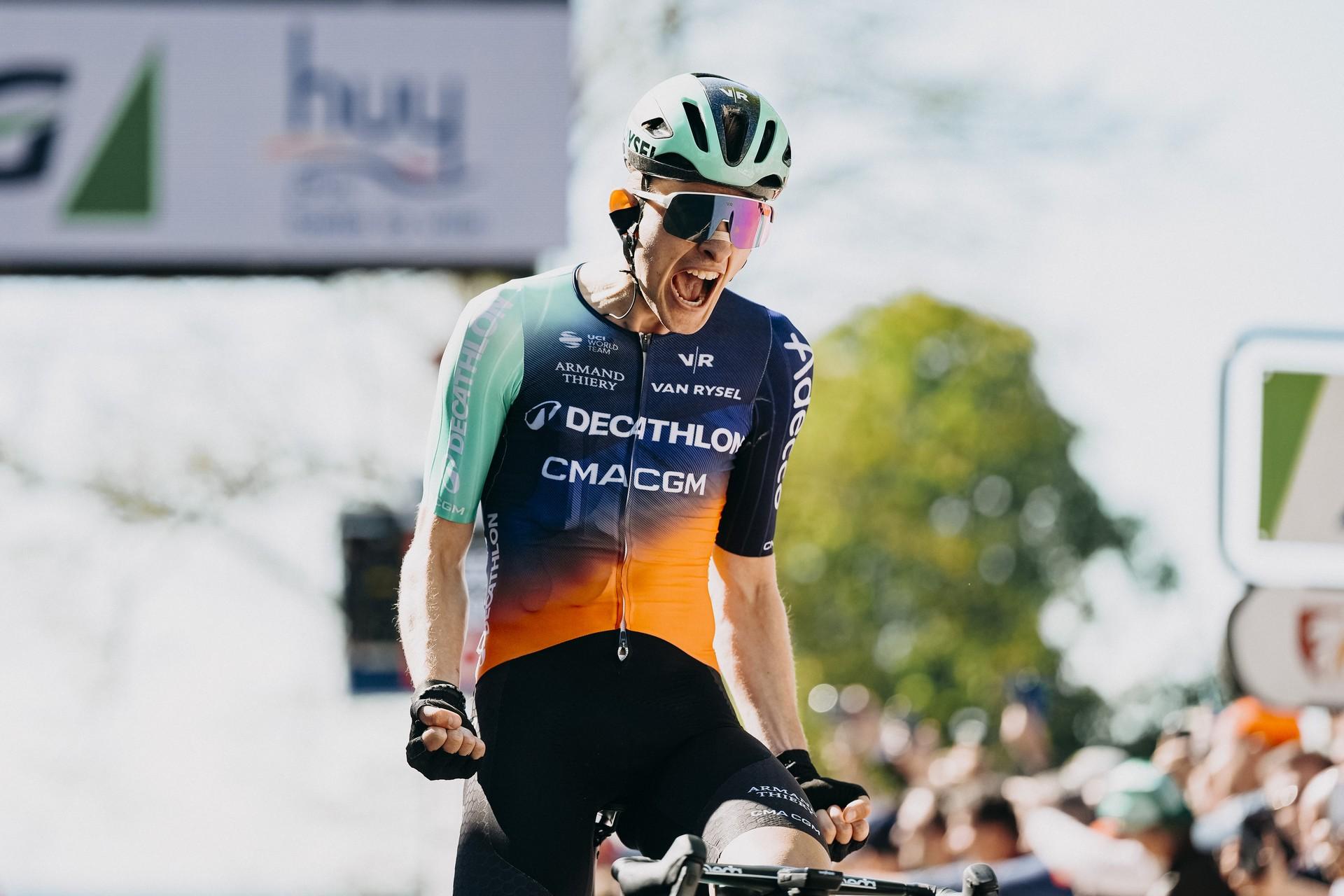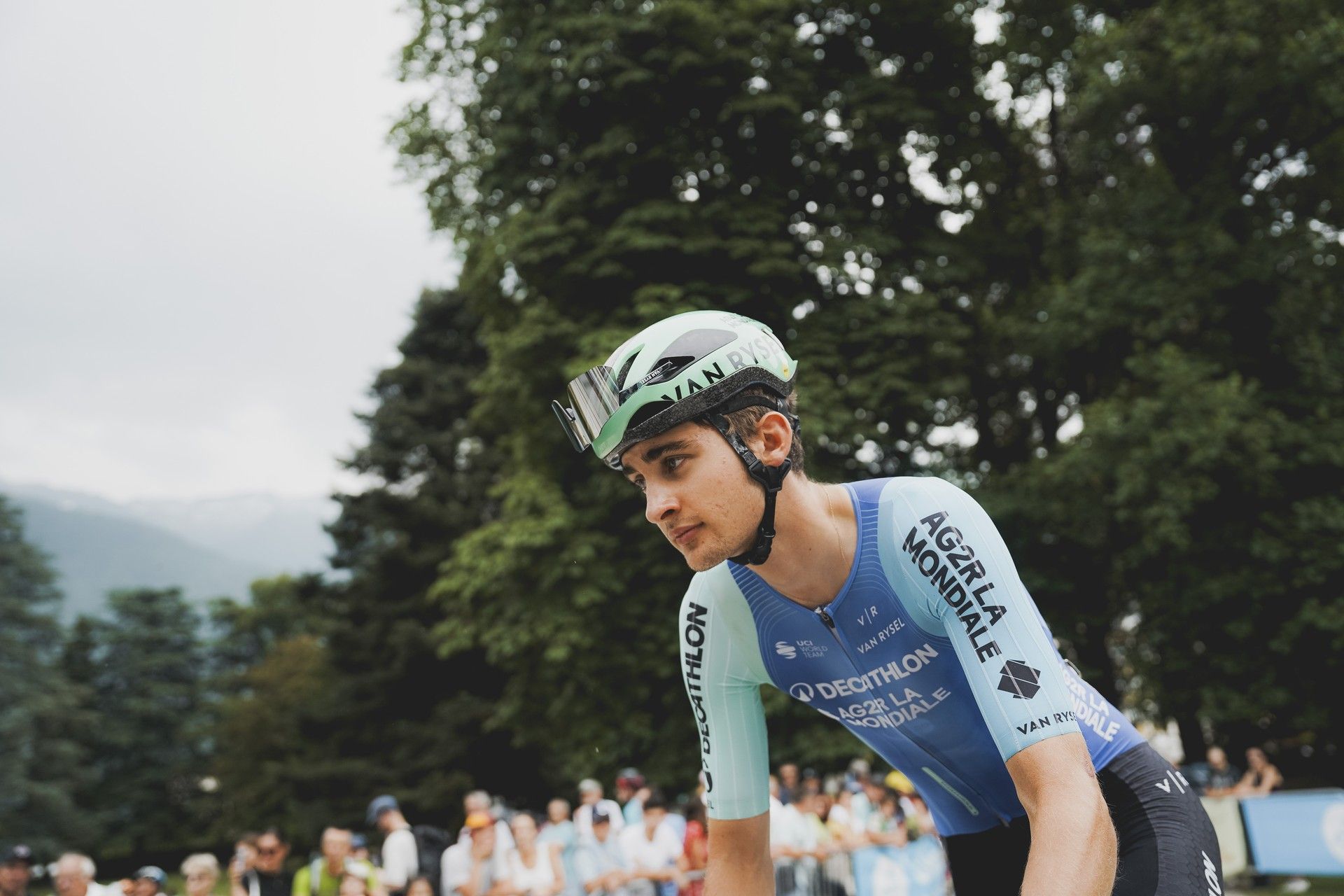
Nineteen-year-old Paul Seixas (Decathlon-CMA CGM) will open his 2026 season with a slate of races that would intimidate many established leaders, targeting Strade Bianche and Liège-Bastogne-Liège as he accelerates his rise from wonderkid to fully fledged Monument contender. His Grand Tour debut, possibly at the Tour de France, remains officially undecided.
The outline of his early campaign, revealed via La Provence on Thursday, starts with a high-altitude training camp in Sierra Nevada from 26 January to 14 February. His first race will be the Volta ao Algarve in Portugal from 18 to 22 February, followed by the Faun-Ardèche Classic on 28 February.
From there, the level spikes sharply. Seixas will tackle Strade Bianche on 7 March, before heading into a climbing block built around Itzulia Basque Country from 6 to 11 April, and then the Ardennes Classics: Flèche Wallonne on 22 April and Liège-Bastogne-Liège on 26 April.
Monuments now, Tour later
For a rider who was racing juniors only two seasons ago, it is a bold programme. Yet it tracks neatly with the trajectory he set in 2025, when he won the Tour de l'Avenir, took bronze at the European Championships behind Tadej Pogačar and Remco Evenepoel, finished just outside the top ten at the World Championships in Rwanda, and placed seventh in Il Lombardia, becoming the youngest Monument top-ten finisher in more than a century.
If Lombardia was the teaser, 2026 looks like the feature film. Strade Bianche will be only his second Monument start, a brutal test of bike handling and climbing legs on the Tuscan sterrato. Seven weeks later comes Liège, the race he won as a junior in 2024 and the one that seems almost purpose-built for his punchy climbing style.
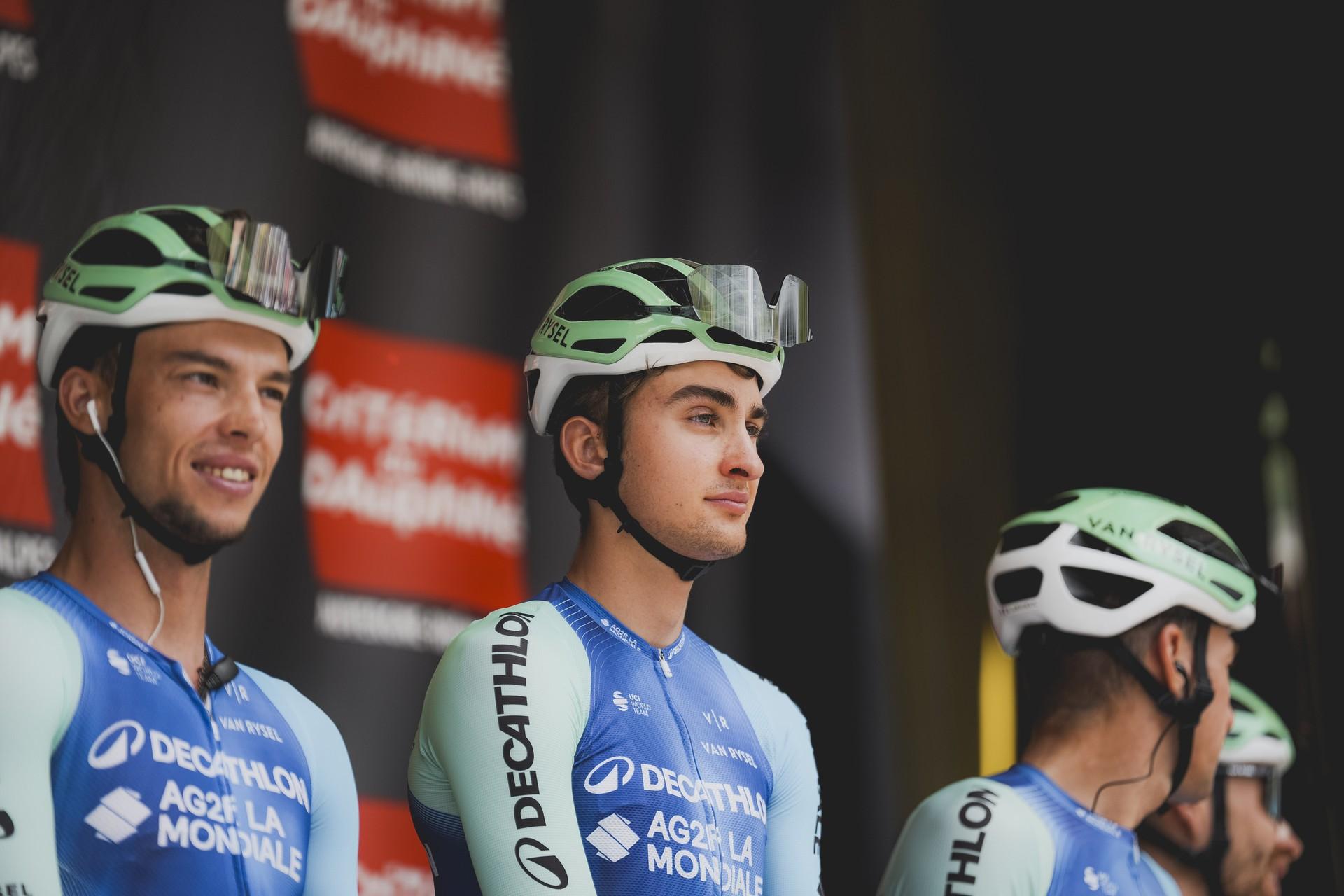
Decathlon-CMA CGM, rebadged from AG2R and rebuilt around its homegrown prodigy, has made little secret of its ambition. The project to turn Seixas into a Tour winner by 2030 is now the central axis of the team. The 2026 calendar, shaped with the performance staff, is a clear attempt to sharpen his weapons in week-long stage races and hilly Classics before exposing him to the three-week furnace.
Seixas himself has tried to keep the lid on the hype. Speaking to L'Équipe earlier this autumn, he called winning the Tour de France his “biggest dream”, but immediately stressed the need to stay rational about his path.
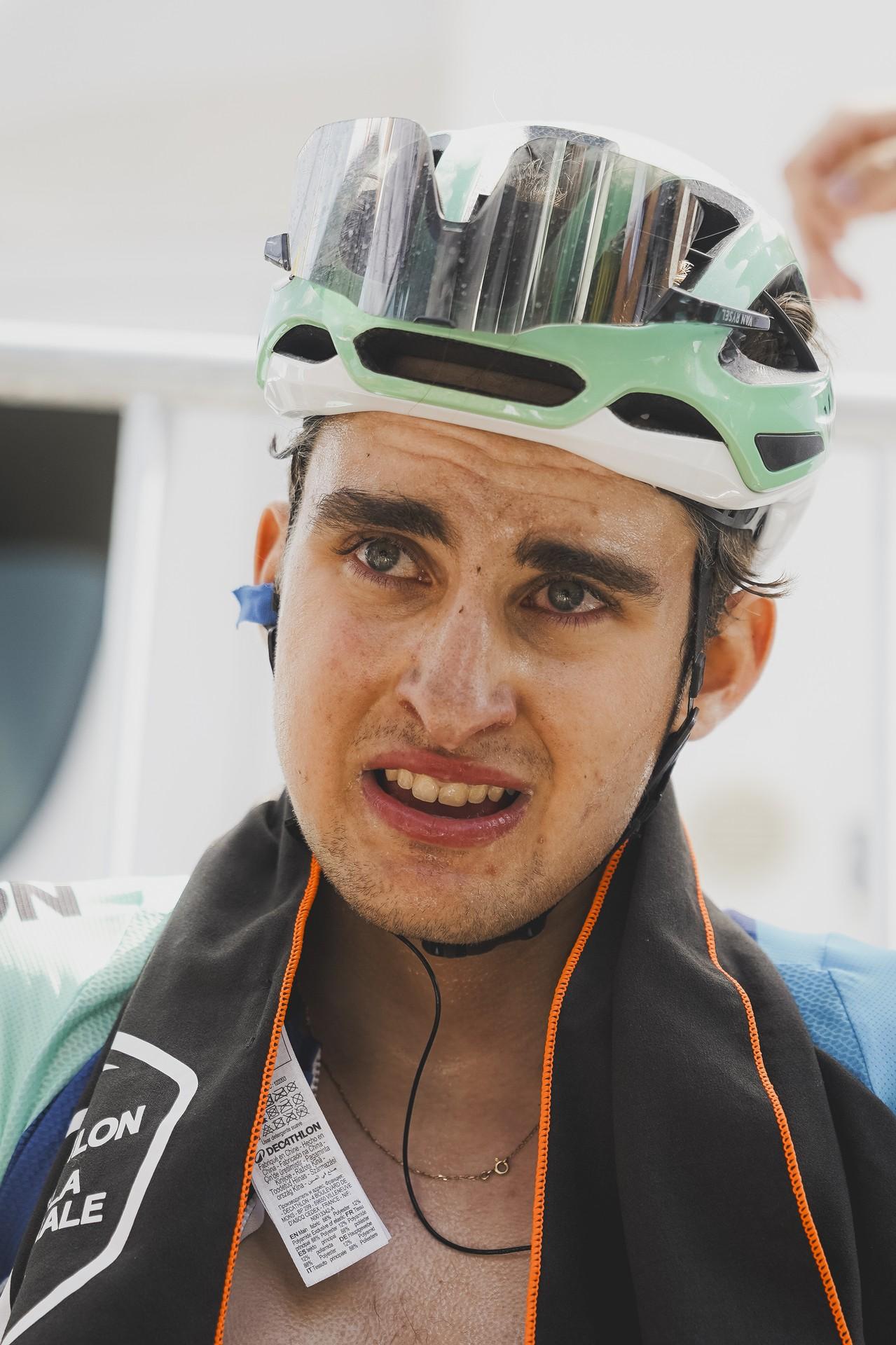
That tension between dream and design will define the next step. Performance director Jean-Baptiste Quiclet has already floated that “all scenarios are possible” in an interview with L'Equipe, from skipping a Grand Tour entirely in 2026 to a debut at the Giro, Tour or Vuelta, depending on how the calendar and Seixas’s development align.
The external pull towards the Tour is powerful. Christian Prudhomme has publicly welcomed Seixas “whenever he wants” to his race, and every French result is still seen through the prism of Hinault’s shadow. In a peloton obsessed with the next big thing, Seixas is already discussed as the ‘new Hinault’ in the same breath as Isaac Del Toro is framed as a ‘new Pogačar’, something the Slovenian himself pushed back against in recent comparisons with Del Toro.
Against a landscape dominated by Pogačar and Evenepoel, Seixas’s 2026 schedule is both ambitious and pragmatic. Algarve and Itzulia will refine his stage-race instincts. Strade, Flèche and Liège will test his repeatability on steep efforts akin to the Mur de Huy and La Redoute, climbs that could one day decide yellow.
The calendar is set, the expectations are loud, but the real verdict will come on white roads and Ardennes ramps. If Seixas is still in the front groups in Tuscany and Liège, France’s Tour de France dreams will only grow louder, whether he lines up in Barcelona next July or keeps the biggest stage for a year further down the road.