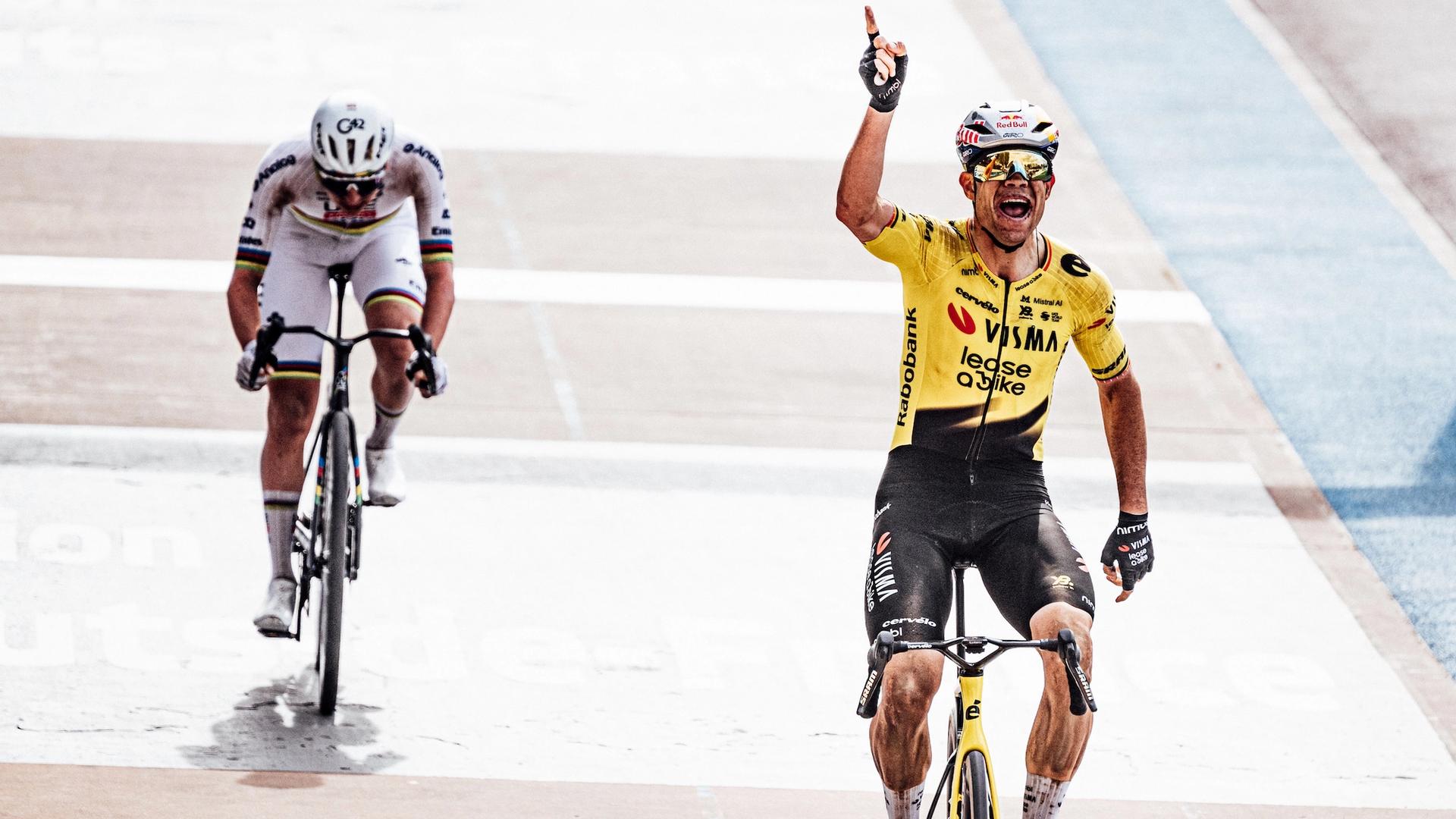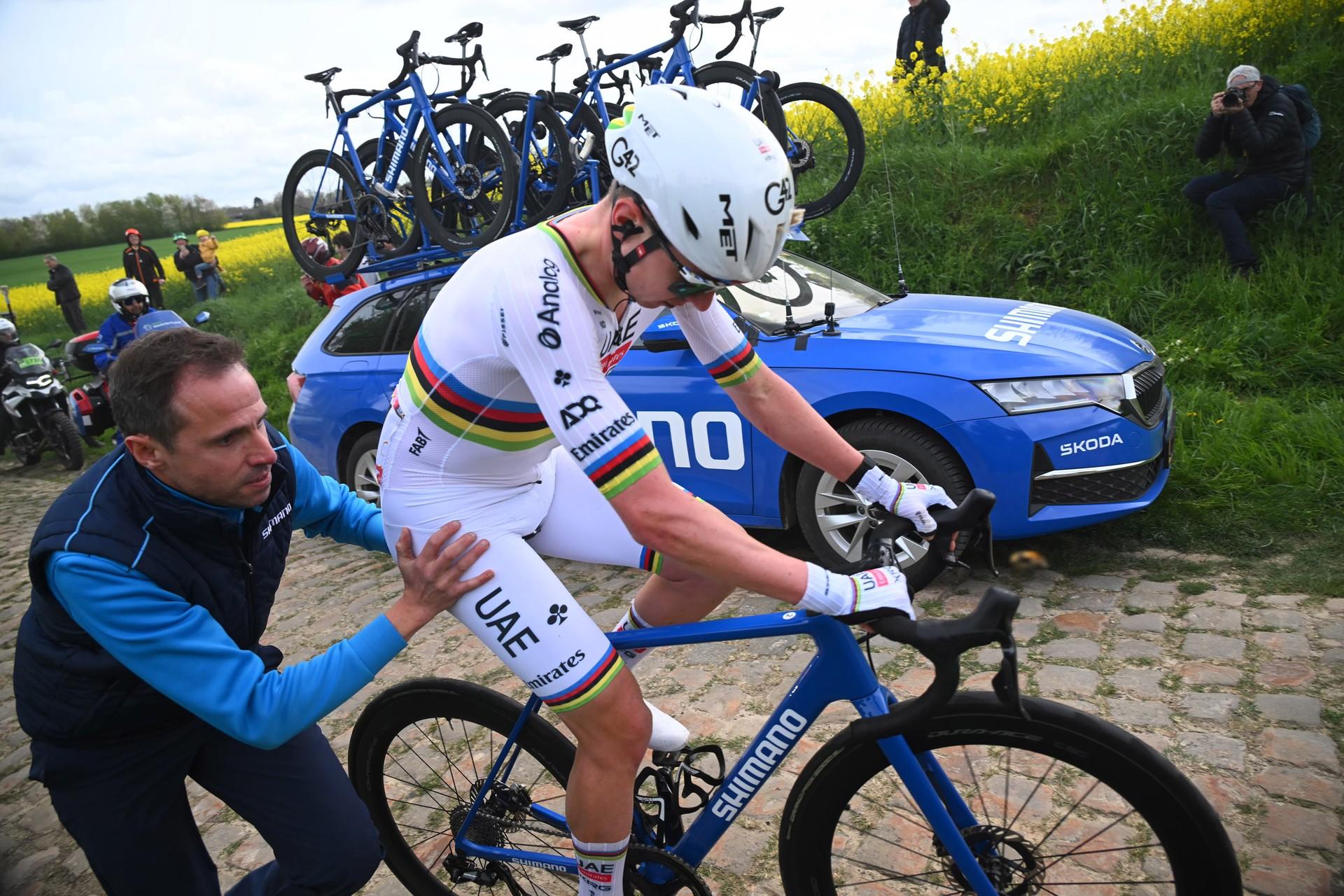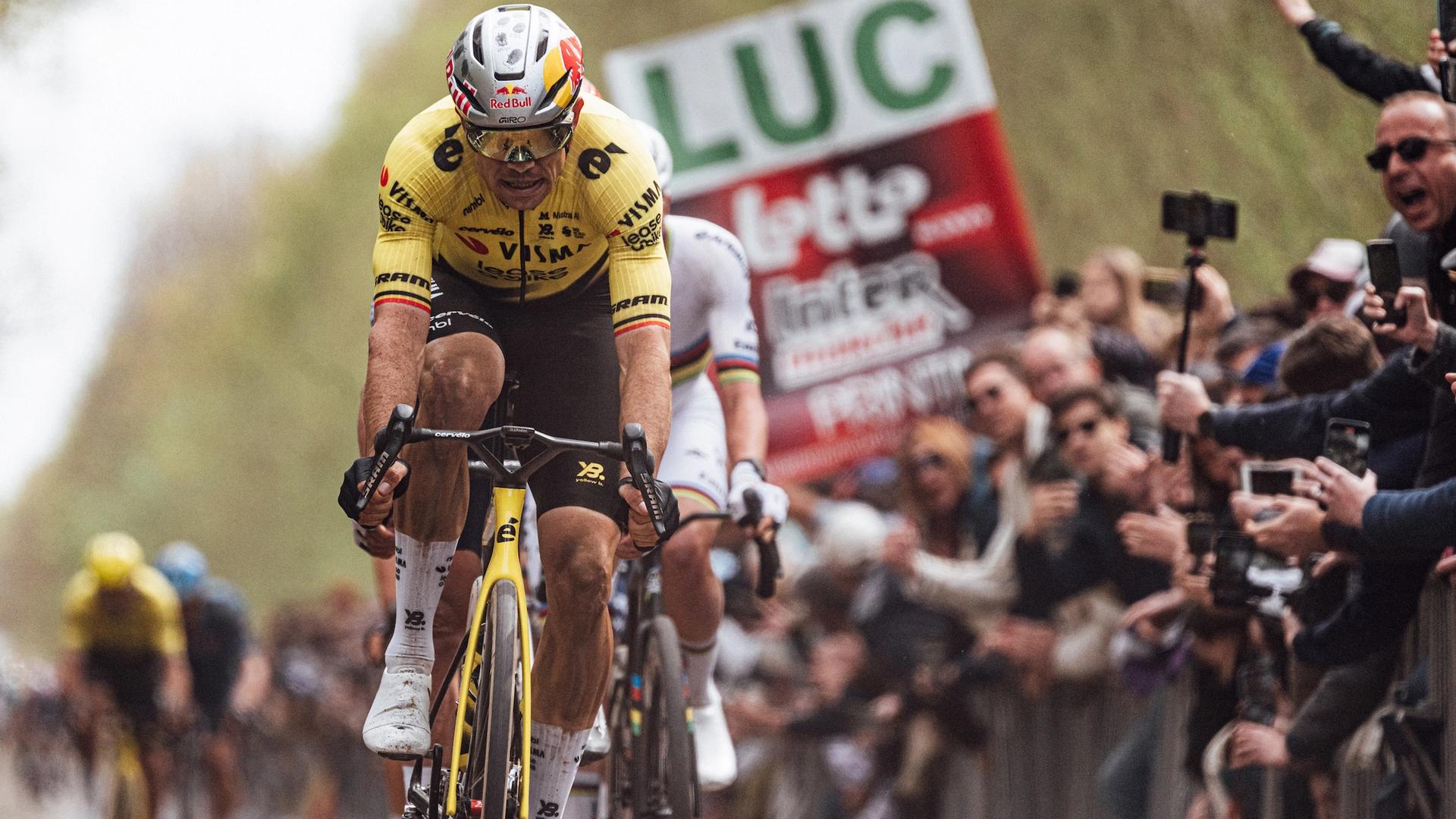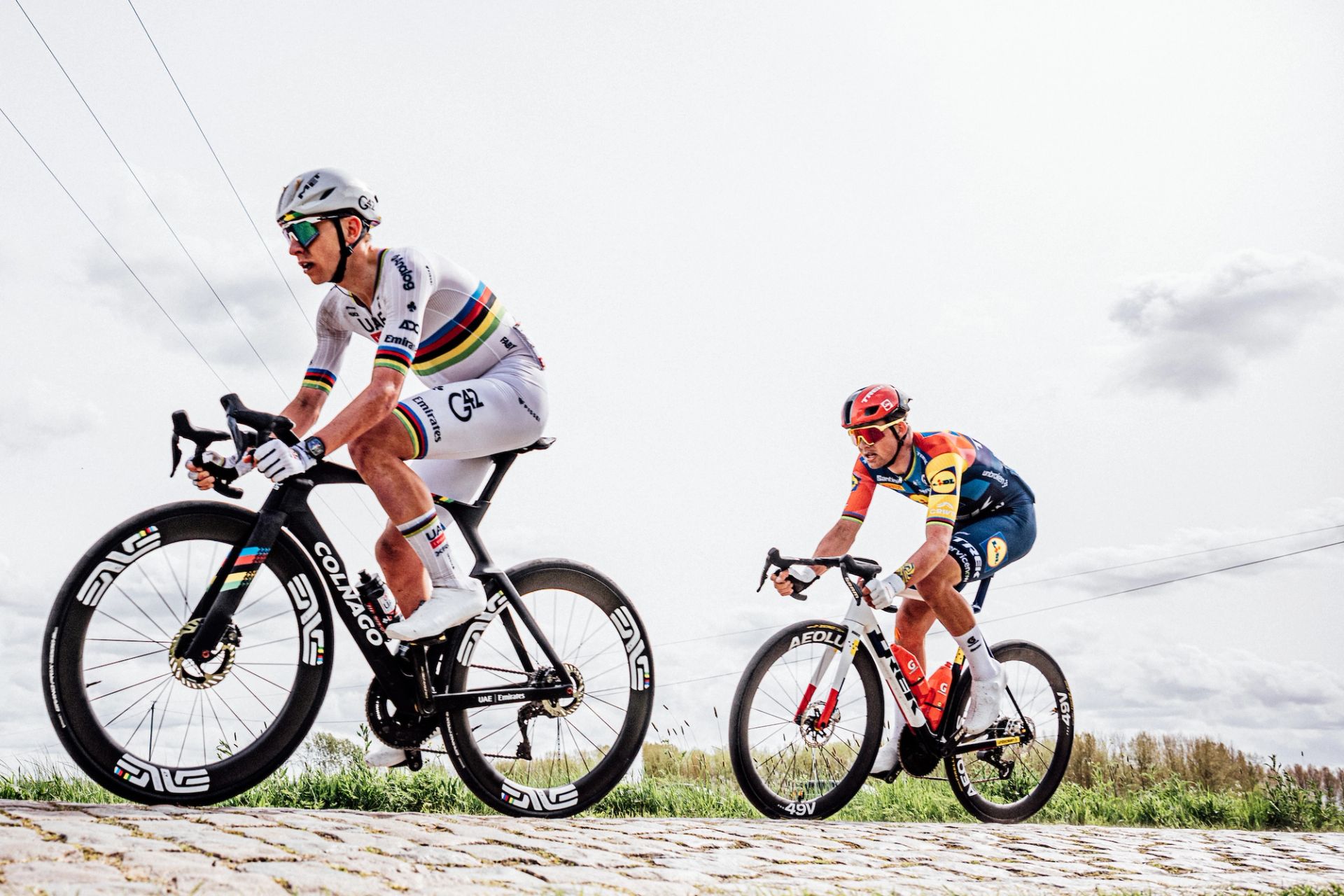
Race commissaires allowed a UAE Team Emirates support car to pass the peloton on the cobbles during Sunday's Paris-Roubaix to reach Tadej Pogačar (UAE Team Emirates) after a puncture, a decision that immediately drew questions about safety and sporting fairness.
Marc Sergeant, a Belgian cycling analyst, former racer and manager, described the decision as "on the edge," in his column in Het Nieuwsblad, saying that under normal circumstances commissaires do not allow follow cars to overtake on cobbled sections. The terrain leaves minimal room for vehicles to manoeuvre safely around riders, and the packed, narrow pavé sectors at Roubaix are among the most dangerous stretches on the professional calendar.
The incident followed a phase of the race in which UAE Team Emirates' aggressive tactical approach left Pogačar isolated without immediate team support. After puncturing, he was forced to ride for several kilometres on a neutral service bike before the team car reached him. The commissaires' decision to wave the UAE vehicle through on the cobbles is what allowed that reconnection to happen.
The timing of the decision raised fairness concerns. Roubaix traditionally punishes riders who find themselves without nearby teammates when mechanical problems strike. By facilitating the team car's passage through the peloton on a cobbled sector, race officials effectively cushioned the consequences of UAE's race strategy, a point Sergeant's criticism targeted.
What the UCI convoy rules say
The UCI's own guidelines for vehicle circulation in the race convoy treat overtaking as a regulated, sensitive action. The 2021 reference document, developed after consultation with the CPA riders' association, the AIGCP teams' body and the AIOCC organisers' group, covers all vehicles between the lead car and the broomwagon. It places mandatory obligations on every driver in the convoy and makes clear that those who fail to observe the regulations can face financial penalties and suspension of their UCI licence.
UCI president David Lappartient's foreword to the document ties the two concerns raised by Sunday's incident together explicitly. "For Commissaires, the safety of riders, followers and the public as well as sporting fairness go hand in hand with cycling," he wrote.
The UCI has said the guide calls on "the responsibility of each driver to protect the riders" and that the framework is designed to ensure convoy traffic moves smoothly and predictably. Stricter enforcement rules introduced in 2016 require all drivers in the convoy to hold a UCI licence and allow referrals to the UCI Disciplinary Commission for contraventions.
It comes one week after race rules and enforcement were stretched by an incident where dozens of riders crossed a level crossing on a red signal at the Tour of Flanders. Technically that should have triggered mass disqualifications, but enforcement similarly required a disruption to the destiny of major favourites.
Pogačar finished the race after receiving assistance from his team car. The sporting effect of the intervention, how much time he lost on the neutral bike and how the team car's arrival altered his race from that point, will feed the debate over whether the commissaires' call amounted to an understandable exception or a competitive advantage granted under pressure.