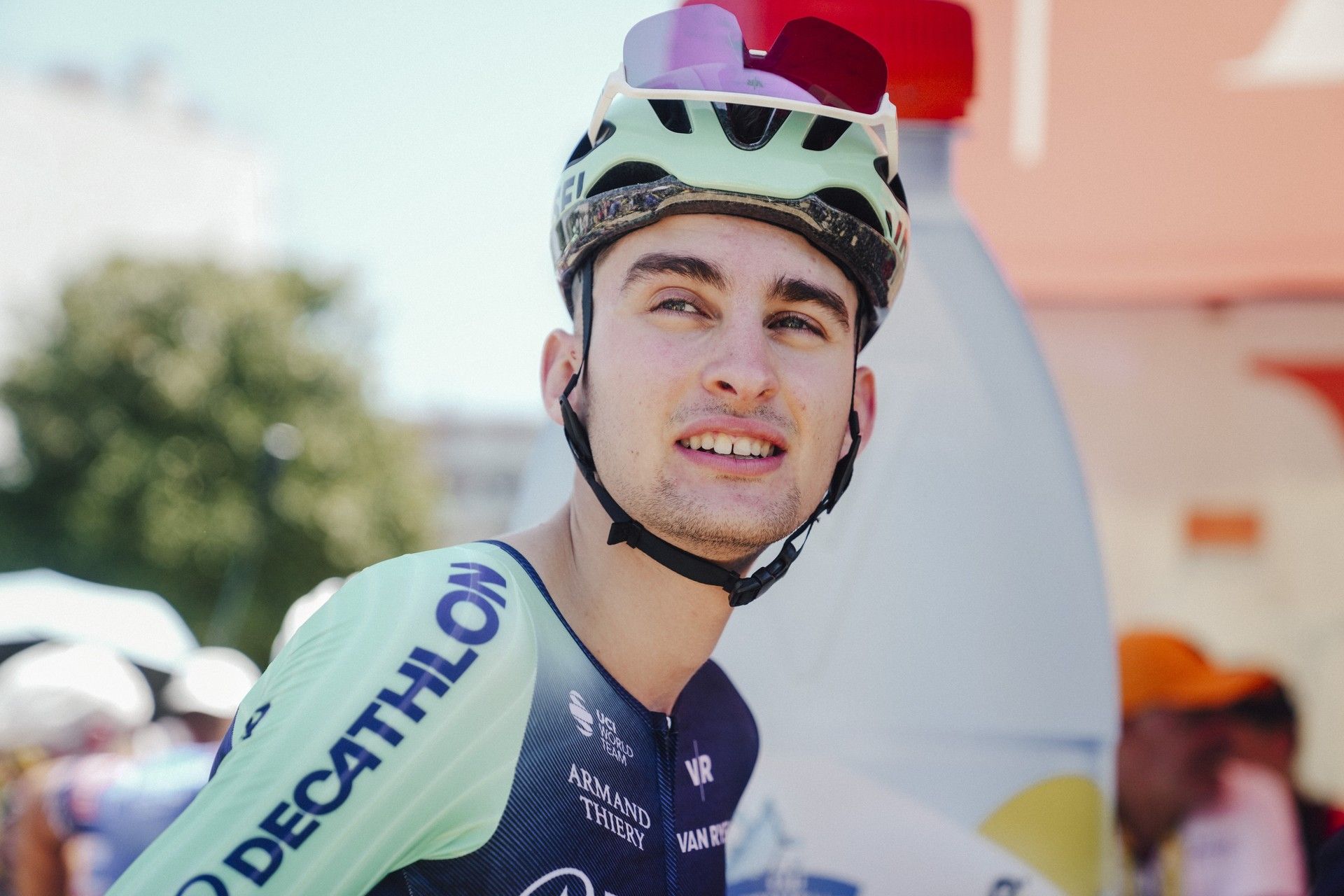
Luke Rowe confirmed after stage 2 of the Tour de France that Decathlon-CMA CGM deliberately left Paul Seixas (Decathlon-CMA CGM) without teammates during his chase back to the peloton following a puncture and double bike change on the road to Barcelona. The former pro-turned-sports director said his fear was that dropping riders back would prompt commissaires to impose a barrage, a hold on vehicle movement in the convoy, making the 19-year-old's return harder rather than easier.
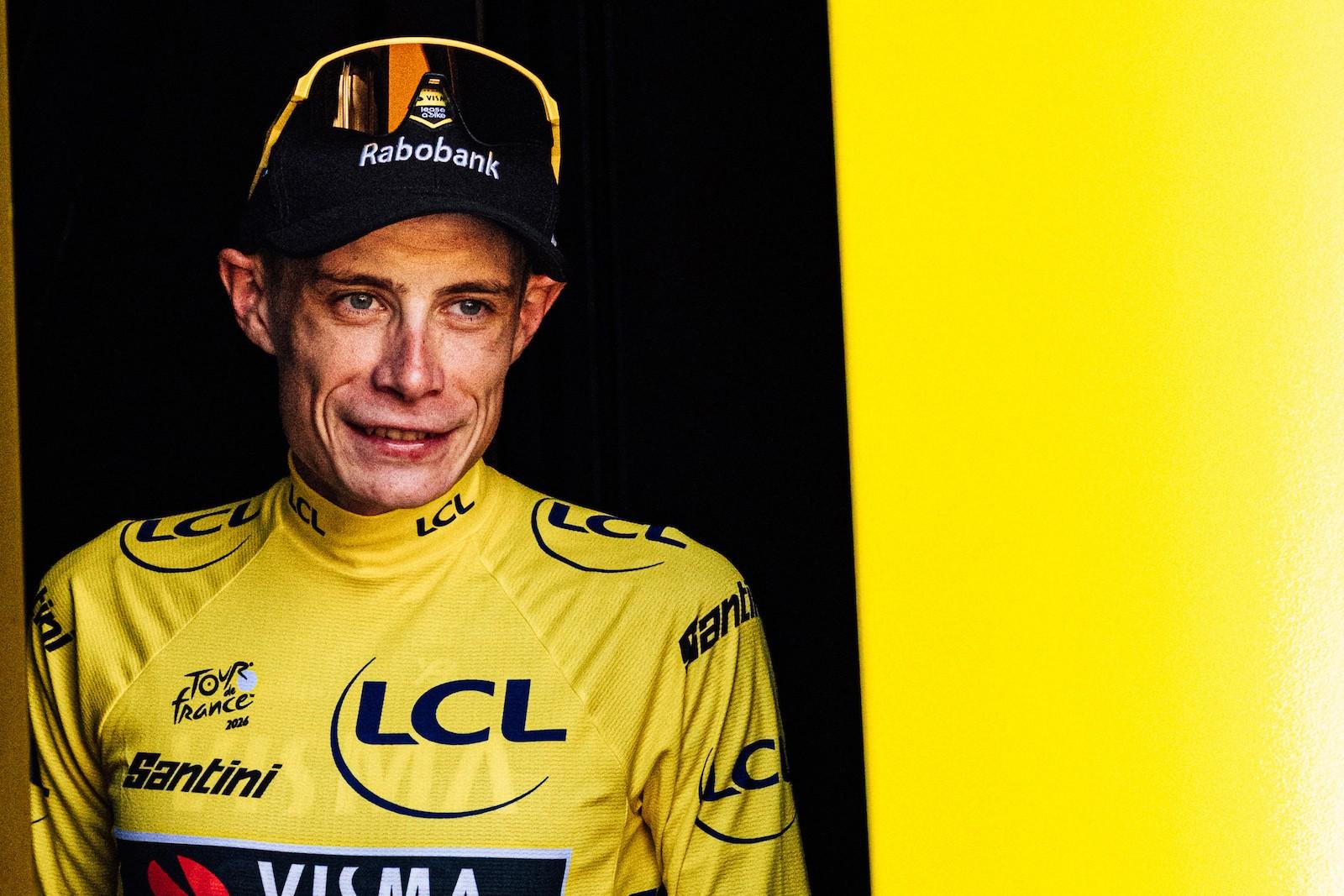
Even with the issues, Seixas managed to ride to a strong ninth on the stage losing just three seconds to Isaac del Toro (UAE Team Emirates), Tadej Pogačar (UAE Team Emirates), Remco Evenepoel (Red Bull-Bora-Hansgrohe) and Jonas Vingegaard (Visma | Lease a Bike), and moved up four places in the general classification to sixth overall, 42 seconds behind Vingegaard in yellow. But Rowe said the effort to get back "took the edge off him" before the Montjuïc finale.
As to why Rowe didn't send riders back to help Seixas return to the peloton, which confused commentators such as the TNT Sports team in the UK, the former Ineos rider explained: "My concern there, if you stop one or two guys with Paul, then they're going to create a barrage," he said. "I said, listen, just wait. The cars will come in 30 seconds. You'll have a convoy in 30 seconds. Just wait."
Results
Tarragone - Barcelone • Jul 5 • 168.5km

| Pos | Rider | Team | Time |
|---|---|---|---|
| 🥇 | Isaac del Toro Romero | UAE TEAM EMIRATES XRGUAE TEAM EMIRATES XRG | 3:40:01 |
| 🥈 | Tadej Pogačar | UAE TEAM EMIRATES XRGUAE TEAM EMIRATES XRG | +0:00 |
| 🥉 | Remco Evenepoel | RED BULL - BORA - HANSGROHERED BULL - BORA - HANSGROHE | +0:00 |
| 4 | Jonas Vingegaard Hansen | TEAM VISMA | LEASE A BIKETEAM VISMA | LEASE A BIKE | +0:00 |
| 5 | Mattias Skjelmose Jennow Jensen | LIDL-TREKLIDL-TREK | +0:03 |
| 6 | Tobias Halland Johannessen | UNO-X MOBILITYUNO-X MOBILITY | +0:03 |
| 7 | Romain Gregoire | GROUPAMA-FDJ UNITEDGROUPAMA-FDJ UNITED | +0:03 |
| 8 | Lenny Sydney Martinez | BAHRAIN VICTORIOUSBAHRAIN VICTORIOUS | +0:03 |
| 9 | Paul Seixas | DECATHLON CMA CGM TEAMDECATHLON CMA CGM TEAM | +0:03 |
| 10 | Thomas Pidcock | PINARELLO-Q36.5 PRO CYCLING TEAMPINARELLO-Q36.5 PRO CYCLING TEAM | +0:03 |
| 11 | Lennert van Eetvelt | LOTTO INTERMARCHÉLOTTO INTERMARCHÉ | +0:03 |
| 12 | Juan Ayuso Pesquera | LIDL-TREKLIDL-TREK | +0:03 |
| 13 | Ilan van Wilder | SOUDAL QUICK-STEPSOUDAL QUICK-STEP | +0:03 |
| 14 | Richard Antonio Carapaz Montenegro | EF EDUCATION - EASYPOSTEF EDUCATION - EASYPOST | +0:07 |
| 15 | Alex Baudin | EF EDUCATION - EASYPOSTEF EDUCATION - EASYPOST | +0:10 |
| 16 | Florian Lipowitz | RED BULL - BORA - HANSGROHERED BULL - BORA - HANSGROHE | +0:10 |
| 17 | Cian Uijtdebroeks | MOVISTAR TEAMMOVISTAR TEAM | +0:27 |
| 18 | Adam Richard Yates | UAE TEAM EMIRATES XRGUAE TEAM EMIRATES XRG | +0:39 |
| 19 | Sergio Andres Higuita Garcia | XDS ASTANA TEAMXDS ASTANA TEAM | +0:43 |
| 20 | Tobias Svendsen Foss | NETCOMPANY INEOSNETCOMPANY INEOS | +0:43 |
| 21 | Thymen Arensman | NETCOMPANY INEOSNETCOMPANY INEOS | +0:47 |
| 22 | Mathieu van der Poel | ALPECIN-PREMIER TECHALPECIN-PREMIER TECH | +0:47 |
| 23 | Egan Arley Bernal Gomez | NETCOMPANY INEOSNETCOMPANY INEOS | +0:47 |
| 24 | Alex Aranburu Deva | COFIDISCOFIDIS | +0:49 |
| 25 | Harold Alfonso Tejada Canacue | XDS ASTANA TEAMXDS ASTANA TEAM | +0:51 |
| 26 | Jose Felix Parra Cuerda | CAJA RURAL-SEGUROS RGACAJA RURAL-SEGUROS RGA | +0:54 |
| 27 | Yannis Voisard | TUDOR PRO CYCLING TEAMTUDOR PRO CYCLING TEAM | +1:10 |
| 28 | Davide Piganzoli | TEAM VISMA | LEASE A BIKETEAM VISMA | LEASE A BIKE | +1:10 |
| 29 | Jordan Jegat | TOTALENERGIESTOTALENERGIES | +1:10 |
| 30 | Ion Izaguirre Insausti | COFIDISCOFIDIS | +1:11 |
| 31 | Javier Romo Oliver | MOVISTAR TEAMMOVISTAR TEAM | +1:18 |
| 32 | Abel Balderstone Roumens | CAJA RURAL-SEGUROS RGACAJA RURAL-SEGUROS RGA | +1:18 |
| 33 | Joris Delbove | TOTALENERGIESTOTALENERGIES | +1:36 |
| 34 | Sean Quinn | EF EDUCATION - EASYPOSTEF EDUCATION - EASYPOST | +1:39 |
| 35 | Torstein Træen | UNO-X MOBILITYUNO-X MOBILITY | +1:55 |
| 36 | Jai Hindley | RED BULL - BORA - HANSGROHERED BULL - BORA - HANSGROHE | +1:55 |
| 37 | Tiesj Benoot | DECATHLON CMA CGM TEAMDECATHLON CMA CGM TEAM | +1:55 |
| 38 | Mathias Vacek | LIDL-TREKLIDL-TREK | +5:02 |
| 39 | Brandon Mcnulty | UAE TEAM EMIRATES XRGUAE TEAM EMIRATES XRG | +5:02 |
| 40 | Ben Alexander O'Connor | TEAM JAYCO ALULATEAM JAYCO ALULA | +5:31 |
| 41 | Matthew Riccitello | DECATHLON CMA CGM TEAMDECATHLON CMA CGM TEAM | +5:31 |
| 42 | Guillaume Martin Guyonnet | GROUPAMA-FDJ UNITEDGROUPAMA-FDJ UNITED | +5:31 |
| 43 | George Bennett | NSN CYCLING TEAMNSN CYCLING TEAM | +5:31 |
| 44 | Lucas Plapp | TEAM JAYCO ALULATEAM JAYCO ALULA | +5:31 |
| 45 | Derek Gee | LIDL-TREKLIDL-TREK | +5:31 |
| 46 | Antonio Tiberi | BAHRAIN VICTORIOUSBAHRAIN VICTORIOUS | +5:44 |
| 47 | Quinten Hermans | PINARELLO-Q36.5 PRO CYCLING TEAMPINARELLO-Q36.5 PRO CYCLING TEAM | +5:57 |
| 48 | Matteo Jorgenson | TEAM VISMA | LEASE A BIKETEAM VISMA | LEASE A BIKE | +6:03 |
| 49 | Mauro Schmid | TEAM JAYCO ALULATEAM JAYCO ALULA | +6:21 |
| 50 | Bruno Armirail | TEAM VISMA | LEASE A BIKETEAM VISMA | LEASE A BIKE | +6:52 |
| 51 | Kévin Vauquelin | NETCOMPANY INEOSNETCOMPANY INEOS | +6:52 |
| 52 | Sepp Kuss | TEAM VISMA | LEASE A BIKETEAM VISMA | LEASE A BIKE | +6:52 |
| 53 | Anders Halland Johannessen | UNO-X MOBILITYUNO-X MOBILITY | +6:52 |
| 54 | Clément Braz Afonso | GROUPAMA-FDJ UNITEDGROUPAMA-FDJ UNITED | +7:15 |
| 55 | Anders Skaarseth | UNO-X MOBILITYUNO-X MOBILITY | +8:40 |
| 56 | Pascal Eenkhoorn | SOUDAL QUICK-STEPSOUDAL QUICK-STEP | +9:28 |
| 57 | Georg Steinhauser | EF EDUCATION - EASYPOSTEF EDUCATION - EASYPOST | +9:28 |
| 58 | Georg Zimmermann | LOTTO INTERMARCHÉLOTTO INTERMARCHÉ | +9:28 |
| 59 | Rick Pluimers | TUDOR PRO CYCLING TEAMTUDOR PRO CYCLING TEAM | +9:28 |
| 60 | Robbe Dhondt | TEAM PICNIC POSTNLTEAM PICNIC POSTNL | +9:28 |
| 61 | Sebastian Berwick | CAJA RURAL-SEGUROS RGACAJA RURAL-SEGUROS RGA | +9:28 |
| 62 | Nicolas Prodhomme | DECATHLON CMA CGM TEAMDECATHLON CMA CGM TEAM | +9:28 |
| 63 | Louis Vervaeke | SOUDAL QUICK-STEPSOUDAL QUICK-STEP | +9:28 |
| 64 | Marc Hirschi | TUDOR PRO CYCLING TEAMTUDOR PRO CYCLING TEAM | +9:28 |
| 65 | Lars Craps | LOTTO INTERMARCHÉLOTTO INTERMARCHÉ | +9:28 |
| 66 | Emiel Verstrynge | ALPECIN-PREMIER TECHALPECIN-PREMIER TECH | +9:28 |
| 67 | Christopher Harper | PINARELLO-Q36.5 PRO CYCLING TEAMPINARELLO-Q36.5 PRO CYCLING TEAM | +9:28 |
| 68 | Ramses Debruyne | ALPECIN-PREMIER TECHALPECIN-PREMIER TECH | +9:40 |
| 69 | Quentin Pacher | GROUPAMA-FDJ UNITEDGROUPAMA-FDJ UNITED | +10:24 |
| 70 | Joel Nicolau Beltran | CAJA RURAL-SEGUROS RGACAJA RURAL-SEGUROS RGA | +11:01 |
| 71 | Maxim van Gils | RED BULL - BORA - HANSGROHERED BULL - BORA - HANSGROHE | +11:06 |
| 72 | Xandro Meurisse | PINARELLO-Q36.5 PRO CYCLING TEAMPINARELLO-Q36.5 PRO CYCLING TEAM | +11:06 |
| 73 | Damiano Caruso | BAHRAIN VICTORIOUSBAHRAIN VICTORIOUS | +11:06 |
| 74 | Thibault Guernalec | TOTALENERGIESTOTALENERGIES | +11:06 |
| 75 | Marco Frigo | NSN CYCLING TEAMNSN CYCLING TEAM | +11:06 |
| 76 | Robert Stannard | BAHRAIN VICTORIOUSBAHRAIN VICTORIOUS | +11:06 |
| 77 | Nelson Oliveira | MOVISTAR TEAMMOVISTAR TEAM | +11:06 |
| 78 | Lorenzo Germani | GROUPAMA-FDJ UNITEDGROUPAMA-FDJ UNITED | +11:06 |
| 79 | Ewen Costiou | GROUPAMA-FDJ UNITEDGROUPAMA-FDJ UNITED | +11:06 |
| 80 | Alexandre Delettre | TOTALENERGIESTOTALENERGIES | +11:06 |
| 81 | Matteo Vercher | TOTALENERGIESTOTALENERGIES | +11:06 |
| 82 | Nicolas Breuillard | TOTALENERGIESTOTALENERGIES | +11:06 |
| 83 | Mattia Cattaneo | RED BULL - BORA - HANSGROHERED BULL - BORA - HANSGROHE | +11:06 |
| 84 | Benjamin Thomas | COFIDISCOFIDIS | +11:06 |
| 85 | Joshua Michael Tarling | NETCOMPANY INEOSNETCOMPANY INEOS | +11:06 |
| 86 | Michal Kwiatkowski | NETCOMPANY INEOSNETCOMPANY INEOS | +11:06 |
| 87 | Mike Teunissen | XDS ASTANA TEAMXDS ASTANA TEAM | +11:06 |
| 88 | Luke Durbridge | TEAM JAYCO ALULATEAM JAYCO ALULA | +11:06 |
| 89 | Dylan van Baarle | SOUDAL QUICK-STEPSOUDAL QUICK-STEP | +11:06 |
| 90 | Raul Garcia Pierna | MOVISTAR TEAMMOVISTAR TEAM | +11:06 |
| 91 | Julian Alaphilippe | TUDOR PRO CYCLING TEAMTUDOR PRO CYCLING TEAM | +11:06 |
| 92 | Michael James Matthews | TEAM JAYCO ALULATEAM JAYCO ALULA | +11:57 |
| 93 | Valentin Paret Peintre | SOUDAL QUICK-STEPSOUDAL QUICK-STEP | +12:08 |
| 94 | Clément Russo | GROUPAMA-FDJ UNITEDGROUPAMA-FDJ UNITED | +12:08 |
| 95 | Niklas Märkl | TEAM PICNIC POSTNLTEAM PICNIC POSTNL | +12:08 |
| 96 | Aurélien Paret Peintre | DECATHLON CMA CGM TEAMDECATHLON CMA CGM TEAM | +12:08 |
| 97 | Aaron Murray Gate | XDS ASTANA TEAMXDS ASTANA TEAM | +12:08 |
| 98 | Victor Campenaerts | TEAM VISMA | LEASE A BIKETEAM VISMA | LEASE A BIKE | +12:08 |
| 99 | Tim Wellens | UAE TEAM EMIRATES XRGUAE TEAM EMIRATES XRG | +12:08 |
| 100 | Felix Grossschartner | UAE TEAM EMIRATES XRGUAE TEAM EMIRATES XRG | +12:08 |
| 101 | Mathis le Berre | TOTALENERGIESTOTALENERGIES | +12:08 |
| 102 | Carlos Verona Quintanilla | LIDL-TREKLIDL-TREK | +12:08 |
| 103 | Jonas Rickaert | ALPECIN-PREMIER TECHALPECIN-PREMIER TECH | +12:08 |
| 104 | Kasper Asgreen | EF EDUCATION - EASYPOSTEF EDUCATION - EASYPOST | +12:08 |
| 105 | Max Walker | EF EDUCATION - EASYPOSTEF EDUCATION - EASYPOST | +12:16 |
| 106 | Michael Valgren | EF EDUCATION - EASYPOSTEF EDUCATION - EASYPOST | +12:16 |
| 107 | Ben Healy | EF EDUCATION - EASYPOSTEF EDUCATION - EASYPOST | +12:16 |
| 108 | Michel Heßmann | MOVISTAR TEAMMOVISTAR TEAM | +12:16 |
| 109 | Jenno Berckmoes | LOTTO INTERMARCHÉLOTTO INTERMARCHÉ | +12:16 |
| 110 | Lewis Askey | NSN CYCLING TEAMNSN CYCLING TEAM | +12:30 |
| 111 | Edward Planckaert | ALPECIN-PREMIER TECHALPECIN-PREMIER TECH | +12:47 |
| 112 | Felix Engelhardt | TEAM JAYCO ALULATEAM JAYCO ALULA | +13:33 |
| 113 | Nils Politt | UAE TEAM EMIRATES XRGUAE TEAM EMIRATES XRG | +13:33 |
| 114 | Jonas Abrahamsen | UNO-X MOBILITYUNO-X MOBILITY | +13:33 |
| 115 | Tom van Asbroeck | NSN CYCLING TEAMNSN CYCLING TEAM | +13:33 |
| 116 | Silvan Dillier | ALPECIN-PREMIER TECHALPECIN-PREMIER TECH | +13:33 |
| 117 | Nicolya Vinokurov | XDS ASTANA TEAMXDS ASTANA TEAM | +13:33 |
| 118 | Hugo Page | COFIDISCOFIDIS | +13:33 |
| 119 | Einer Augusto Rubio Reyes | MOVISTAR TEAMMOVISTAR TEAM | +13:33 |
| 120 | Nico Denz | RED BULL - BORA - HANSGROHERED BULL - BORA - HANSGROHE | +13:33 |
| 121 | Dorian Godon | NETCOMPANY INEOSNETCOMPANY INEOS | +13:33 |
| 122 | Warren Barguil | TEAM PICNIC POSTNLTEAM PICNIC POSTNL | +13:33 |
| 123 | John Degenkolb | TEAM PICNIC POSTNLTEAM PICNIC POSTNL | +13:33 |
| 124 | Xabier Mikel Azparren Irurzun | PINARELLO-Q36.5 PRO CYCLING TEAMPINARELLO-Q36.5 PRO CYCLING TEAM | +13:33 |
| 125 | Damien Craig Howson | PINARELLO-Q36.5 PRO CYCLING TEAMPINARELLO-Q36.5 PRO CYCLING TEAM | +13:33 |
| 126 | Jefferson Alveiro Cepeda Hernandez | MOVISTAR TEAMMOVISTAR TEAM | +13:33 |
| 127 | Pablo Castrillo Zapater | MOVISTAR TEAMMOVISTAR TEAM | +13:33 |
| 128 | Tim Marsman | ALPECIN-PREMIER TECHALPECIN-PREMIER TECH | +13:33 |
| 129 | Anthon Charmig | UNO-X MOBILITYUNO-X MOBILITY | +13:33 |
| 130 | Anthony Turgis | TOTALENERGIESTOTALENERGIES | +13:33 |
| 131 | Matis Louvel | NSN CYCLING TEAMNSN CYCLING TEAM | +13:33 |
| 132 | Jasper Philipsen | ALPECIN-PREMIER TECHALPECIN-PREMIER TECH | +13:33 |
| 133 | Jasper Stuyven | SOUDAL QUICK-STEPSOUDAL QUICK-STEP | +13:33 |
| 134 | Brent van Moer | PINARELLO-Q36.5 PRO CYCLING TEAMPINARELLO-Q36.5 PRO CYCLING TEAM | +13:33 |
| 135 | Florian Vermeersch | UAE TEAM EMIRATES XRGUAE TEAM EMIRATES XRG | +13:33 |
| 136 | Tim van Dijke | RED BULL - BORA - HANSGROHERED BULL - BORA - HANSGROHE | +13:33 |
| 137 | Frits Biesterbos | TEAM PICNIC POSTNLTEAM PICNIC POSTNL | +13:33 |
| 138 | Michael Storer | TUDOR PRO CYCLING TEAMTUDOR PRO CYCLING TEAM | +13:33 |
| 139 | Pavel Bittner | TEAM PICNIC POSTNLTEAM PICNIC POSTNL | +13:33 |
| 140 | Stefano Oldani | CAJA RURAL-SEGUROS RGACAJA RURAL-SEGUROS RGA | +13:33 |
| 141 | Fernando Gaviria Rendon | CAJA RURAL-SEGUROS RGACAJA RURAL-SEGUROS RGA | +13:33 |
| 142 | Max Kanter | XDS ASTANA TEAMXDS ASTANA TEAM | +13:33 |
| 143 | Jenthe Biermans | COFIDISCOFIDIS | +13:33 |
| 144 | Jakub Otruba | CAJA RURAL-SEGUROS RGACAJA RURAL-SEGUROS RGA | +13:33 |
| 145 | Toms Skujins | LIDL-TREKLIDL-TREK | +13:33 |
| 146 | Krists Neilands | NSN CYCLING TEAMNSN CYCLING TEAM | +13:33 |
| 147 | Tim Merlier | SOUDAL QUICK-STEPSOUDAL QUICK-STEP | +13:33 |
| 148 | Daan Hoole | DECATHLON CMA CGM TEAMDECATHLON CMA CGM TEAM | +13:33 |
| 149 | Milan Fretin | COFIDISCOFIDIS | +13:46 |
| 150 | Magnus Nielsen | UNO-X MOBILITYUNO-X MOBILITY | +13:52 |
| 151 | Matej Mohoric | BAHRAIN VICTORIOUSBAHRAIN VICTORIOUS | +13:56 |
| 152 | Jan Tratnik | RED BULL - BORA - HANSGROHERED BULL - BORA - HANSGROHE | +13:56 |
| 153 | Quinn Simmons | LIDL-TREKLIDL-TREK | +13:56 |
| 154 | Alex Kirsch | COFIDISCOFIDIS | +13:56 |
| 155 | Thomas Jake Stewart | NSN CYCLING TEAMNSN CYCLING TEAM | +13:56 |
| 156 | Mads Pedersen | LIDL-TREKLIDL-TREK | +13:56 |
| 157 | Biniam Girmay | NSN CYCLING TEAMNSN CYCLING TEAM | +13:56 |
| 158 | Arvid de Kleijn | TUDOR PRO CYCLING TEAMTUDOR PRO CYCLING TEAM | +13:56 |
| 159 | Phil Bauhaus | BAHRAIN VICTORIOUSBAHRAIN VICTORIOUS | +13:56 |
| 160 | Julius van den Berg | TEAM PICNIC POSTNLTEAM PICNIC POSTNL | +13:56 |
| 161 | Frank van den Broek | TEAM PICNIC POSTNLTEAM PICNIC POSTNL | +13:56 |
| 162 | Pascal Ackermann | TEAM JAYCO ALULATEAM JAYCO ALULA | +13:56 |
| 163 | Kamil Gradek | BAHRAIN VICTORIOUSBAHRAIN VICTORIOUS | +13:56 |
| 164 | Simone Velasco | XDS ASTANA TEAMXDS ASTANA TEAM | +13:56 |
| 165 | Alex Molenaar | CAJA RURAL-SEGUROS RGACAJA RURAL-SEGUROS RGA | +13:56 |
| 166 | Piet Allegaert | COFIDISCOFIDIS | +13:56 |
| 167 | Vlad van Mechelen | BAHRAIN VICTORIOUSBAHRAIN VICTORIOUS | +14:20 |
| 168 | Alfred Brockwell Wright | PINARELLO-Q36.5 PRO CYCLING TEAMPINARELLO-Q36.5 PRO CYCLING TEAM | +14:20 |
| 169 | Filippo Ganna | NETCOMPANY INEOSNETCOMPANY INEOS | +14:43 |
| 170 | Bert van Lerberghe | SOUDAL QUICK-STEPSOUDAL QUICK-STEP | +14:51 |
| 171 | Per Strand Hagenes | TEAM VISMA | LEASE A BIKETEAM VISMA | LEASE A BIKE | +15:02 |
| 172 | Søren Wærenskjold | UNO-X MOBILITYUNO-X MOBILITY | +15:06 |
| 173 | Matteo Trentin | TUDOR PRO CYCLING TEAMTUDOR PRO CYCLING TEAM | +15:29 |
| 174 | Huub Artz | LOTTO INTERMARCHÉLOTTO INTERMARCHÉ | +15:29 |
| 175 | Davide Ballerini | XDS ASTANA TEAMXDS ASTANA TEAM | +15:44 |
| 176 | Marco Haller | TUDOR PRO CYCLING TEAMTUDOR PRO CYCLING TEAM | +16:08 |
| 177 | Liam Slock | LOTTO INTERMARCHÉLOTTO INTERMARCHÉ | +16:33 |
| 178 | Edoardo Affini | TEAM VISMA | LEASE A BIKETEAM VISMA | LEASE A BIKE | +16:47 |
| 179 | Kelland O’Brien | TEAM JAYCO ALULATEAM JAYCO ALULA | +17:49 |
| 180 | Olav Kooij | DECATHLON CMA CGM TEAMDECATHLON CMA CGM TEAM | +18:08 |
| 181 | Cees Bol | DECATHLON CMA CGM TEAMDECATHLON CMA CGM TEAM | +18:08 |
| 182 | Baptiste Veistroffer | LOTTO INTERMARCHÉLOTTO INTERMARCHÉ | +18:25 |
| 183 | Arnaud de Lie | LOTTO INTERMARCHÉLOTTO INTERMARCHÉ | +18:25 |
A barrage is a commissaire-enforced blockade that prevents team cars from advancing through the race convoy to reach a dropped rider. In Rowe's reading, teammates alongside Seixas would have made the group look like a separate entity on the road, triggering the hold and slowing the car-assisted return he was banking on.
"Sure enough, the convoy will come and you can use the convoy," he said. "And he just kind of made his way through."
What the disruption cost
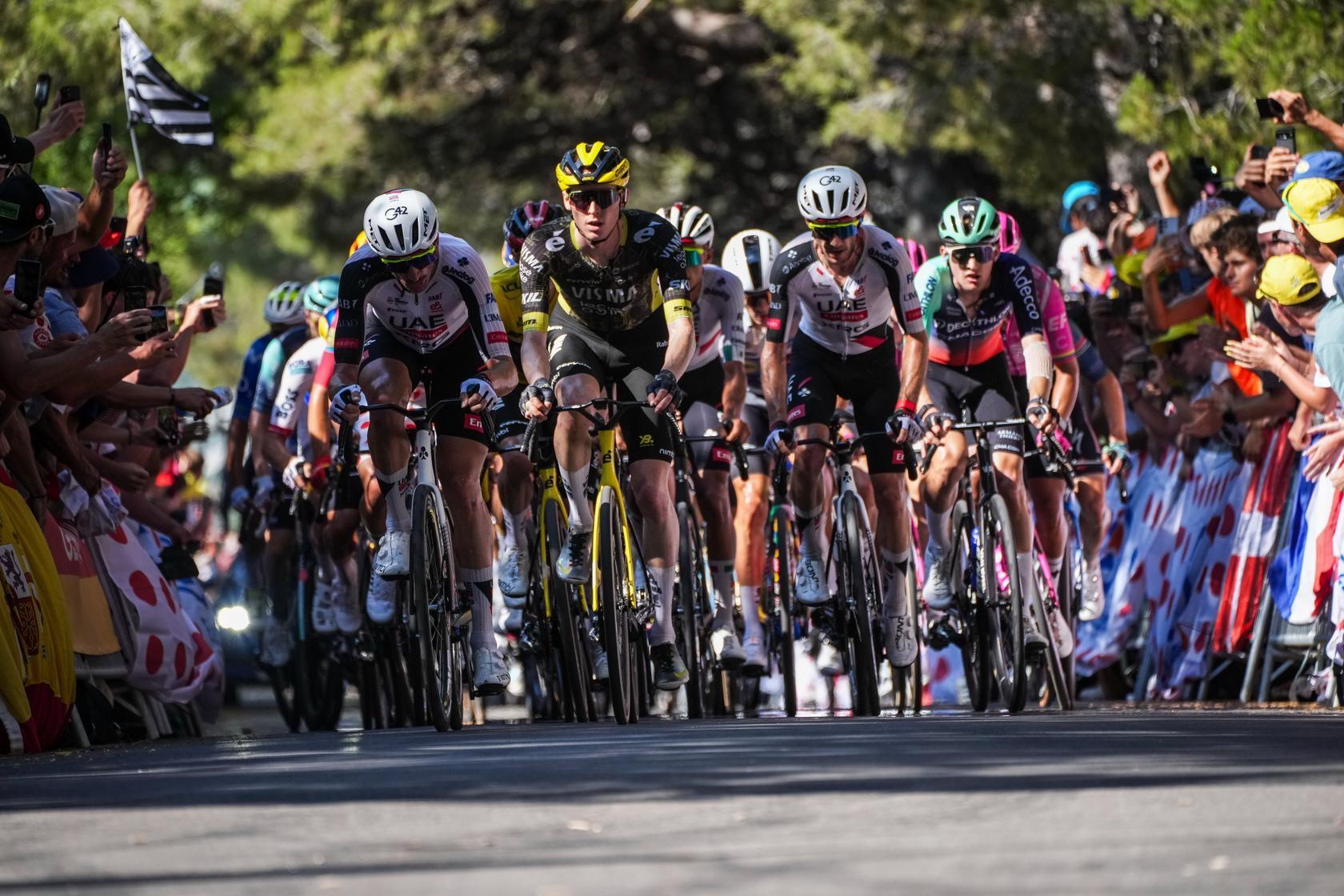
It all started going wrong for Decathlon-CMA CGM when Olav Kooij punctured, followed seconds later by Seixas himself. In the scramble, Seixas first took Aurélien Paret-Peintre's bike before switching again to his own spare just before the finishing circuit alongside Paret-Peintre. Tight roads, near misses and a close call between the TotalEnergies team car and a jury vehicle added stress to the return and also meant that Paret-Peintre was distanced from his leader.
Rowe said that it was hard to tell what the physical cost was from this. "At this level in this game, if you have to expose yourself to any degree prior to a big effort like it was, took the few percent off," he said.
He still managed to finish in the top 10 losing just 3 seconds to his biggest rivals, which raises the question: what could have been? Rowe remained controlled on that, adding: "I'm not going to come out with any junk saying if you didn't have that, you'd have done this or that or the other," he said.
It was a shame for a team that had seemed primed to race aggressively. They even put Tiesj Benoot onto the front of the peloton as they headed onto the final climb despite Seixas' issues. Rowe said they wanted to treat the day as a one-day race, likening the Montjuïc circuit to a small Amstel Gold Race and targeting the best possible stage result rather than simply protecting position.
"It seems strange to say on stage 2, but if you come into it conservative or cautious, then I think it's all going to go wrong," Rowe said. "Race it like a one-day race was the message."
Seixas sits sixth overall heading into stage 3 of the Tour de France.