When people come into our workshops, they often expect we’ll start with tools or fixing things. We don’t.
We always start with the same few basics, because they’re the things that actually keep bikes running well – and stop them coming back into the workshop sooner than they need to.
This is roughly the order we teach things in.
1. Keep the bike clean – that’s the big one
The main thing we always say first is: keep the bike clean.
A clean bike is just more efficient, full stop. But more importantly, it massively prolongs the life of your components. Most of the wear we see is just dirt – grit in the chain, dirt in the cassette – wearing everything out much faster than people expect.
Chain maintenance is basically the heart of the bike. If you look after that, everything else lasts longer.
A lot of people don’t really know how to clean a chain properly, so that’s usually where we start.
2. Maintenance matters more than fixing things
Most people come in wanting to learn how to fix stuff. We try to reframe that a bit.
We focus much more on maintenance – cleaning, checking, and catching things early – because that’s what actually reduces the amount of servicing you need long term.
You’d be amazed how many bikes come in for a six-month service that look like they’ve done a year’s worth of riding, just because they haven’t been maintained between rides.
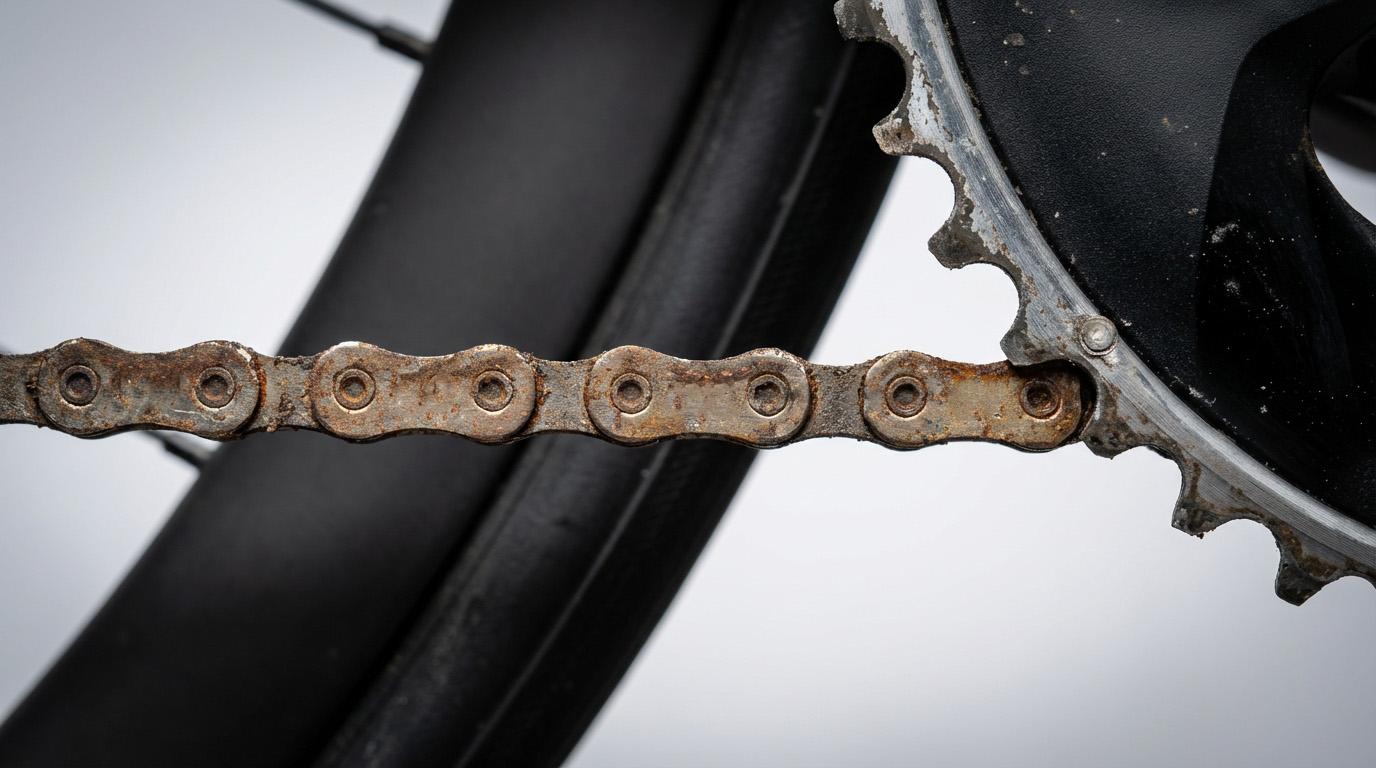
Chain maintenance is critical to avoiding expensive repairs down the line
3. Learn to look before you start adjusting anything
One thing we really try to teach is diagnosis.
A lot of people think, “my gears aren’t indexed properly”, so they start turning barrel adjusters. But often it’s not indexing at all – it could be a bit of friction in the cable, or a slightly bent hanger.
There are a lot of variables, and if you don’t stop and look first, you can make things worse really quickly.
So we always say: understand what’s actually wrong before you touch anything.
4. Chain maintenance is always one of the first skills
Chain cleaning comes up again and again in workshops.
Ideally, the best way is to remove the chain completely and clean it properly, along with the cassette. Not everyone can do that straight away, and that’s fine, but we encourage people to work towards it.
We talk through:
- degreasers versus alcohol
- different chain treatments
- wet lube, dry lube, and waxing
We’re big fans of chain waxing because it just prolongs the life of everything, but it’s also about finding what works for your riding conditions.
The main thing is understanding your options instead of just doing whatever you’ve always done.
5. Torque wrenches are not optional
This is a big one.
We always say: everyone needs a torque wrench. It’s very easy to make mistakes without one.
Most people have had that moment where they hear a weird crunch and immediately know something’s wrong. That’s usually torque.
We also teach people how to use them properly:
- resetting them back to zero
- understanding how grease affects torque
- checking manufacturer spec sheets
Even experienced mechanics get this wrong sometimes if they’re not careful.
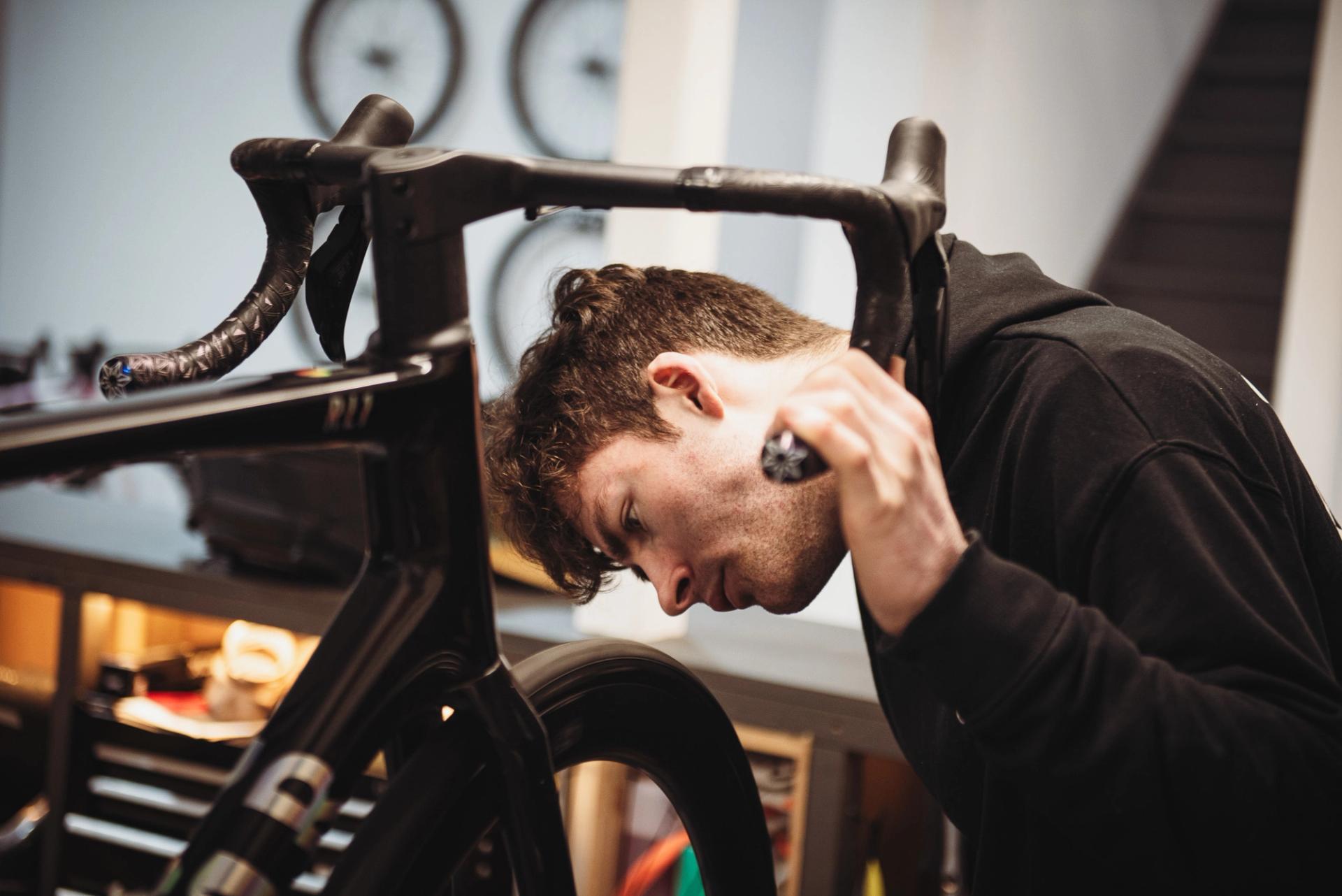
Photo credit: Velora/ Peter Stuart
6. Modern bikes are about systems, not single bolts
Some parts of bikes scare people, especially headsets and disc brakes.
With headsets, people often don’t understand how compression works. They’ll tighten the top bolt without loosening the stem bolts, and that causes big problems.
Once people understand how the system actually works, it suddenly feels much less intimidating.
It’s not about memorising steps but understanding what’s happening.
7. Disc brakes need a completely different approach
Disc brakes are probably the biggest learning curve.
When you’re cleaning the bike, what you use matters. Getting degreaser or oil anywhere near the rotors or pads will contaminate them.
Even touching rotors or pads with your fingers can cause problems, because of natural oils on your skin. Use latex gloves when handling discs and you’ll lower the risk substantially.
We also talk a lot about bedding in brakes. We can do some of that in the workshop, but the rider has to finish the process properly when they take the bike away. A lot of brake issues come from that step being skipped.
8. Some things we don’t teach straight away — on purpose
There are jobs we don’t push early on, like tubeless setup or wheel truing.
Tubeless can be great, but it depends on your equipment. We’ve got air compressors in the workshop – most people don’t have that at home.
We always say: try it if you want to, but be realistic. It can be messy, and if it goes wrong, it goes really wrong. Inner tubes are much simpler as a starting point.
The idea isn’t to do everything yourself – it’s to know what you’re comfortable taking on.
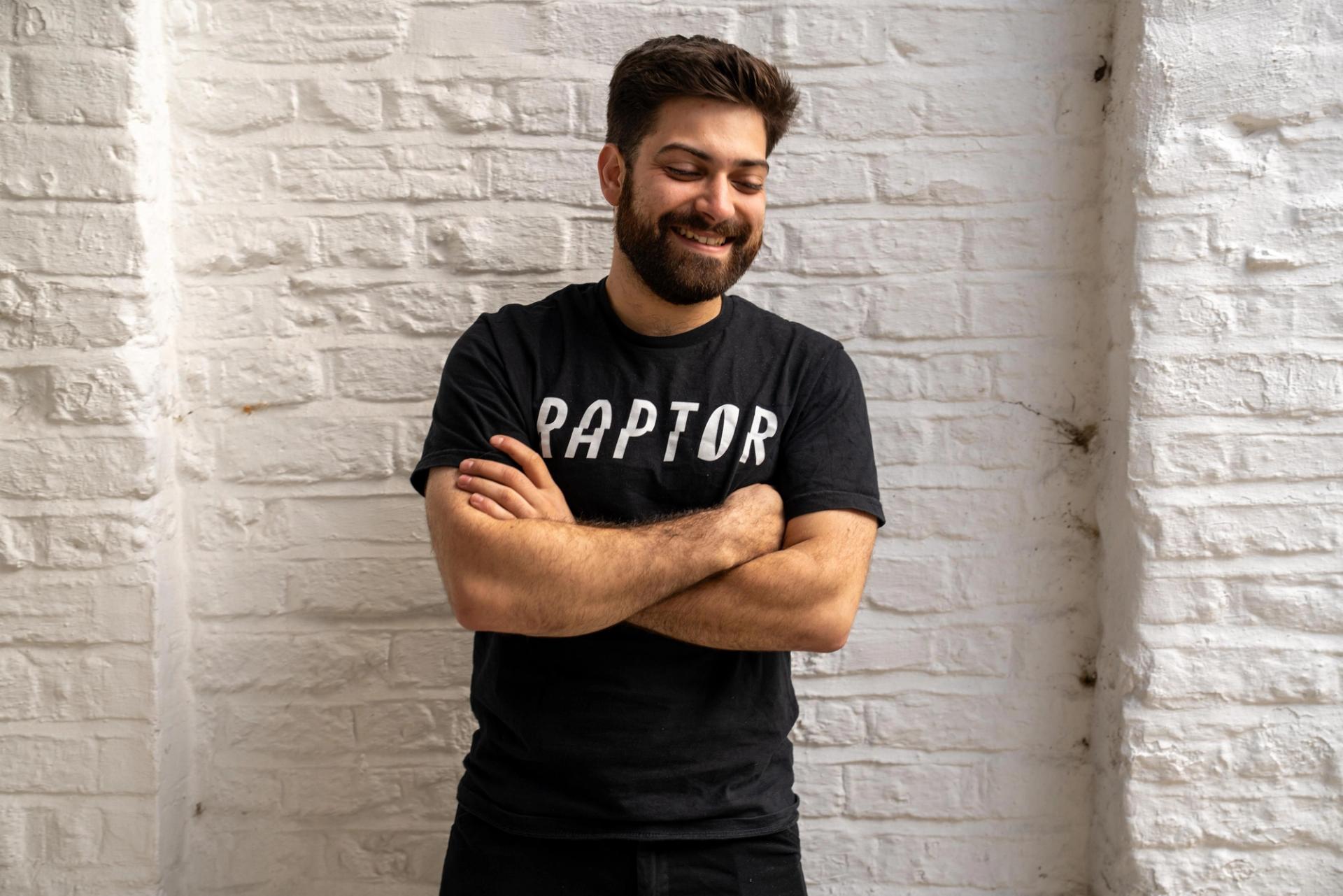
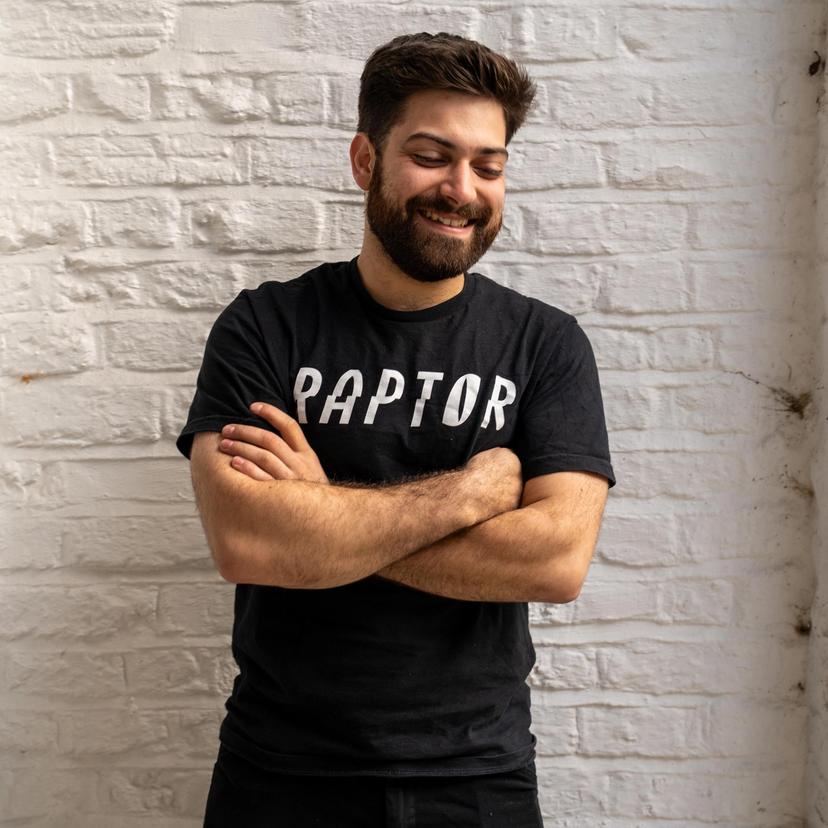
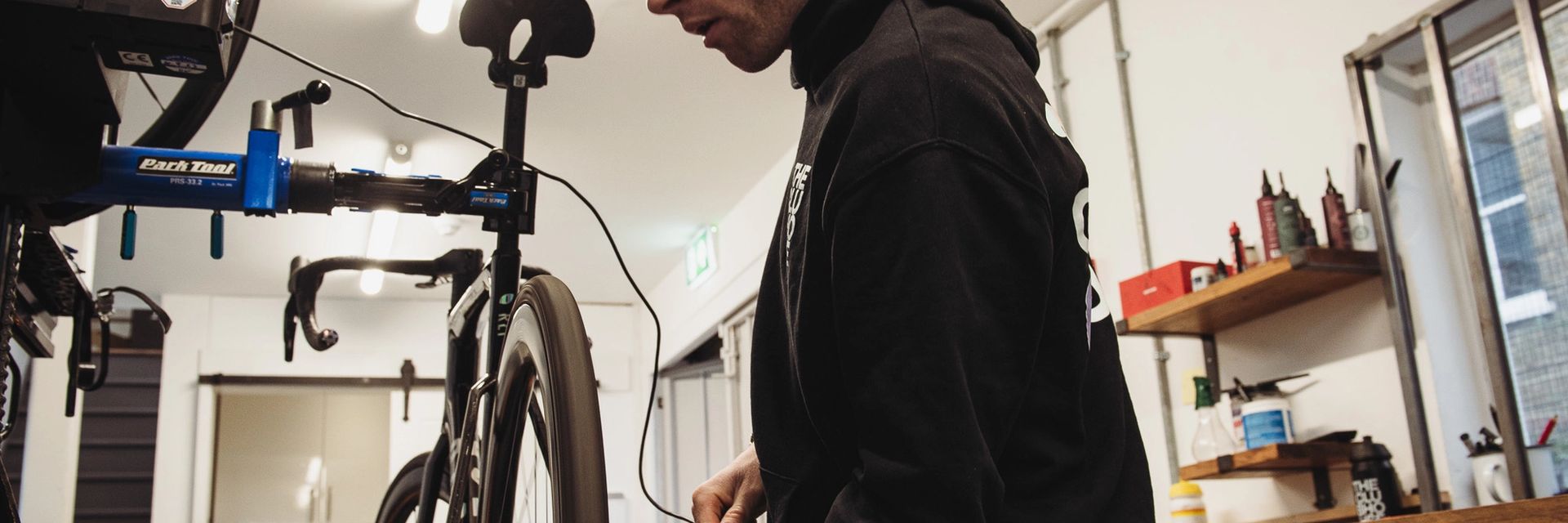
Workshop Manager Miguel Da Silva, credit: Raptor Bikes
9. Pre-ride checks save a lot of money
Another big thing we talk about is timing.
If you’ve got an event coming up, get the bike serviced a few weeks before, not the day before. New chains and cables need time to settle, and sometimes things need re-adjusting.
We also teach simple pre-ride checks:
- tyre condition and pressure
- brake pad wear
- chain wear
These little checks prevent most of the expensive problems we see, especially when travelling with a bike.
10. If it’s working properly, don’t touch it
This is one people find surprisingly hard.
If something is working fine, don’t clean it aggressively, don’t adjust it, don’t “just tweak” it.
A lot of issues come from well-meaning riders trying to fix something that wasn’t broken in the first place.
Sometimes the best thing you can do is leave it alone.
11. The goal isn’t to turn people into mechanics
At the end of the day, we’re not trying to turn everyone into a bike mechanic.
What we want is riders who:
- keep their bikes clean
- spot problems early
- understand what they’re looking at
- and know when to stop and ask for help
That’s what actually keeps bikes running well and out of the workshop for longer.
Miguel Da Silva is a mechanic at The Workshop Barnes, you can book into his workshop here.