If you're riding off road or long distances, a good hydration pack is an essential bit of kit. I've used them while mountain biking, gravel racing and for ultra endurance events. Once you find the right one, you won't want to go back to stuffing jersey pockets or wrestling muddy bottles.
Modern packs are discipline-specific tools designed to sit high, stay stable, and maybe even save your spine in a crash. Whether you are racing a gravel century or lapping the bike park, the right pack should feel invisible after ten minutes of riding.
For those coming from road, you might ask, "why is a pack even needed? Aren't bottles enough?" But there are very good reasons for using a pack when your tyres leave the tarmac and even (whisper it quietly) when they are still on it:
- When riding off-road your bottles will get covered in dirt and mud pretty quickly. With a pack the mouthpiece is well out of the firing line.
- Bottles are unsprung weight. Water on the frame moves with every bump causing a rougher ride. On your back, your legs act as natural suspension.
- Packs usually hold more volume. Two bottles give you 1.5 litres at best. Even a small pack carries 2 litres, with endurance models stretching to 3.
- You need somewhere for your tools & food anyway. Instead of stuffing your pockets it's more comfortable to carry in a pack.
The landscape has shifted away from bulky backpacks toward minimalist vests and high-stability harness systems. This guide breaks down the best options for every type of rider, focusing on what actually matters: how much it moves, how hot it gets, and how easy it is to keep that bladder from turning into a science experiment.
Buyers guide

Best Value | Best for Racing | Best for Ultra Racers | Best for Overall | Best for Protection |
CamelBak Hydrobak Light Hydration Pack 2.5L with Reservoir | Outlander XC Hydration Pack - 4L | Hydro Pro 6L | Raptor 14 Backpack | Trail Pro Protector Backpack |
| USWE | Evoc | Osprey | Evoc |
 |  |  |  | |
|
|
|
|
|
Price on Amazon | £89.00 £114.95-23% | £105.00 £140.00-25% | £144.00 £160.00-10% | £141.00 £230.00-39% |
| Search Amazon | View deal | View deal | View deal | View deal |
Key Factors to Consider Before Buying
When you are looking for a hydration pack, ignore the marketing jargon and focus on these five critical areas. They will define whether you love the pack or leave it in the garage after two rides.
A bouncing pack is more than annoying: it is a safety hazard. For aggressive trail riding, look for harness systems like USWE's NDM or wide-winged hip belts. These keep the centre of gravity low and fixed. If you are racing, a vest-style pack that spreads the load across the chest is the most stable option for high-cadence climbing.
Do not confuse total volume with water capacity. A 10L pack usually means 2L of water and 8L of storage. If you carry a pump, spare tube, and a rain jacket, look for at least 10L of total volume. For short laps where you only need water and keys, a 2.5L or 4L pack is significantly more comfortable.
The sweaty back syndrome is real. Look for back panels with deep channels or suspended mesh that creates an air gap between you and the pack. Minimalist packs like the Hydrobak Light use body-mapping to put ventilation where you sweat most. In peak summer, this can be the difference between a great ride and heat exhaustion.
I usually prefer a slide-top bladder for easy cleaning. Screw-caps can be difficult to dry out and sometimes leak if not aligned perfectly. Slide-tops allow you to reach inside to scrub and dry the reservoir easily. Also, look for magnetic hose clips: they make drinking while riding much safer by returning the hose to the same spot every time.
Understanding the Price Tiers
Hydration packs have a wide price range, and while you can find cheap options at big-box retailers, the premium brands justify their costs through better bladders and harness ergonomics. Here is what you can expect at different price points.
Under $75
Basic hydration focus. You get a reliable reservoir and a simple bag with basic mesh straps. Great for commuters or casual weekend riders.
$75 - $150
The best value for enthusiasts. Features like magnetic clips, high-stability harnesses (like USWE), and better back ventilation become standard here.
$150+
High-end specialized gear. Includes integrated spine protection, ultralight vest designs, and massive cargo capacity for all-day adventures.
The Best Hydration Packs for Every Rider
Velora review
CamelBak Hydrobak Light Hydration Pack 2.5L with Reservoir
The ultimate short-ride companion, the Hydrobak Light is incredibly light at 170g and sits high enough to avoid interfering with jersey pockets.
For
- +Incredibly lightweight
- +Great ventilation
- +Excellent price point
Against
- –Very limited storage
- –No waist belt
The CamelBak Hydrobak Light is what you buy when you want to forget you are wearing a pack. It weighs a measly 170 grams empty. If you are doing a 90-minute XC ride or a lunch-break loop, this is the perfect size. It carries 1.5 litres of water which is plenty for shorter efforts, and the Air Support Light back panel keeps the air moving so you don't end up with a massive sweat patch. I'd pick the Hydrobak for my weekday lunch rides because it sits high enough to stay out of the way of my jersey pockets. The storage is tight, though. You will fit a multi-tool, your keys, and maybe a gel, but don't expect to pack a rain shell. It is the purest minimalist option on the market right now.
Velora review
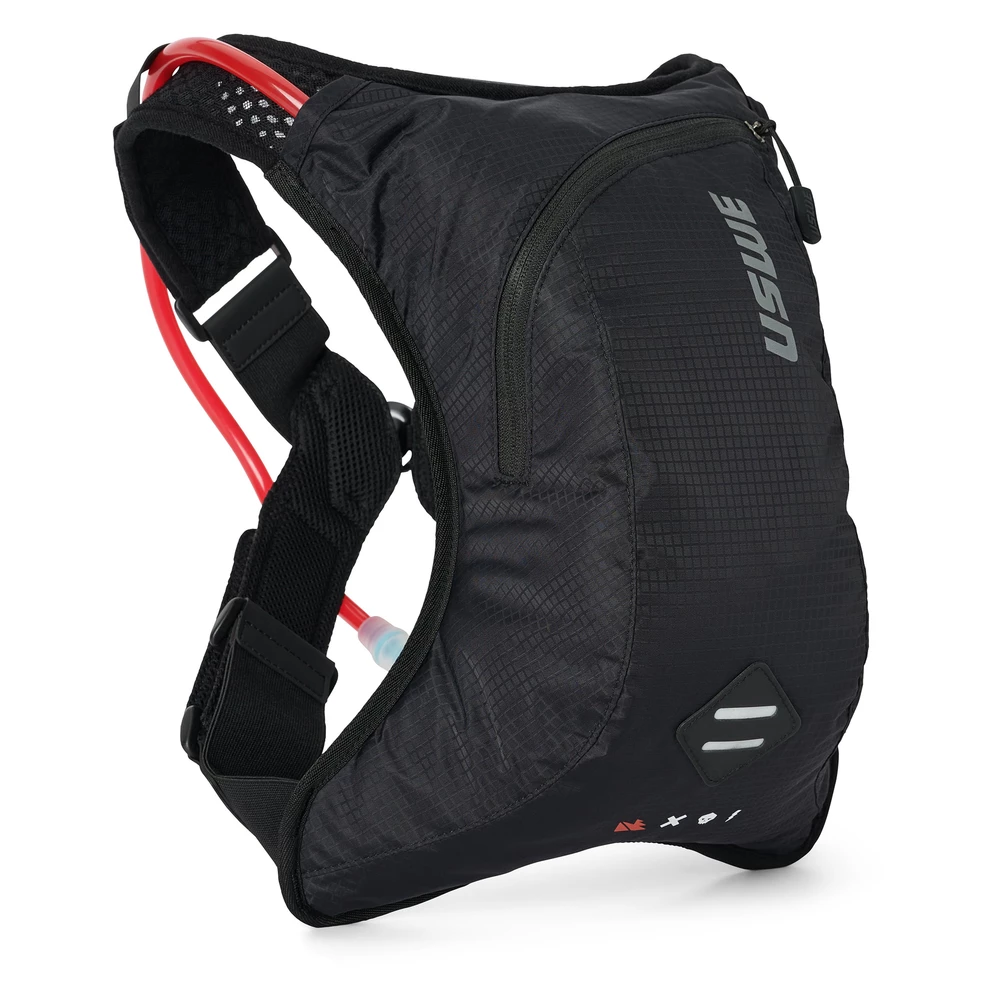
USWE Outlander XC Hydration Pack - 4L
A zero-bounce powerhouse featuring a 4-point harness and a high water-to-weight ratio for serious XC and Enduro competitors.
For
- +Zero vertical bounce
- +1.5L reservoir
- +Proven aero benefit
Against
- –Tight harness fit
- –Initial chemical taste
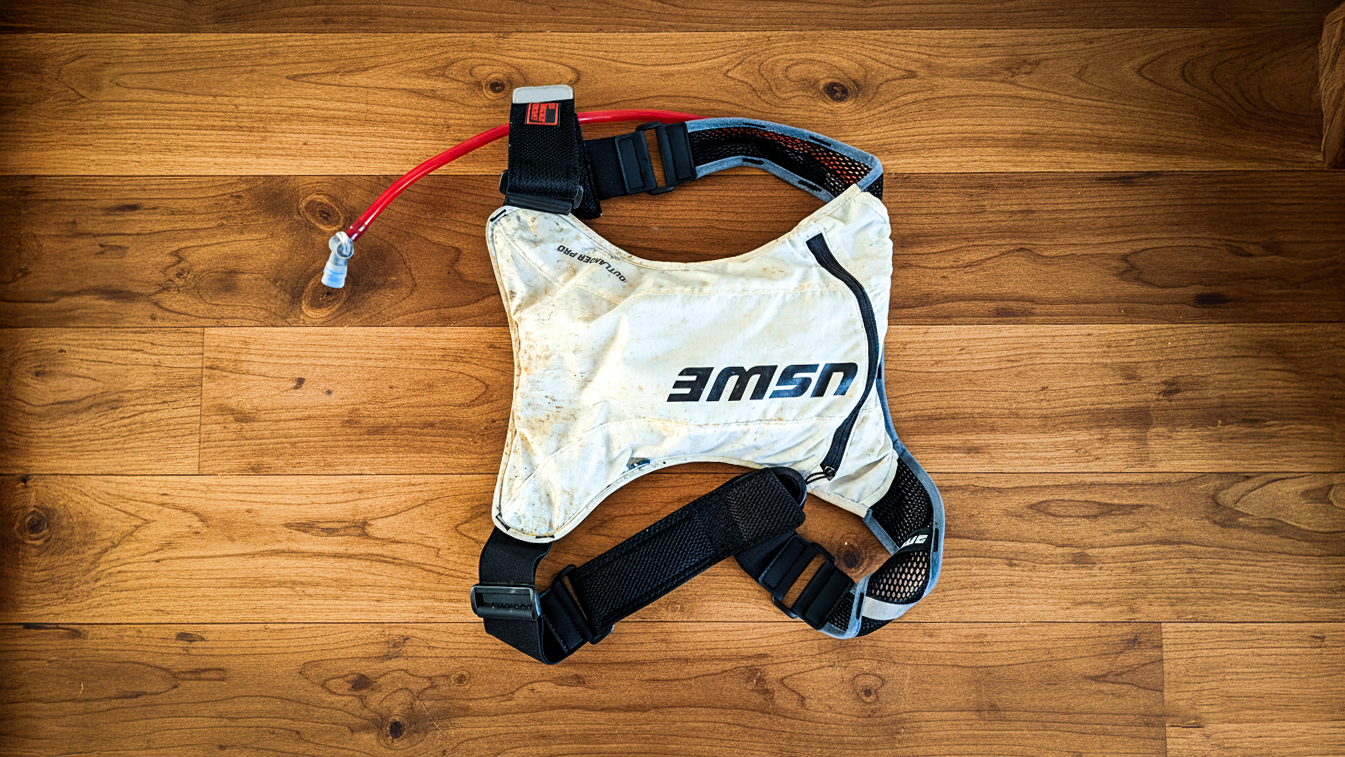
If you hate pack bounce, the USWE Outlander 4L is the answer. It uses the No Dancing Monkey 1.0 harness which is basically a four-point stretch system that cinches to your chest. It stays glued to your back during jumps and technical rock gardens. Within the small 4-litre total volume, it carries a solid 1.5-litre Elite bladder. The harness can feel a bit snug if you have a very broad chest, but that is the price you pay for zero movement. I own an earlier version of this pack and it has performed really well. It's even been tested in a wind tunnel (Dylan Johnson & Silca) and saves between 1 and 3 watts.
Velora review
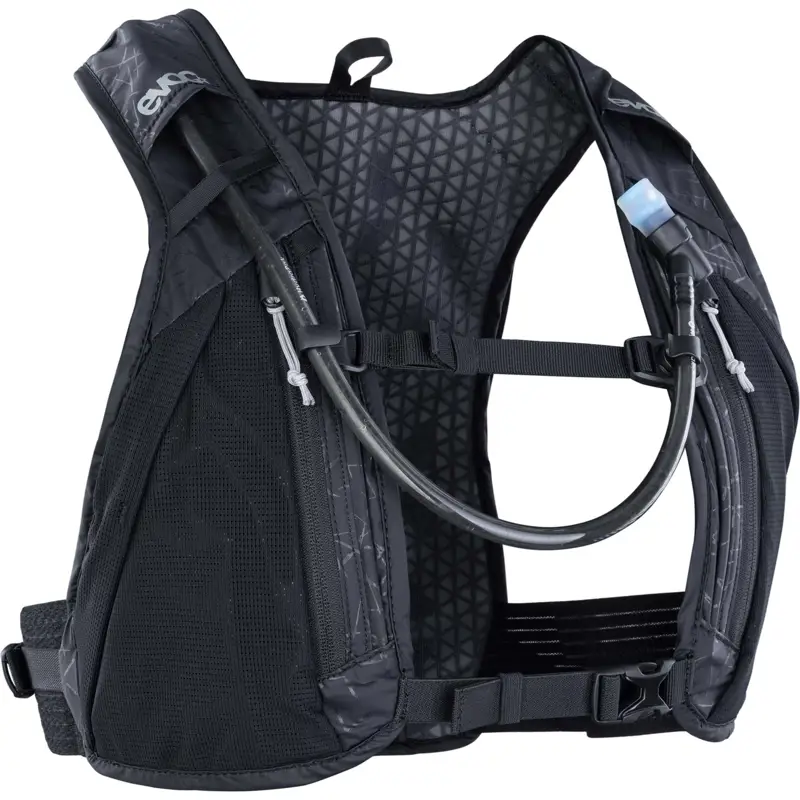
EVOC Hydro Pro 6L
A high-performance hybrid that brings trail-running efficiency to the bike, featuring front pockets for easy nutrition access.
For
- +Superior weight distribution
- +Easy snack access
- +Strong magnetic dock
Against
- –Expensive for capacity
- –Can get hot in summer
The EVOC Hydro Pro 6L bridges the gap between a running vest and a cycling pack. I've found that vest-style packs are the best for gravel because they distribute weight across your chest rather than pulling on your shoulders. This pack sits high on the back and features wide shoulder straps that hold two mesh pouches for snacks. You can eat on the fly without reaching behind you. It comes with a 1.5-litre bladder, which is standard for racing. The magnetic hose dock is a standout feature, it is strong enough that the tube just snaps into place without you looking. It is pricey for a 6-litre pack, but for self-supported endurance events where every second counts, the accessibility is worth the premium.
Velora review
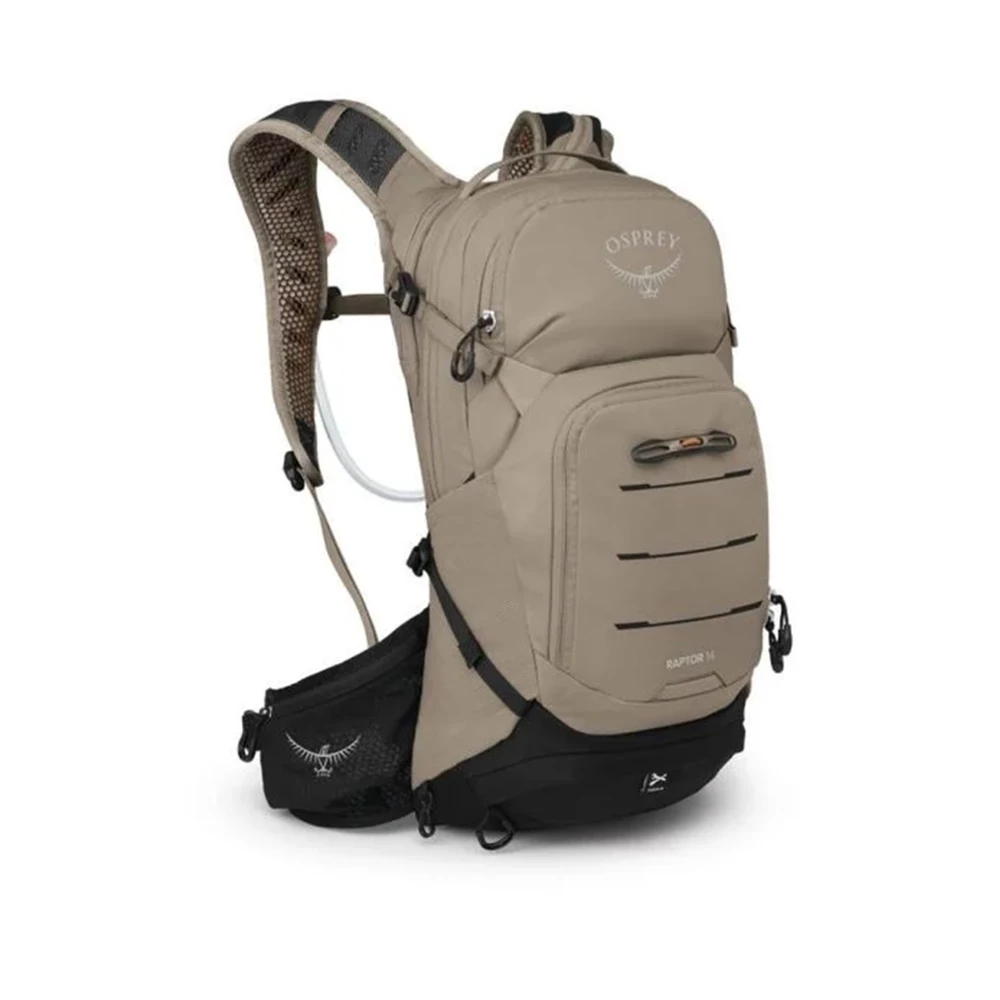
Osprey Raptor 14 Backpack
The industry benchmark for organization and versatility, featuring a dedicated tool roll and a highly stable, ventilated harness.
For
- +Included tool roll
- +Sustainable materials
- +Exceptional stability
Against
- –Heavier than average
- –Not waterproof
The Osprey Raptor 14 is the gold standard for all-mountain riding. If you are heading out for a four-hour epic, this is the pack you want. It carries 2.5 litres of water and has 14 litres of total storage. The standout feature is the removable tool roll that lives in its own bottom compartment. It makes trailside repairs much less stressful when all your tools are laid out in one place. The AirScape back panel and winged harness wrap your hips, making the pack feel much lighter than its 800-gram starting weight. It is not the lightest or the cheapest, but it is the most well-thought-out piece of gear on this list. It is built to last for years of abuse.
Velora review
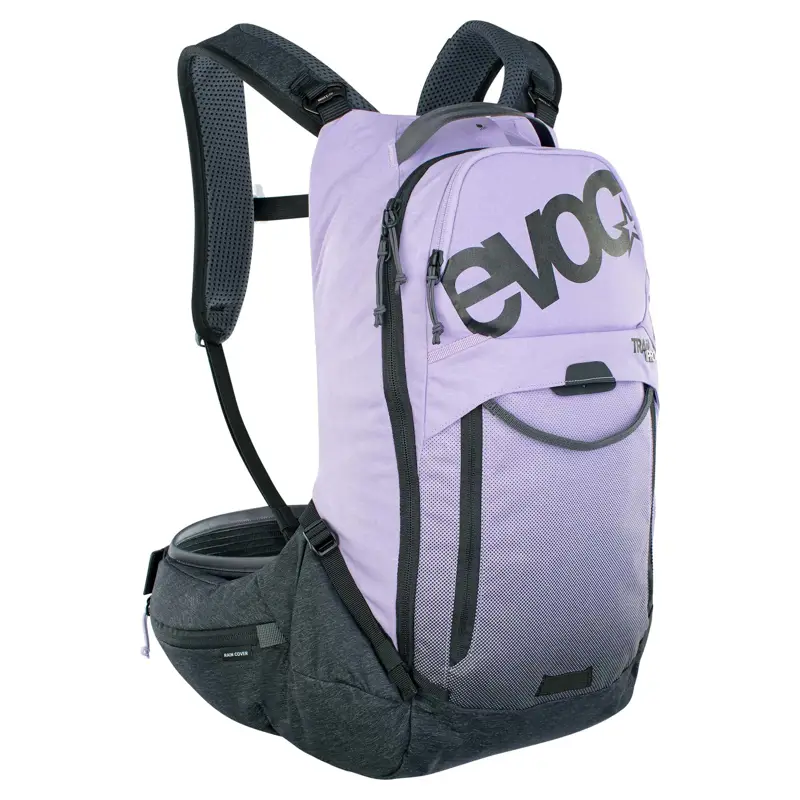
EVOC Trail Pro Protector Backpack
Safety meets hydration in this premium enduro pack, featuring a Level 2 spine protector and a body-hugging fit for technical terrain.
For
- +Certified back protection
- +Excellent weight distribution
- +Multiple torso sizes
Against
- –Premium price point
- –Reservoir often sold separately
For the gravity crowd, the EVOC Trail Pro is more than a hydration pack: it is safety gear. It features an integrated LITESHIELD PLUS back protector that meets CE Level 2 standards. If you take a hard fall on your back, this pack could literally save your spine. It is compatible with 3-litre reservoirs, though you usually have to buy the bladder separately. The 16-litre version is the sweet spot for enduro riding, offering enough room for a full day of gear while staying remarkably stable. The extra-wide hip wings are the secret to its comfort, they move the load from your shoulders to your pelvis. It is an expensive investment, but the peace of mind on technical descents is priceless.
Wrap Up: Finding Your Perfect Hydration Pack
The best hydration pack for you depends on how long you ride and where you ride it. For sub-two-hour spins, go minimal—the weight savings and improved comfort are worth the reduced capacity. For all-day epics, prioritise storage and a proper hip belt that transfers load to your pelvis. And if you're riding anything technical, try before you buy: harness fit varies wildly between brands, and a pack that bounces will drive you mad within the first mile.
For lightweight XC riding, the CamelBak Hydrobak Light is hard to beat at just 170g. If stability is your priority—particularly on technical terrain—the USWE Outlander 4L's harness system eliminates bounce entirely. Gravel racers will appreciate the vest-style accessibility of the EVOC Hydro Pro 6L, while the Osprey Raptor 14 remains the best all-rounder for those who need storage, comfort and durability in one package. And if you're riding steep, rocky descents where crashes are a real possibility, the EVOC Trail Pro's CE Level 2 spine protection offers genuine peace of mind.
Whatever you choose, commit to a few rides before passing judgement. Hydration packs feel odd at first but quickly become second nature. Once you've found the right fit, you'll wonder how you ever managed with bottles alone.
FAQs
The key is drying it out completely. After every ride, rinse it with clean water, then use a hanger or a dedicated drying rack to keep the walls of the bladder apart. I recommend storing it in the freezer once it is dry, as cold prevents bacteria growth. For deep cleans, use a mixture of water and a tablespoon of bleach or specialized cleaning tablets.
Packs are better for technical mountain biking where you cannot take your hands off the bars to reach for a bottle. They also carry significantly more water (up to 3 liters vs 0.7 liters in a bottle). However, bottles are cooler and keep the weight off your back. Most riders prefer packs for rides over two hours or for technical terrain.
For a full-day epic (4+ hours), look for a pack with at least 10 liters of total volume and a 2.5 or 3-liter reservoir. This gives you enough room for plenty of water, extra layers, a full repair kit, and enough snacks to keep you moving.
For traditional backpacks like the Osprey Raptor, a waist belt is essential to keep the pack from swinging side to side. However, newer 'No Dancing Monkey' or vest-style packs use different harness geometry to stabilize the load without needing a belt, which many riders find more comfortable for deep breathing.
Women-specific packs usually have a shorter torso length and shoulder straps that are curved differently to accommodate the chest. Some brands also use narrower shoulder straps. If you are a shorter rider or have a smaller frame, a women-specific pack often provides a much better fit regardless of gender.
I would advise against it. E-bike batteries are heavy and can cause serious injury if they shift or if you land on them in a crash. If you need to carry a spare, look for dedicated packs like the Dakine Drafter or CamelBak M.U.L.E. Pro, which have reinforced, centered compartments designed specifically for that weight.