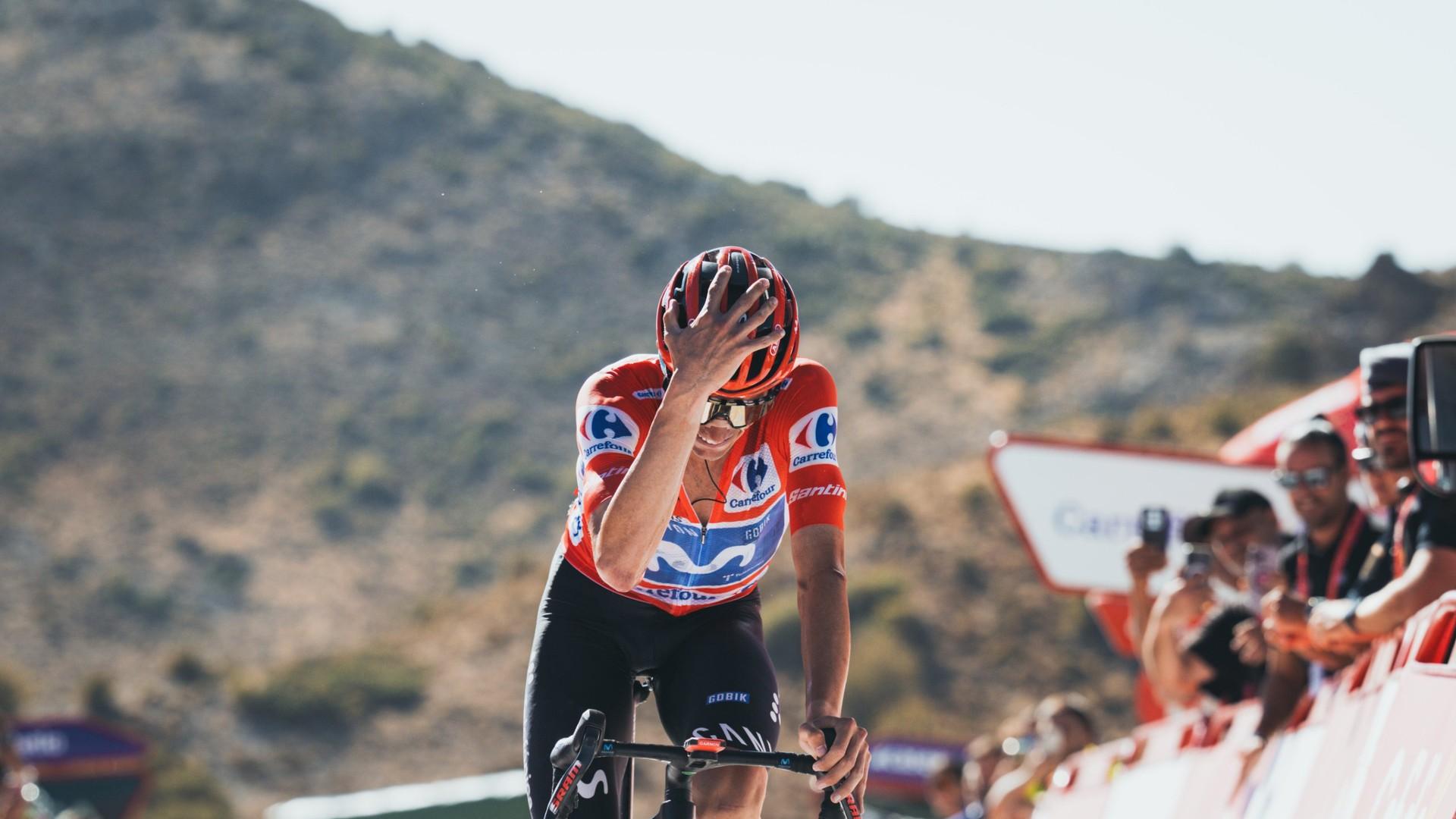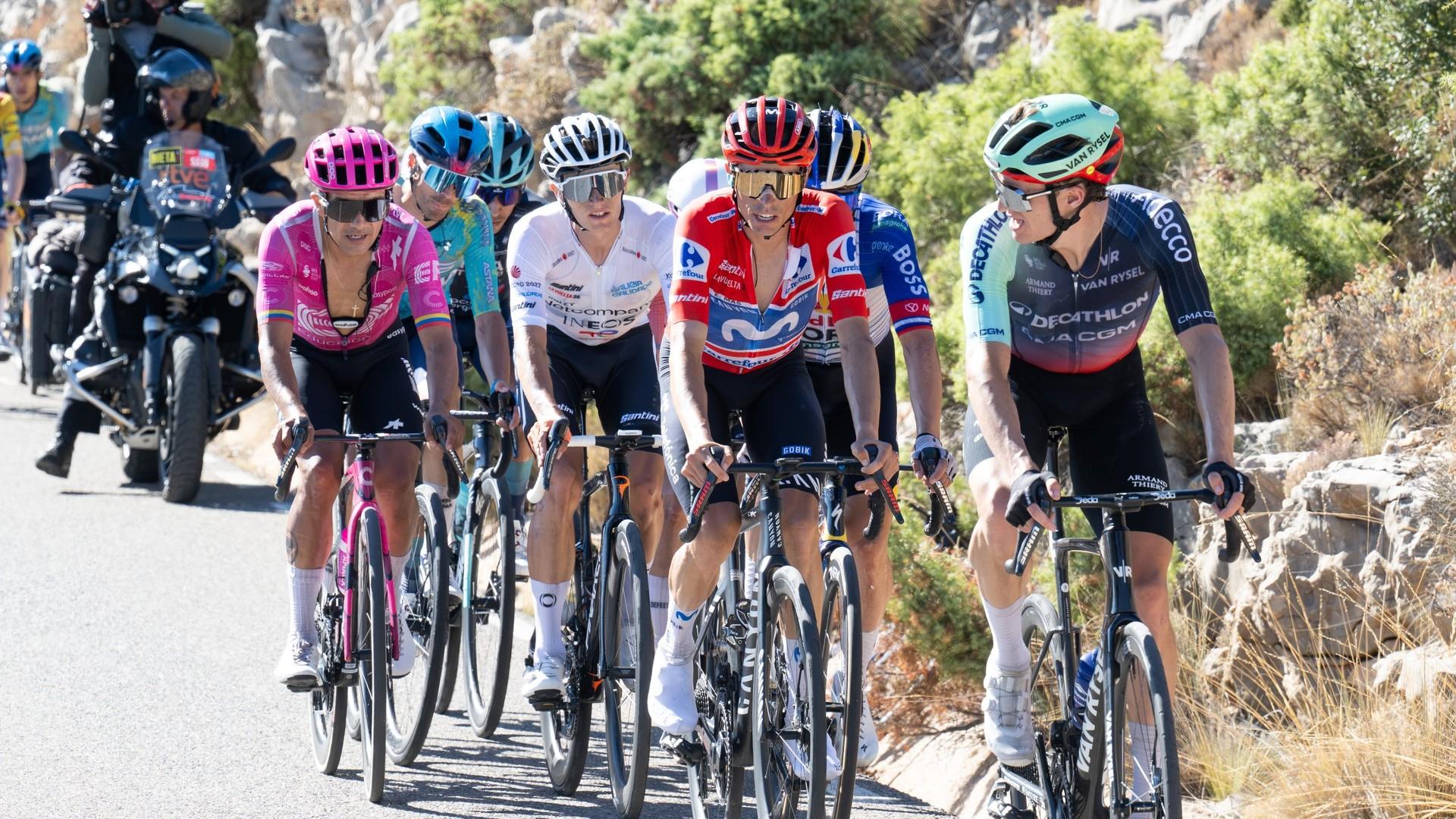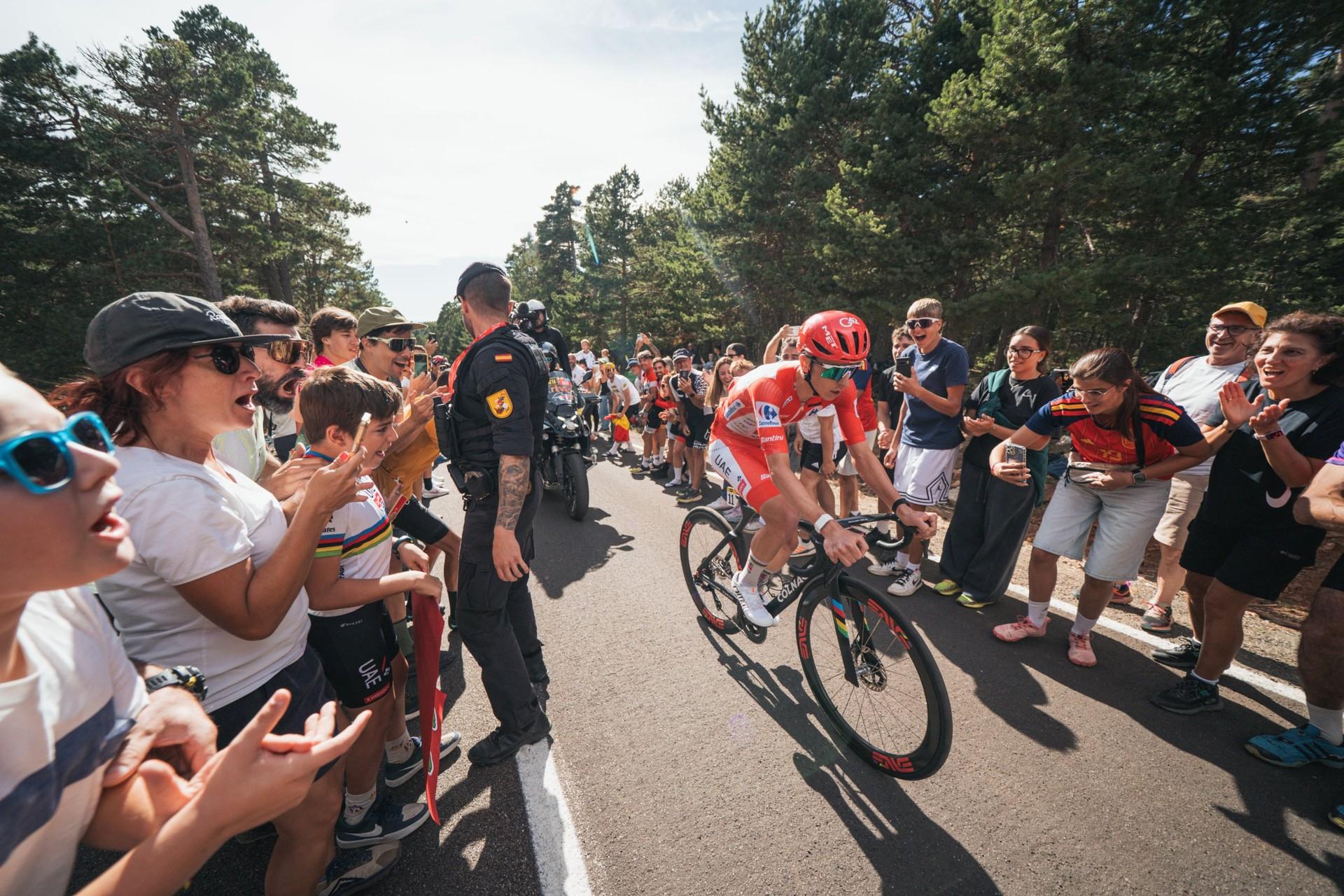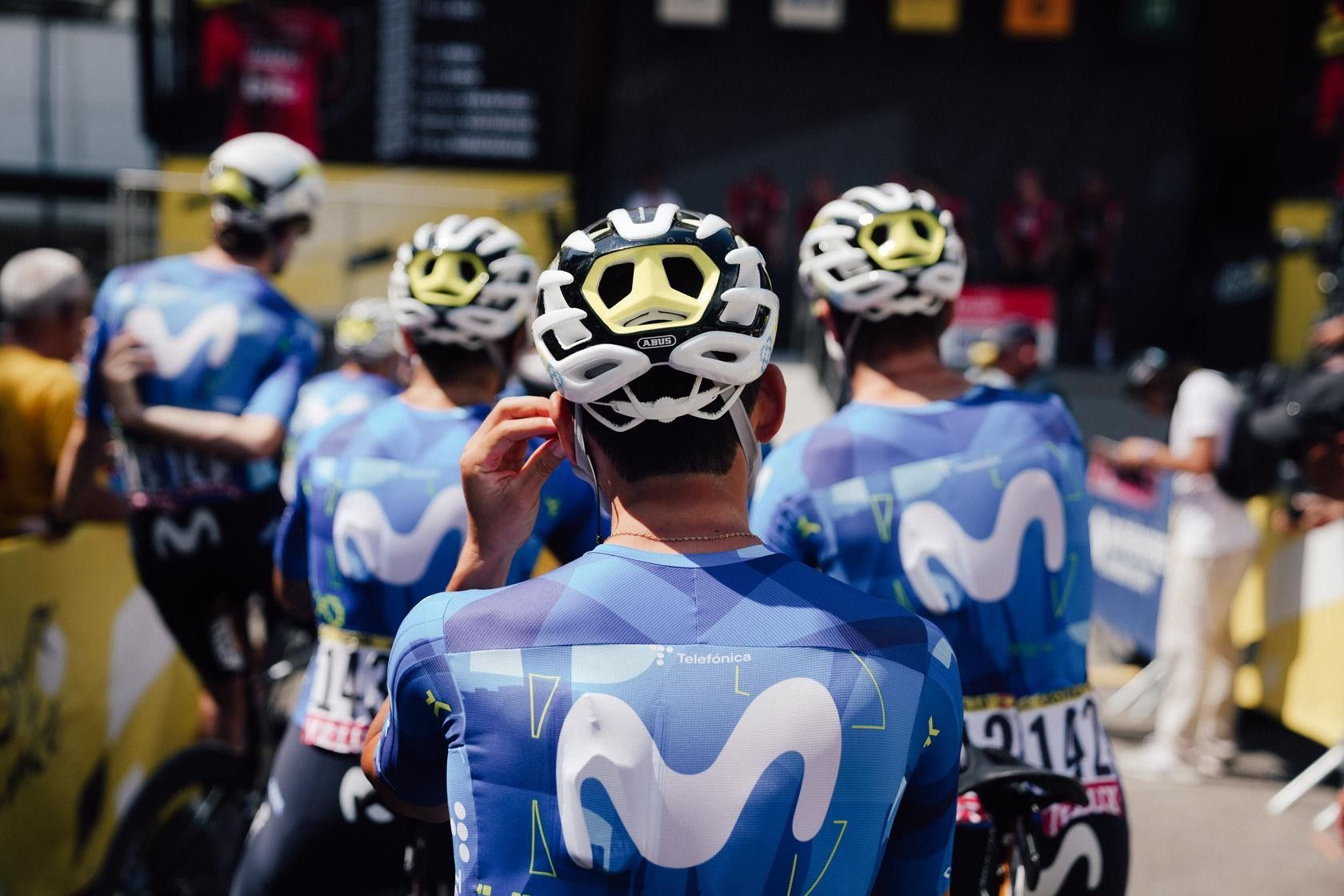
Cian Uijtdebroeks (Movistar Team) crossed the line in Andorra la Vella last on stage 4 of the 2026 Vuelta a España, crying after 104.8 kilometres spent struggling with injuries from a crash two days earlier.
The 23-year-old had repeatedly lost contact with the peloton after the crash on stage 2 but continued on through the next couple of stages before withdrawing from the race on the morning of stage 5 after finishing last the day before, over 26 minutes behind stage winner Tadej Pogačar (UAE Team Emirates-XRG).
Movistar withdrew Uijtdebroeks before stage 5, saying further examinations had shown his injuries were more extensive than first estimated. Its public messages praised his effort and described him as a fighter.
That sequence of events raises a legitimate question about Movistar’s management culture, even if exactly who cleared Uijtdebroeks to start stages 3 and 4 and why isn’t yet clear.
A recurring pattern, with important limits
Uijtdebroeks’ suffering isn’t a new sight among Movistar leaders. The Spanish WorldTour squad’s biggest names have repeatedly remained in races despite injury or illness during Unzué’s long tenure. The details vary, while the evidence seldom establishes where rider choice ended and management influence began.
Nairo Quintana was suffering from gastroenteritis, fever and stomach problems at La Vuelta in 2015, when he was in his prime. The team doctor, Jesús Hoyos, said to Cyclingnews at the time that he had improved before stage 13, adding: “His body’s empty, two days like that take it out of anybody.” He also raised the possibility of withdrawal and said: “A body has its limits.”
Quintana actually improved and pushed on to finish sixth on stage 14 and eventually finished just off the podium in the final GC of the race won by Fabio Aru ahead of Joaquim ‘Purito’ Rodríguez and Rafal Majka.
Alejandro Valverde also attempted to continue racing after an injury. This was an alarming incident on stage 7 of the 2021 La Vuelta, when the former world champion and Movistar star crashed through barriers at the roadside. He spoke with team staff and doctors before continuing. He rode only a short distance before abandoning in tears. It was later revealed that he had fractured his collarbone and sustained shoulder and hip injuries.
Enric Mas continued after crashing on the Mur de Bretagne stage of the 2025 Tour de France, then abandoned with worsening leg trouble during the third week. Tests subsequently found thrombophlebitis in his left leg, which Movistar described as possibly post-traumatic. The condition ended Mas’s season and was followed by surgery in October.
There have also been moment where Unzué openly spoke about his disappointment in Mas’ form at this year’s Giro d’Italia. Mas started at the 2026 Giro d’Italia after about eight months without racing, having spoken before the race about challenging for the podium. He finished 32nd, well over an hour down, but did take second on stage 11 behind stage winner Jhonatan Narváez (UAE Team Emirates-XRG).
Unzué told AS on May 24 that Mas had been far below Movistar’s expected level. “The real tests are in the races and there, unfortunately, the mark he’s got is a fail,” he said.
That was a severe public judgement of a rider returning from surgery and a long absence. Unzué also supplied essential context: Mas had trained without problems, nobody knew how his body would respond in decisive race efforts, and he needed patience and further competition.
Toughness and welfare coexist in Unzué’s record
We can look further back to examples from the team’s Banesto days, where the late José María Jiménez was chastised by Unzué after a poor display in the TTT at the 2000 Tour de France. Jiménez went on to battle back and put in some great displays but missed the mark that his team boss was looking for. The team appears to place considerable value on endurance and sacrifice.
Similarly, Movistar leapt to praise Uijtdebroeks as a fighter after he battled through almost all of stage 4 at La Vuelta on his own. It reflects cycling’s long-established admiration for riders who keep going even when in considerable pain. But is that healthy? Modern public expectations have shifted towards rider welfare, earlier withdrawals, clear medical safeguards and communication that doesn’t make out that riders are failures for stopping.
Celebrating perseverance through injury or illness deserves greater scrutiny. Movistar praised Uijtdebroeks for pushing on, but the next morning said further examinations had shown that the Belgian climber’s injury was “more extensive” than initially estimated.
Unzué has, at times, been harsh with his words to his riders. However, he has called out the sport for being “the most conservative sport” and how rules needed changing to become less brutal. He proposed allowing riders to leave a race for a medical examination and return the next day if the issue was not serious, as well as allowing substitutions in Grand Tours. The latter may be more workable than the former.
“We want more humanity,” Unzué said to media in 2024. “We want to protect the riders’ health.”
The record is troubling in places, but the pattern is not unique to Movistar and is more complex than a simple verdict. Movistar riders have often continued through injury or illness, and Unzué has publicly graded performance in unforgiving terms. The same manager has advocated rules designed to reduce pressure on injured riders.
The reality for fans is painful spectacles such as Uijtdebroeks’ withdrawal, and moments that can appear troubling for riders. In a sport which celebrates souffrance, we may still have to approach rider welfare more critically.