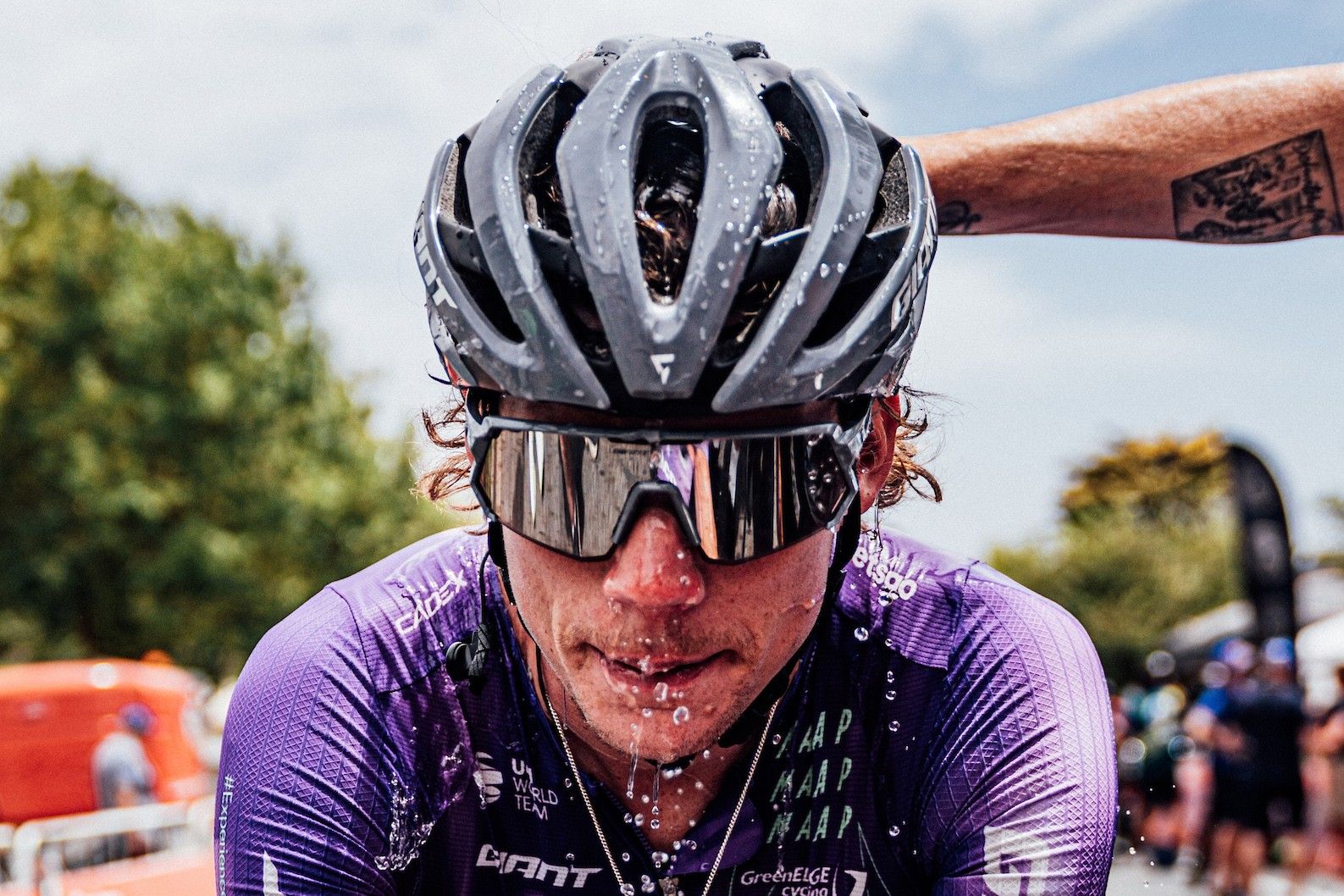
Kelland O'Brien (Team Jayco AlUla) is out of the 2026 Tour de France after finishing stage 4 outside the day's time limit. He completed the stage despite knowing his race was over.
Tour debutant O'Brien had been suffering since crashing during stage 2, when he was among eight riders brought down in an incident that also involved Biniam Girmay (NSN), Maxim Van Gils (Red Bull-BORA-hansgrohe), and Silvan Dillier (Alpecin-Premier Tech). The lingering effects left him unable to stay within the required time allowance on the 181.9km stage from Carcassonne to Foix, where temperatures reached around 40°C.
How the Tour time cut works
The Tour de France assigns each stage a difficulty coefficient, ranging from coefficient 1 (flat, no particular difficulty) through to coefficient 5 (very difficult short stages), with separate 30% allowances for individual and team time trials. The winner's average speed is then mapped against that coefficient to produce a percentage. That percentage of the winner's finishing time becomes the time limit.
Stage 4 was classified as coefficient 2, corresponding to rolling terrain. Within that category, the percentage allowance varies depending on how fast the winner completes the stage, ranging from 8% at slower speeds to 18% at the fastest.
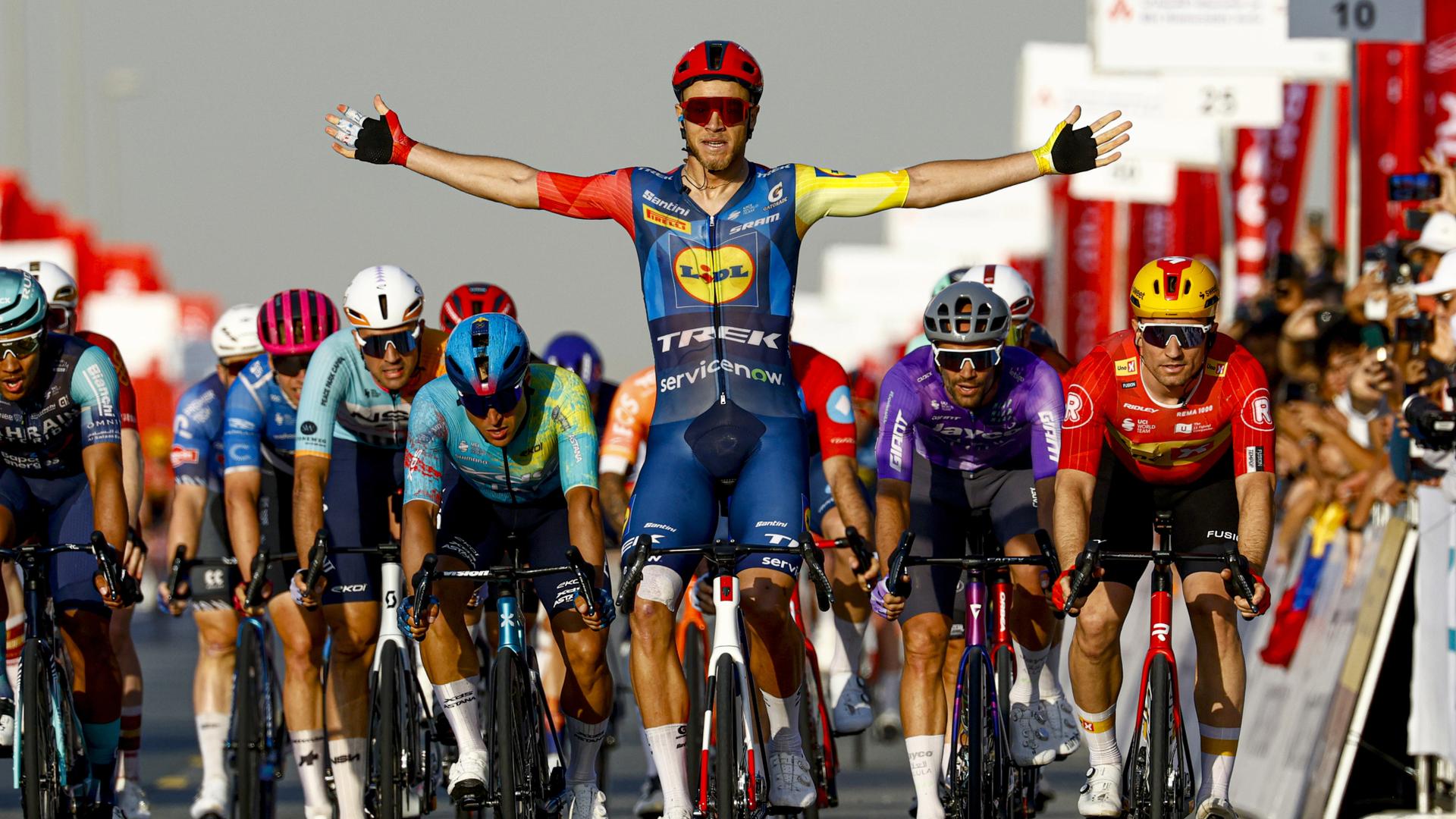
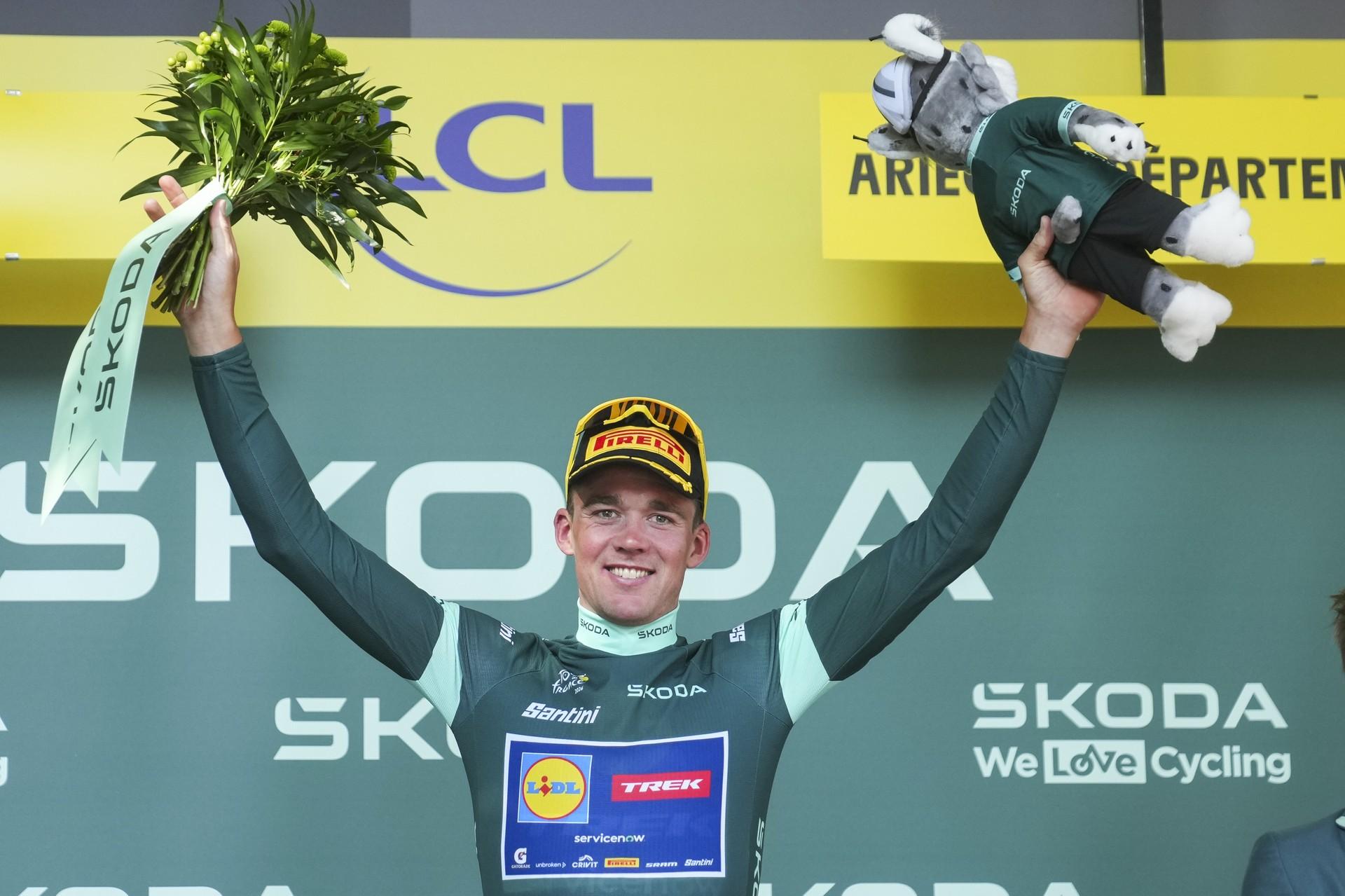
Mads Pedersen (Lidl-Trek) won stage 4 in 4 hours, 10 minutes and 45 seconds. The time cut was set at 37 minutes and 37 seconds after Pedersen crossed the line in Foix, meaning the last safe finishing time was 4:48:22. O'Brien finished beyond that threshold.
After the stage, O'Brien said in a video interview with SBS: "I crashed on the first road stage and my body is just not right after the crash." He said: "My back is in a lot of pain and I just had no power to the legs. It's a shame."
He went on to say how he had hoped he'd be able to find some form out on the road but it wasn't to be. "In the end, it wasn't enough. So, I just have to apologise to my team and wish them all the best."
Commissaires can make exceptions
In some extreme cases, the race commissaires can bend the rules and allow riders to continue. These circumstances can include severe weather, serious accidents, road blockage and more. The most famous example came in 2011, when Mark Cavendish missed the time cut on stage 18 of the Tour de France while wearing the green points jersey.
Andy Schleck had won the stage to the top of the Galibier after a long-range attack to gain time on race leader Thomas Voeckler. The time cut was set at around 33 minutes with Cavendish's main green jersey rival, José Joaquín Rojas, made it inside the limit by roughly 90 seconds. Cavendish didn't make it. He actually missed it by around two minutes.
But there was something that saved him: the size of the group. Cavendish was part of a group of 88 riders who all finished outside the time limit, almost half the peloton, which would've been absolutely bizarre for the commissaires to remove from the race. The riders knew this and stuck together all the way to the line despite being outside the limit. After discussions, the commissaires allowed all the 88 riders to continue. Cavendish went on to win the final stage in Paris and secured his and Britain's first ever green jersey by 62 points over Rojas.
No such reprieve came for O'Brien on stage 4. His Tour ended with the standard application of the rule, 37 minutes and 37 seconds after Pedersen crossed the line in Foix.