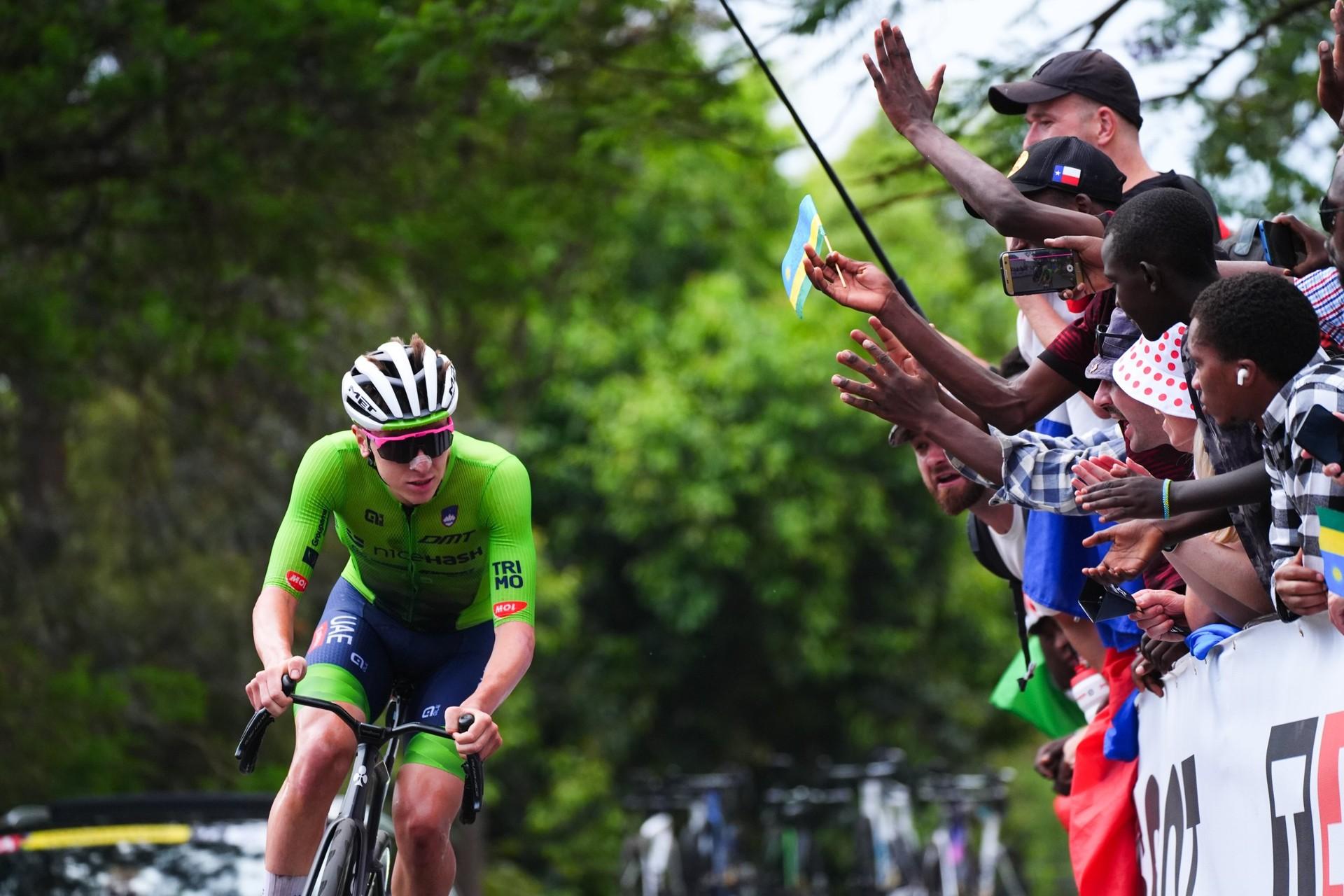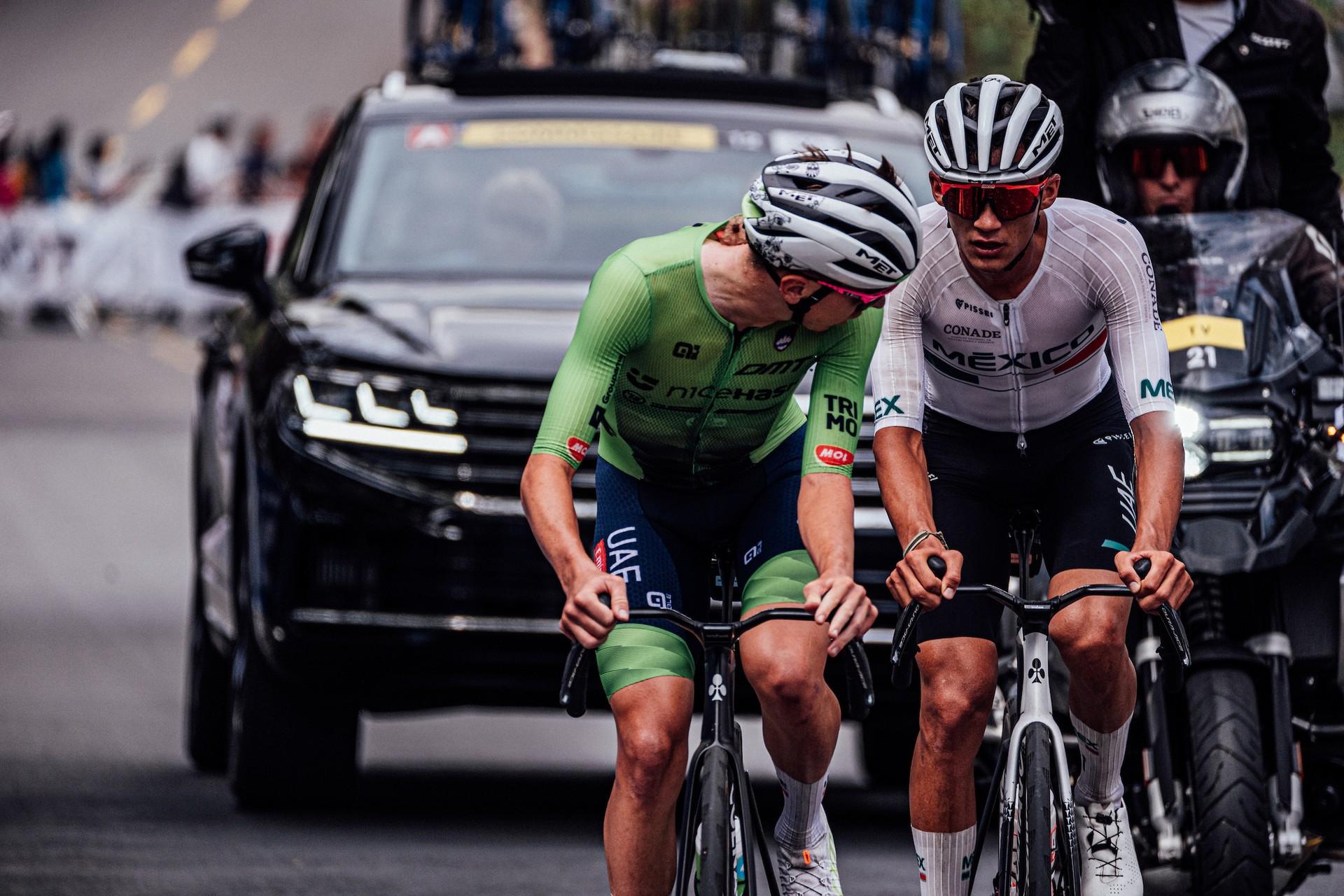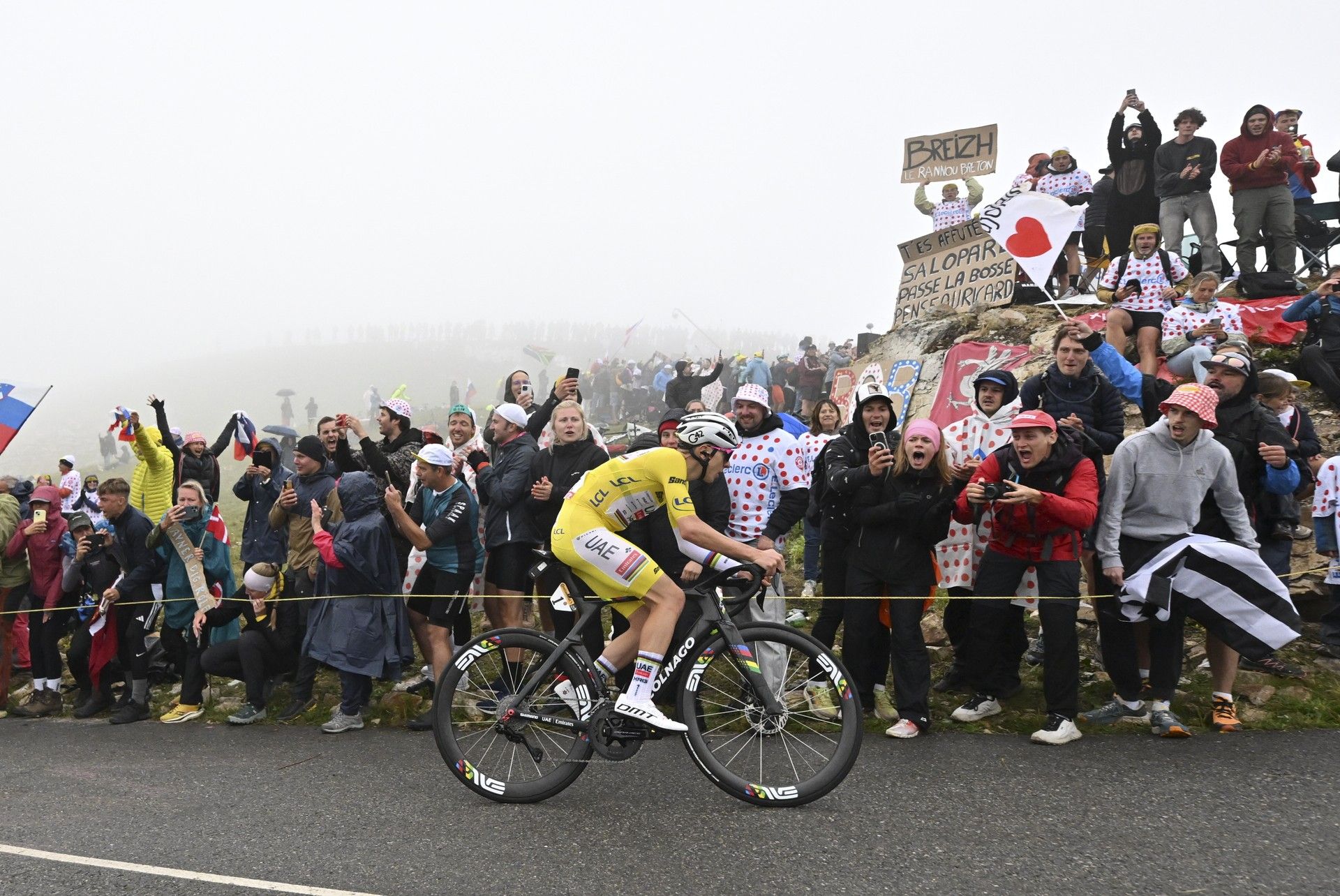
Tadej Pogačar's long-range solo attacks are not gambles but predictable outcomes built on a foundation of strength and intensity work, according to his performance coach Javier Sola.
Speaking at UAE Team Emirates' winter training camp in Benidorm, in comments reported by Bici.Pro, Sola said the methodology behind Pogačar's dominant 2025 season, which yielded 20 victories, removes the uncertainty that would make such efforts risky for other riders.
"There are no risks in his solo attacks," Sola said.
The claim centres on changes implemented since Sola took over Pogačar's preparation in late 2023. The new approach elevates off-bike strength training from a supplementary element to a core component of the programme.
"Strength is not an accessory but a central pillar," Sola said.
The rationale is that heavy resistance work builds neuromuscular durability, allowing Pogačar to maintain power output deep into races where rivals fade. "The concept of balance between aerobic endurance and muscular strength is essential to sustained efforts on climbs, in time trials, and in race transitions," Sola said. When he attacks with 50km remaining in a Monument, then, his muscular system is conditioned for the load rather than operating at its limit.
Sola has also shifted the balance away from traditional high-volume aerobic training toward higher-intensity interval work, which Pogačar described as the "worst training" in a candid Fuglsang i Feltet podcast interview earlier in the winter. The objective is greater efficiency: more power produced at sub-maximal effort, reducing the metabolic cost of sustaining a solo effort over long distances.
Although not mentioned at the UAE Team Emirates camp, heat adaptation protocols, introduced in early 2025 using internal temperature monitoring, are also a key part of Pogačar's recent training focus. The Slovenian has shared images of turbo training in heavy winter clothing to adapt his body to the demands of mid-summer Grand Tour racing. He is also known to use the CORE body temperature sensor to further fine-tune his adaptations in high temperatures.
The insights of UAE Team Emirates coaches position Pogačar's performances as the product of methodical preparation rather than miraculous talent. Yet Sola maintains there is room for further improvement.
"We don't know what his true limit is," he said.