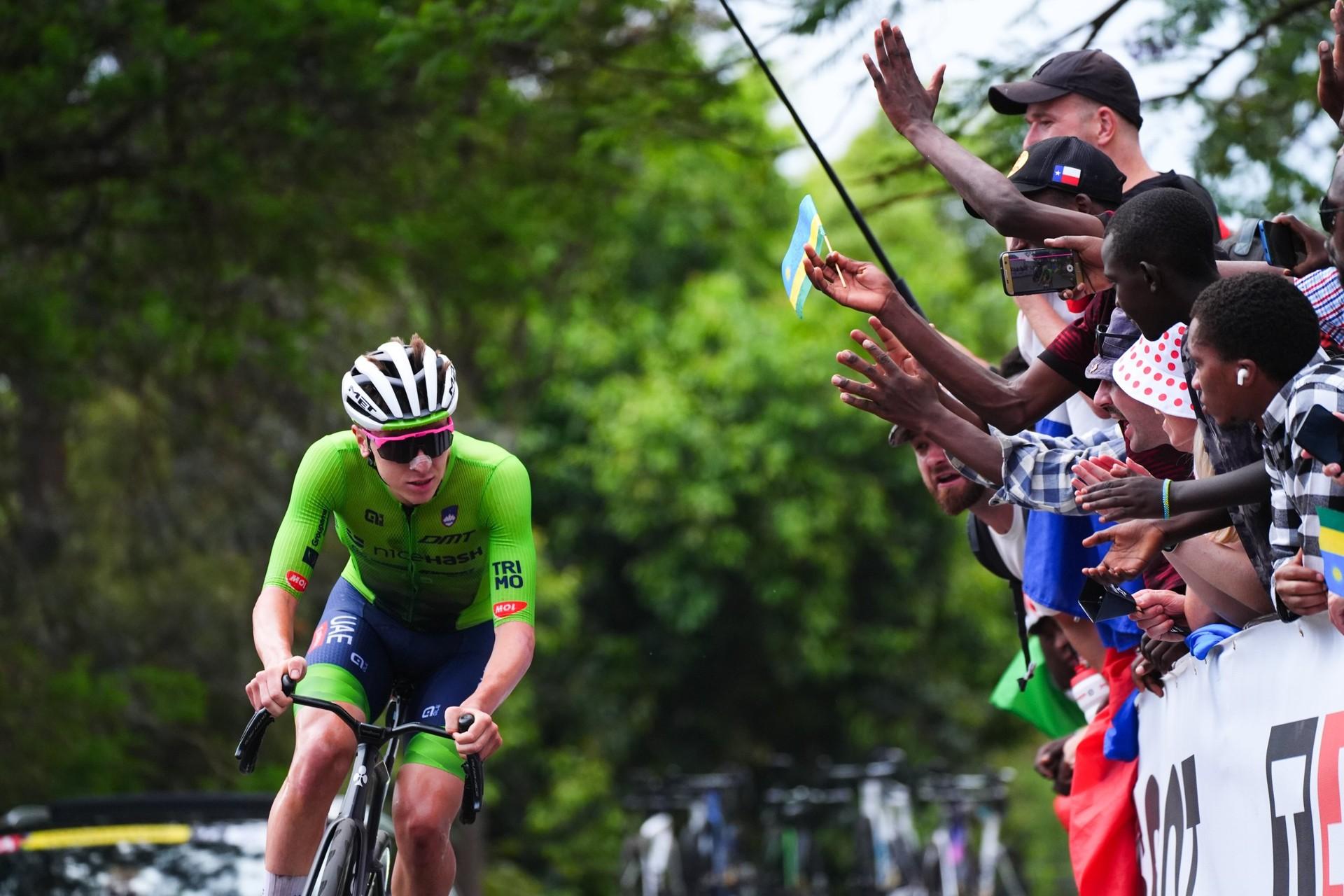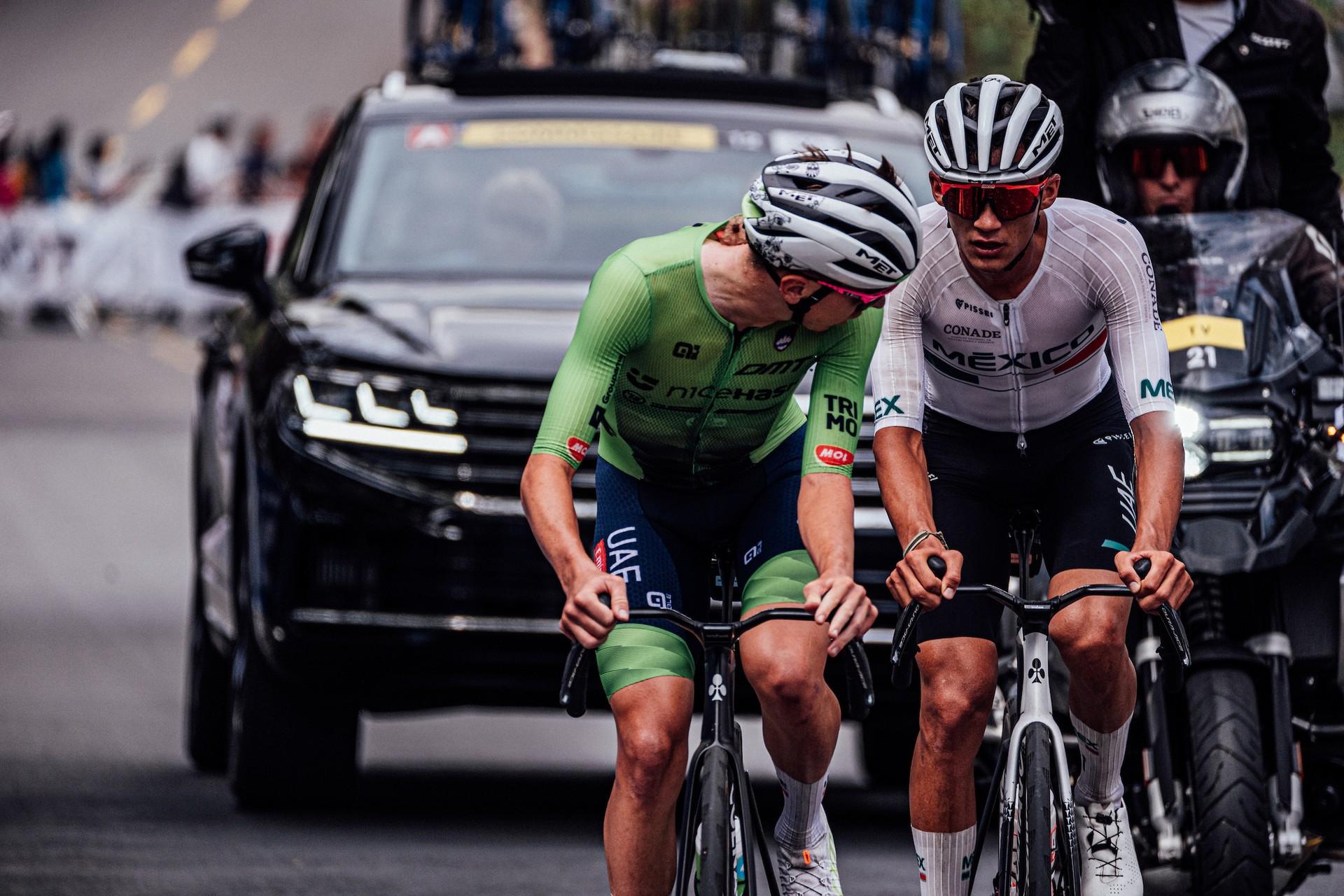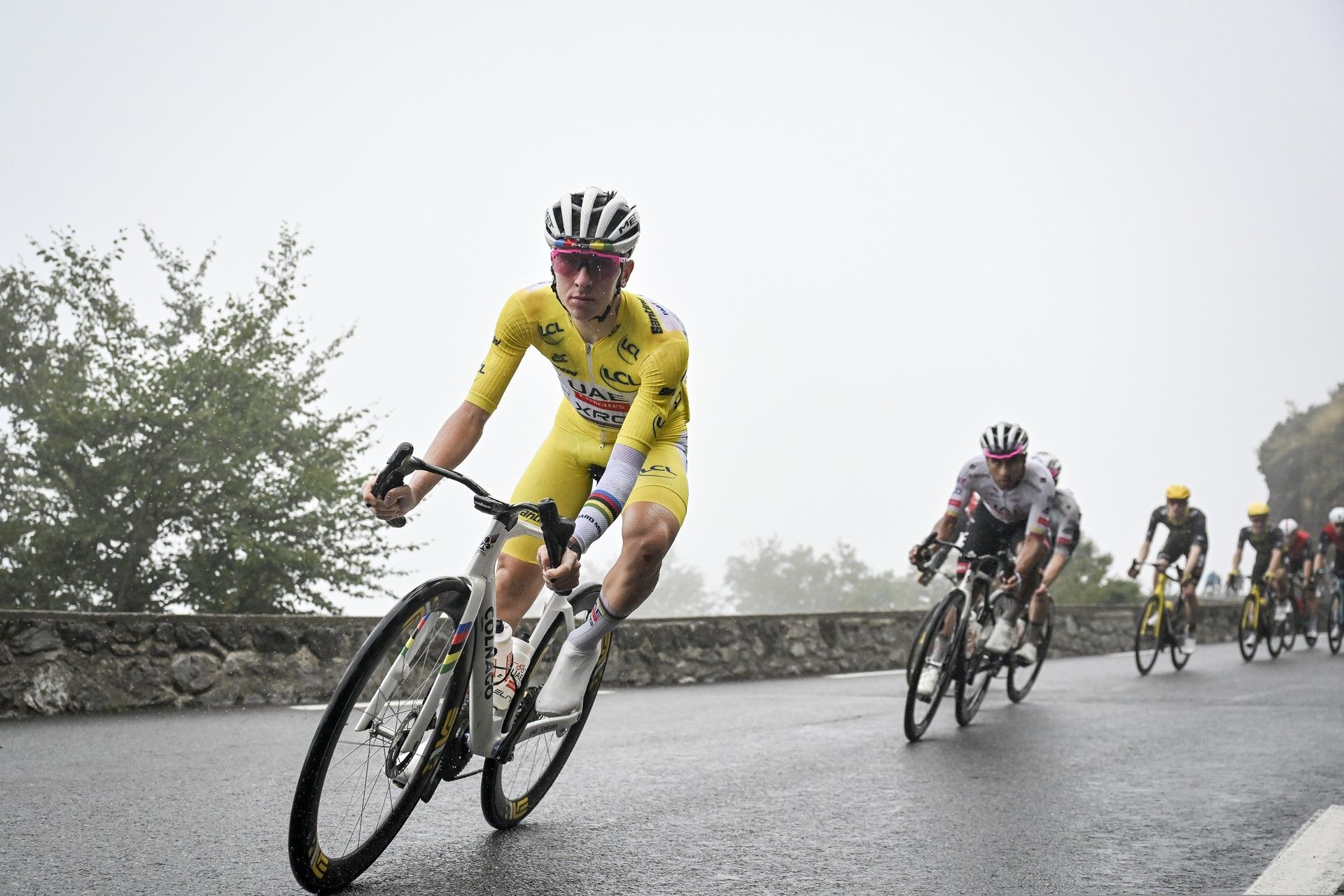
Tadej Pogačar (UAE Team Emirates) has admitted he loathes sprint‑heavy interval days in winter, calling classic repeated‑sprint blocks “the worst training” and nailing his colours firmly to the mast of long, steady Zone‑2 rides.
Speaking on Jakob Fuglsang’s Fuglsang i Feltet podcast, published on Spotify in early December, the Tour de France star described his least favourite session bluntly: “Ten sprints at the start and ten at the end… this is the worst training.” He added: “I do not like too much explosive stuff.”
By contrast, his ideal off‑season day is simple and brutally long. “In winter I just love Zone 2, five to six hours… you come home tired and f**ked but it's a really nice feeling,” he said.
The comments echo what Pogačar told The Peter Attia Drive in September 2024, where he outlined a Zone‑2‑first philosophy and said he could almost train “by heart rate only”. In that interview he attached numbers to that aerobic work, describing Zone‑2 power in the region of 320–340 watts and recounting tests that produced eye‑catching VAM figures.
Pogačar went on to explain his preparation for major one day races. "In the summer or before the big one-day race," he said, "I like to do six hours of quite high pace through the day, behind the motor. One to one-and-a-half hours – push it a little bit, and then some explosive [work] in the last hour."
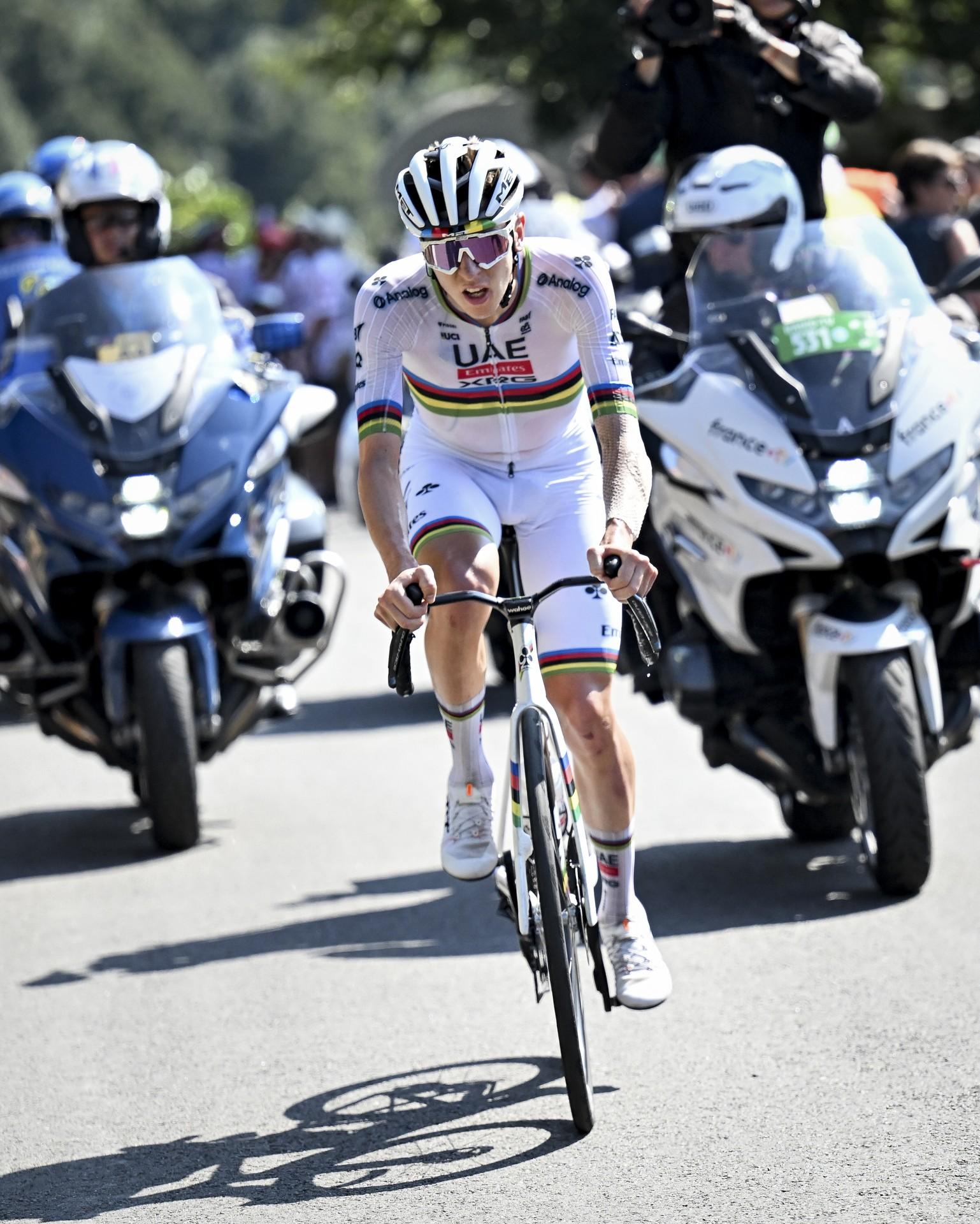
Physiologically, his stance is far from reckless. Long Zone‑2 rides build mitochondrial density, fat‑burning capacity and fatigue resistance, while repeated maximal sprints impose heavy neuromuscular and metabolic stress. Loading the base period with too many all‑out efforts can blunt aerobic adaptation and increase injury or over‑reaching risk.
The insights from both interviews paint a picture of a classic periodised model: big aerobic base first, then add race‑specific explosiveness closer to the Classics and Grand Tours.
For amateurs searching for a takeaway, the message is not to copy his numbers – they belong to a generational talent – but to copy the structure. Build your winter around mostly steady riding, sprinkle in intensity sparingly, and save the sprint‑fest for when race goals are on the horizon.