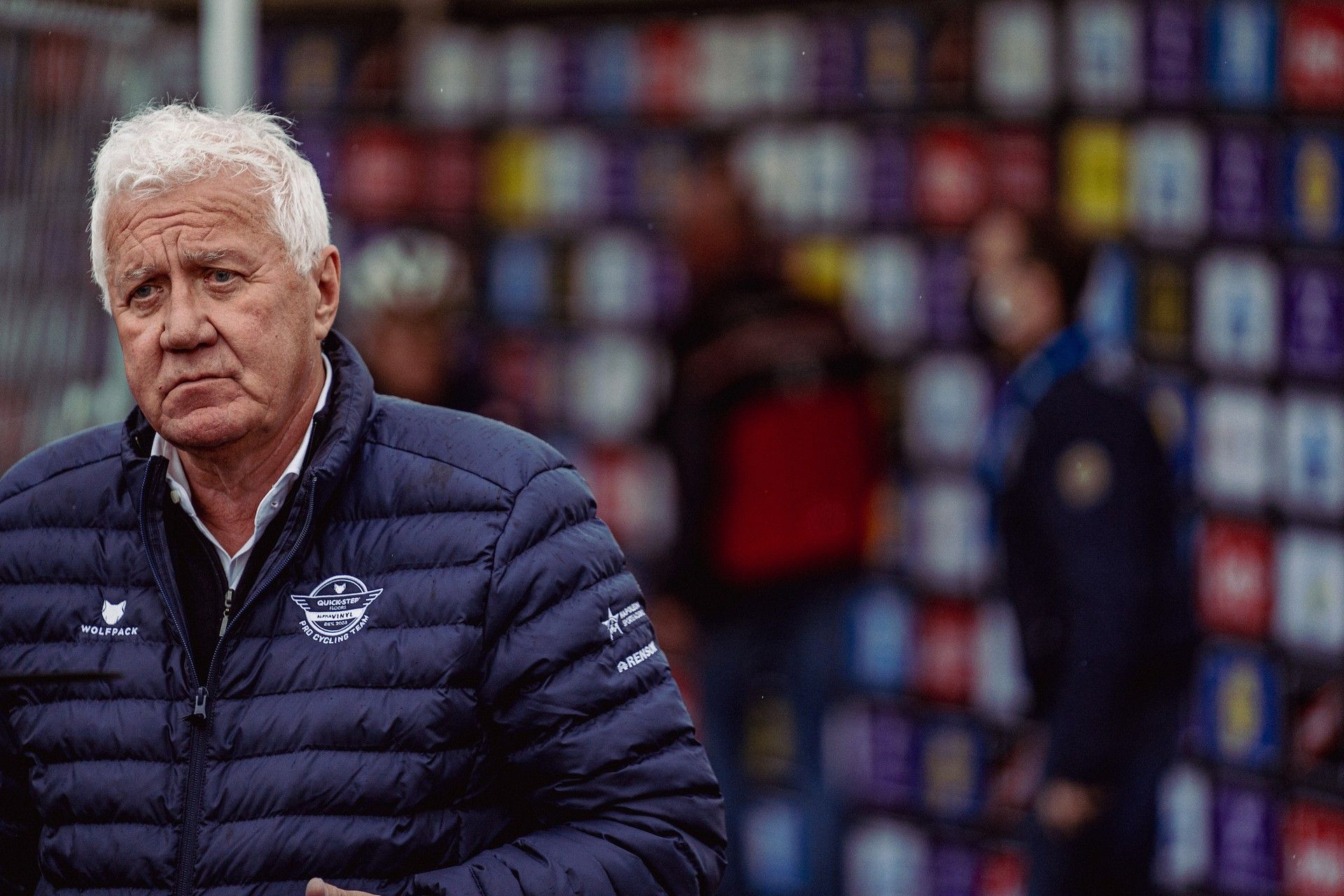
Patrick Lefevere has called for a mandatory minimum number of races days for professional riders, saying that the peloton has become "anaemic" with too many riders now being too selective with races as they follow the biggest names.
The former Soudal-QuickStep manager took aim at the pro peloton in his Het Nieusblad column on May 3rd, adding that the likes of Tadej Pogačar (UAE Team Emirates - XRG) and Mathieu van der Poel (Alpecin-Premier Tech) had created a "spill over effect" that was draining the sport of competitive depth.
The complaint is familiar. The proposed remedy is not. Lefevere acknowledged that the UCI's existing framework already caps rider workload, referencing a former maximum of 85 race days, but argued the sport now needs the opposite intervention.
“The last thing I would want is to encourage the UCI to introduce even more rules, but as a team, you have to respect a rider’s maximum workload," said Lefevere. "In my day, riders were not allowed to have more than eighty-five race days. Perhaps it is not a bad idea to set a lower limit as well. That Pogačar and Van der Poel limit themselves to the big races, that’s one thing. With many other riders, I think: ‘could it perhaps be a little more?'"
The numbers behind the argument
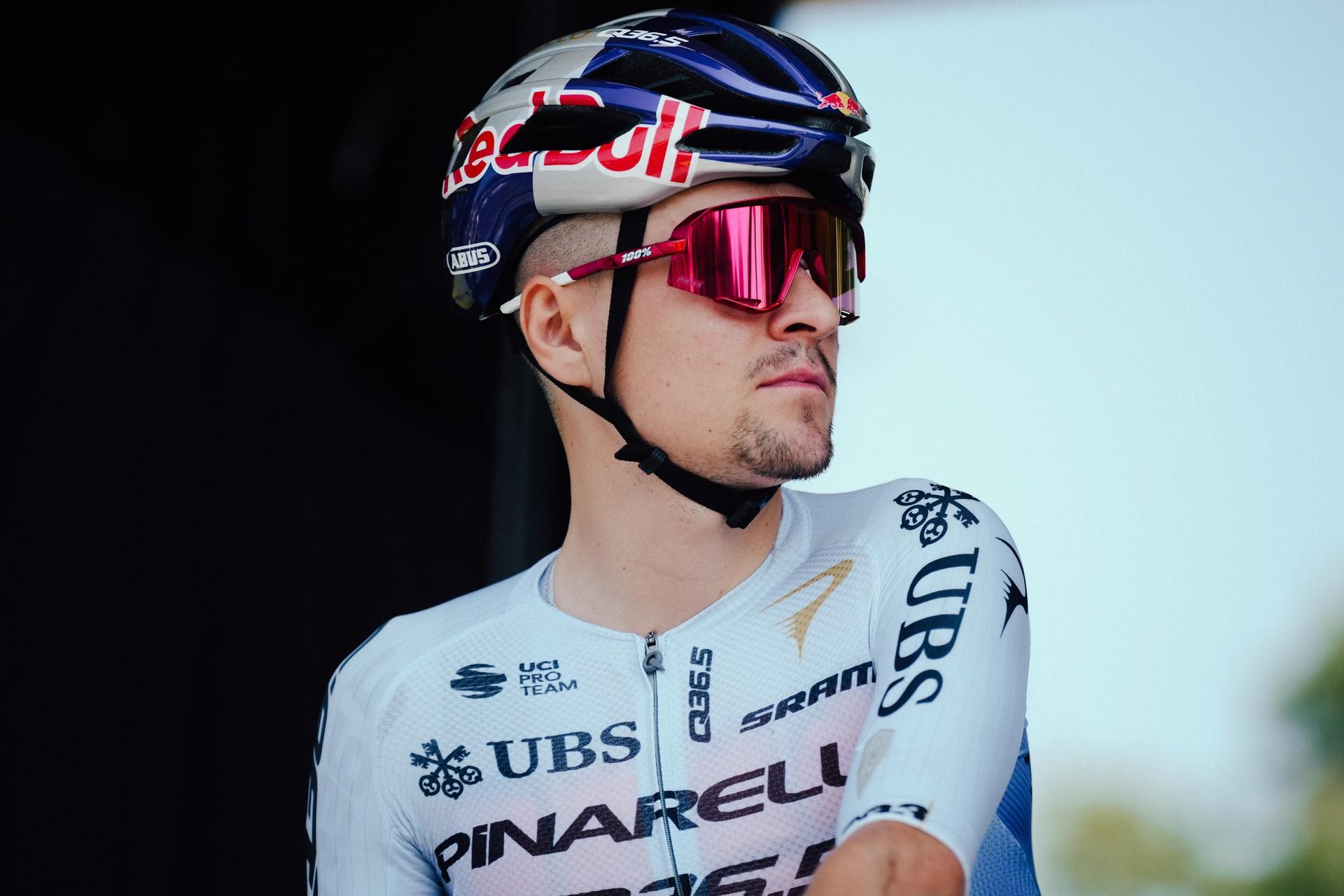
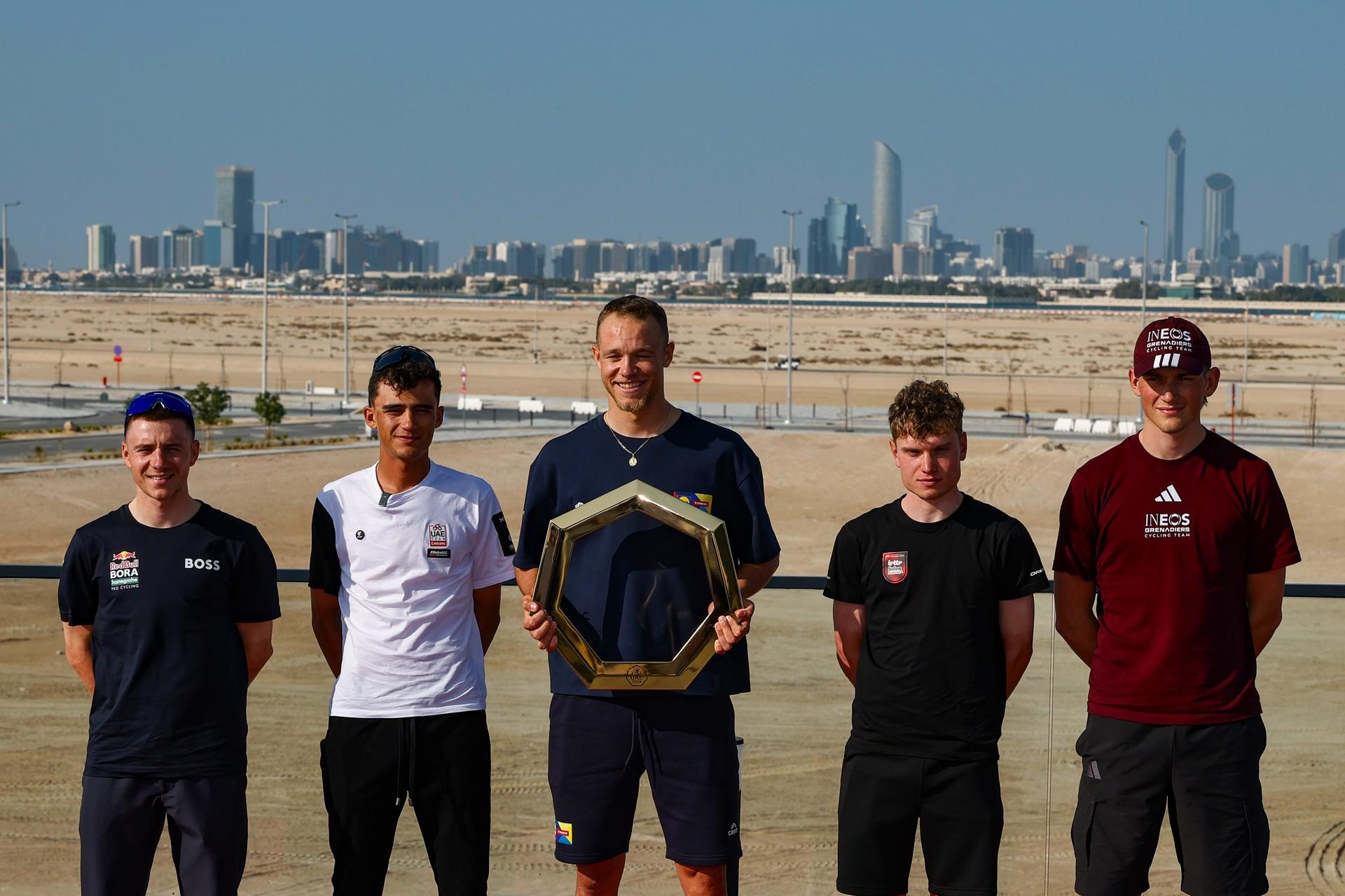
Lefevere references how his former rider, Remco Evenepoel (Red Bull-Bora-Hansgrohe), came into Liège-Bastogne-Liège with far more race days in the legs than Pogačar. "Pogačar had four race days in his legs before Liège-Bastogne-Liège. Remco had twenty-four. I am not making this observation to call his season build-up into question, but freshness is not a detail in racing. Let us above all be happy with a rider who still wants to ride so much.”
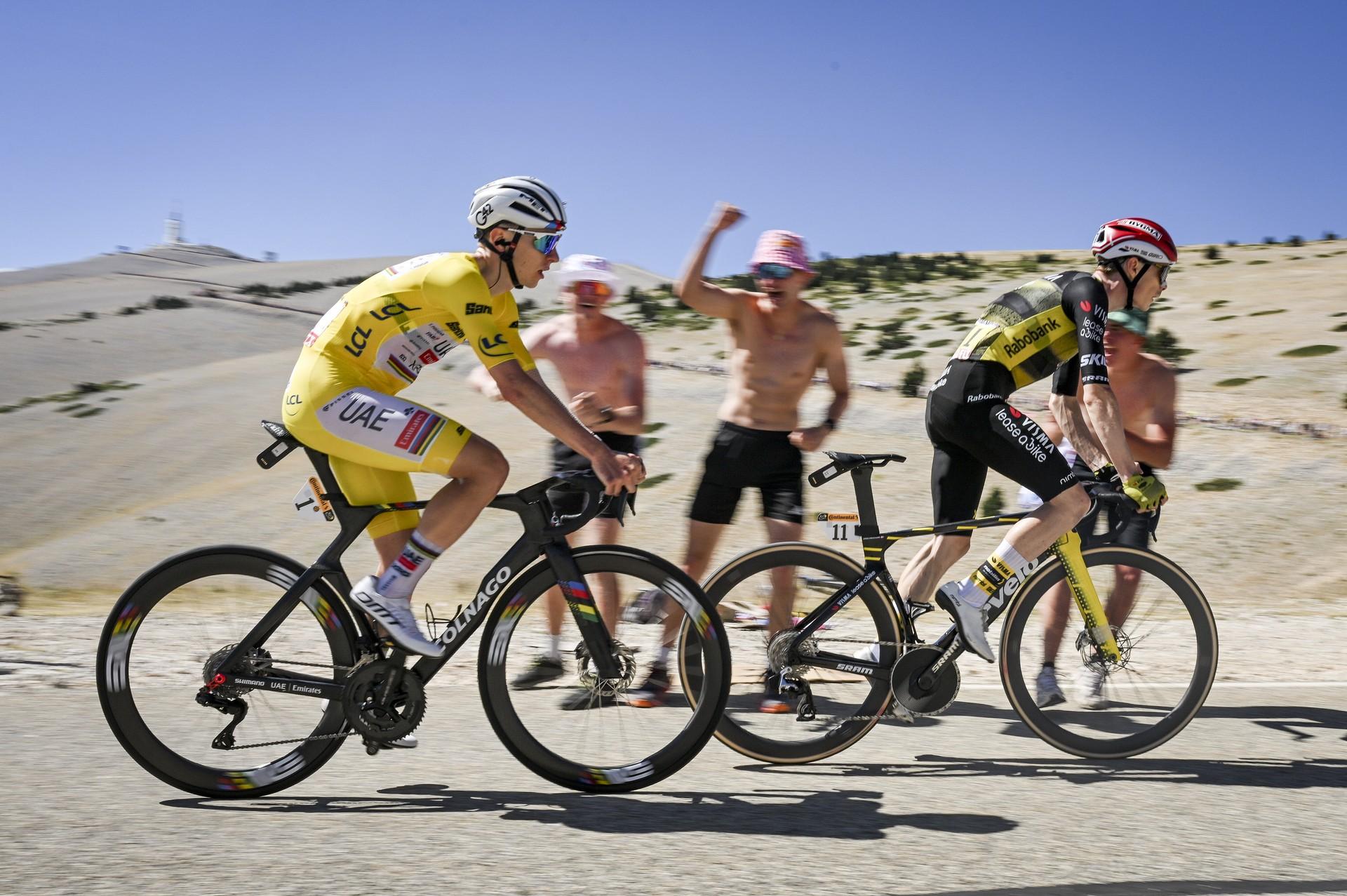
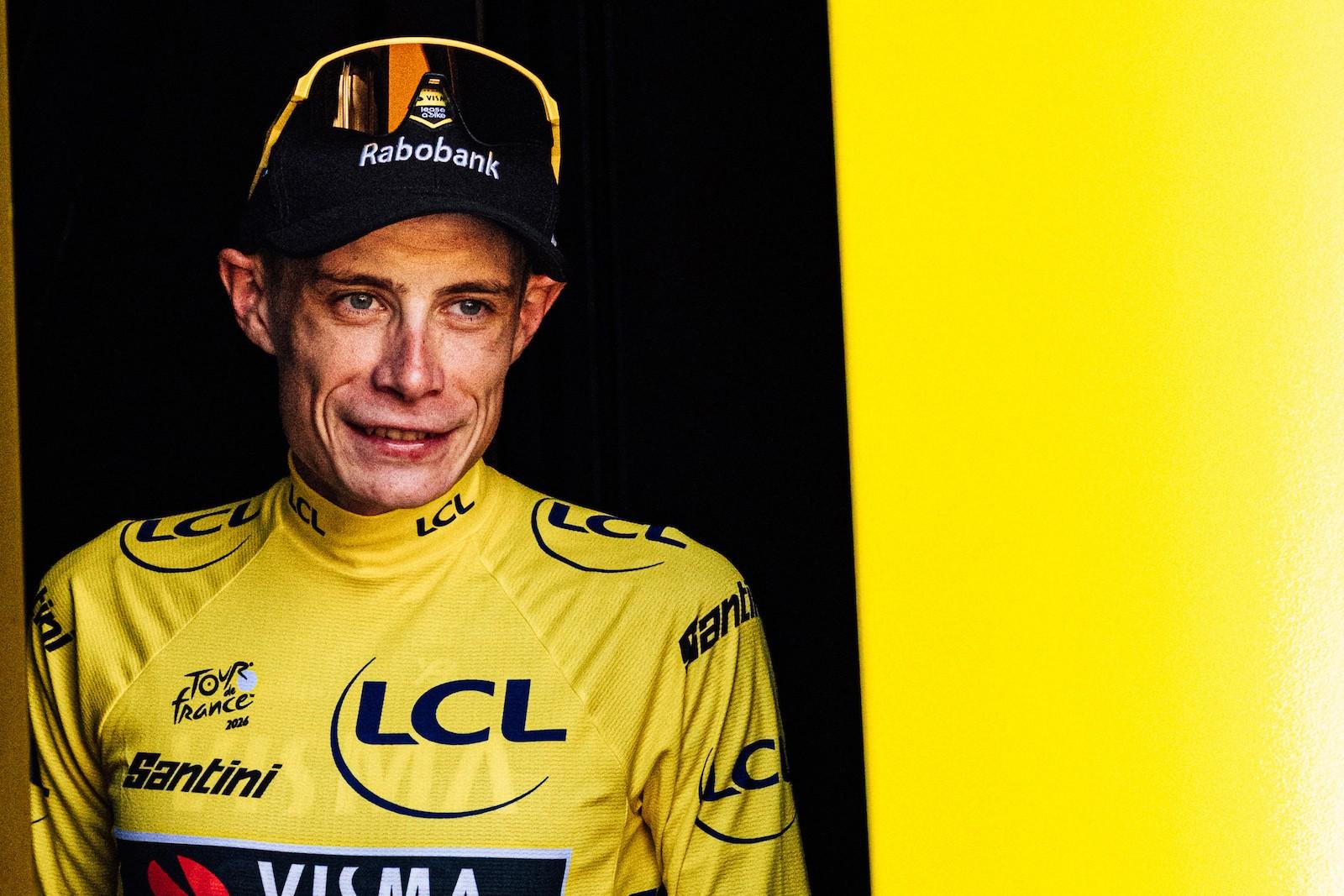
And while riders like Pogačar, Van der Poel and Jonas Vingegaard (Visma | Lease a Bike) are winning a lot of races they take part in, Lefevere sees it as a negative overall. “I sometimes find it quite striking. It is May and Pogačar has nine race days [he has since had two more - Ed]. Mathieu van der Poel has thirteen, Jonas Vingegaard fifteen. Riders of that calibre can naturally afford that. Pogačar wins six of the nine races he starts. Van der Poel has four out of thirteen. Vingegaard's tally is already at six as well. Naturally, a sponsor is satisfied then.”
The worry he has is the "trickle down effect" on the rest of the pro peloton. With riders of lesser stature having to do the same low race day, high training camp set up. Is it really worth it?
Some riders still follow the classic calendar of multiple races. Veterans like Nairo Quintana (Movistar) as well as French rouleur, Baptiste Veistroffer (Lotto-Intermarché) both have 40 and 41 race days respectively. But the majority of the stars have very low race day numbers.
Lefevere also took aim at the huge amount of altitude camps that riders go on these days. "I know that altitude camps work, but sometimes races now seem like intermission between two of those camps," he said. He also questioned whether sprinters needed to attend altitude camps at all, "certainly not twice a season."
The UCI WorldTour alone in 2026 features 36 races across 13 different countries and four of the seven continents with a total of 171 race days from the Tour Down Under in January to the Tour of Guangxi in October. That alone gives plenty of chances for riders to get a good amount of race days in. Not to mention non-WorldTour races that still hold clout like the Tour of the Alps or the Ruta del Sol. Varied and plentiful race days that should bring similar benefits to training camps.