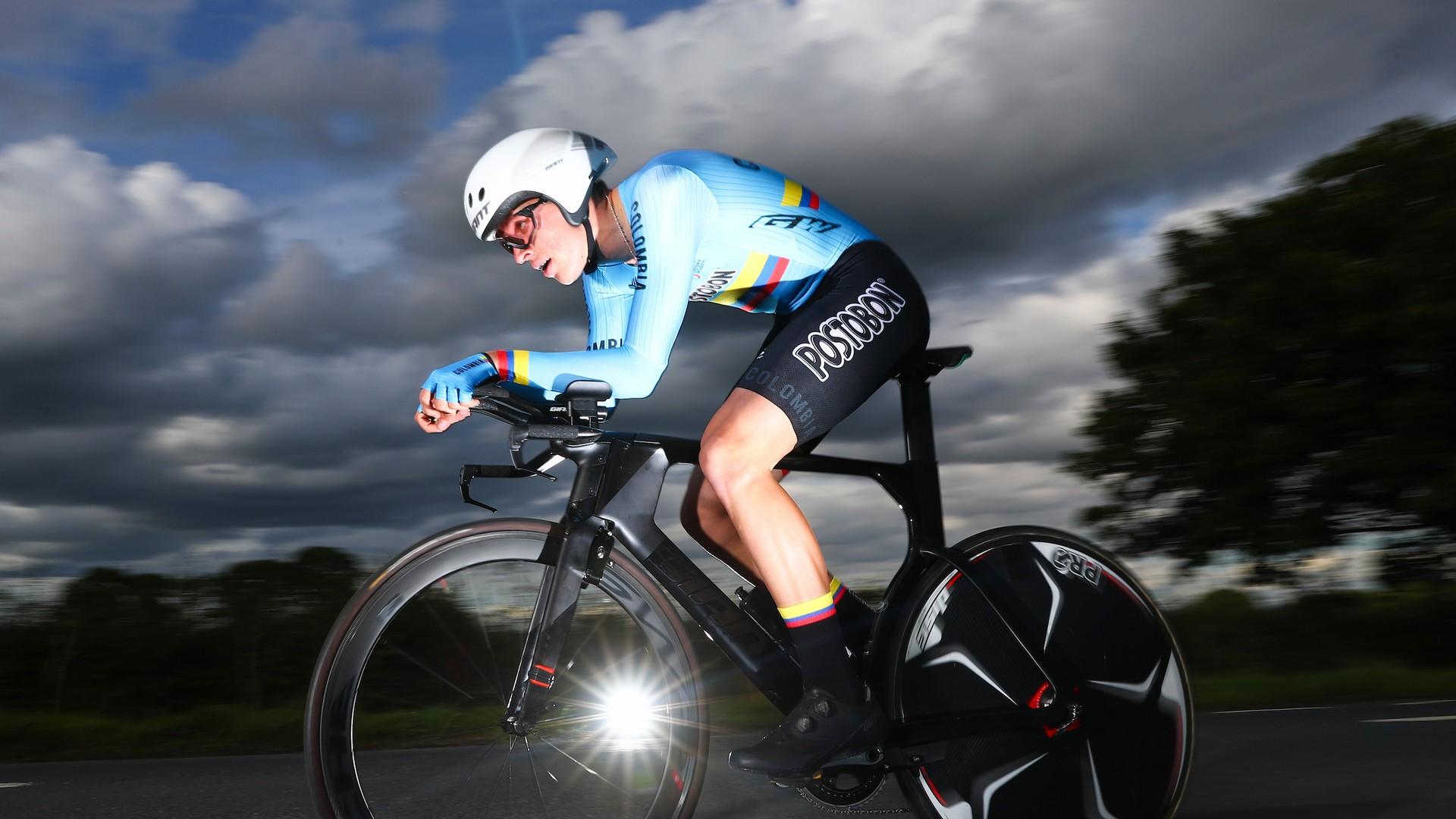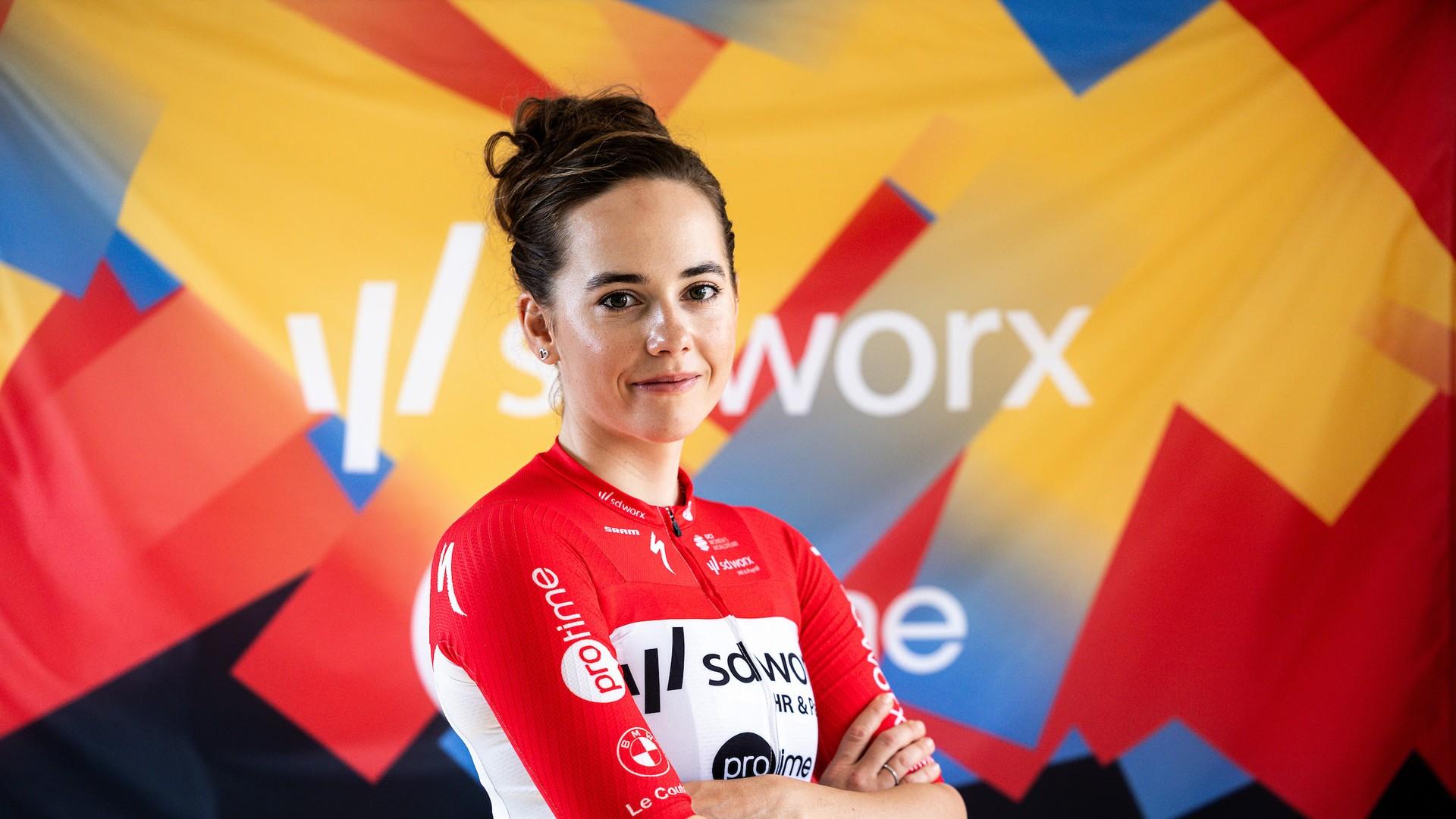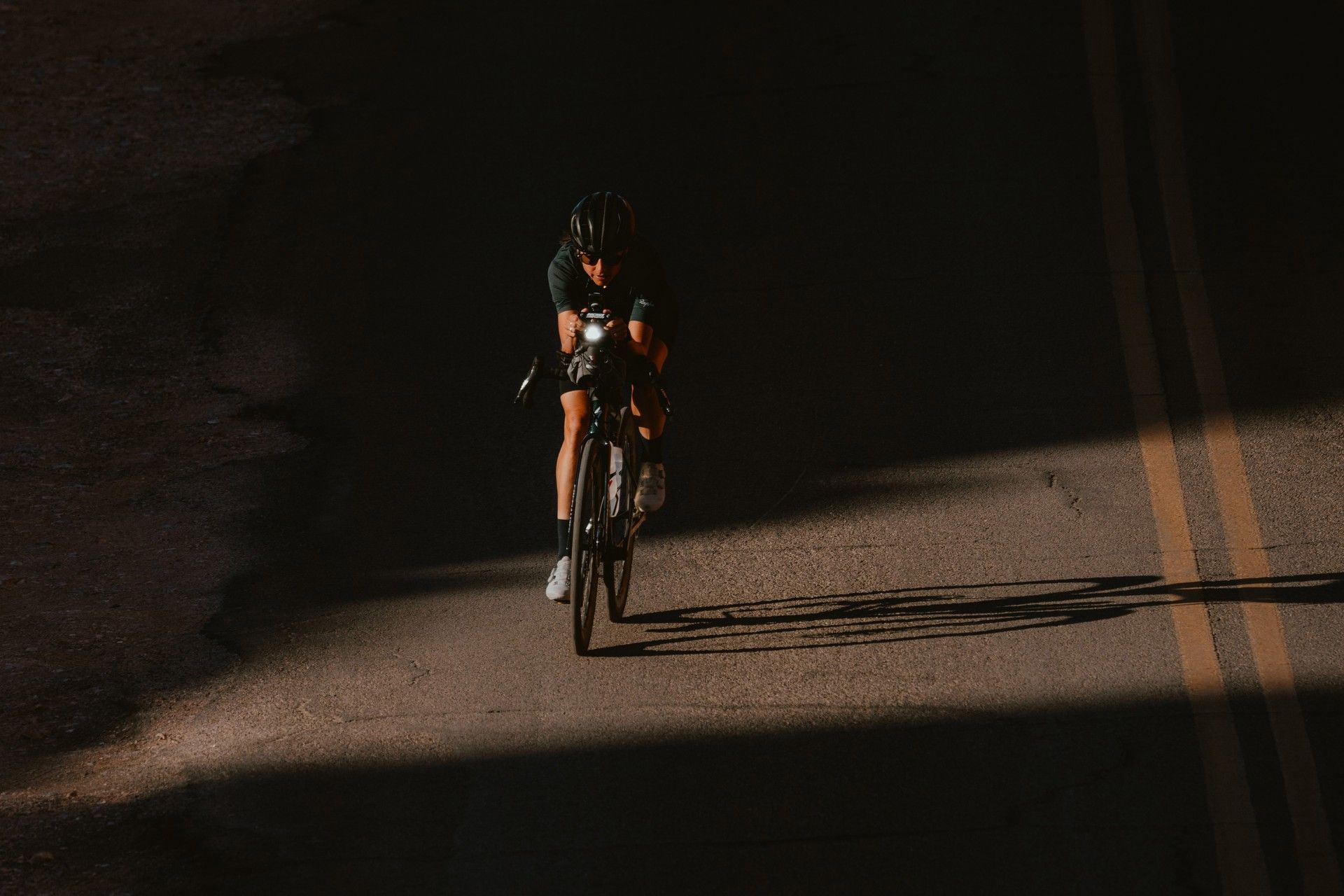
Lael Wilcox abandoned her around-the-world cycling record attempt on June 21, 14 days after setting off from Chicago, Illinois on June 7. Her support team advised her to stop near Fontainebleau, south of Paris, following a vomiting episode after days of worsening heat exhaustion during Europe's second heatwave of 2026.
Wilcox, who became the fastest woman to circumnavigate the globe in 2024, had been targeting the outright record set by Mark Beaumont in 2017: 78 days, 14 hours and 40 minutes. Beating it would have required cutting roughly 30 days from her own 2024 time.
"I've been nauseous every day and finally threw up in the first hour of my ride this morning, heat exhaustion got the better of me," Wilcox wrote on Instagram. "Concerned for my health & safety, my team asked me to stop my ride."
She said the heatwave would continue along her route for another week, making race pace impossible. "I just can't manage race pace in the heat," she said.
A record attempt targeting the men's record
The 2026 attempt was conceived as a direct challenge to the men's record, and Wilcox had framed it in those terms before the start. "Ultra-endurance cycling is one of the only sports where women compete directly against men," Wilcox said ahead of her record attempt. "And yet our capacity is still constantly doubted. We need more women to prove what's possible. Breaking this record would be inspiring for women and communities all around the world."
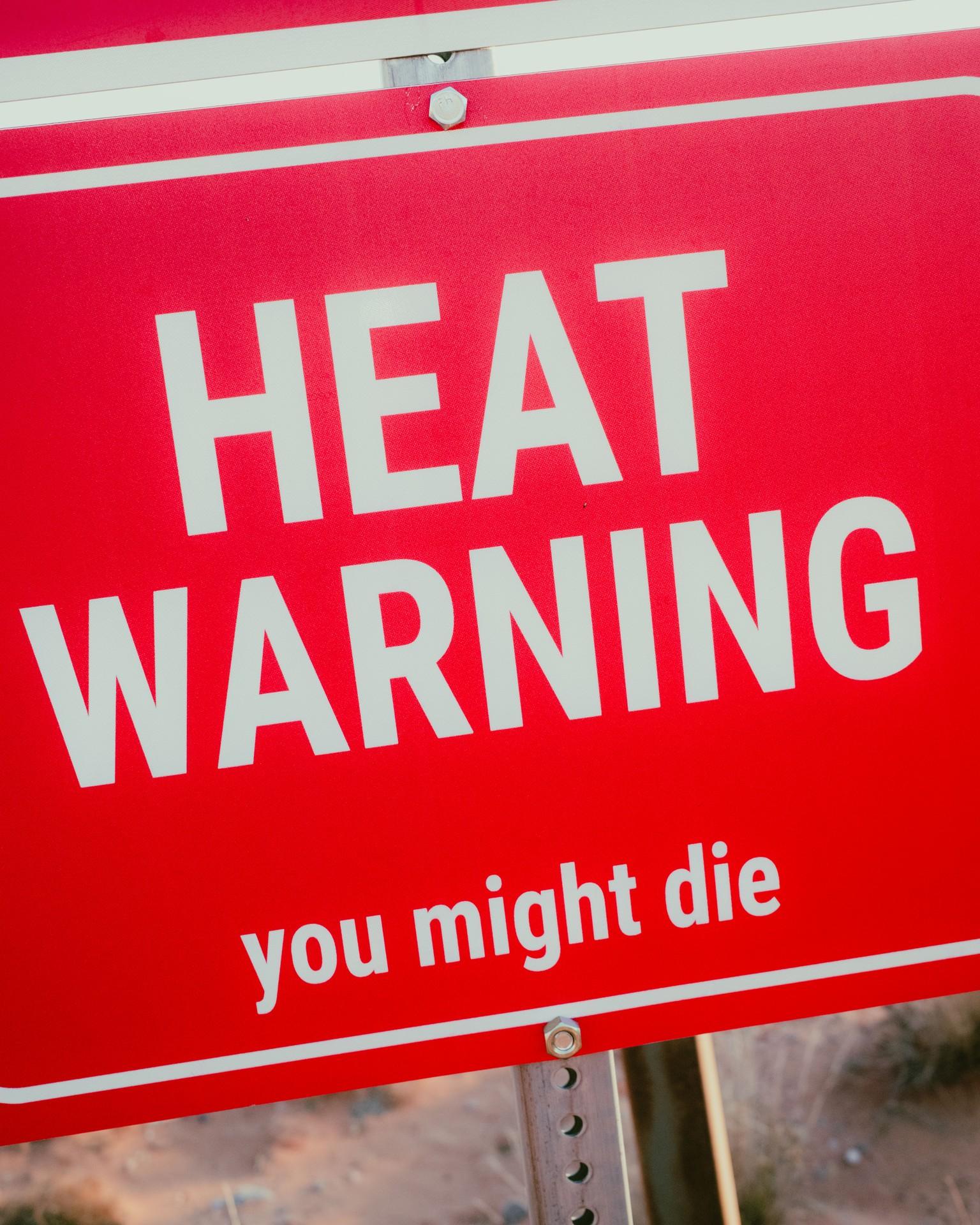
A heat warning sign shared in Wilcox's pre-record photoshoot
To prepare, Wilcox spent time in the wind tunnel at Specialized's headquarters in Morgan Hill, California, optimised her equipment, shaved her head, and was, for the first time in her ultra-endurance career, fully supported by a crew on the road.
The planned route covered 28,993km with 137,160m of elevation gain, split across seven riding sections and six transfers. The sequence ran from Chicago to Halifax, Nova Scotia, then by air to Lisbon, overland to Istanbul, on to Kazakhstan, through Southeast Asia to Australia and New Zealand, and finally from Anchorage back to Chicago, with a target finish date of August 24.
Wilcox completed the opening leg from Chicago to Halifax in eight days, covering 1,875 miles (3,017km) with 36,027 feet of climbing. She flew to Lisbon on June 15 and began the European section the following morning, facing what she described as a block of 12 countries in 15 days. She made it five days into that section before stopping.
Even during the opening North American leg, there were signs of difficulty. "Legs felt good enough, but I had a tough time fueling & keeping my brain in line," she wrote on June 15 after arriving in Nova Scotia.
In a video posted alongside the announcement, Wilcox discussed the decision. "We tried to do a lot with a little," she said. "You know what, though, I feel fine. It's not the most devastating thing. Like you do things, you try. This one, I feel like it's more of another climate change lesson, which every year I'm having more and more of those."
She said the team had expected a severe physical challenge but had not anticipated health problems on this scale. "We were expecting a big challenge, but not health problems," she said. "I don't take enjoyment out of how hard it is. I've just tried to survive, but each day I think, well, this might be the last day, and I guess this is the last day."
Wilcox said she and her crew were heading to Switzerland before returning home. "Honestly, I'm amazed I've endured the past 14 days," she wrote. "I hate to quit, but it's the right choice this time."