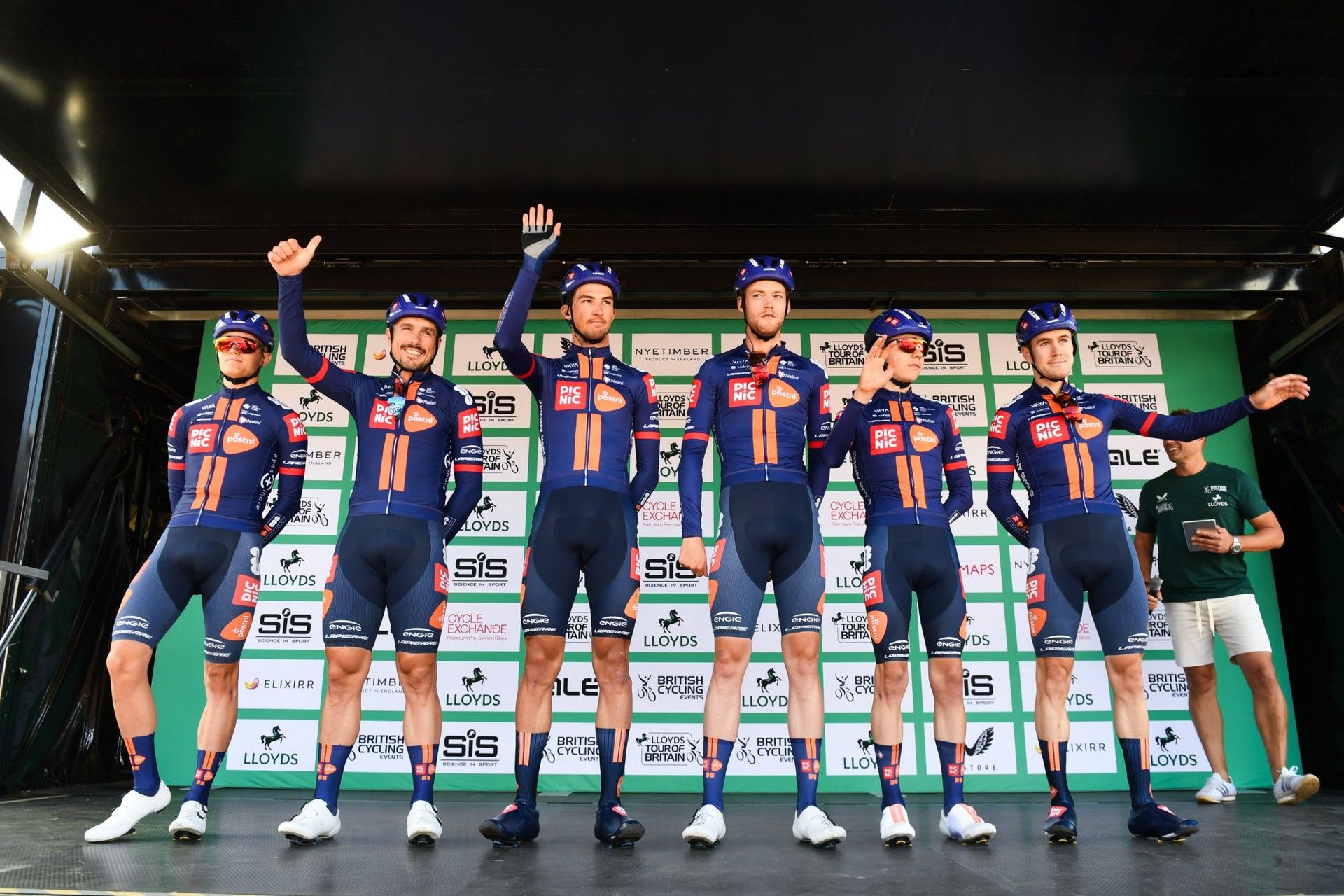
The Dutch cycling federation, the KNWU, emailed all its members on Friday November 6 to promote its misconduct reporting service. The appeal follows the investigation into alleged workplace misconduct at Picnic PostNL and aims to bring problems at clubs, professional teams and races to the federation's attention sooner. The service has received 20 reports from across cycling in 2026, double last year's total.
The NOS Sport and In De Waaier investigation, published on October 15, drew on accounts from 71 people, including current and former riders and staff. They described fear of management, restrictions on feedback and an unsafe working environment. The investigation prompted the KNWU's renewed appeal. Team CEO Iwan Spekenbrink has challenged the investigation's independence.
Roel de Krijger, an integrity manager at the Dutch Olympic committee NOC*NSF who handles reports for the KNWU independently, told NOS that the figure did not reflect the true scale of the problem.
"This year, with twenty reports, we are already seeing twice as many as last year. At the same time, it is only the tip of the iceberg," he said. "Just consider how many members cycling has. There must be more going on than we are currently receiving."
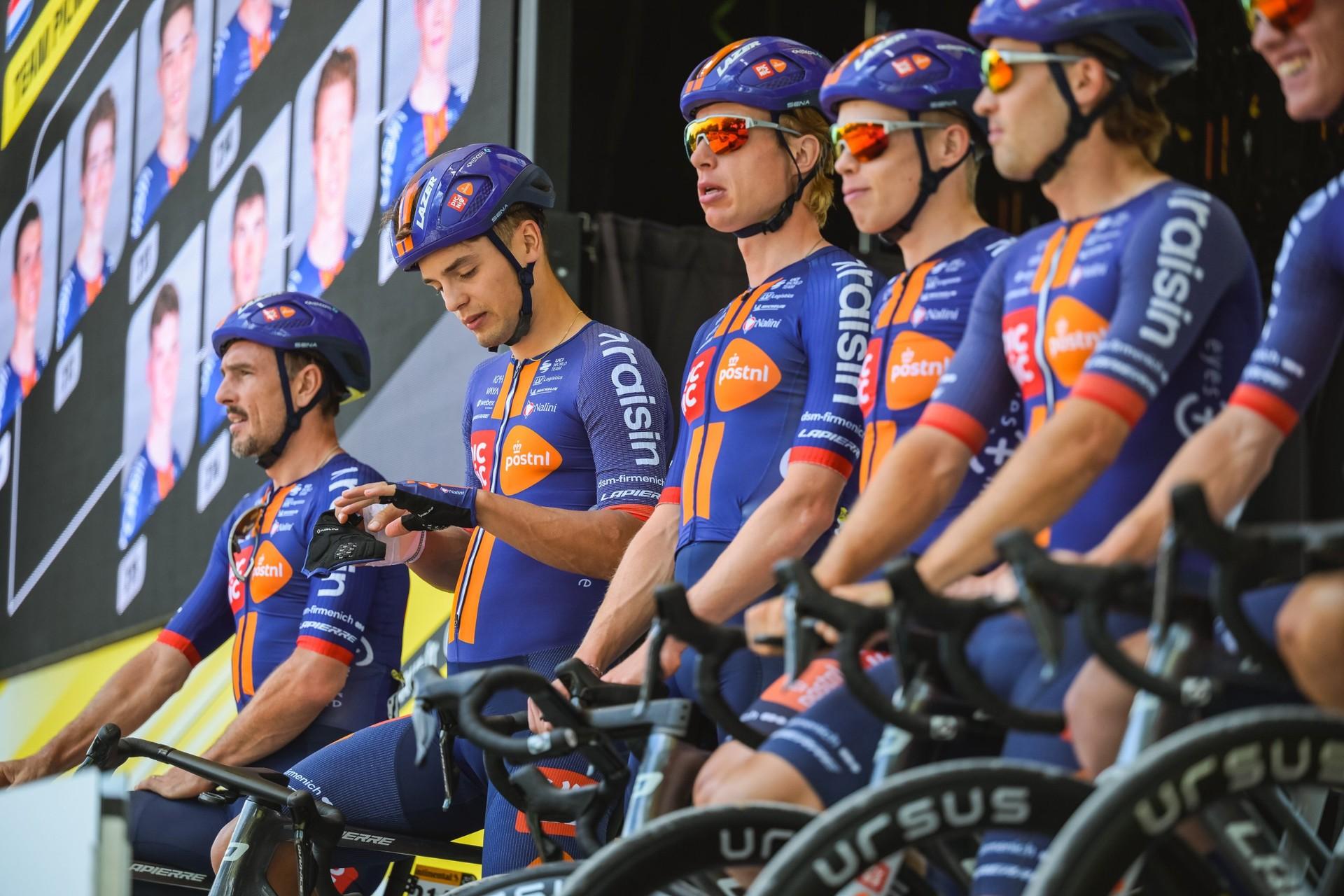 Photo: Charly Lopez
The response to a report depends on the nature and seriousness of each case, with a report potentially leading to mediation, further investigation or referral to another body. Disciplinary proceedings are possible where there are sufficient grounds and a basis in the regulations. The KNWU can also involve the police. The KNWU says it aims to contact anyone who makes a report within two working days. Cases can go to its disciplinary commission or the Instituut Sportrechtspraak (ISR).
A formal report is a separate route from a confidential conversation, for which Centrum Veilige Sport Nederland can refer someone to a confidential adviser. Anonymous contact is possible, but the KNWU warns that it cannot always act on anonymous reports, because identifying details and permission to process personal data help it follow them up.
"But follow-up is then difficult; please do come forward, though, because that is in the interests of cycling as a whole," De Krijger said.
The team said it did not recognise itself in the overall picture presented by the investigation, but announced an independent review on October 15. "The fact that experiences differ does not diminish the seriousness of the accounts that have now come to light," it said. On October 28, sports law professor Marjan Olfers confirmed she would lead the review.
 Photo: Billy Ceusters
Riders have offered contrasting accounts of their time with the team. Warren Barguil (Team Picnic PostNL) wrote on October 17 that "if the management had been toxic, I would never have returned." Teammate John Degenkolb said two days later that across ten seasons with the team, he had not encountered a "culture of fear"; he also questioned why voices like his were left out. Former team rider Molly Weaver responded on October 26: "Just because you weren't the victim of something it doesn't mean that everyone else is lying."
Spekenbrink alleges conflict of interest
While the KNWU is encouraging reports from across cycling in response to the investigation, Picnic PostNL CEO Iwan Spekenbrink has challenged how that investigation was conducted. He has accused Thijs Zonneveld of a conflict of interest. Zonneveld worked on the investigation for the podcast In De Waaier and is also sporting director of the continental team BEAT CC powered by Saxo.
"When you conduct an investigation like that, it is important to state clearly that you are part of a rival cycling team. Especially when you look at recruiting young Dutch riders," Spekenbrink said in comments reported by Wielerflits. He also pointed out that Martijn Tusveld, who told his story openly in the investigation, rode for BEAT after leaving Picnic PostNL and is now a performance coach there. "Let me be clear that I do not want to diminish people's opinions. But in Thijs's case there is a conflict of interest."
Spekenbrink says that the team did offer an independent investigation that would include current employees. "They did not even want to hear that side of the story," he said. He said the team received eight questions and two days to respond. Zonneveld said in October that the journalists had emailed 23 questions before visiting the team's Deventer service course.
Spekenbrink said he was surprised by NOS journalist Nando Boers, who had previously been given full access to the team for a book and a documentary. "None of all that emerged in those," he said. In an interview with De Telegraaf, he called the "culture of fear" portrayal misleading and one-sided. He said the team needed to explain its expectations more clearly to incoming riders.