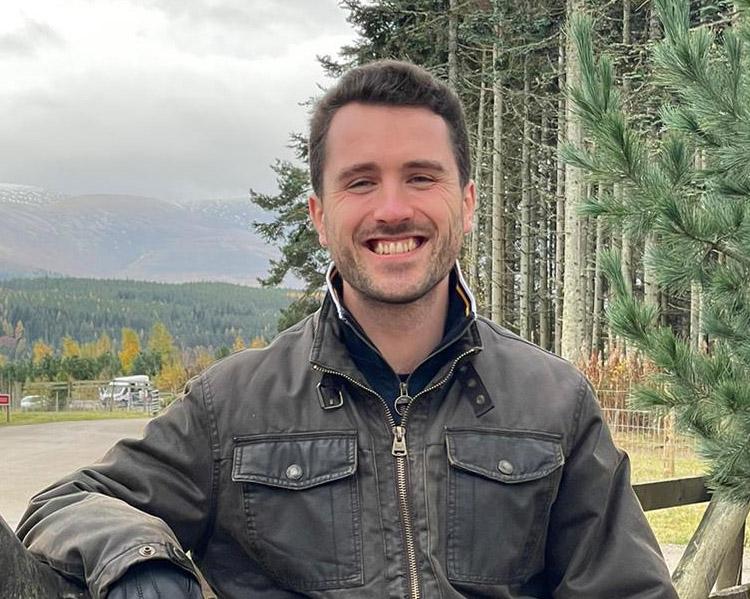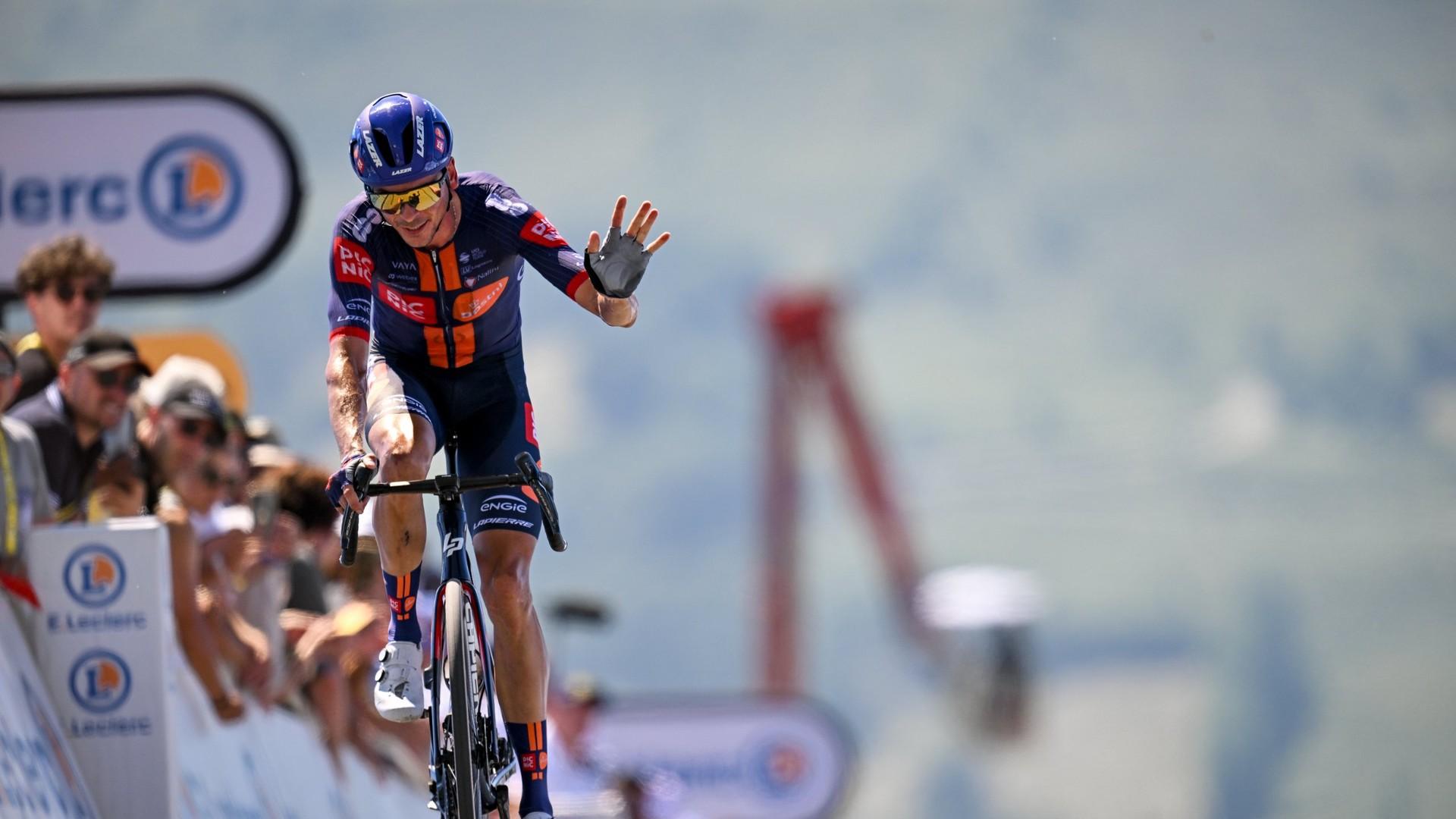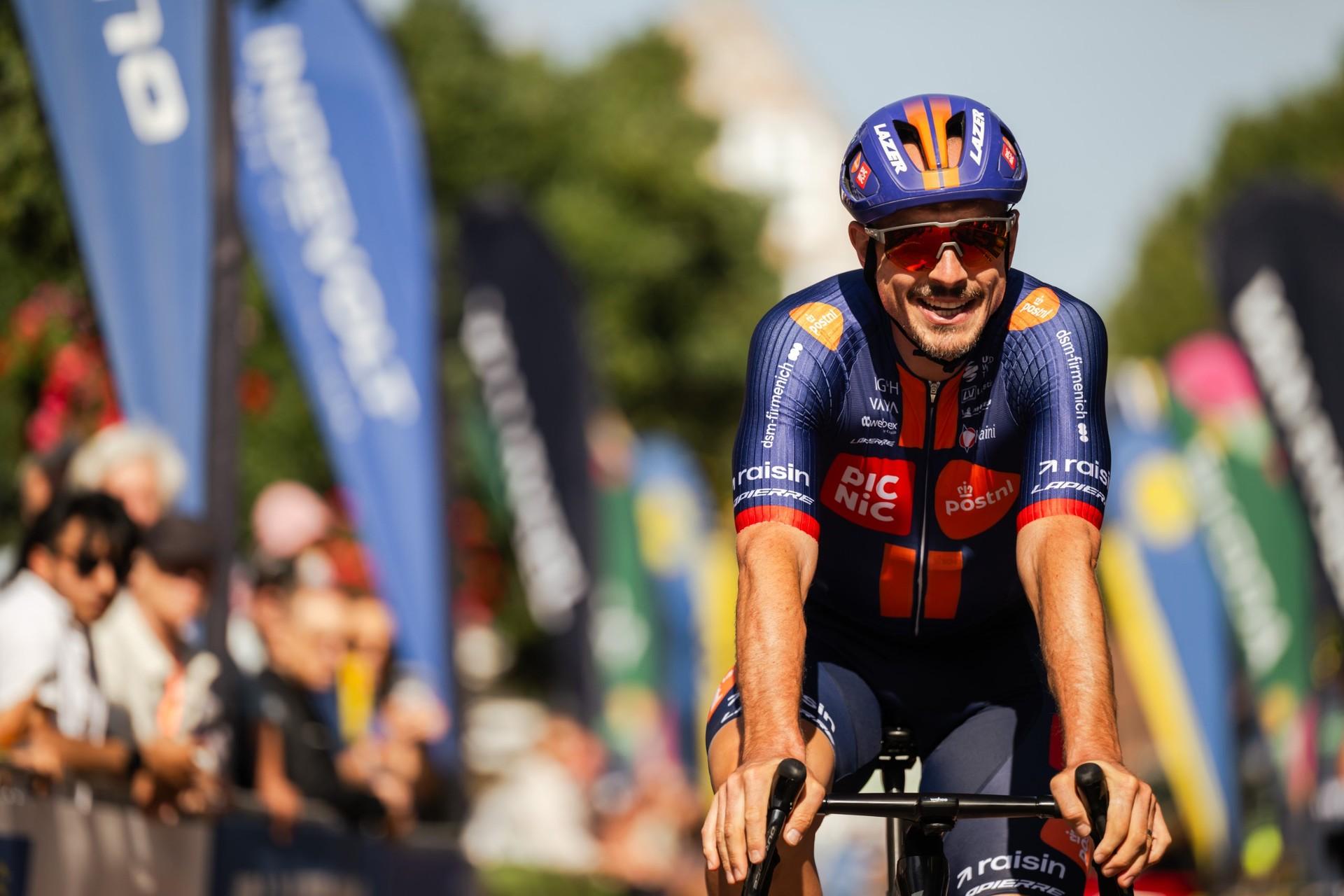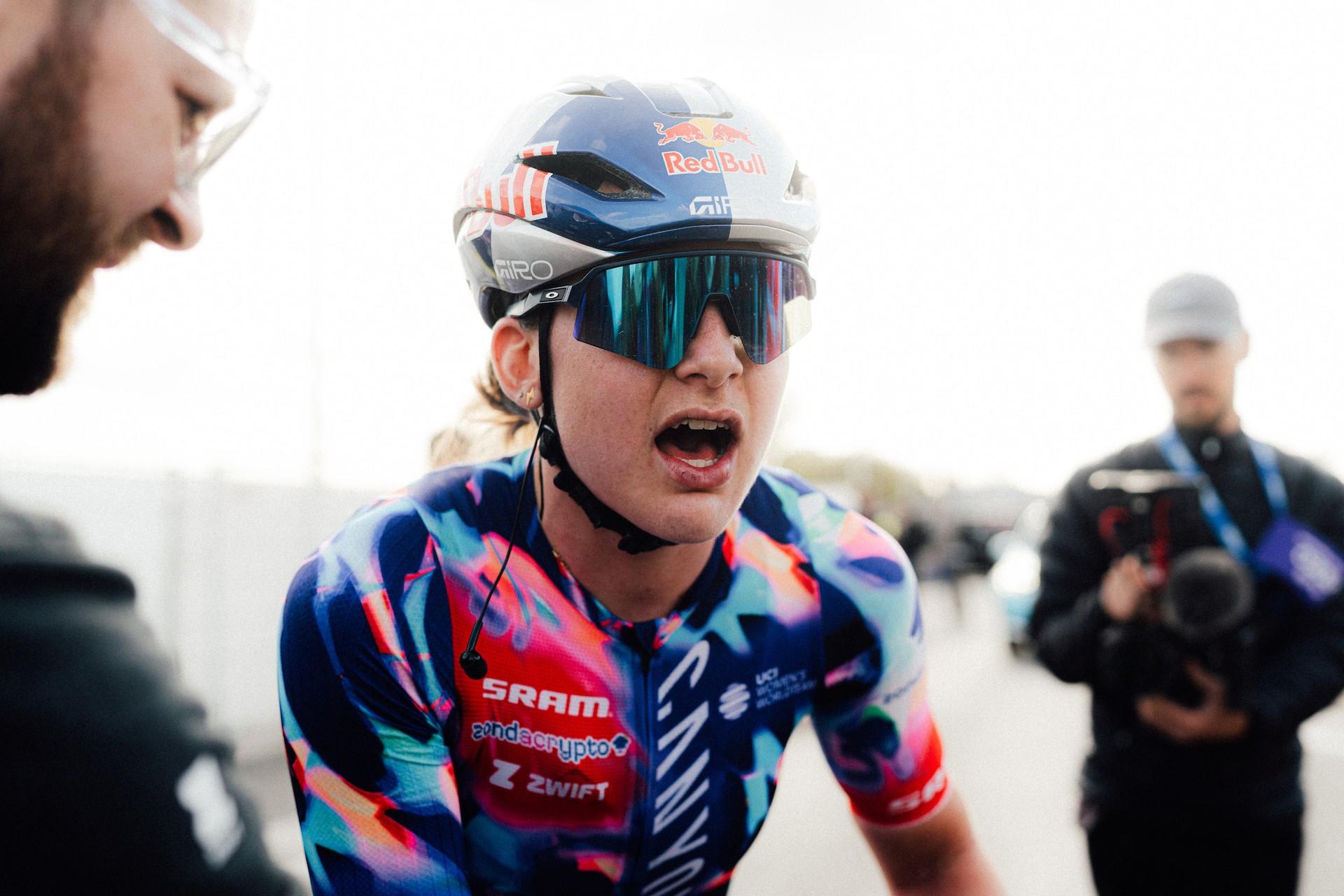
Former professional Molly Weaver has said that riders and staff defending Picnic PostNL against allegations of a culture of fear should not treat their own good experiences as proof that others are lying.
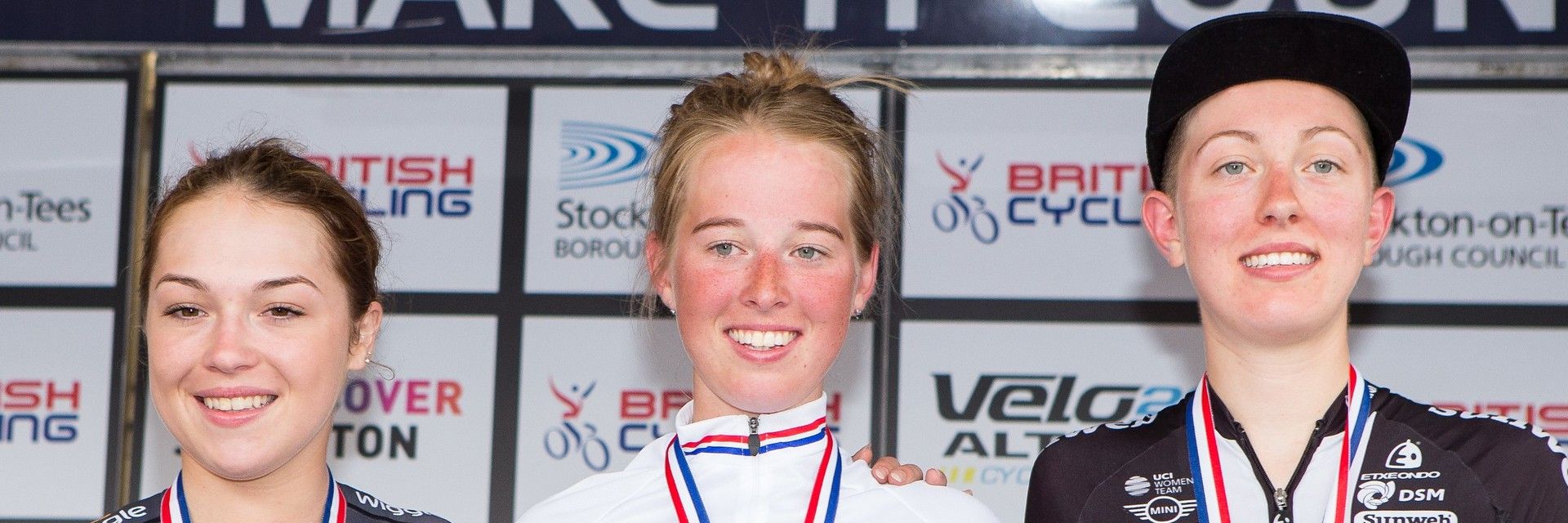
Weaver raced for the team between 2015 and 2017 when it was named Liv-Plantur and then Sunweb. She posted her response to Instagram on October 26, 11 days after the investigation into the Dutch team’s workplace culture was published by NOS Sport.
"It wasn't all of us and it wasn't all the time, but just because you weren't the victim of something it doesn't mean that everyone else is lying," she wrote. "It most likely means that you were just really lucky."
She said she felt "both vindicated and angry", and that the reaction from inside the team was familiar. "I've seen a lot of posts from riders and staff both past and present denying the allegations and calling those who have spoken out liars. The same thing I was called all those years ago."
Weaver wrote a series of first-person essays about her professional career for CyclingTips, a title which no longer exists, in 2020.
"I'm not sure what motive there would be for fabricating stuff like this, as there's really nothing to gain," she continued on Instagram. "From my personal experience I outed myself as well, laid bare issues that would taint me, and pretty much signed away any chance of working in the women's peloton again. So I'll not be naive enough to do that twice, and instead I'll just say that I stand with anyone who was in any way harmed by this team."
The investigation by NOS Sport and In De Waaier, published on October 15, drew on confidential accounts gathered over several months from 71 riders and staff, both current and former. Their accounts pointed to fear of the team's leadership, limits on feedback and an unsafe working environment. The team said it did not recognise itself in the overall picture, but announced an independent review the same day. "The fact that experiences differ does not diminish the seriousness of the accounts that have now come to light," the team said.
Two senior riders have since defended the team. Both left and later came back. Warren Barguil wrote on October 17 that "if the management had been toxic, I would never have returned". John Degenkolb said two days later that he had not encountered a "culture of fear" across his ten seasons with the team, and questioned why the investigation did not include voices like his.
"It was by no means all bad, and the people who were a part of the organisation weren't all bad either. I have some great memories from back then, and was surrounded by lots of amazing people," Weaver added. "There are stories from both sides that paint a picture, but one bad apple spoils the barrel and this system clearly created plenty. You can't set out to control people at all costs and then be surprised it comes at a price."
What Weaver described in 2020
Weaver's 2020 CyclingTips essay on expectations and control is no longer available at its Velo address, but extracts of its text survives in some third-party blogs. That account did not name the team it described. She described moving to her first larger team and finding that management's control extended beyond racing into her personal life, contrasting that experience with the supportive teams at the beginning and end of her career. In her new post, she said her articles exposed "much of the same" as the current allegations.
"I was expected to be available all day, every day. And to record and justify everything I did, and where I was at all times," she wrote then. "If I dared to not respond to a message immediately, then I was disciplined for that." She called the culture "one of fear".
She said management judged her friendship with one teammate too close, and the two were kept apart at races and camps. "Regardless of how much I was being paid, the fact that an employer got to choose my friends is ridiculous. But I did as I was told."
Weaver said that after she raced RideLondon, her parents travelled five hours to see her and wanted to take her out for a meal. In her account, her director refused permission because the team had already paid for dinner. She said she offered to reimburse the cost but was still refused and sent her parents home. She said she later discovered that riders higher in the team's hierarchy had been allowed to eat out in London that evening. She also described being told on a train platform, in front of a teammate, that she had been dropped from the Giro Rosa line-up.
In a later essay on weight and eating disorders, which is still online at Velo, Weaver described her experience of bulimia, while making clear she was not blaming any particular team.
Weaver joined Liv-Plantur from Matrix-Fitness in 2015. In February 2017, while training near Girona, she was hit by a car and broke 13 bones. She moved to Trek-Drops for 2018 but raced only in Australia that January, and in May 2018 stepped away from the sport to focus on her mental health, after a series of concussions and depression.
She later returned to cycling through ultra-endurance riding. On July 6, 2025, she completed a circuit of Britain’s coastline in 21 days, 10 hours and 48 minutes, covering about 7,730km and taking the overall record, which had stood since 1984.
"Destroyed careers, and damaged minds and bodies are more than just a headline or a debate in the comments of a post on social media," she wrote on Instagram. "How people are treated matters. The scars you leave on others matter."
If you or someone you know is affected by an eating disorder, Beat offers information and support in the UK.