Three-quarters of Continental riders who responded to The Cyclists' Alliance's annual survey receive no salary from their team, and more than half pay for their own medical or physiotherapy care.
The riders' association published its State of the Women's Professional Peloton 2026 on October 30. The report draws on responses from 127 professional women across six disciplines, 118 of them road riders. Of the 52 respondents riding for Continental teams, 75% receive no team salary and 96% earn €20,000 or less from their team. 54% reported uncovered medical or physiotherapy costs, compared with 19% of the 42 WorldTeam respondents.
The figures describe respondents, not every rider in each tier. Continental riders made up 41% of this year's sample, up from 11% in 2025. That shift helps explain why the overall share reporting no salary rose from 17% to 33%, and TCA said the rise does not show that pay has fallen across the peloton.
Life below the minimum salary
TCA counts 468 riders registered with Women's Continental teams, where no UCI minimum salary applies, against roughly 360 at WorldTeam and ProTeam level. Women's WorldTeam minimums stay at €38,000 for an employed rider other than a new professional in 2026, while ProTeam minimums rise to €22,000 for employed riders other than new professionals. The respective minimums for employed new professionals are €31,768 and €18,392.
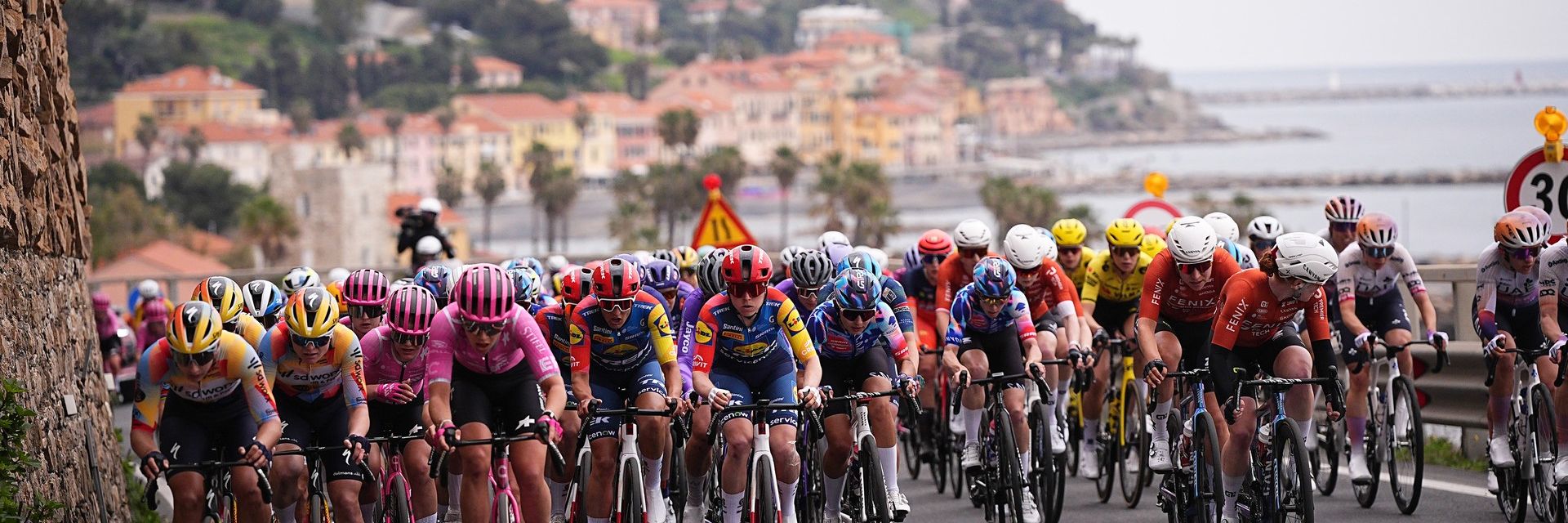
 Photo: A.S.O./Billy Ceusters
Among Continental respondents, 79% are on one-year contracts, against 10% at WorldTeam level, and only 19% had a confirmed 2027 contract when surveyed. 48% work a second job and 46% are in education. 73% cited financial instability or inadequate salary as a reason they had considered leaving the sport early, or had decided to. Two-thirds had raced fewer than 30 days this season.
Jazilla Mwamikazi (World Cycling Centre Team) described the effect of short contracts in the report.
"I was on a one-year contract this season, and from the start I did not know what next year would look like," she said. "Being offered a two-year contract was a total surprise. Only now do I realise how much it means to me: I can really focus on building as a rider, rather than having to prove myself at every race. I know many riders at Continental level feel the same."
Most Continental respondents, 56%, had negotiated or signed their contract without legal advice. Among WorldTeam respondents the figure was 14%.
"A contract is about more than salary," said Judith van Maanen, TCA's legal and ethics officer. "Riders need to know what protection they have; and where the gaps are; if they face injury, pregnancy, illness or a change in their team's plans."
TCA wants the UCI's model contract under Article 2.17.030bis revised and its use made mandatory. The revised contract would set minimum terms covering racing costs, equipment, insurance and payment. Compliance would be checked at registration and throughout the season, with independent escalation when teams fail to meet obligations and a route for riders to recover unpaid money. Teams would have to supply and maintain bikes, clothing and protective equipment. TCA also asked for a published plan showing how funding will reach women's Continental and development teams, and what interim help riders will get before wider reforms take effect.
On health, the organisation wants screening for Relative Energy Deficiency in Sport (REDs) built into mandatory medical monitoring, and clear responsibility for who arranges and pays for care.
The UCI's 2026 registration instructions already require Continental teams to provide written contracts, insurance and provision for repaying expenses. National federations are responsible for checking compliance. Medical screening before a licence is issued is recommended but not required.
The proposals follow TCA's May submission to the UCI's professional road cycling reform consultation, which more than 200 cosignatories supported. Across all respondents, 64% ranked minimum standards for lower-tier teams among their top three priorities for TCA's advocacy, rising to 73% among Continental riders.