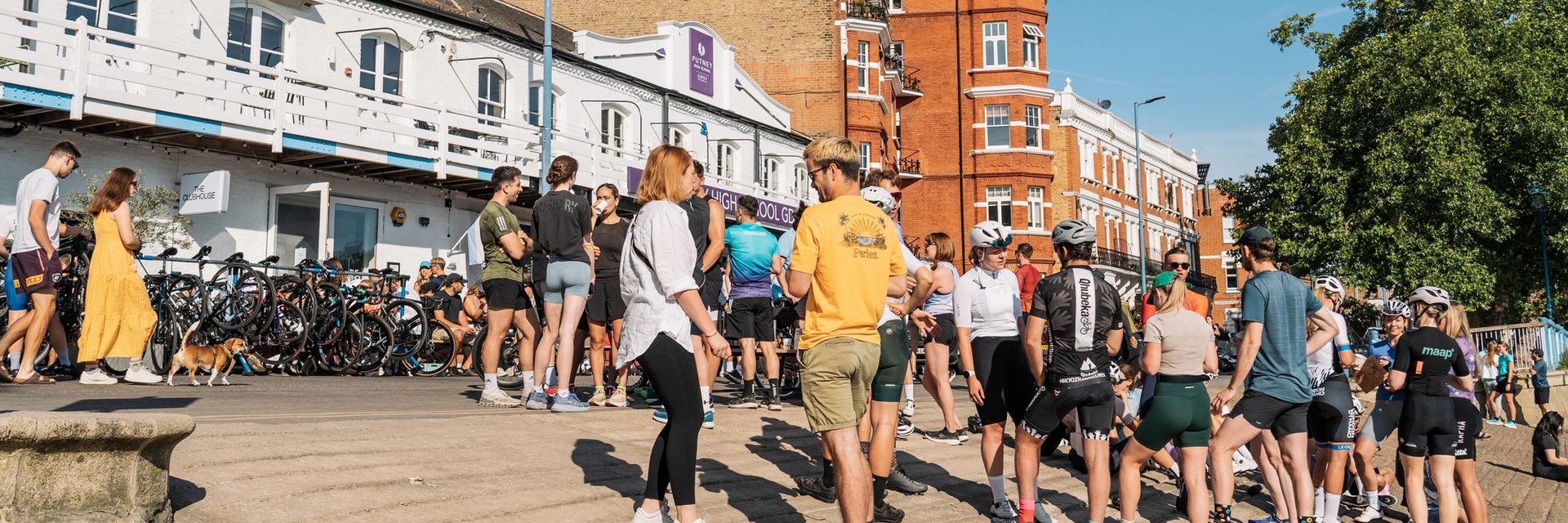
It’s an odd situation when your professional knowledge of a sector is at the direct polar opposite of what you see in your daily life. Walking down the Putney embankment on any weekend morning of the last year or so, that’s what I’ve been confronted with when I see The Clubhouse.
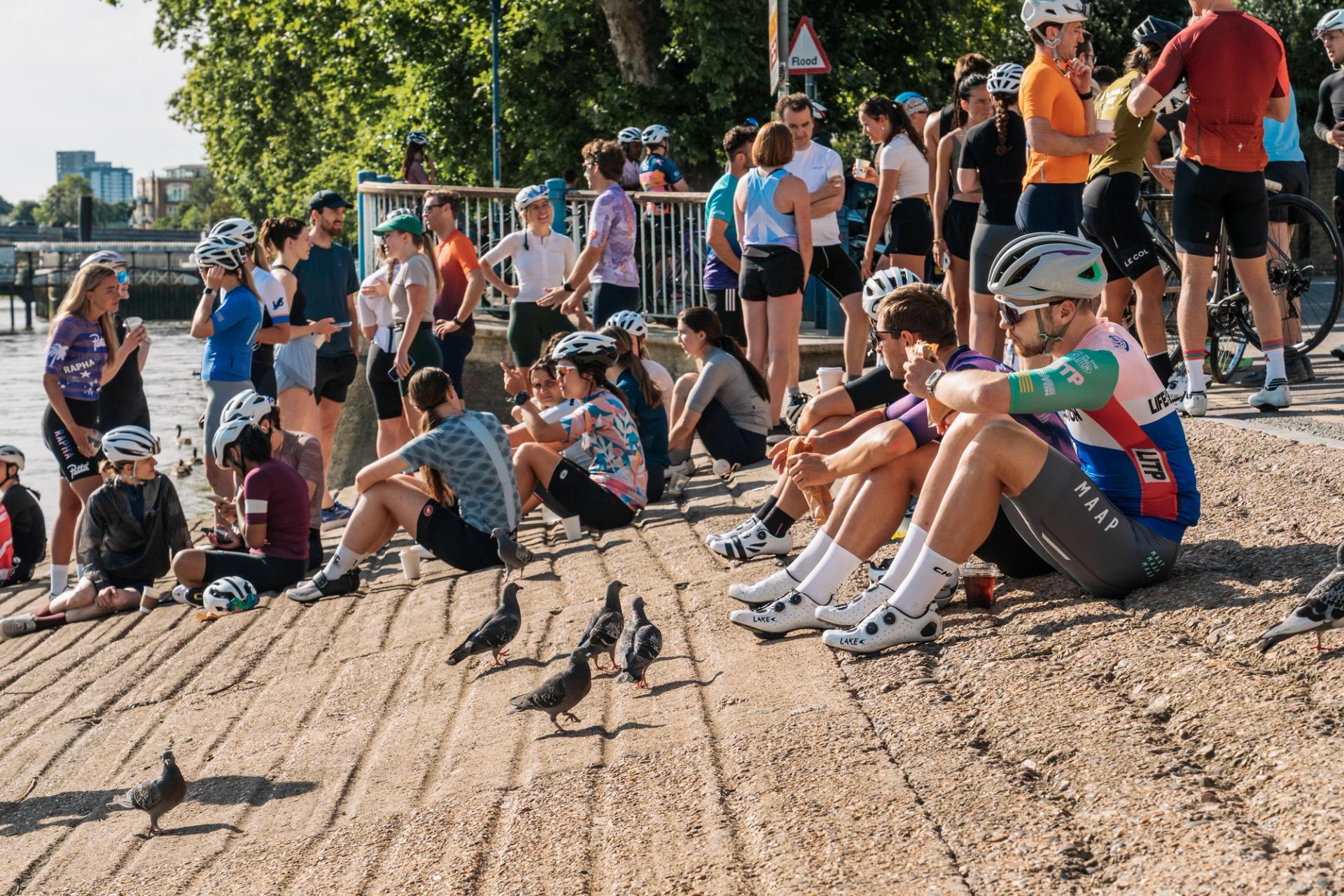
Amid the industry downturn, you never fail to see a genuine horde of cyclists spilling out of the cafe-cum-bikeshop, often spread out across the riverbanks of the Thames below. Over time, that constant footfall has translated into something more tangible. The Raptor bikes which decorate the walls of The Clubhouse have become a fixture across riding routes in South West London.
Raptor Bikes and The Clubhouse are not household names in the sense of Canyon or Specialized. The brand sells in the low hundreds of units per year, not thousands. But the model they have constructed – controlling everything from first contact to long-term service – uses a high-volume café as self-funded marketing and offers no-cost component swaps at point of sale, allowing Raptor to sell premium bikes without relying on WorldTour sponsorships or multi-million-dollar ad budgets.
The origin story
Raptor was founded by Tris Kelly and Brad Wright, two lockdown-era converts to cycling whose partnership emerged from frustration with the luxury bike market's approach to customer service.
Kelly, who spent 20 years in mining and military contracting before returning to London, tells us he bought a Specialized S-Works Venge during lockdown for approximately £14,000. "I was expecting an amazing service," he said. "I've just spent all this money and was expecting a similar service to if I'd bought a very expensive watch. And it just didn't happen."
The bike arrived with 42-centimetre handlebars and 175-millimetre cranks – standard sizes that experienced riders in his local club immediately flagged as wrong for his profile. "They're like, 'That's way too wide, you need to change it.' I've got to now change the bars and it's going to cost me 600 pounds. I've just spent 14 grand. That's ridiculous."
Wright, an ex-city worker who had built a workshop in his garden after a Covid-induced redundancy round, was running precisely the kind of high-touch maintenance service Kelly needed. He had spent years photographing and videoing his strip-down work, offering customers a level of documentation that the traditional retail experience lacked. "My approach was: I've been in this a long time," Wright said, explaining his more frugal approach to launching a business. "And we don't need to be spending a huge amount of money."
Their conversations over the following months crystallised into a simple question: could they build a bike that actually fit the customer from day one, without the expensive post-purchase modifications that high-end cycling seemed to treat as inevitable?
'Off the shelf is dead'
Raptor's tagline is a blunt one: "Off the shelf is dead." The company offers three price tiers – £4,699 for a Shimano 105 Di2 build, £6,500 for Ultegra, and £9,000 for Dura-Ace – with one difference from the standard industry approach. Every bike uses the same carbon frame, regardless of groupset. There is no separate lower-grade entry-level frame in the range.
"If you were to start off with a 105 groupset, that's fine," Wright said. "If in the future you want to upgrade to Ultegra or Dura-Ace, it's the best frame it can be. Whereas if you look at another brand, they've got a lower-grade material, so when you put all the best components on, it's still not the best bike."
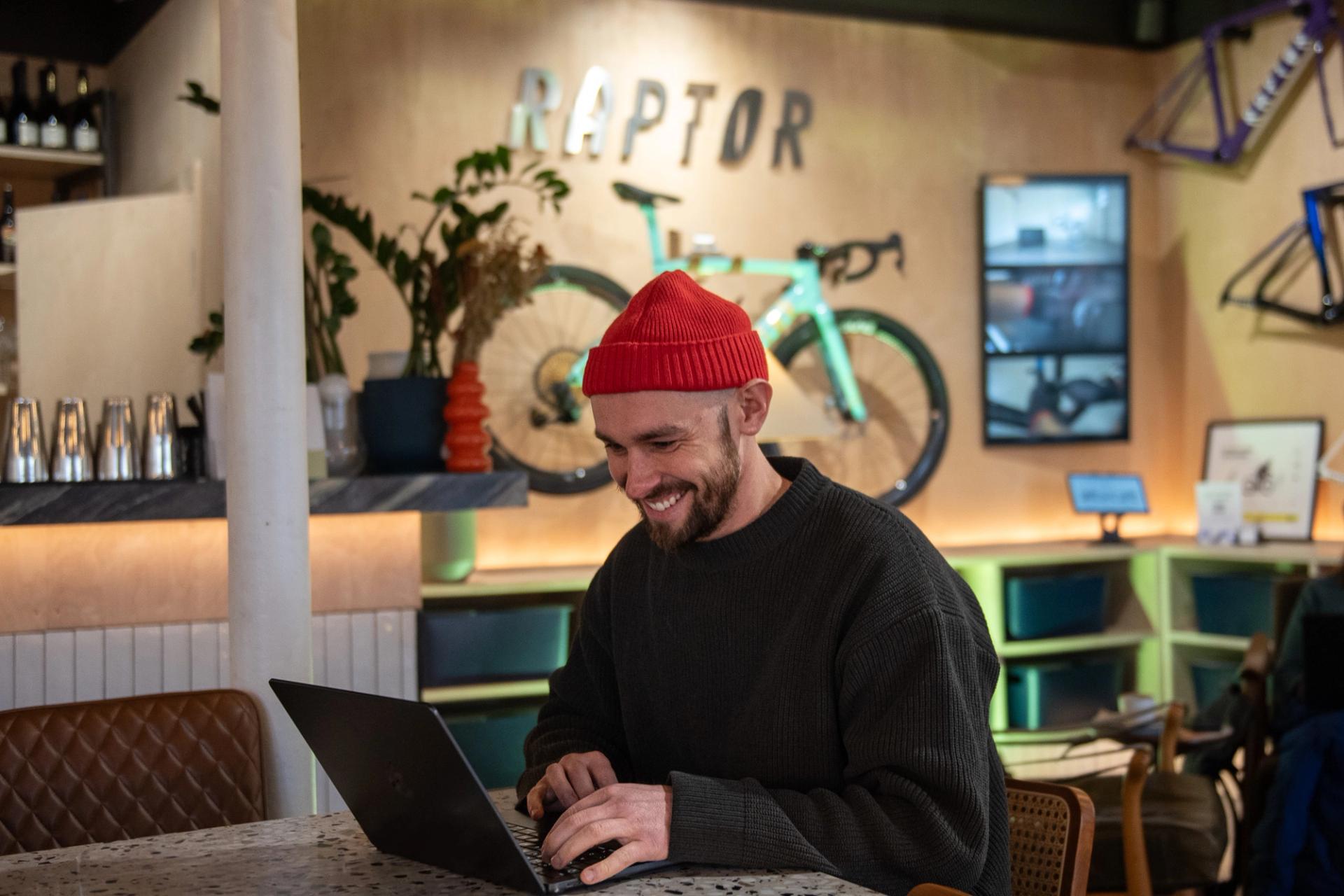
Brad Wright at The Clubhouse, image credit: Peter Stuart/ Velora Cycling
Within that fixed frame quality, Raptor allows customers to adjust virtually every touch point at no additional cost. Handlebar width ranges from 36 to 44 centimetres. Stem lengths run from 80 to 140 millimetres. Crank lengths span 160 to 175 millimetres. Gearing, saddle, bar tape – all chosen before the build begins.
The customisation creates inventory complexity. "We hold hundreds of handlebars," Kelly said. "For what is effectively a very small brand, we hold a lot of stock."
But it is intended to avoid the post-purchase component changes that Kelly experienced. The fit process, conducted in-house using a formula developed with the Boardman Performance centre, is included in the purchase price.
Raptor's frame philosophy extends to component standardisation. Where much of the industry has moved toward proprietary parts – brand-specific skewers, headsets, and derailleur hangers that lock customers into manufacturer ecosystems – Raptor uses off-the-shelf standards throughout.
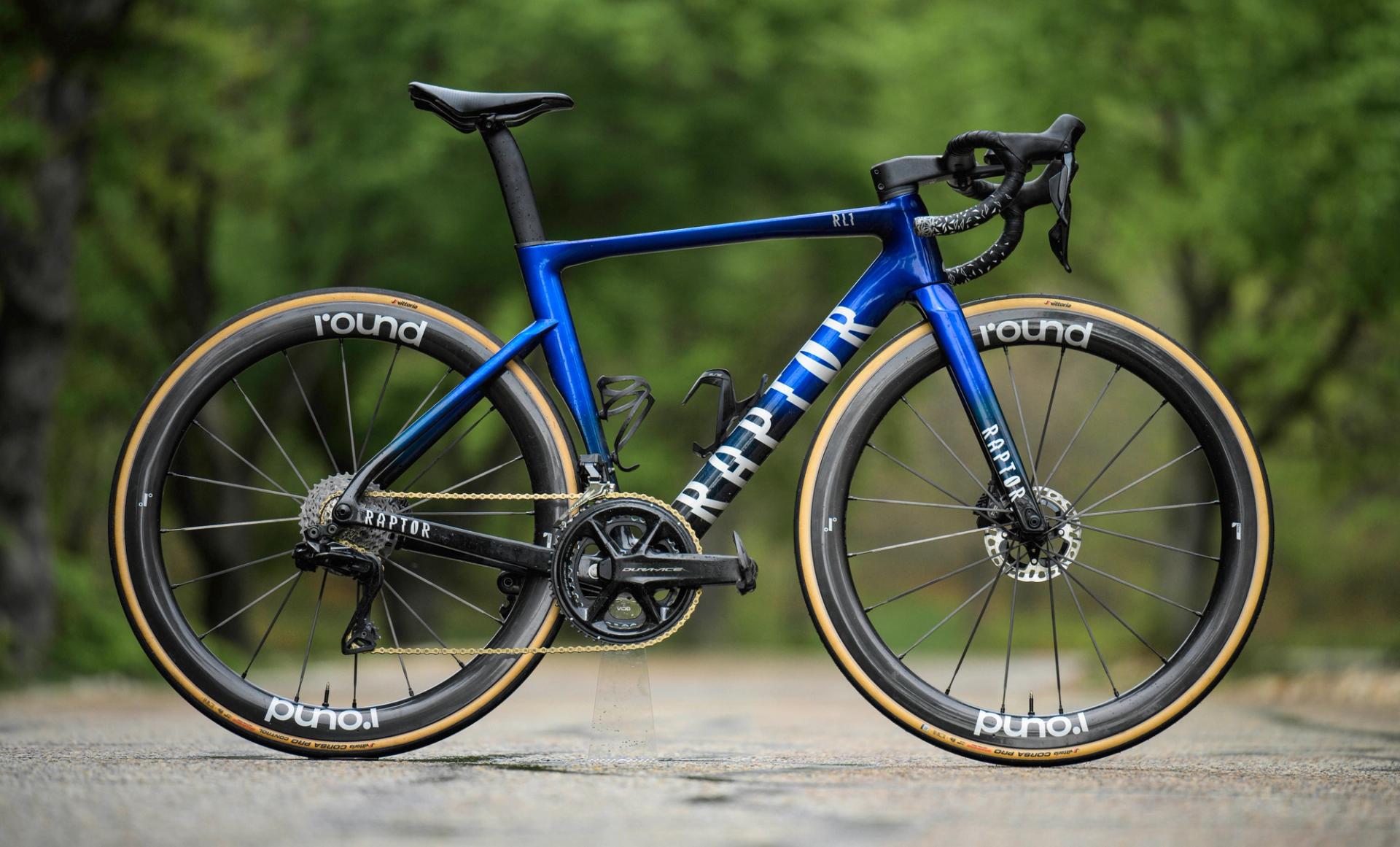
Raptor's RL1, using its proprietary Round wheelset, image credit: Raptor bikes
"We use a BB86 bottom bracket, standardised bearings on our headsets, and the same with all the other bits," Wright said. "So you can go into most shops around the world and buy a replacement part. The industry has moved towards proprietary parts, so you have to buy from them. We wanted to move away from that."
The choice has practical implications for the brand's target customer: someone who wants a high-performance bike but also wants to travel with it, service it abroad, and avoid delays linked to specific manufacturer supply chains. "We've actually spoken to a couple of pro cyclists and ex-pros who have said that's what really matters to them," Kelly said. "They travel around all the time. They just want a solution straight away."
Raptor's frames are made in China, carry ISO and EN certifications, and every unit arriving in London is checked for bottom bracket and headset tolerances. Naturally, tech-obsessives often zone in on the exclusivity and uniqueness of the frames, in contrast to those wholly designed by major western brands. Raptor has ambitions to create a more bespoke design, but for now on the pragmatic customer level they believe that the focus is often in the wrong place. "The question that people really should ask is what's it made of and what's your QC process," Wright said, acknowledging that focus is often cast more on the region where the bike has been made. "That's where the money has to be spent."
The Clubhouse economics
The Clubhouse, located at 1A Putney Embankment on the riverside path to Hammersmith scattered with runners, rowers and cyclists, opened in May 2024. It is not a bike shop in the traditional sense. There are no tyre racks or energy gel displays. Customers cannot browse accessory walls. Instead, they find a café with Raptor bikes visible along one wall and a cocktail bar for evening events.
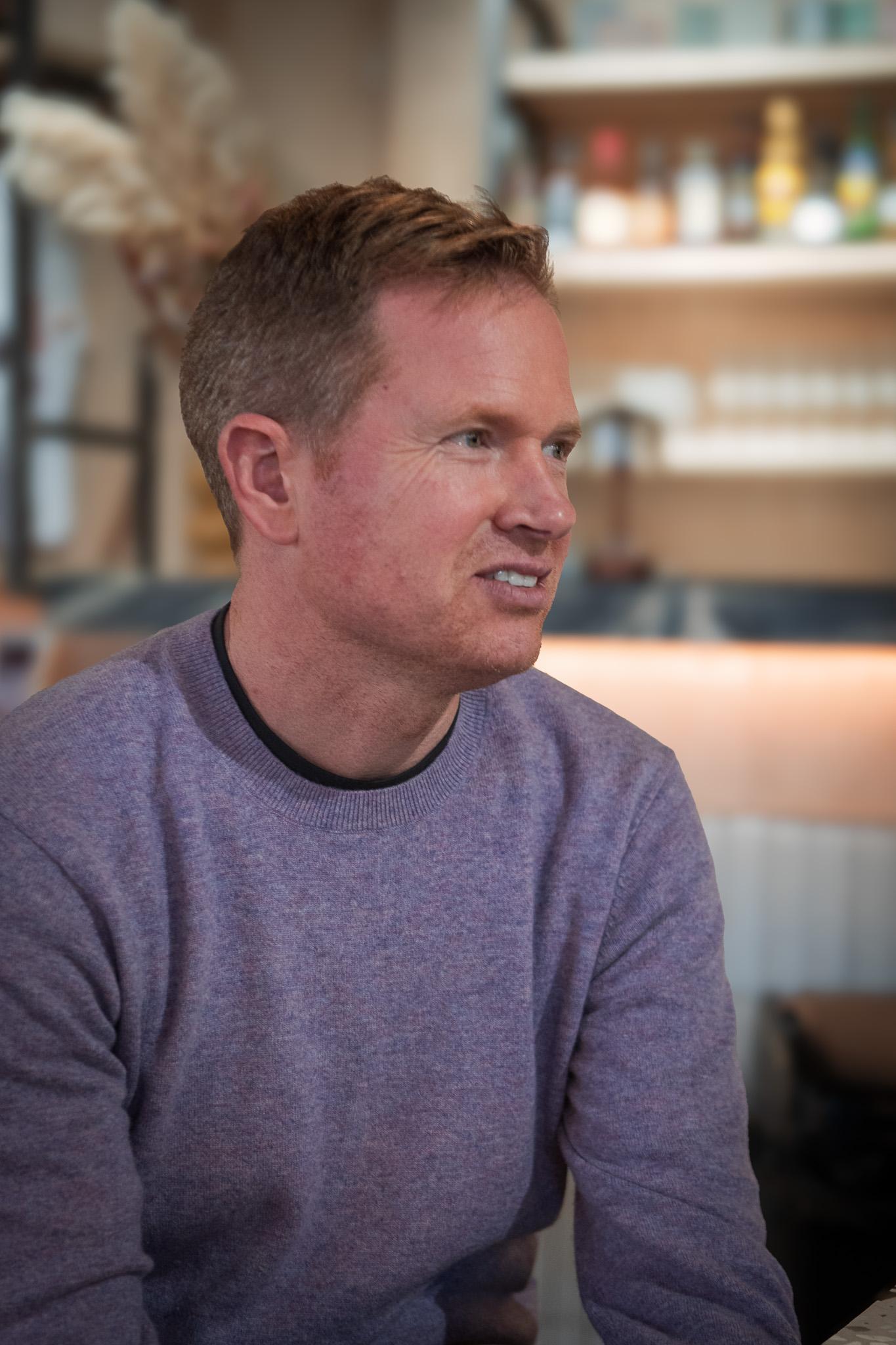
Tris Kelly at The Clubhouse, image credit: Peter Stuart/ Velora Cycling
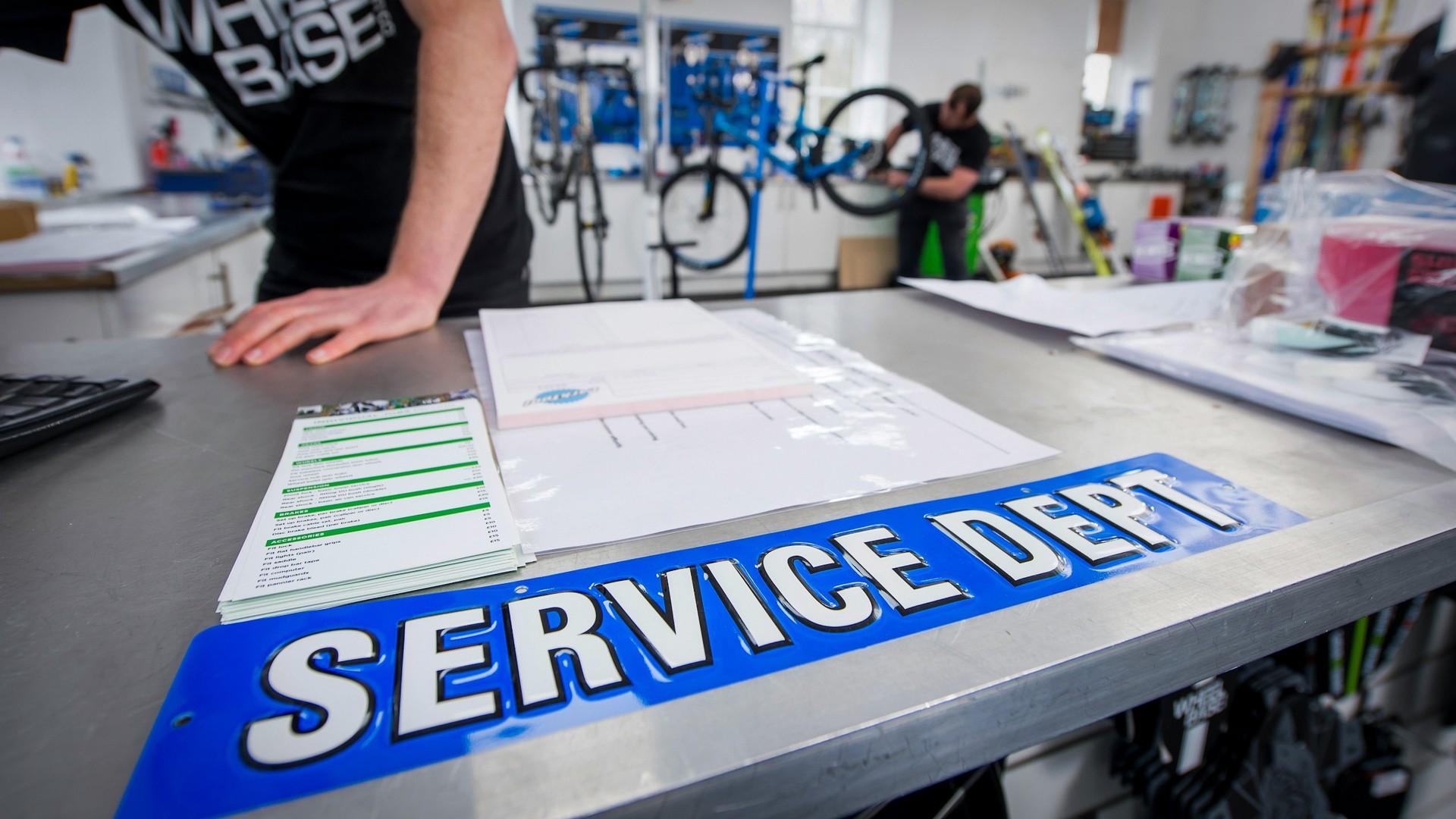
The cocktail bar replaced a workshop which moved to Hammersmith Bridge, largely because it became overwhelmed with servicing work and effectively burst out of the riverside space.
The Clubhouse café served approximately 250,000 people in 2025. On quiet days, the café sells upwards of 250 coffees. The business operates with roughly a 50/50 revenue split between the cafe and the bike operation.
Kelly frames the hospitality side as self-funded marketing. "Our rent here is less than what I think we'd have to be spending on social media to try and get any kind of visibility," he said. "Whereas here we get a quarter of a million people a year who are absolutely the people that you want."
The Clubhouse also benefits from many regulars who have a large social following. “We're really lucky that this area is full of influencers,” Kelly says. “They naturally just like coming here – they come here to film their content.”
Social media marketing can be an exceptionally expensive pursuit for cycling brands. The Clubhouse has managed to shortcut that by becoming an influencer and content creator destination. “We don't have any influencers on the books,” Kelly continues. ”Even influencers who have millions of followers have bought a bike from us in the past.”
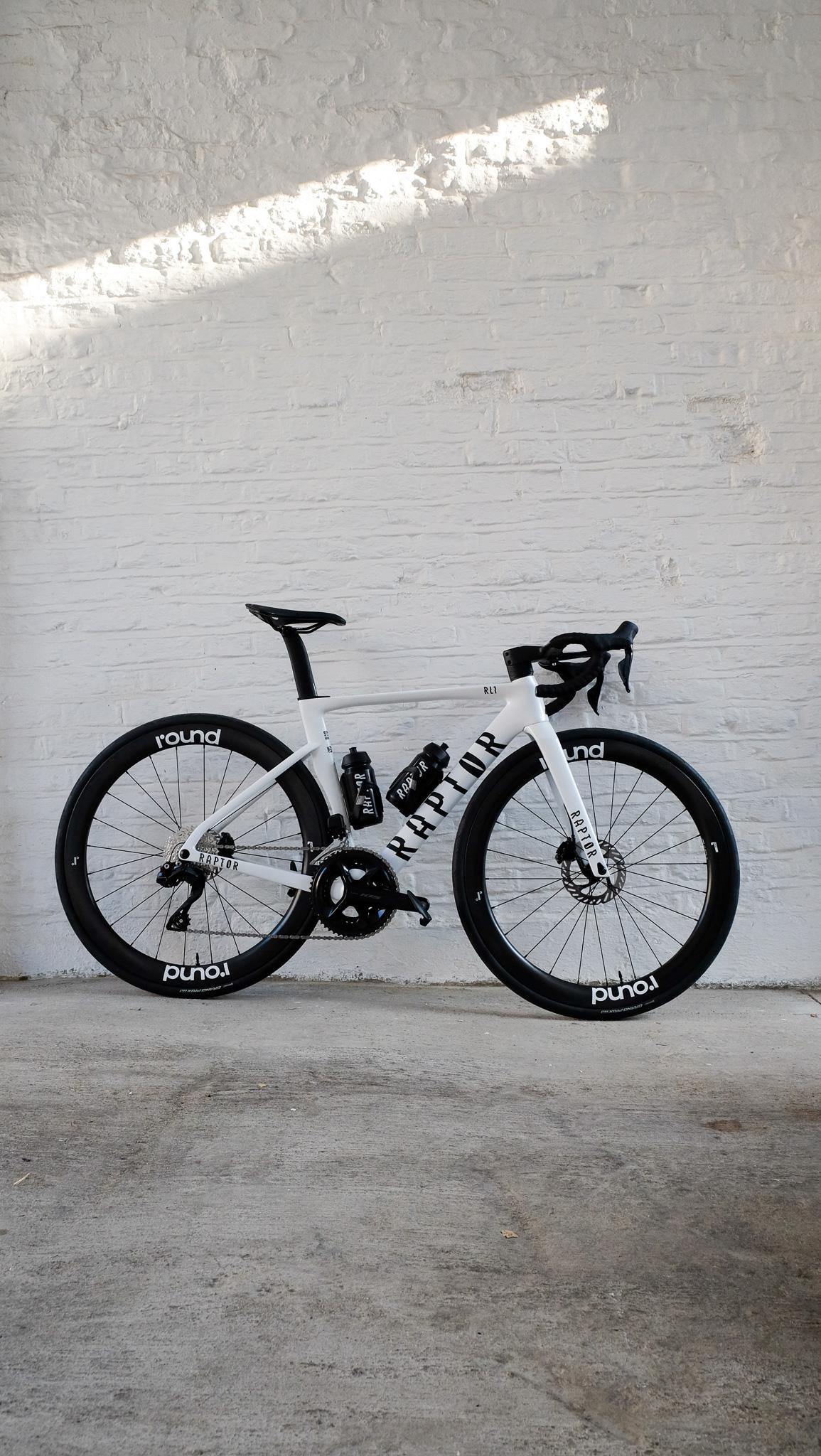
Raptor's RL1 road bike. The brand has hugely benefitted from marketing effect of The Clubhouse cafe, image credit: Raptor Bikes
The site hosts weekly run and ride clubs, supported by brand partners including Adidas and Origin Coffee. Events have featured appearances by Bradley Wiggins and Alistair Brownlee. The founders say the events are aimed at the "active lifestyle" demographic that Raptor is targeting.
"We want people to come in and feel the connection and not feel like they’re in a shop. There's not even a price tag, or someone saying: can I help you, can I fit you for a bike?'" Kelly said. "The vast majority of people who come in here never consider buying a bike. A lot of people actually think, 'Hang on, what are those bikes doing there?'"
“You can really nail one specific community and then accept that, with a mixed income model, I don't need to sell them a thousand bikes,” Kelly explains.
“There's an amount of bikes that you can sell in that community, and then we can identify another community. You can build a much stronger following I think, but you're very geographically focussed.”
Before The Clubhouse opened, Raptor's average bike buyer was a 55-year-old male. Since the café launched, that profile has shifted dramatically. In the run-up to Christmas 2025, approximately 60 percent of the bikes Raptor built were for women.
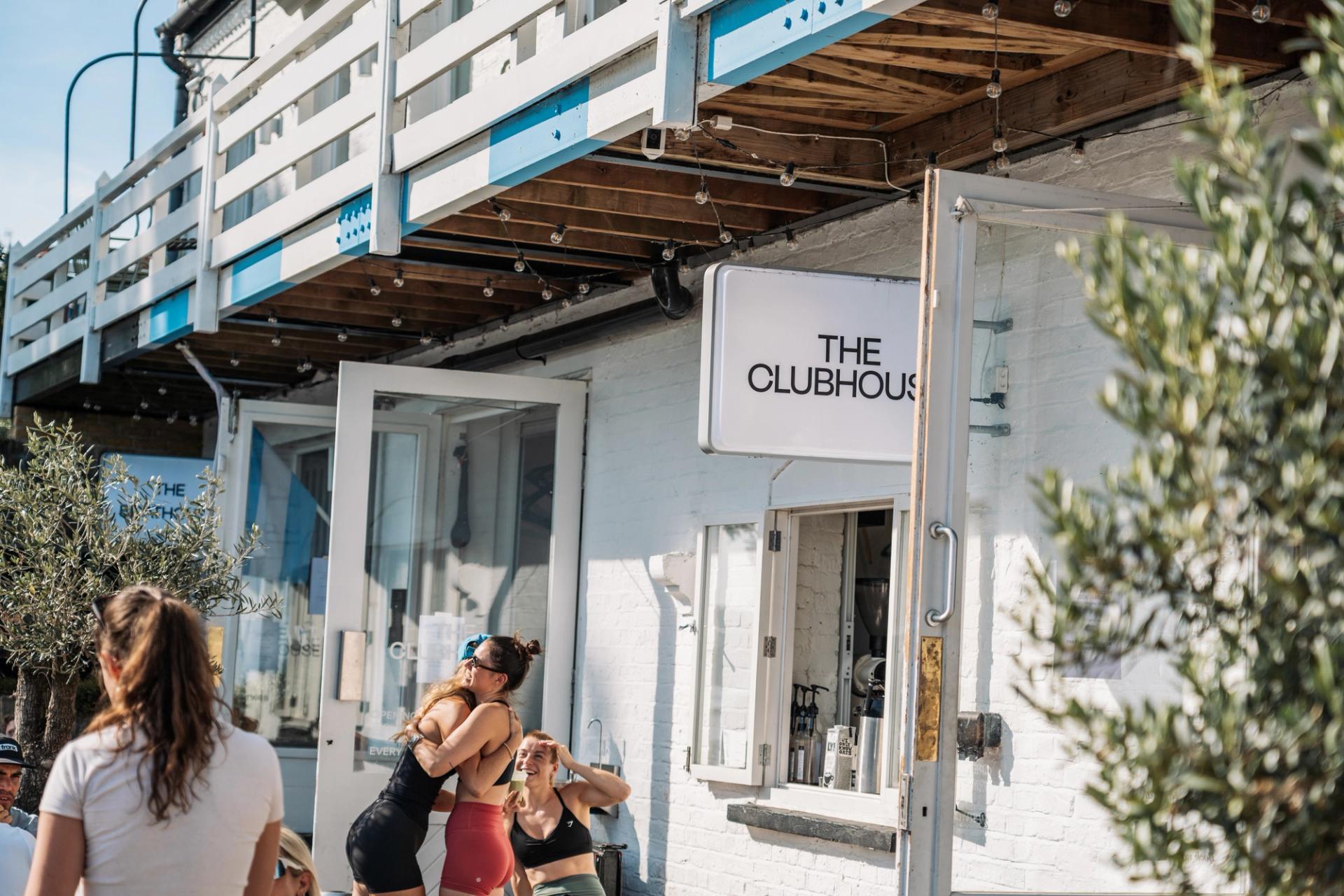
Kelly attributes the change to the "Clubhouse effect" – an environment that feels more welcoming than a traditional bike shop. "A lot of the female buyers we have, they don't have that connection to 'Does it need to say S-Works?' They're interested in the brand, they like the colour, they like that we're going to look after them. It doesn't need to say S-Works. They don't really care."
The link between running and cycling has been central to the shift. The Clubhouse's location on a popular running route, combined with its run club programming, has brought a steady stream of people from running into cycling, often through triathlon.
"If I was to chat to a young guy or woman who comes on the run club and say, 'What are you up to in 2026?', an unbelievable amount would say, 'I'm doing a 70.3,'" Kelly said. The half-Ironman format, which combines a 1.9-kilometre swim, 90-kilometre bike, and half-marathon run, is popular with endurance athletes who already own running kit but need a bike to compete.
Kelly argues that running brands – Bandit, Satisfy, Tracksmith – have normalised high discretionary spending on athletic apparel. "Running has normalised spending a ton of money on the kit," he said. “Everyone's got a shoe rotation. They're 200 quid each. So the gulf between cycling and this running market isn't there anymore."
Scalability and its limits
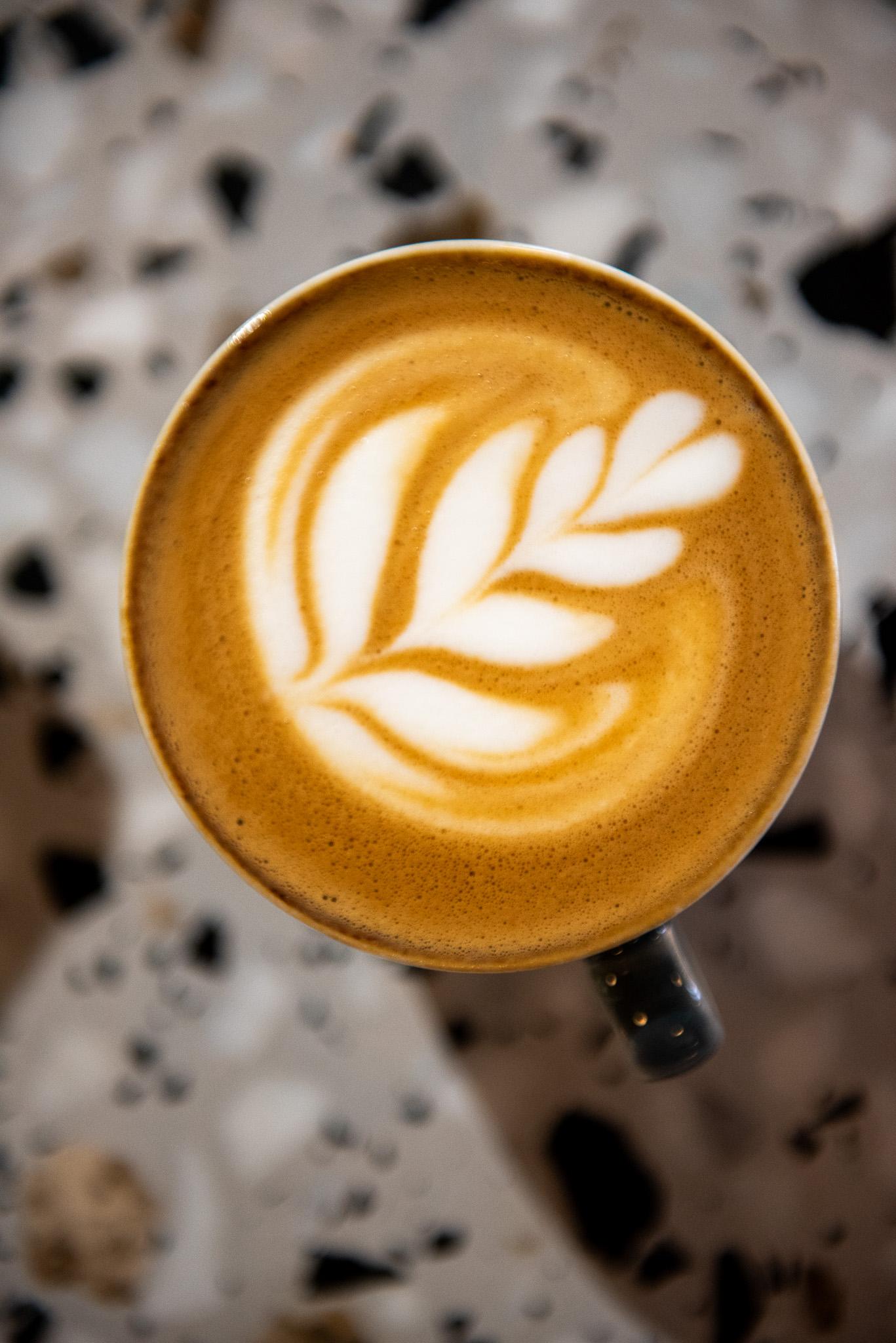
Top tier latte art at The Clubhouse, image credit: Peter Stuart/ Velora Cycling
For Kelly and Wright, there is a clear five-year target: five to six Clubhouse locations by 2030, with three in London and two in North America. The London targets are high-traffic active hubs near Regent's Park, Hyde Park, and Richmond Park. The US expansion would focus on the East and West Coasts.
Raptor aims for "low thousands" of annual bike sales – roughly 200 to 300 units per site – rather than the tens of thousands that would typically involve wholesale channels as well as direct sales.
"Our challenge now is how we do a better job of converting those people," Kelly said, referring to the café's footfall. "A lot of people probably don't realise that it's a custom-built bike. If we get the chance to sit down with them one-on-one, we can explain that."
"It's really hard work," Wright adds. "Seven days a week, constantly. There's no slacking. If you want to offer that level of customisation, the scalability is tricky."
The planned solution is to treat each Clubhouse as a semi-autonomous unit with its own team, serving its own community. "This clubhouse does 250, 300 bikes," Kelly said. "Then you create another clubhouse with its own little team. That's what's worked so far."
Ambitious though the idea of expansion may be, the hyper-local, community-focussed model of building a brand seems a sharp antidote to the macro-challenges that span the industry – from cheaper Chinese alternatives to impulsive tariff wars – when it comes to global selling. For riders who focus on their weekend coffee spots more than the WorldTour relegation battle, though, it may prove far more sustainable.
"We're not trying to be Canyon," Kelly said. "We're trying to sell bikes to the people five kilometres that way and five kilometres that way. And if we can do that well, we'll build another one somewhere else."