It's ironic that 2026 may prove a confusing year for cycling fans, but in many ways as a result of diffusing some of the most confusing race names of the season.
For years, Gent-Wevelgem has started nowhere near Ghent. The Critérium du Dauphiné hasn't been confined to the old Dauphiné region since the administrative map was changed just over a decade ago. And Brugge-De Panne will finish this spring in Bruges, rendering half its title obsolete before the first rider crosses the line.
In 2026, three established WorldTour races are shedding their traditional names in favour of titles that better reflect where they actually go, who's paying for them, and which regional governments are willing to write the cheques. It's the most significant round of rebranding the sport has seen in a single season.
Race rebrands

| Classic Brugge-De Panne | Criterium du Dauphine | Gent-Wevelgem | |
|---|---|---|---|
| New Name | Ronde van Brugge | Tour Auvergne-Rhone-Alpes | In Flanders Fields |
| Type | One-Day Race | Stage Race | Cobbled Classic |
| Change | Bruges finish | Regional alignment | New start: Middelkerke |
Old Name | New Name | Type | Change |
|---|---|---|---|
| Classic Brugge-De Panne | Ronde van Brugge | One-Day Race | Bruges finish |
| Criterium du Dauphine | Tour Auvergne-Rhone-Alpes | Stage Race | Regional alignment |
| Gent-Wevelgem | In Flanders Fields | Cobbled Classic | New start: Middelkerke |
In Flanders Fields: When Geography Finally Catches Up
Gent-Wevelgem, a Monument-adjacent Classic dating back to 1934, now officially titled In Flanders Fields – From Middelkerke to Wevelgem. The catalyst is a ten-year partnership deal with the coastal municipality of Middelkerke, running through 2035, which secures the town as the men's elite race start.
Flanders Classics CEO Tomas Van Den Spiegel framed the change as overdue honesty. The race hasn't started in Ghent since 2003, when it moved to Deinze, and later to Ypres in 2020. The old name no longer matched the route. By adopting the "In Flanders Fields" subtitle – a deliberate nod to John McCrae's famous World War I poem – the organisers lean into the race's deep historical roots in the battlefields of West Flanders while finally putting the actual start town in the title.
The route's soul remains intact. The race still passes through the centre of Ypres, still tackles the Kemmelberg and the wind-shredded flats of De Moeren. Those are the landmarks that define the racing, not the ceremonial rollout town. Moving the start to the coast does change the early dynamics – expect more exposed roads and the possibility of splits before the race even reaches the climbs – but the finale will look familiar.
It's worth noting that while the elite races adopt the new branding, the youth development races scheduled for May will stay centred in Ypres. The elite event follows the municipal partnerships, while the grassroots programme remains centred in Ypres.
Tour Auvergne-Rhône-Alpes: The ASO Simplifies
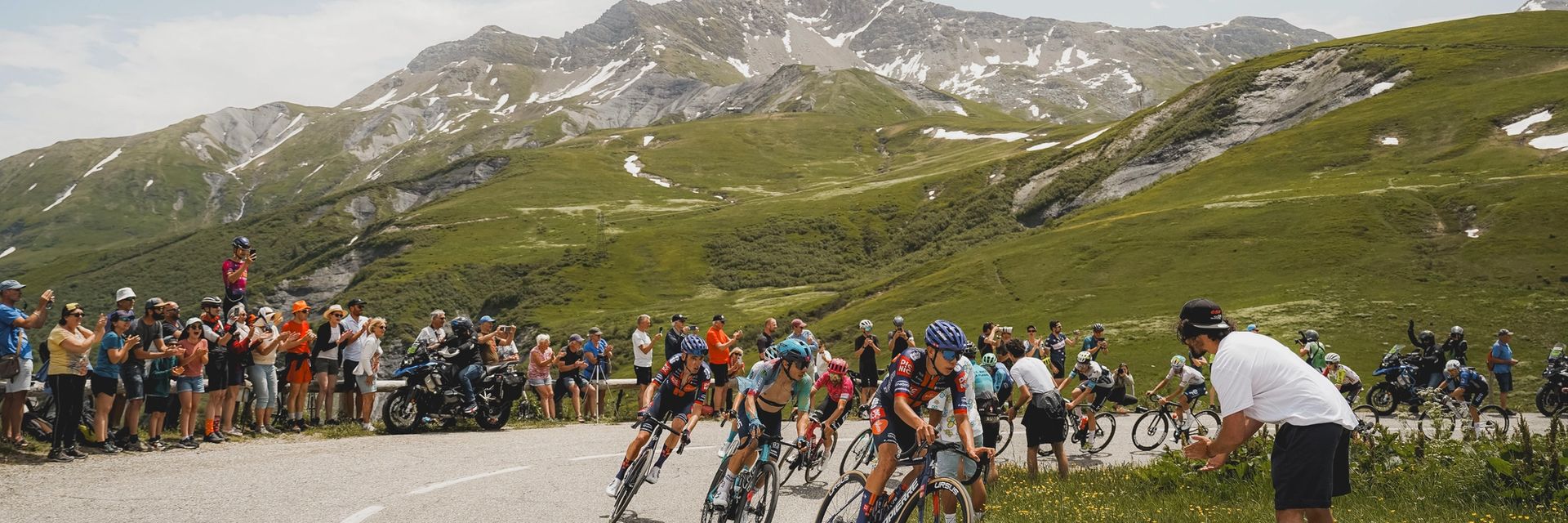
The Critérium du Dauphiné, the week-long stage race that serves as the traditional final warm-up for Tour de France GC contenders, is now the Tour Auvergne-Rhône-Alpes. The Amaury Sport Organisation calls it a "simple alignment" between name and reality.
For over a decade, the race has functioned almost exclusively as a tour of the Auvergne-Rhône-Alpes administrative region. The old "Dauphiné" name referenced a historical province that ceased to exist as a formal entity centuries ago. It also paid tribute to newspaper Le Dauphiné Libéré, which helped found the race in 1947 and still exists. However, the newspaper no longer has a sponsoring role.
By adopting the modern regional name, ASO mirrors the naming conventions of other regional tours like the Tour de Bretagne, and it makes the event far more attractive to the regional government and local sponsors who increasingly underwrite these races.
The rebrand changes nothing about the race's character or difficulty. It's still a mountainous, selective stage race with high-altitude finishes and time trials. Pogačar, Vingegaard, and whoever else is aiming for yellow in July will still treat it as the critical final examination before the Tour. What changes is the clarity of the pitch to local stakeholders: the race's name now explicitly promotes the region it traverses. This approach has proven effective for other regional tours. Regional branding opens funding streams that a vague historical reference never could.
Ronde van Brugge: When the Finish Determines the Name
The most tactically significant rename is Ronde van Brugge (Tour of Bruges), the race formerly known as Classic Brugge-De Panne. The reason is straightforward: in 2026, the race will both start and finish in Bruges. Because it no longer ends in the coastal town of De Panne, that name had to go.
This isn't just cosmetic. The old De Panne finish was legendary for its long, straight, wind-hammered roads that rewarded pure power sprinters and echelon specialists. The move to a Bruges-based finish fundamentally alters the race's character. The new finale will be tighter, more technical, on the scrappier streets of Bruges' outskirts. Organisers insist the race will still cross the exposed farm roads of West Flanders—crosswinds and echelons will remain a defining factor—but the sprint finish will demand more positioning savvy and less raw wattage.
The change is the result of a collaboration between the city of Bruges, the organiser Golazo, and the local cycling club KVC Panne Sportief. Towns bid for the prestige and economic activity, organisers need partners to cover costs, and routes follow the deals that can be struck.
The Renewi Tour: A Cautionary Tale
If you want to understand how normal constant renaming has become, look at the Renewi Tour, scheduled for August 19–23, 2026. This race, now in its 21st edition, has changed names more times than most riders can remember.
It started as the Tour of Benelux in 2005, became the Eneco Tour under the energy provider's sponsorship, then the BinckBank Tour when the financial services company took over, briefly reverted to Benelux Tour, and is now the Renewi Tour after the waste-to-product company.
The route and character have remained largely consistent, but the title has served as a rotating billboard for whoever's paying the bills. The 2026 rebrands of the three Classics look dramatic only because those races managed to keep their original names for so long.
Why Topographic Branding Wins
The 2026 rebrands show organisers are moving away from abstract or purely historical names toward titles that emphasise place and administrative identity. This topographic branding comes down to flexibility and funding.
When a race is named after a specific town-to-town route, any change to the start or finish location creates a branding problem. When it's named after a region, the organisers can move the route within that area without triggering another rebrand. That matters in an era where municipalities bid competitively to host race starts and finishes. The name becomes a stable umbrella that can accommodate shifting logistics underneath.
It also helps local governments justify the expense. If the race is called the "Tour Auvergne-Rhône-Alpes," the regional council can point to direct promotional value every time a commentator says the name. That's easier to sell to taxpayers than funding a race called the Dauphiné, which references a province that hasn't existed since the Revolution.
The rebrands sacrifice names like "Gent-Wevelgem" that carry nearly a century of history. In exchange, organisers gain more stable funding from regional governments and municipal partners.