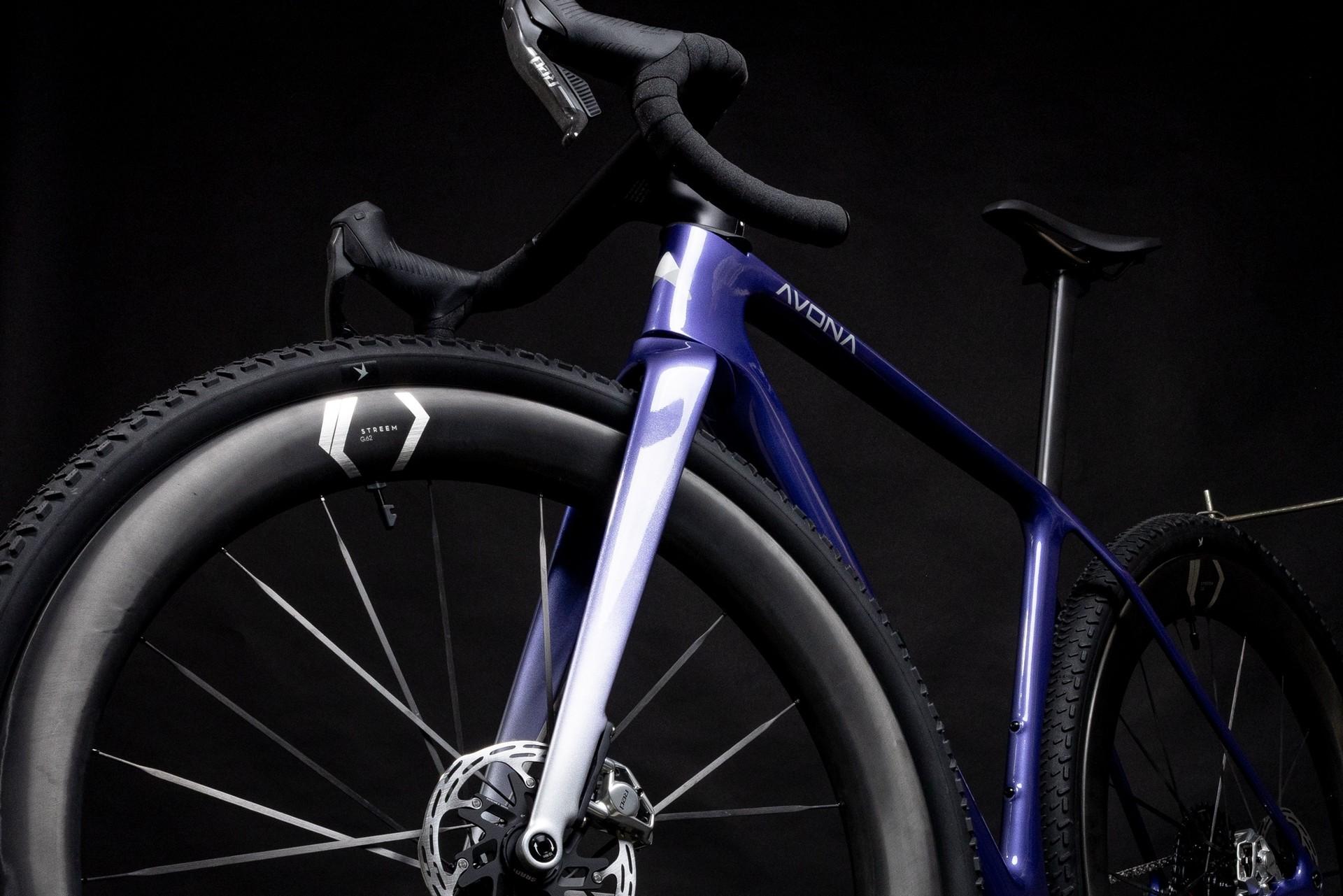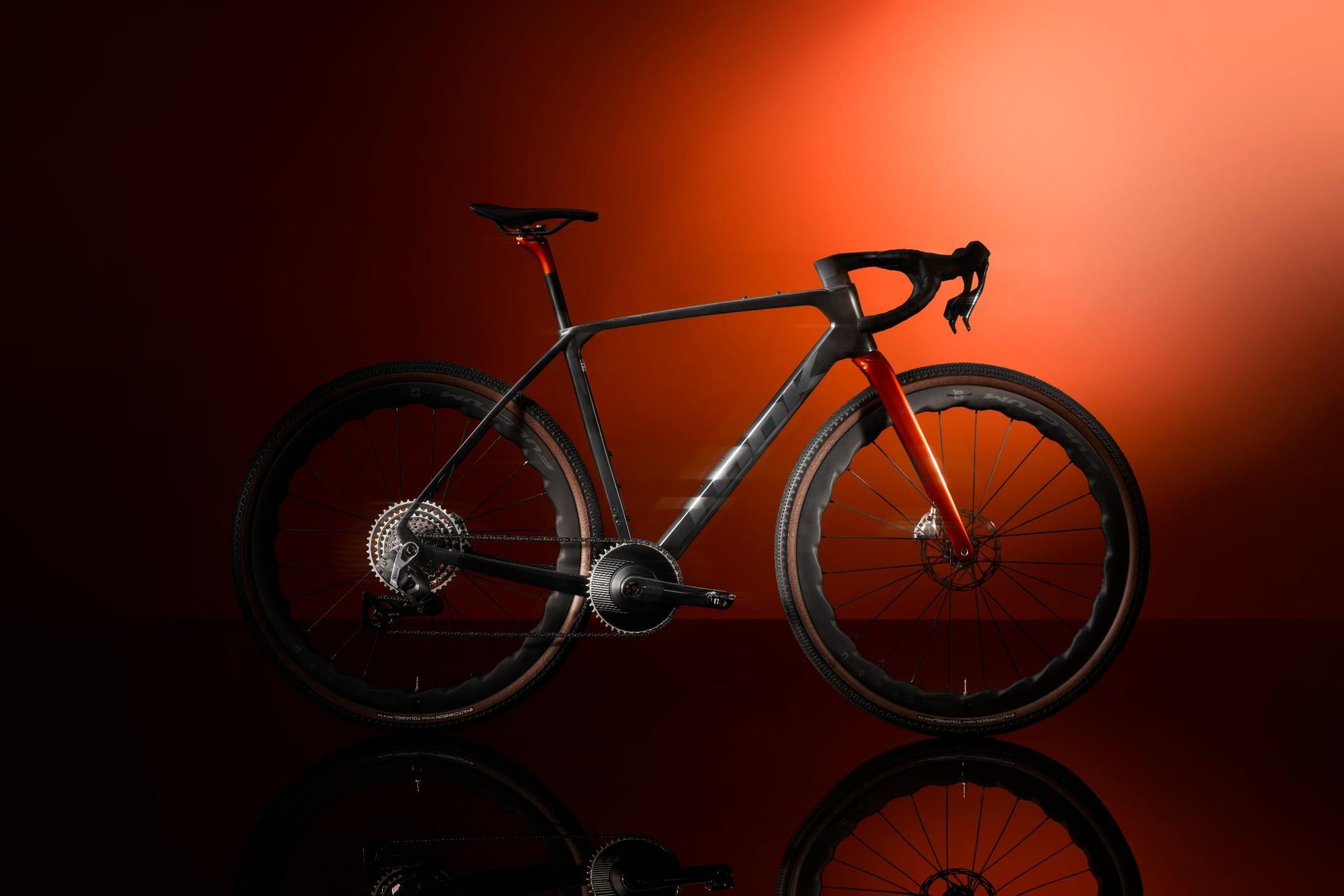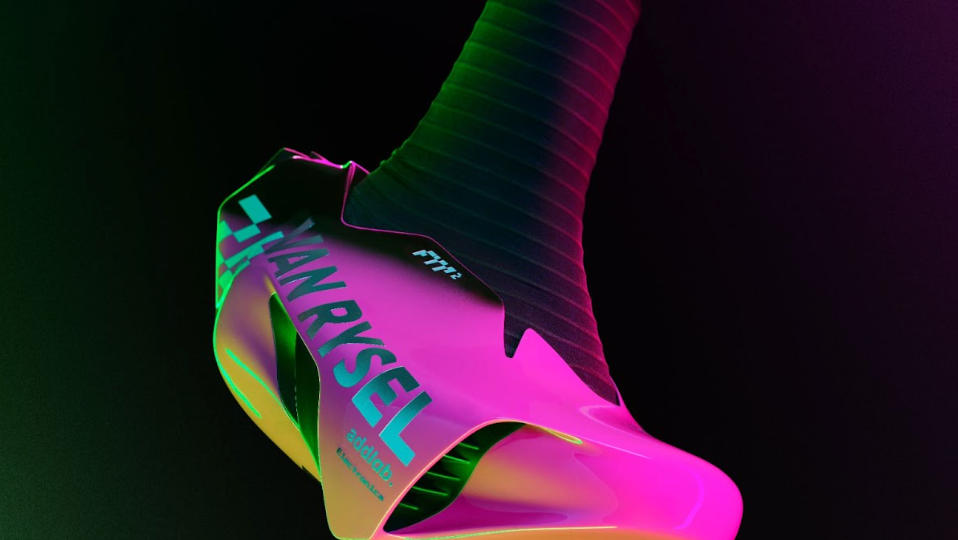
Van Rysel’s FTP² concept shoe has been circulating for a week now, and it still feels like something cycling hasn’t quite decided how to process.
At its core is a radical rethink of the shoe–pedal interface. The FTP² shoe integrates the pedal axle directly into a 3D-printed carbon sole, eliminating cleats entirely and stripping stack height down to its minimum. In effect, the shoe doesn’t clip into the pedal, but is instead an integrated pedal-shoe.
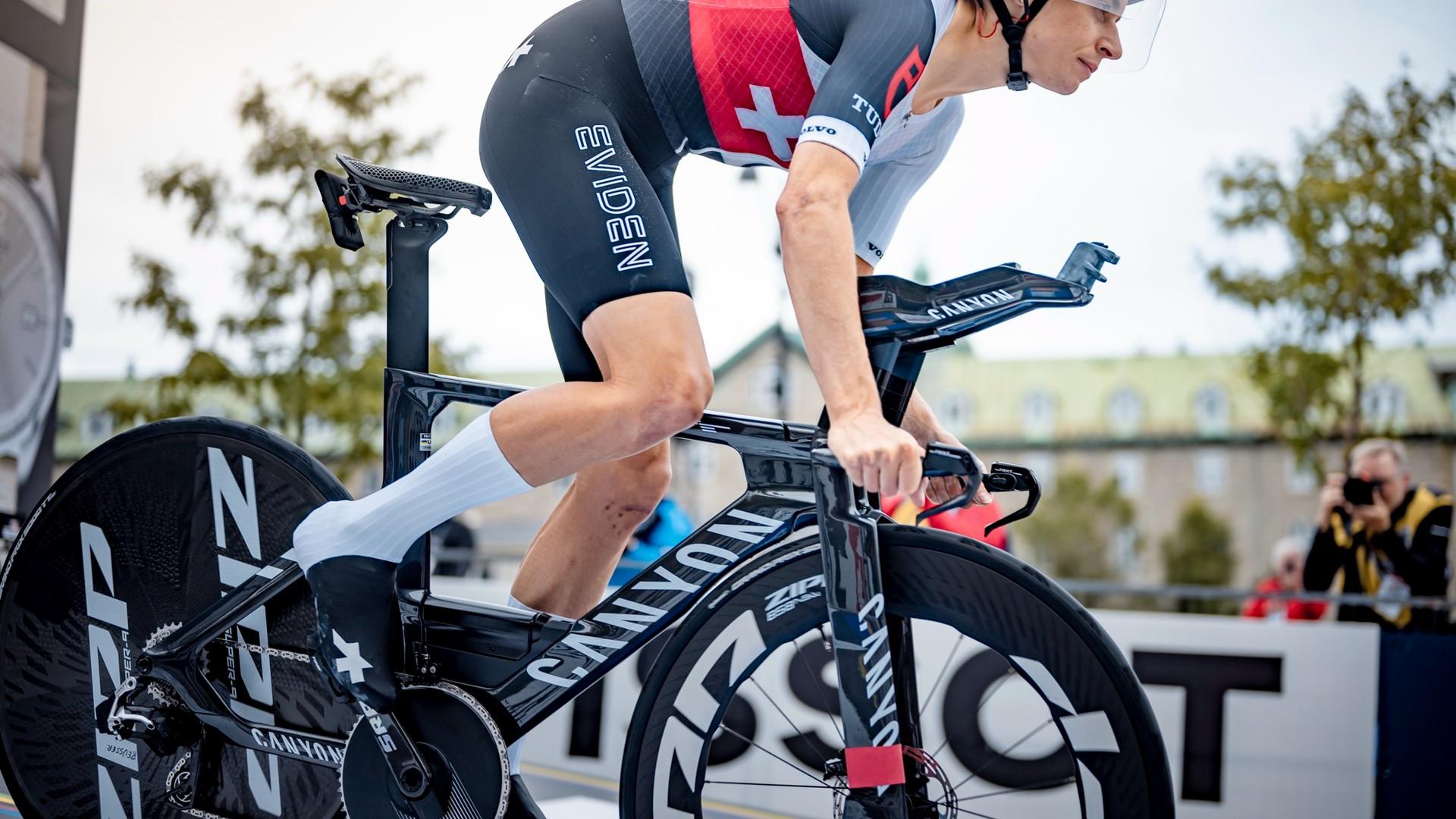
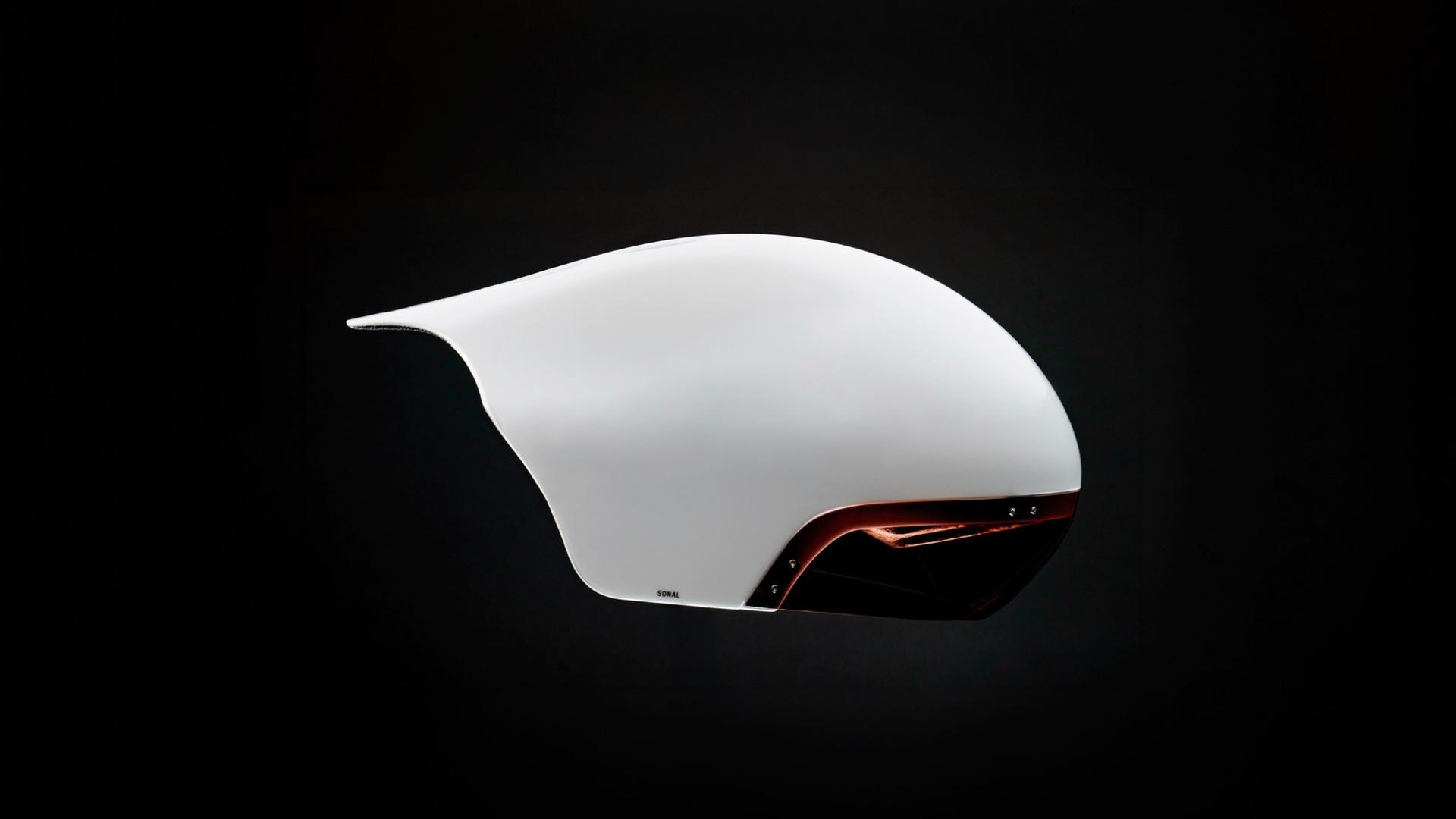
The footwear forms part of Van Rysel’s wider FTP² “rolling laboratory”, a non-UCI platform built around a time trial bike with an unrestricted Mahle motor, aero helmet and a protective speed suit. The brand is clear that the project is concept-only rather than a precursor to a commercial launch, but it also insists that some of the ideas explored here could migrate into conventional road shoes.
Interface and construction
Instead of a traditional pedal body and cleat, the shoe houses the pedal axle within a structural carbon “spine” inside the sole. By removing cleats, metal inserts and the pedal platform itself, Van Rysel says the system reduces stack height and mechanical play at the contact point.
“The shoe no longer clips onto a pedal; it becomes the pedal,” the brand said.
The complete assembly weighs around 500g including the integrated axle. Internally, the sole relies on a moulded carbon layup, while the external shell is 3D printed to achieve shapes that would be difficult or impossible using standard tooling.
Motorised closure
Fit adjustment is equally unconventional. Manual BOA-style dials are replaced by a fully motorised closure system, with a micromotor controlling lace tension via an internal winder. Power comes from a removable battery housed at the heel.
Tension is adjusted remotely from the cockpit, allowing the rider to fine-tune fit without taking their hands off the bars. Power is only drawn during adjustment, with a mechanical lock maintaining tension once set.
Aerodynamics and cooling
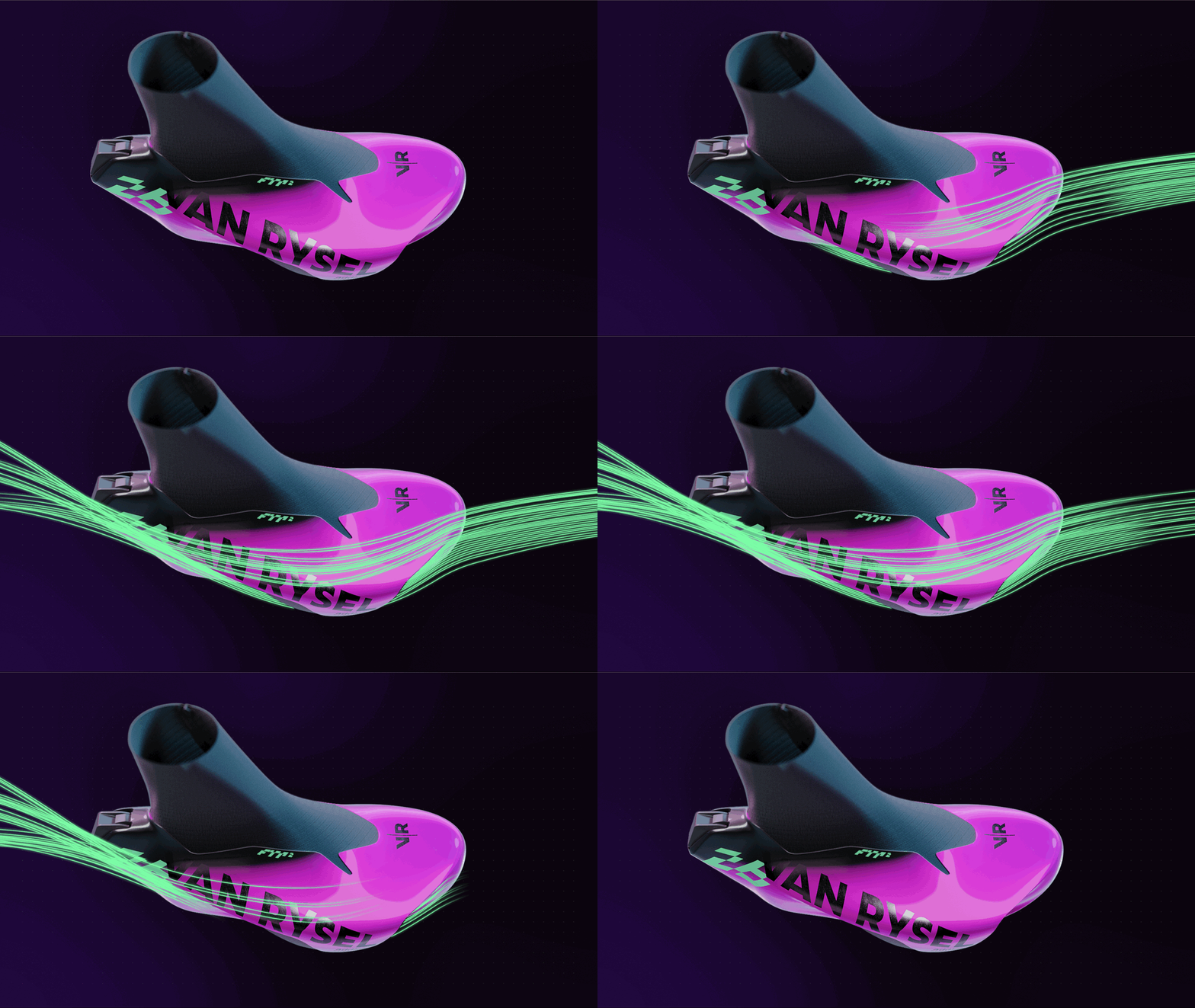
Aerodynamics drive much of the shoe’s external design. The lateral side features a NACA-inspired airfoil profile, while a patented vent uses fin structures to capture disturbed airflow around the forefoot. Van Rysel claims the system both reduces drag and channels air into the shoe to cool the rider’s foot and the onboard electronics.
The upper itself uses a high-speed textile similar to that found in professional overshoes, effectively turning the shoe into a permanent aero shell.
Van Rysel says that while the FTP² platform is deliberately extreme, the research underpinning its airflow management and electronic tightening systems could inform future production footwear.
Wacky races
Viewed purely through a commercial lens, it would be easy to dismiss FTP² as spectacle. But the longer I’ve sat with it, the more it reads as something else entirely: a genuine research platform, supported by a considerable investment in research and associated patents.
It reminds me strongly of the work Robert Egger did at Specialized, when I visited him a decade ago in Morgan Hill (and wrote it up for Cyclist magazine), he was working on all manner of totally outlandish ideas for time trial e-bikes and wild fully-fared speed machines. At the time it seemed like total madness, but checking back in 10 years later, so many of the designs carry the flourishes of products that eventually hit the market.
That same ambition is evident here. Van Rysel isn’t proposing that riders will be bolting axles into their soles next season, but it is challenging assumptions that have gone largely unexamined for decades. Why does the shoe–pedal interface still rely on layered components and tolerances? Why is fit adjustment static once the race starts? Why is airflow treated as secondary to structure?
FTP² is a reminder that performance gains don’t always come from shaving grams or tweaking materials, but from rethinking where the system boundaries actually sit.
In the immediate future, though, don't be surprised to see the shoe surfacing on the British club time trial scene.