Italian component giant Campagnolo has unveiled a drastic restructuring plan that would cut 120 of the 300 jobs at its Vicenza headquarters, a 40% reduction in its workforce, as the post‑pandemic cycling slump bites deep into one of the sport’s most storied brands.
As first reported by Il Gazzettino, the company informed unions on 26 November that, despite a €10 million shareholder loan subscribed between November 2024 and December 2025, its liquidity “cannot currently guarantee business continuity” without major cost savings. The board, which approved the plan on 21 November, is targeting a 40% reduction in labour costs while pledging to keep production in Vicenza and uphold its “Made in Italy” identity.
Campagnolo, founded in 1933 and synonymous with premium road groupsets, has been dragged into the same market whiplash that has hit the wider industry after the COVID‑era bike boom turned to bust. The production value of its cycling component division has fallen from €132 million to €82 million in the consolidated accounts to 31 May 2024, while the net loss for that year ballooned from €1 million to €15 million. Across the 2023 to 2025 financial years, cumulative losses now exceed €24 million.
Legacy under pressure in Vicenza
Management is presenting the layoffs as the price of defending Vicenza, not the prelude to abandoning it. The plan emphasises maintaining manufacturing in Italy, with an “Italian‑centric” supply chain, even as it strips back headcount.
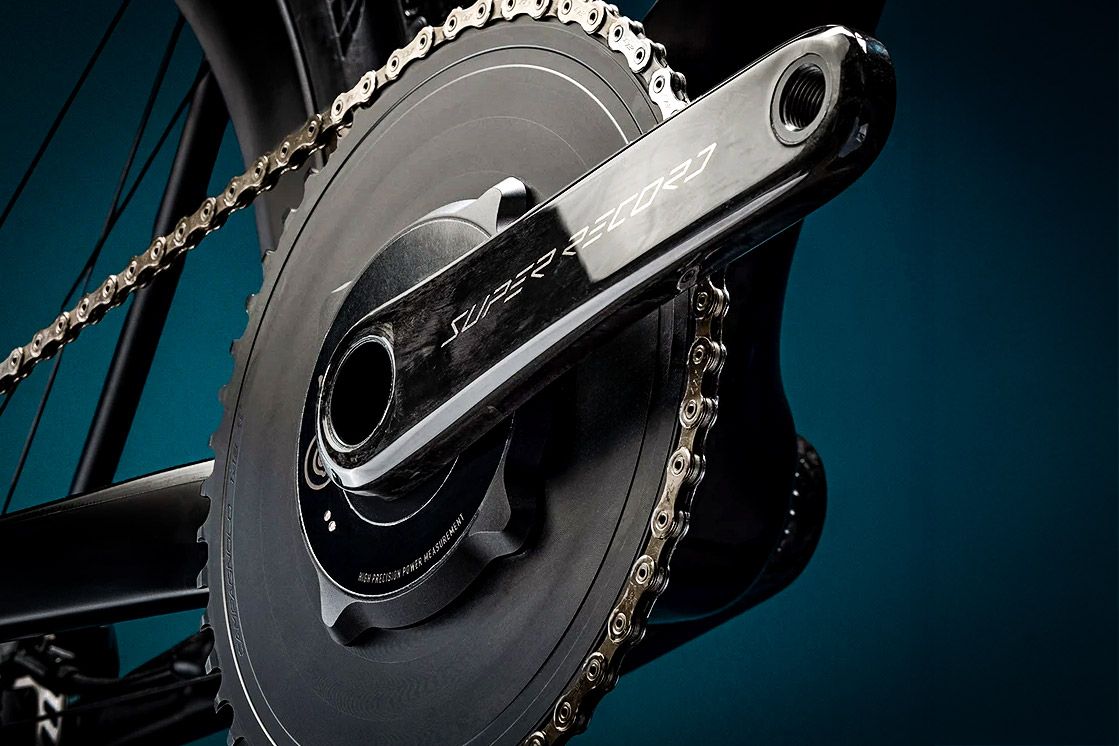
At the same time, Campagnolo is trying to convince trade partners that it still has a growth story. The wireless Super Record 13 platform, launched in June 2025 for road and gravel, is being pitched as a technological flagship, with further, more accessible groupsets promised to push the brand back into the mid‑range that it largely ceded during the years it focused on high‑end mechanical and electronic road.
For workers and unions, that narrative does not soften the blow of losing nearly half the jobs on site.
“The sector crisis exists, but does not justify such heavy layoffs. There are margins to protect the entire workforce and open a serious discussion on industrial prospects,” argued trade union official Marco Maraschin, part of FIOM‑CGIL Vicenza, speaking to Italian media.
Trade unions FIOM‑CGIL and FIM‑CISL have rejected the plan in its current form, criticising what they see as an absence of a credible industrial strategy to go with the cost cutting. Maraschin has described the proposal as an “economic restructuring” aimed at relaunching existing products rather than investing in new ones, and warned that outsourcing could follow if the local plant is hollowed out.
Unions are calling for the “layoffs” to be removed from the negotiating table and for alternatives such as solidarity contracts and other social‑safety instruments to be explored instead. They want Campagnolo to present a detailed industrial plan that explains how Vicenza can remain a centre of innovation and production, not just a reduced assembly outpost.
Local politics are now involved. Vicenza city councillor Raffaele Colombara has formally raised the issue in the council, urging regional authorities and the Veneto development agency, Veneto Sviluppo, to convene a discussion table between the company, unions and institutions.
For the city, the stakes are high. Campagnolo is not just a logo on a crank arm, it is a pillar of Vicenza’s industrial identity and a reference point for a network of specialist suppliers built around high‑precision metalworking.
The scale of the proposed cuts underlines how severe the industry downturn has become. The COVID boom encouraged over‑ordering and over‑production across the supply chain, leaving warehouses full and order books thin once demand normalised. Market leader Shimano has also reported plunging profits in recent years due to the same correction, highlighting that even the biggest players are not insulated.
Campagnolo’s position is especially exposed. Its focus on premium road components left it on the sidelines of the early e‑bike explosion and much of the entry and mid‑level market, just as budgets began to tighten. The recent pivot toward more accessible products is intended to correct that, but it arrives against a backdrop of heavy losses and now a deep restructuring.
This is not the first time jobs at Vicenza have hung in the balance. In 2015, a previous plan to cut 68 positions was averted through negotiations and union agreements. This time, the numbers are larger and the financial context markedly worse, with the company explicitly warning that, without a 40% labour‑cost cut, its current structure is unsustainable.
Across the sport, the financial squeeze is becoming a recurring motif, from WorldTour team balance sheets to media coverage, as in our report on Visma‑Lease a Bike’s losses and the cuts to Dutch public cycling broadcasts. Campagnolo’s crisis shows that even the most venerated names in hardware are not immune.