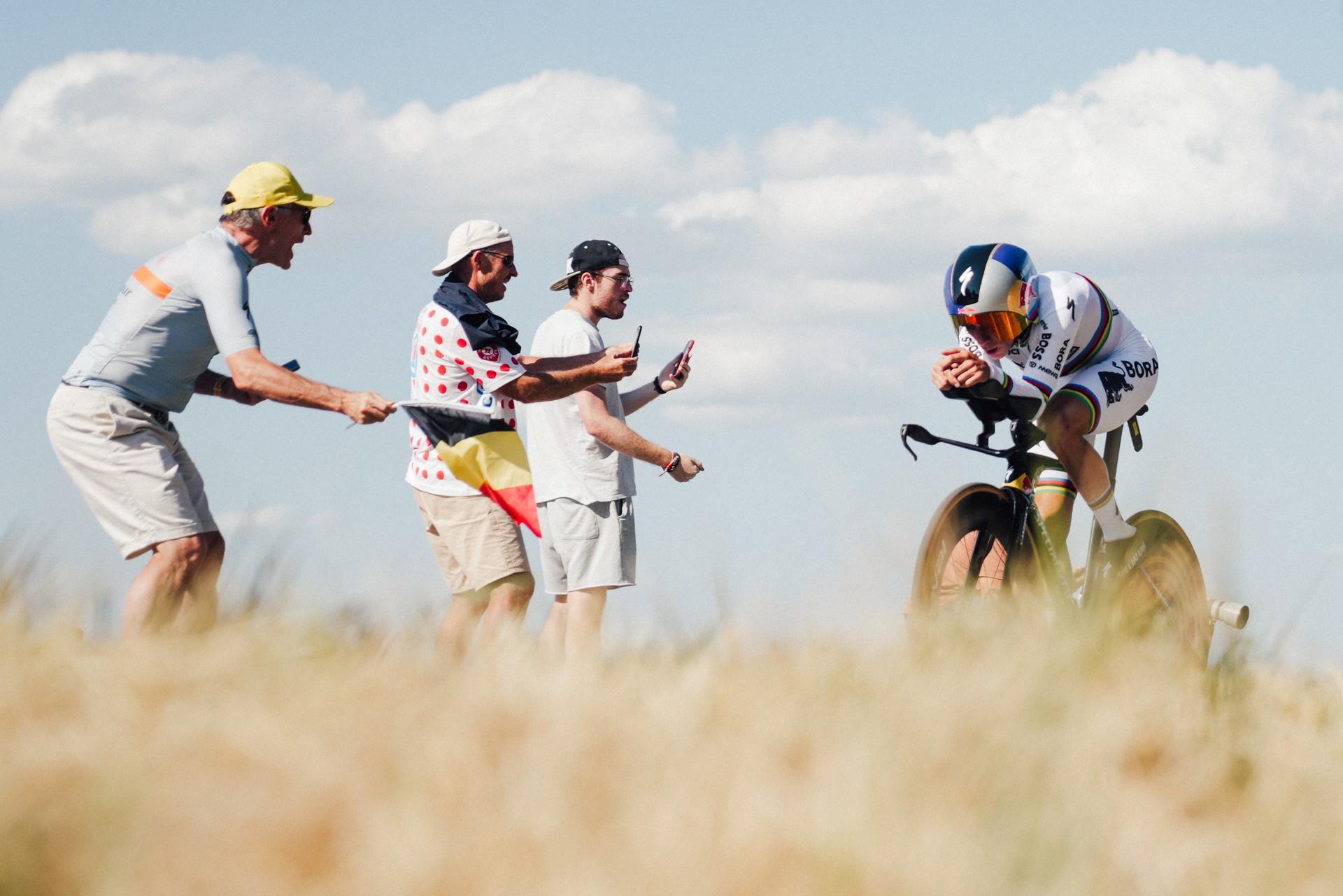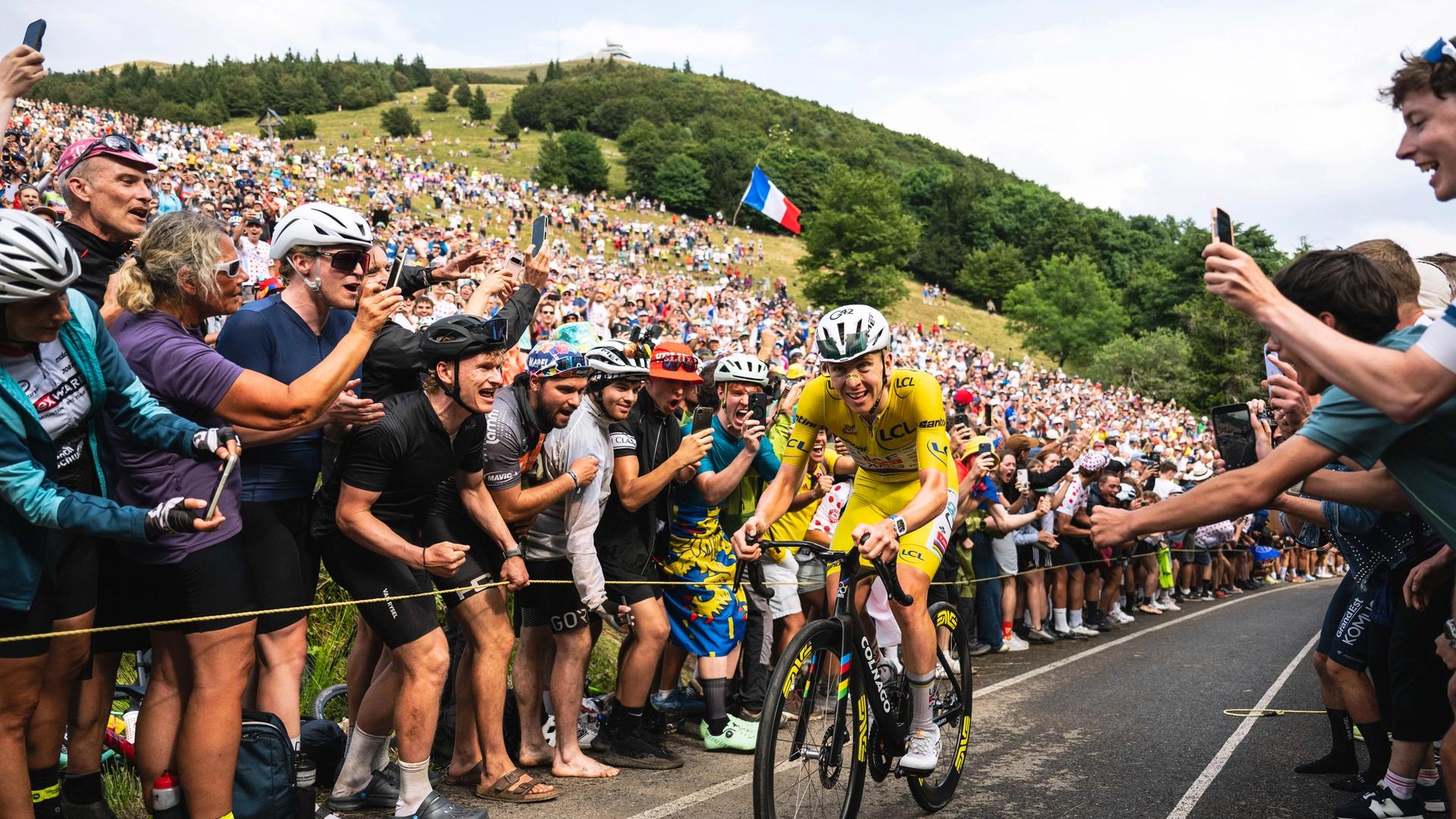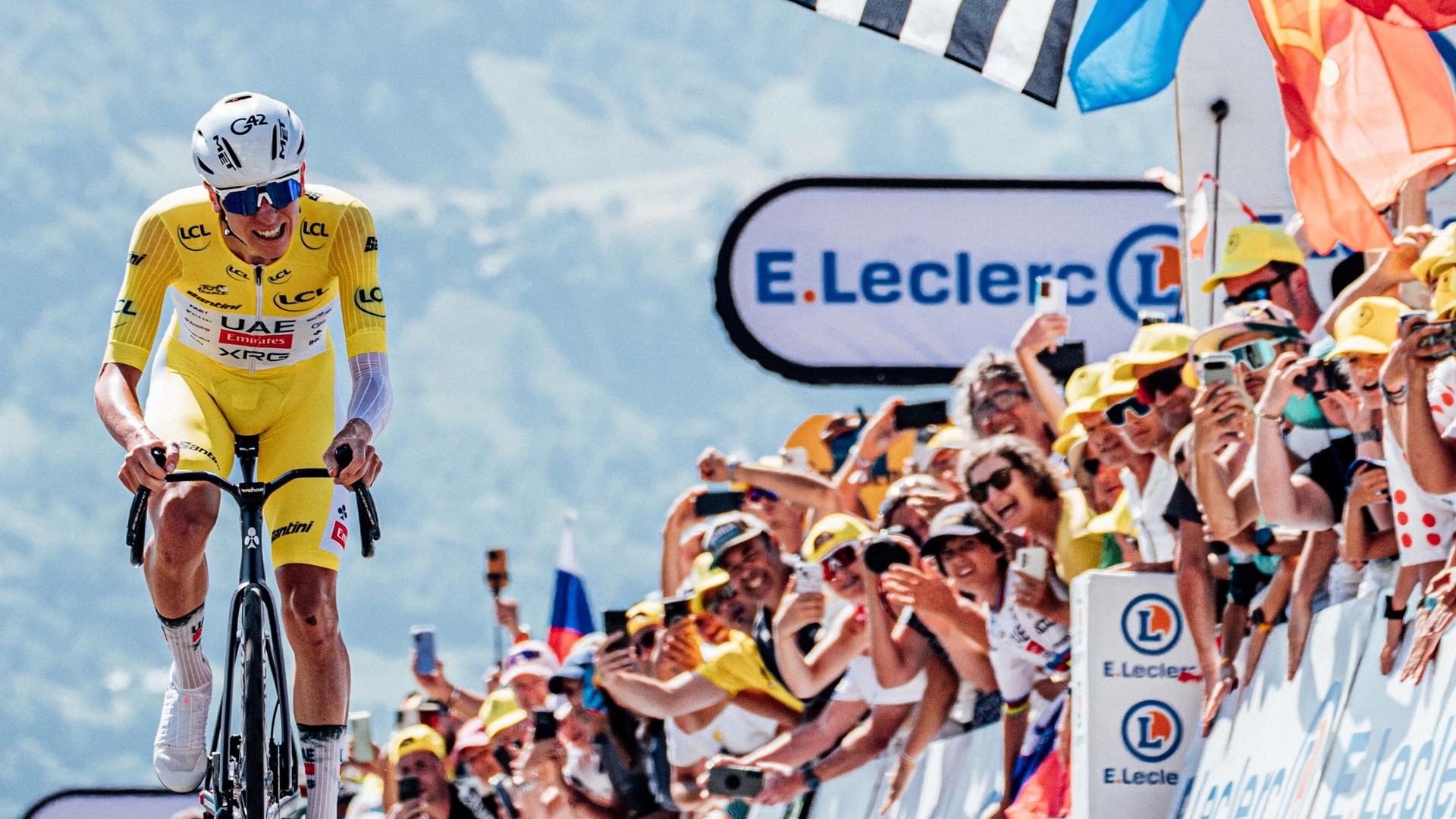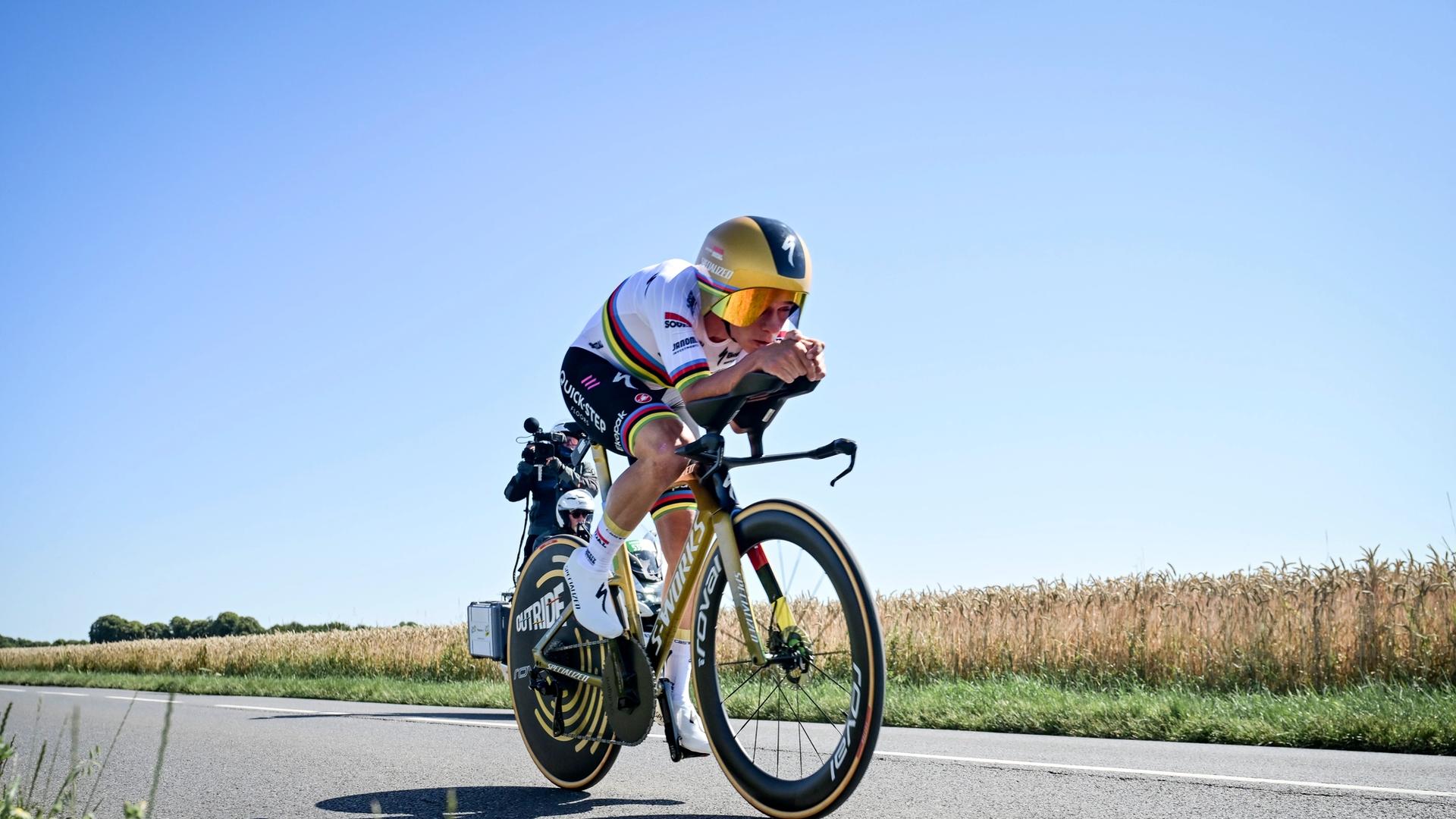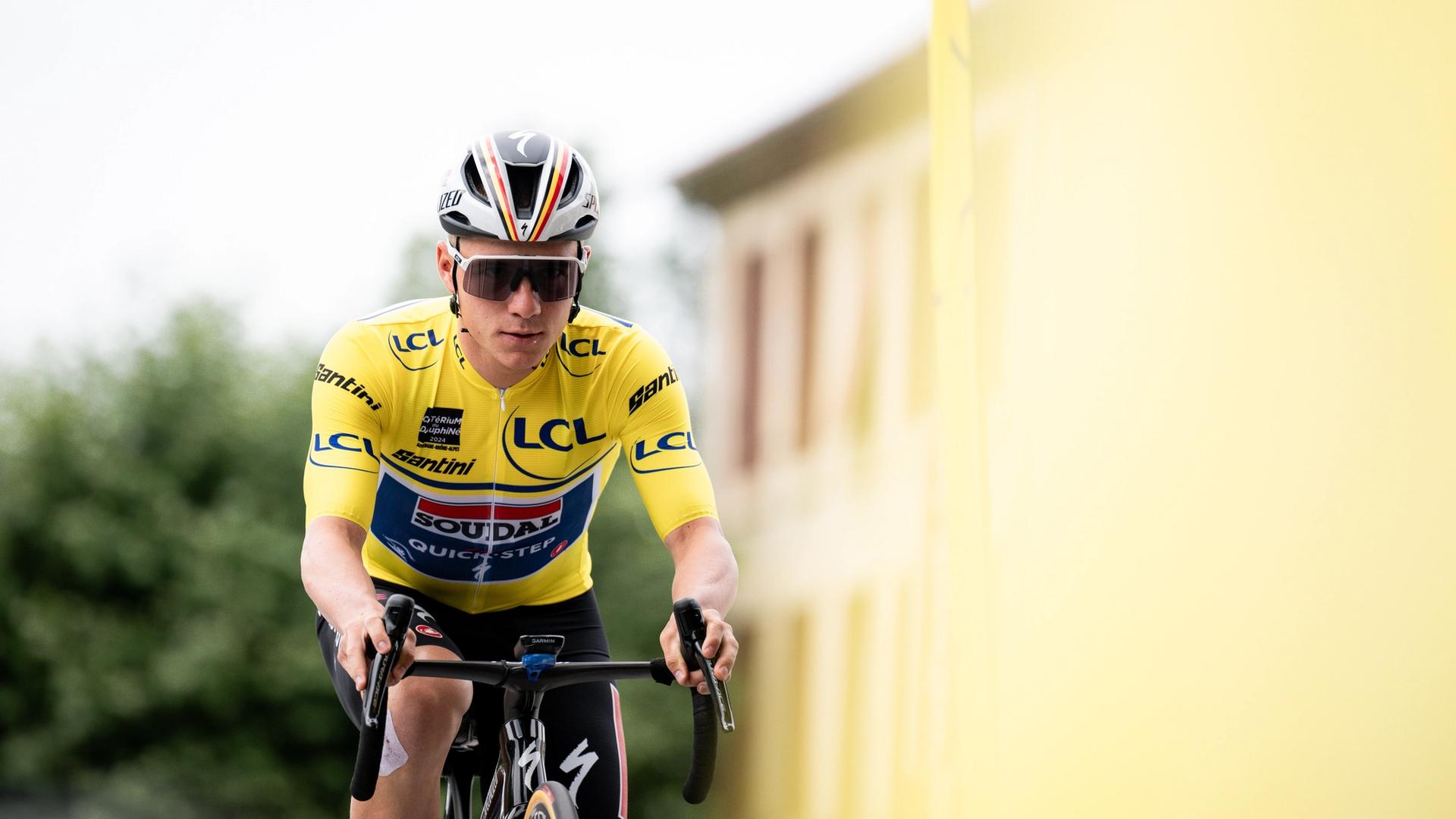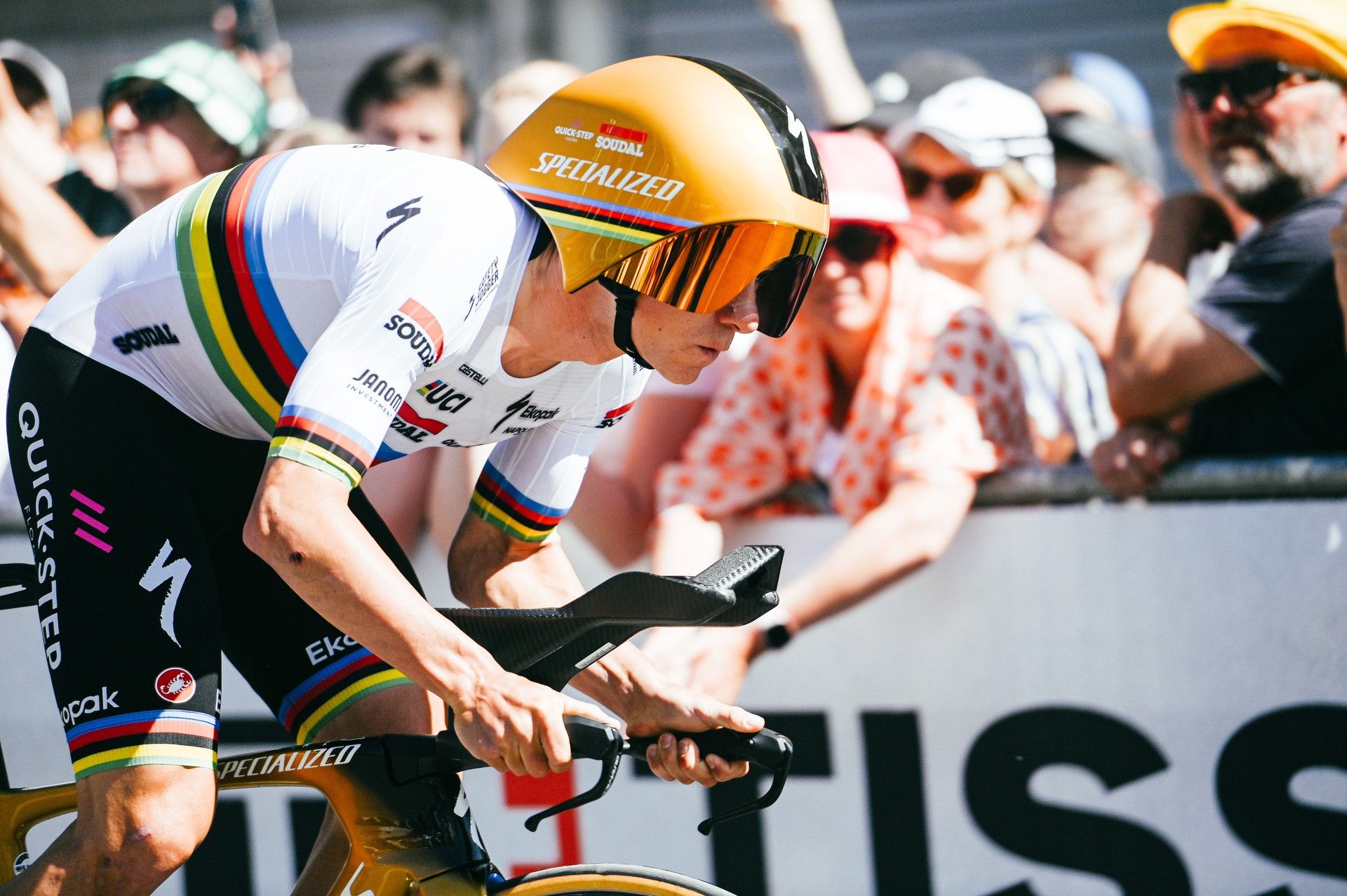
Geraint Thomas (Ineos Grenadiers) has witnessed his share of transfer theatrics, but even he sounded genuinely thrown on the latest episode of Watts Occurring when the conversation turned to Remco Evenepoel’s move from Soudal QuickStep to Red Bull Bora Hansgrohe from 2026. “It is a big, big move, actually no, I would say ever, moneywise as well,” he said, and for once cycling’s fondness for hyperbole feels justified.
Announced on 5 August 2025, the transfer required a reported €2 million buyout to release Evenepoel from a contract running to the end of 2026 and a salary understood to be close to €8 million a year through to 2028. That places him behind only Tadej Pogačar (UAE Team Emirates) in the peloton’s pay scale and makes year one of the project a roughly €10 million investment.
For comparison, Peter Sagan’s celebrated 2017 move to Bora Hansgrohe came with a huge salary - rumoured to be between €4 and €6m – but without a buyout, and arrived in a different economic era entirely.
Thomas and co-host Luke Rowe were quick to frame this as the logical conclusion of cycling’s new mega-contract landscape. “Mid-contract moves are a recent thing,” Thomas noted, arguing that teams now stretch to five- or six-year deals to avoid losing a superstar early. Evenepoel breaking one of those deals, they suggested, is a sign of just how aggressively Red Bull intend to play.
The most expensive leadership puzzle in cycling
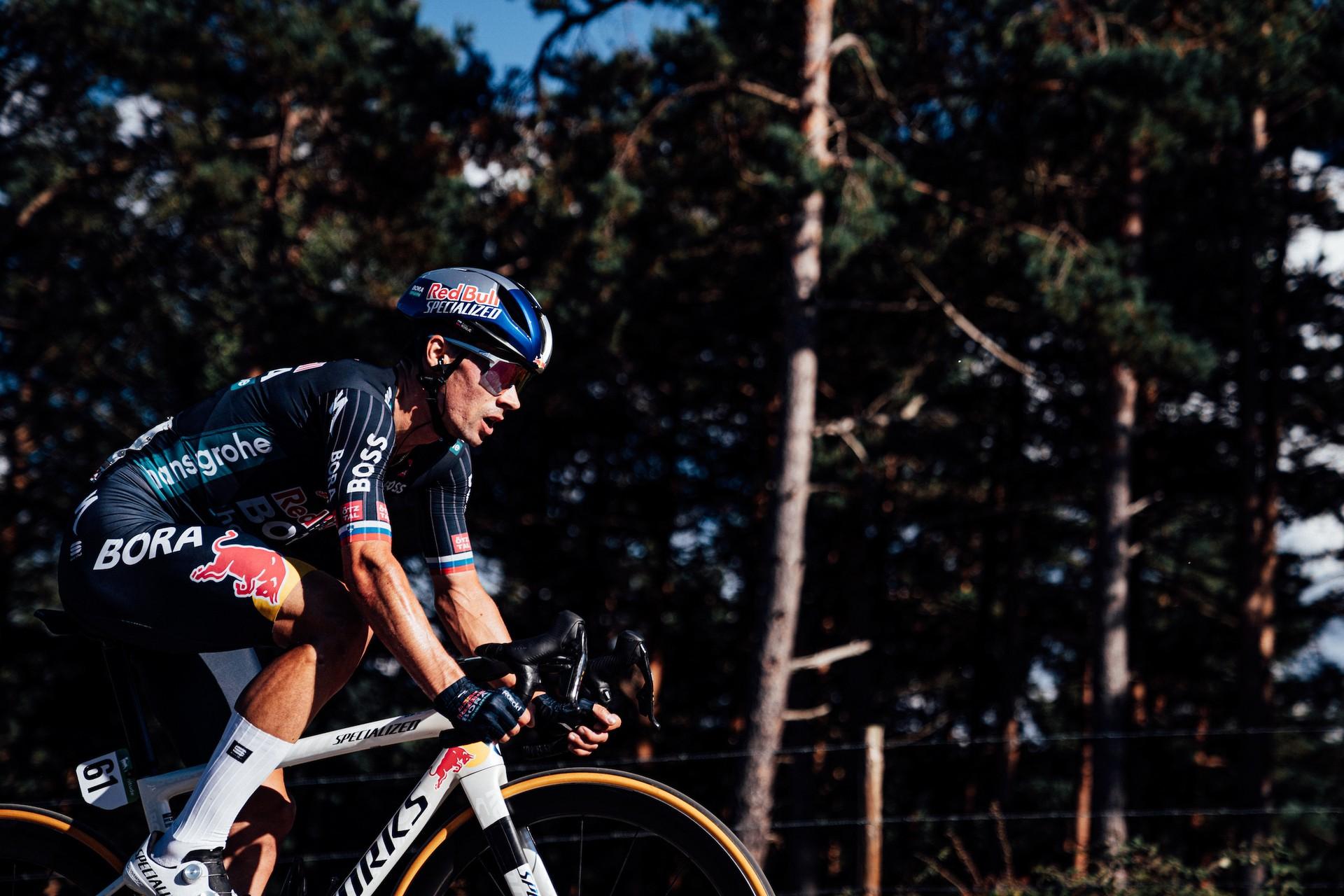
The money is only part of the story. Red Bull Bora now have to solve a leadership conundrum few teams in history have faced. By 2026, the squad will field three legitimate Tour contenders: Evenepoel, Primož Roglič (Red Bull Bora Hansgrohe) and Florian Lipowitz (Red Bull Bora Hansgrohe), the latter fresh from third place and the Best Young Rider award at the 2025 Tour de France. Add Jai Hindley, Daniel Felipe Martínez and Aleksandr Vlasov, and the depth chart starts to resemble a Pro Cycling Manager save brought to life.
Thomas and Rowe did not pretend the solution is obvious. “How are they going to split them?” Rowe asked. "Do they try and just go: Let's send three to the tour and let's try and throw a spanner in the works and play the numbers game. I'm not not too convinced on that idea.” At the same time, they agreed that the economics make part of the equation brutally simple. “If you have spent all that money, he has got to go to the Tour,” Thomas said. Evenepoel has not fought his way out of QuickStep’s Classics-first ecosystem, or brought trusted staff with him, to build his season around the Giro.
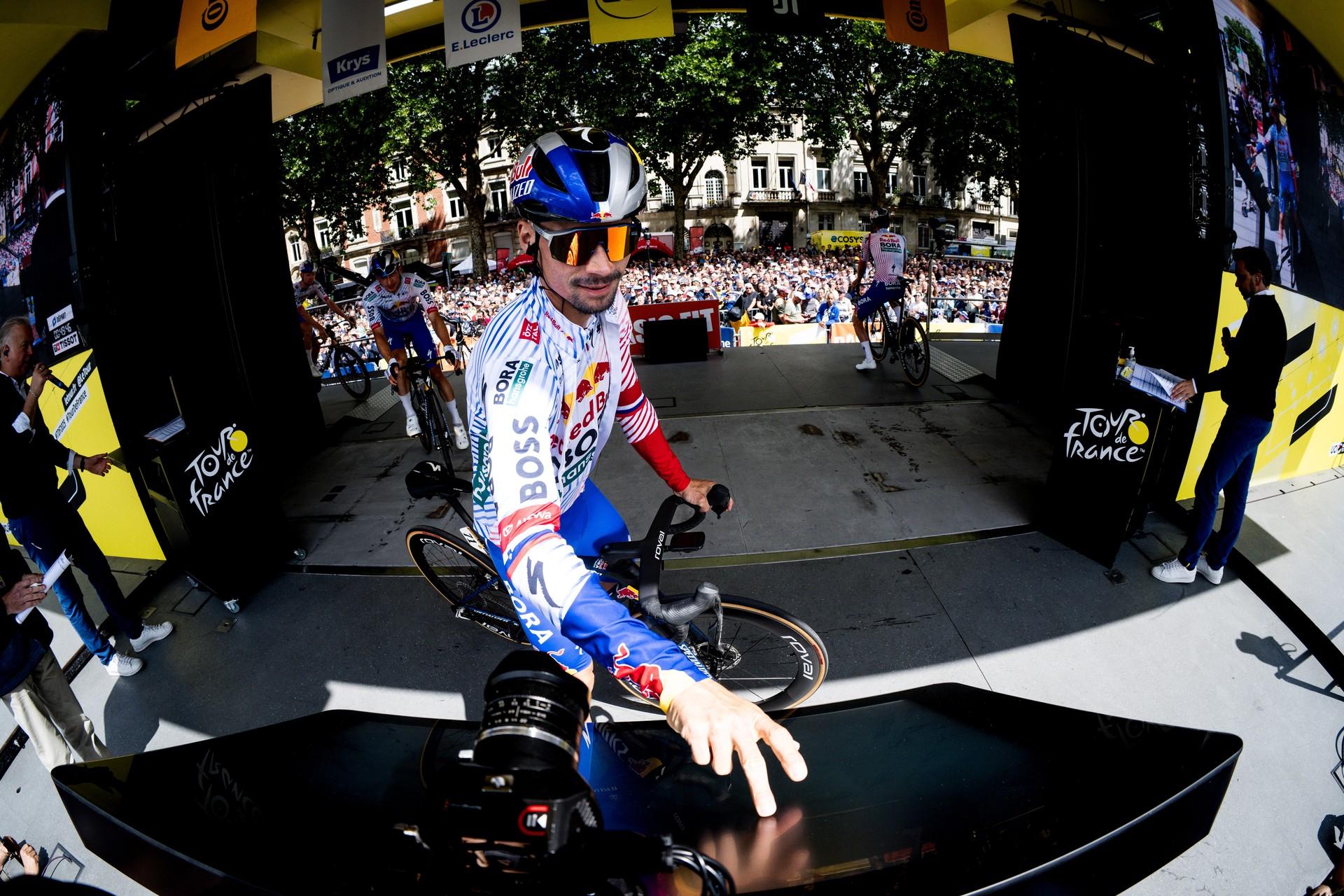
Yet Lipowitz, only 23 and already on the podium in Paris, is hardly a rider who will settle happily for another race. “As soon as you finish third in the Tour, why would you want to do the Giro?” Rowe asked, and for a young German in a German team the politics are obvious. Roglič, meanwhile, is one of the few riders of his generation who has beaten both Jonas Vingegaard and Pogačar over three weeks, and at 36 he will not be eager to turn himself into a deluxe helper.
The shape Thomas floated on the podcast is pragmatic rather than dramatic: Evenepoel as outright leader for the Tour, Lipowitz leading the Giro with a protected role in France, and Roglič targeting the Vuelta then hand-picking stage-hunting opportunities elsewhere. It satisfies the marquee signing, develops the homegrown prodigy and gives Roglič freedom to race for victory.
Keeping up with UAE and Visma
The wider context is a sport in the middle of an arms race. Red Bull Bora’s investment is not only in salaries but in infrastructure, analytics and staff – a reflection of the performance ecosystem required to challenge UAE Team Emirates and Visma in the late 2020s.
For Soudal QuickStep, the buyout accelerates a return to their traditional identity centred on cobbles and sprints. For the rest of the WorldTour, the message is stark: the cost of competing for Grand Tours is rising rapidly and there is no cheap route back to yellow.
The arguments fans are having this winter, from whether Evenepoel’s Tour leadership is guaranteed to whether Lipowitz is already ready for co-status, will likely mirror the conversations happening inside Bora’s own meeting rooms. The biggest transfer “ever, moneywise” only makes sense if it ends on the top step in Paris, and that pressure will shape every decision the team makes in 2026.