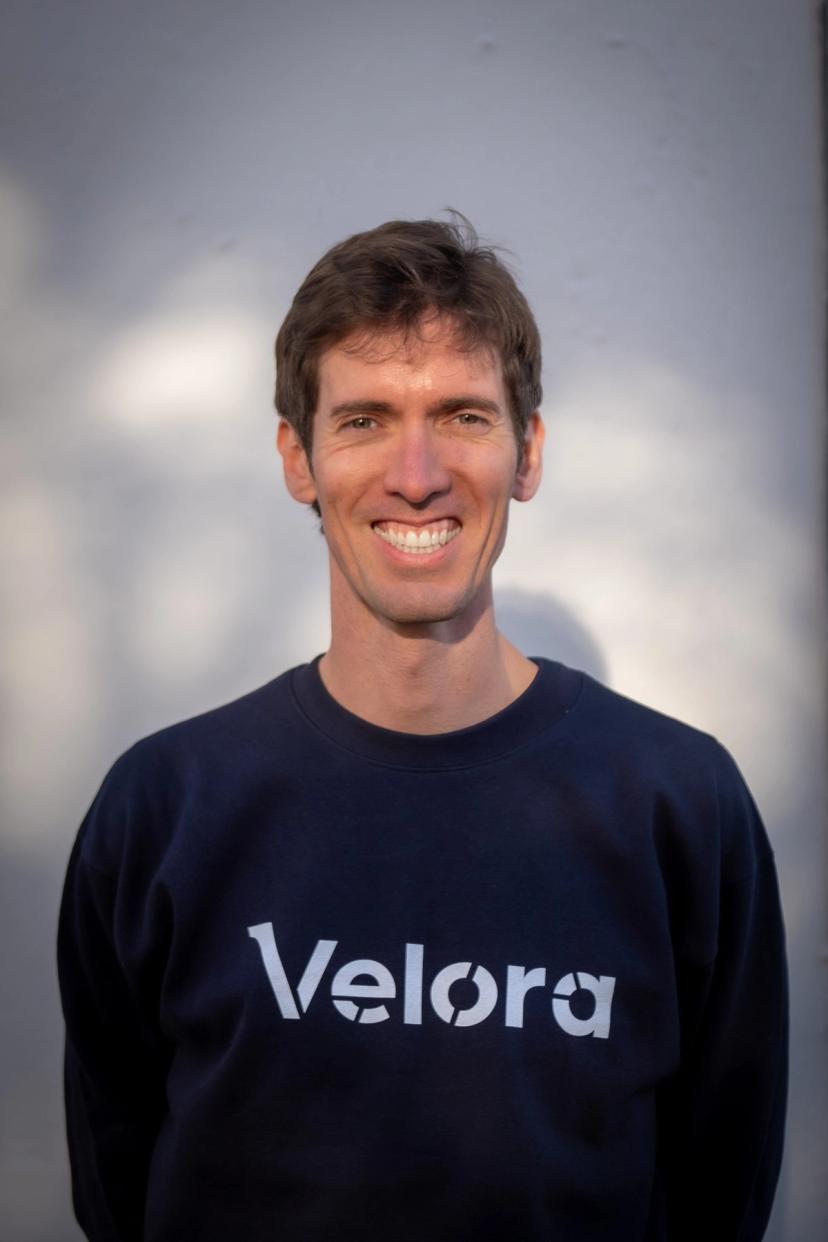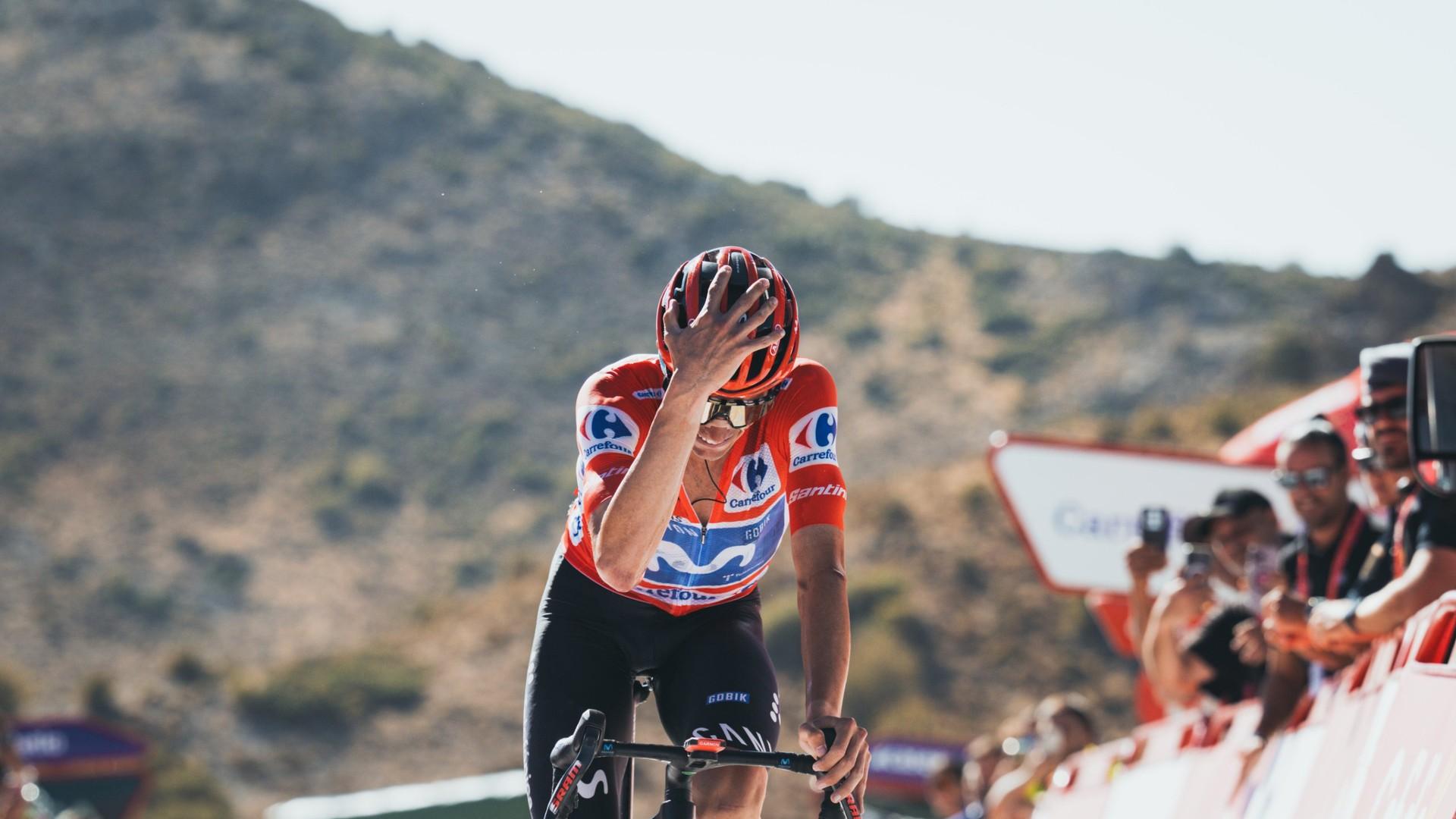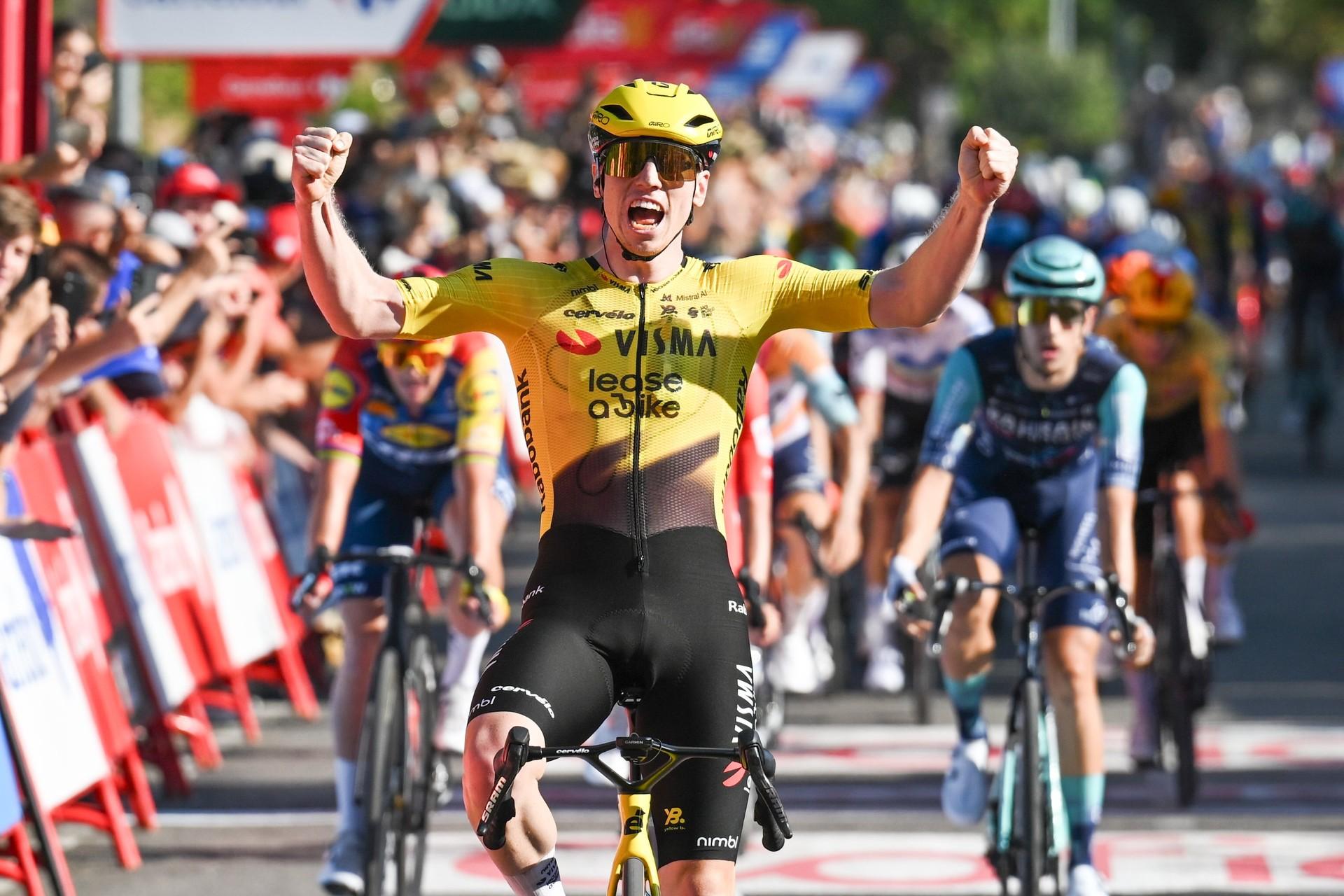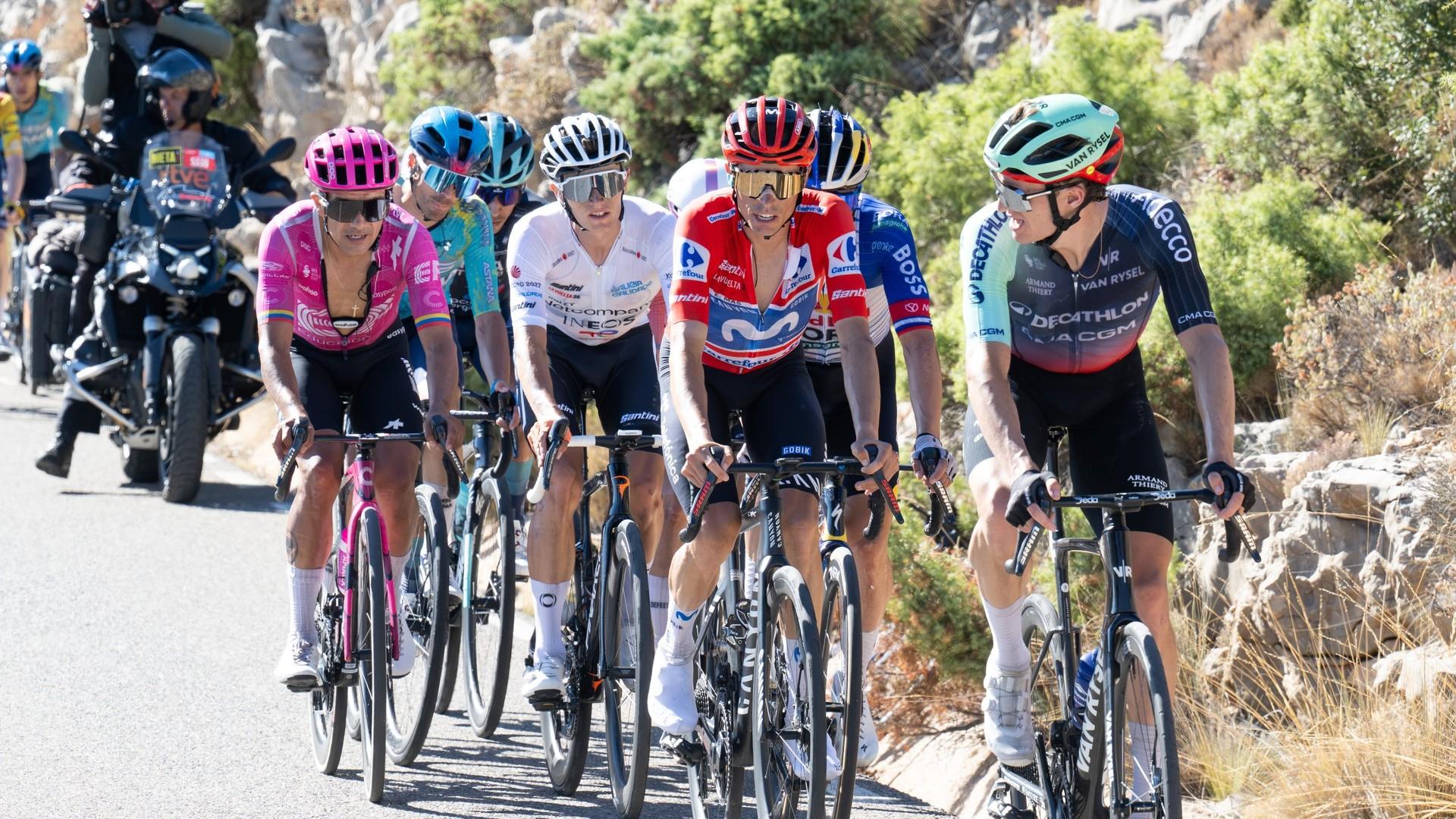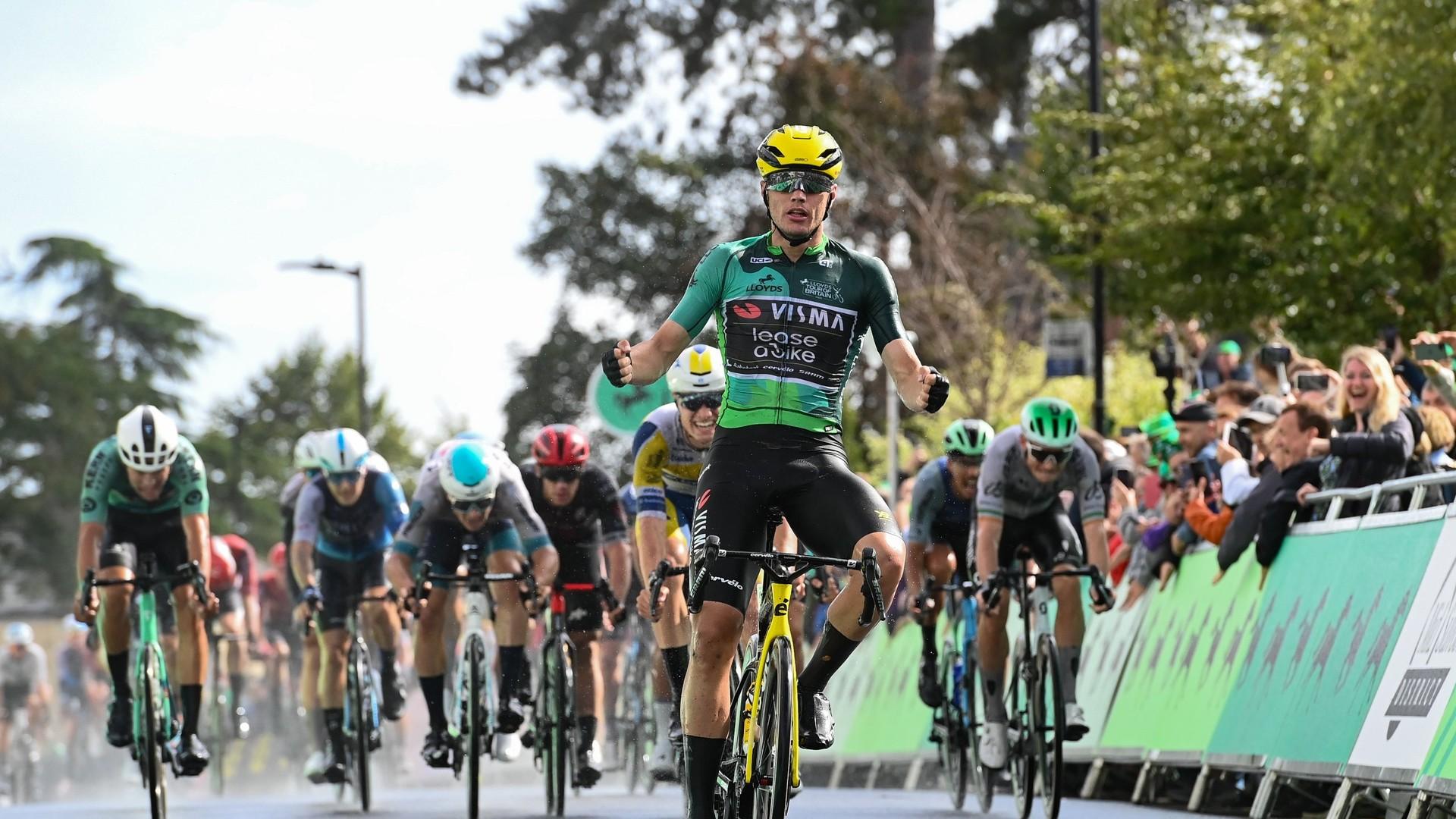
Matthew Brennan refused the traditional celebratory drink during the podium ceremony after winning Kuurne-Brussels-Kuurne on Sunday, revealing in a finish-line interview that the decision was driven by celiac disease (coeliac in British English) rather than dietary preference.
"No, I'm not boring," Brennan said in the interview, published by Cycling Pro Net on YouTube. "I'm a celiac so I cannot have gluten. And if I had that, then that would be season over for me. Which, yeah, it's a shame, because it's always part of the moment. But unfortunately, I'd like to try and win some more bike races this year."
Podium drinks in cycling are typically beer or champagne – with gigantic Belgian beers popular across the Spring Classics. Beer is brewed from barley or wheat and containing gluten. For most riders, the sip is ceremonial. For someone with diagnosed celiac disease, even a sip would carry substantial physiological risks.
Celiac disease is an autoimmune condition, distinct from the broader category of gluten sensitivity. When a celiac patient ingests gluten, the immune system attacks the lining of the small intestine, causing villous atrophy, a flattening of the finger-like projections responsible for nutrient absorption. The damage compromises uptake of iron, calcium, magnesium, B vitamins and vitamin D, all critical for endurance performance and recovery. For a professional cyclist burning up to 8,000 calories during major stages, that impaired absorption creates a compounding problem – the body needs more fuel but processes less of it.
Brennan's win came a day after he crashed at Omloop Het Nieuwsblad, adding a recovery challenge on top of an already restricted dietary regime. "I came down pretty hard," he said. "I came to the start line today quite nervous about what was going to happen."
Managing the condition in the professional peloton presents daily obstacles. Shared team kitchens, unfamiliar race-day catering, sports gels and energy bars all carry cross-contamination risk. Where most riders rely on pasta and bread as staple carbohydrate sources, a celiac athlete must build fuelling plans around certified gluten-free alternatives such as rice, quinoa, buckwheat and potatoes. According to research published in Current Research in Food Science, managing the condition at elite level requires a personalised, multidisciplinary support team to ensure energy demands are met without contamination.
Those logistical demands will only increase if Brennan follows through on his stated ambition to target the bigger spring classics. "That's the ambition and that's the development pathway that we would like to be on," he said of his classics trajectory. The cobbled campaign is a rolling schedule of different venues, different caterers and different countries, each race day presenting a fresh contamination risk. Brennan credited his team's support structure as a key factor, noting that "they create the environment that I can use to build this."
For now, the podium drink stays untouched. The trade-off is clear enough in Brennan's own words: more bike races matter more than one celebratory sip.