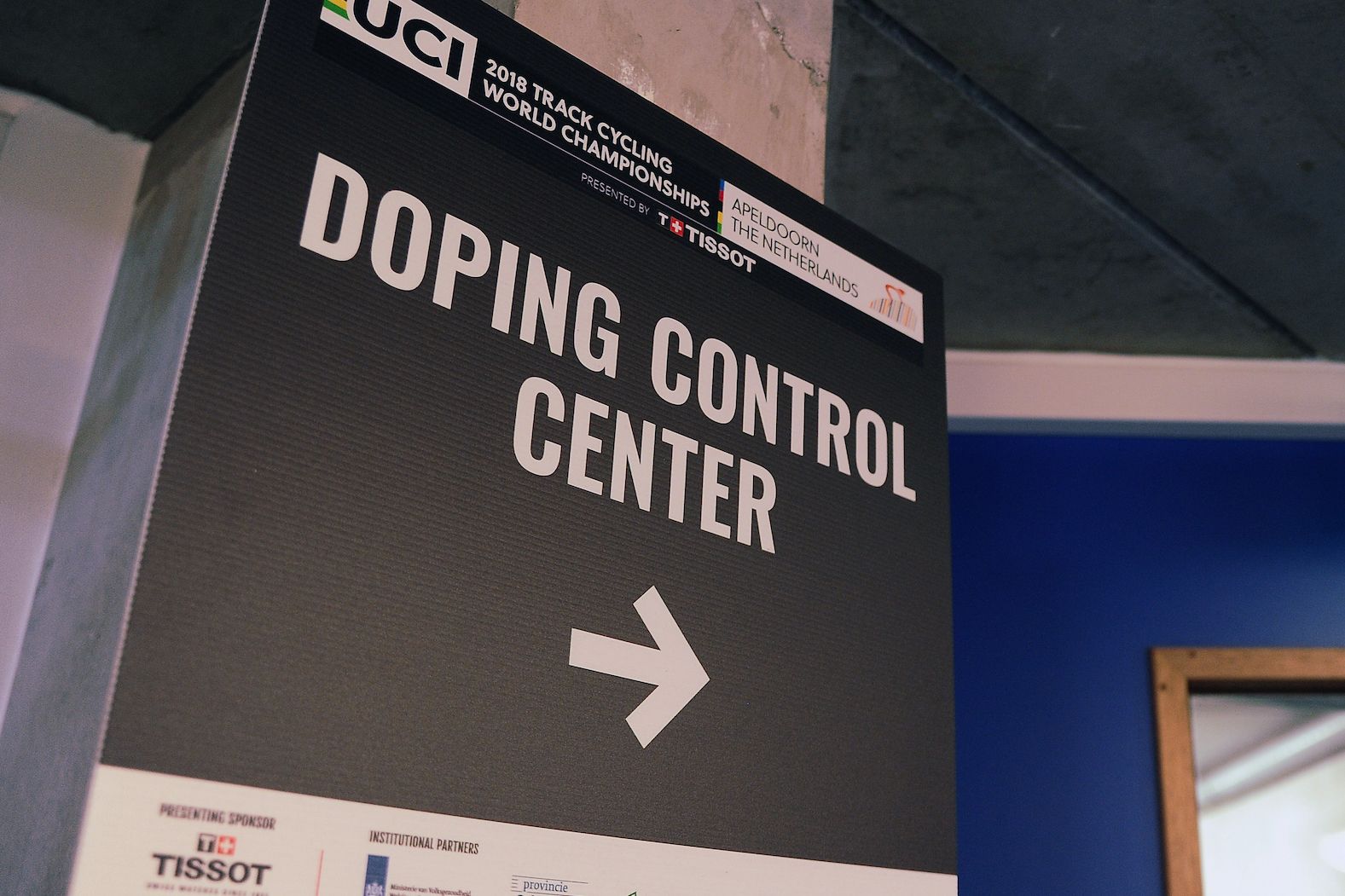
António Carvalho Ferreira has been banned from professional cycling for four years following Anti-Doping Rule Violations evidenced by unexplained abnormalities in his Athlete Biological Passport (ABP), the Union Cycliste Internationale (UCI) announced on 17 December 2025.
The Portuguese rider, 36, will be ineligible from 4 November 2025 through 3 November 2029. The UCI cited ABP irregularities detected in 2018, 2023 and 2024 as the basis for the sanction. No specific prohibited substance was named in the violation.
Carvalho's case was resolved via "acceptance of consequences" under the World Anti-Doping Code, a procedural mechanism allowing athletes to acknowledge violations and accept prescribed sanctions without contesting the evidence through a full disciplinary hearing. The UCI issued a provisional suspension on 4 November 2025, with the final decision following 43 days later.
The Athlete Biological Passport is a longitudinal electronic record that compiles an athlete's biological markers over time. Rather than identifying specific substances through chemical testing, the ABP detects indirect doping evidence by monitoring variations in haematological parameters such as haemoglobin levels and reticulocyte counts. An independent Expert Panel reviews the data to determine whether abnormalities likely indicate use of prohibited substances or methods.
Carvalho's ban represents the eighth ABP-based sanction issued by the UCI in 2025, underscoring intensified enforcement of the passport framework across all competition levels. The pattern of abnormalities spanning three separate years – including a five-year gap between 2018 and 2023 – demonstrates the UCI's capacity for sophisticated retrospective analysis of historical samples.
The sanction arrives amid heightened scrutiny of Portuguese domestic cycling. In October 2025, the UCI suspended the AP Hotels and Resorts – Tavira – SC Farense team for 20 days after multiple riders received ABP violation notifications. Earlier this year, Luís Mendonça and Luís Fernandes were provisionally suspended for passport anomalies.
Carvalho competed primarily for Portuguese UCI Continental teams throughout his career, achieving notable domestic success including stage victories at the Volta a Portugal in 2019, 2020 and 2022, plus third-place overall finishes in 2022 and 2023. He rode for W52 – FC Porto between 2015 and 2019, during which the 2018 abnormalities were detected. W52's management later received effective prison sentences in a historic 2025 doping verdict.
At age 36, with the ban expiring in 2029 when he would be 40, Carvalho's prospects for meaningful post-sanction competition appear limited. Results from the flagged years are likely subject to annulment under standard UCI anti-doping protocols.