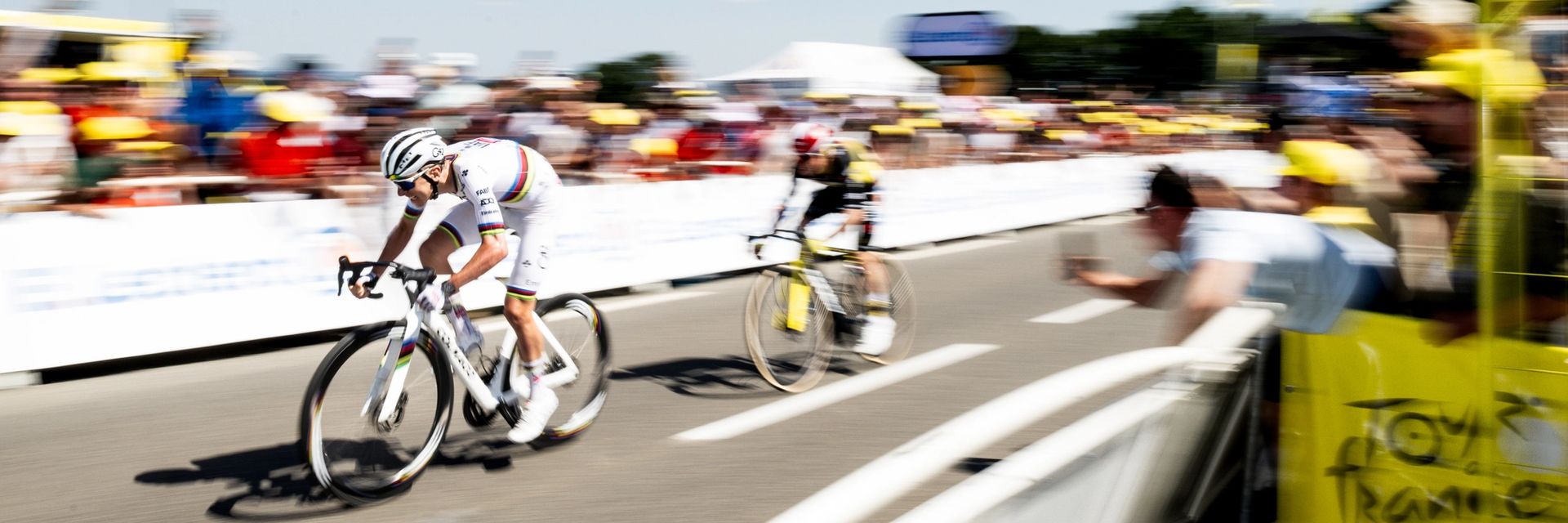
One August day in 2012, a teenage Norwegian convert from cross-country skiing performed a cycling-based VO2max test so high the technicians were convinced their equipment had broken: 97.5 ml/kg/min. That was Oskar Svendsen’s laboratory‑measured VO2max, and it was the highest ever recorded.
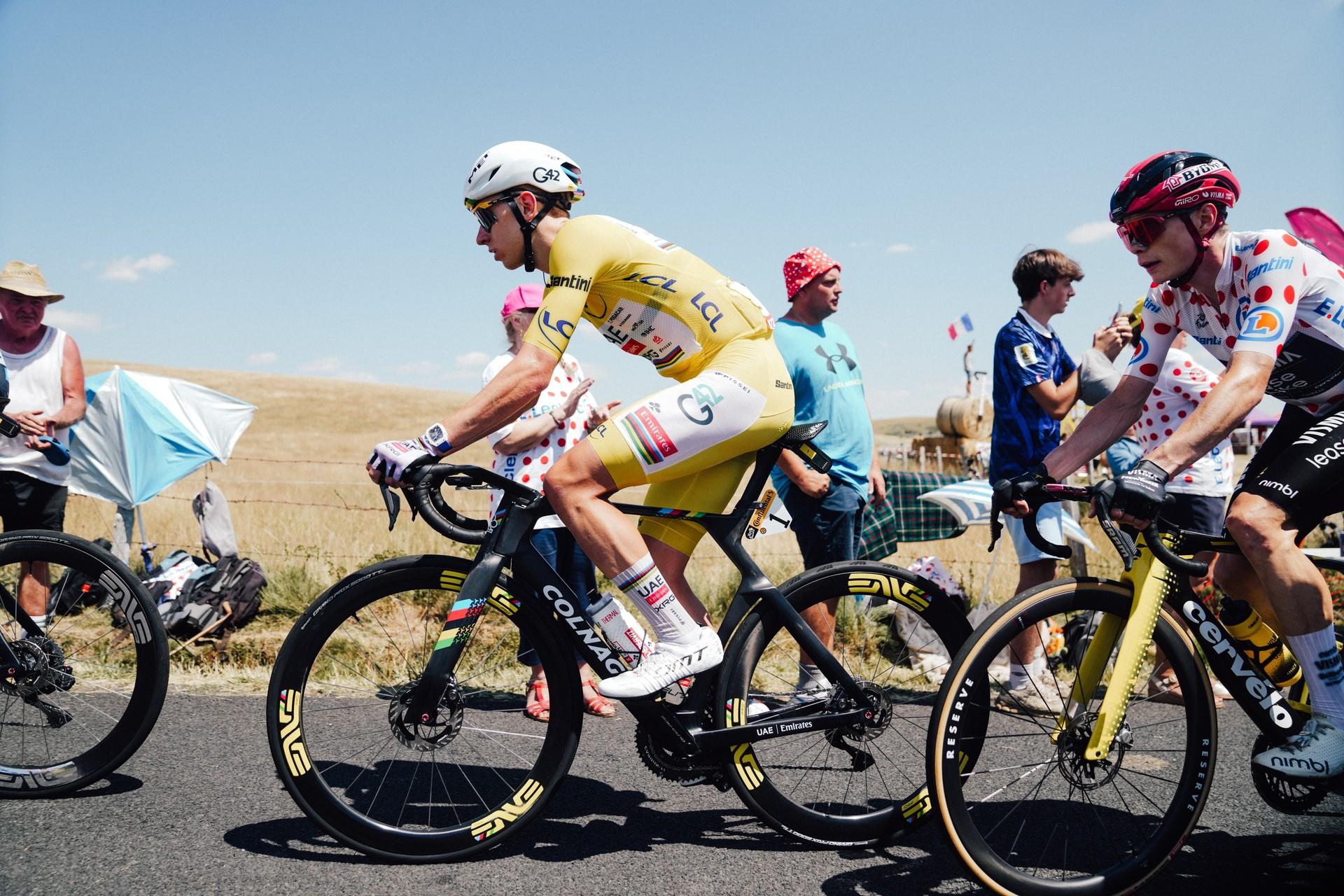
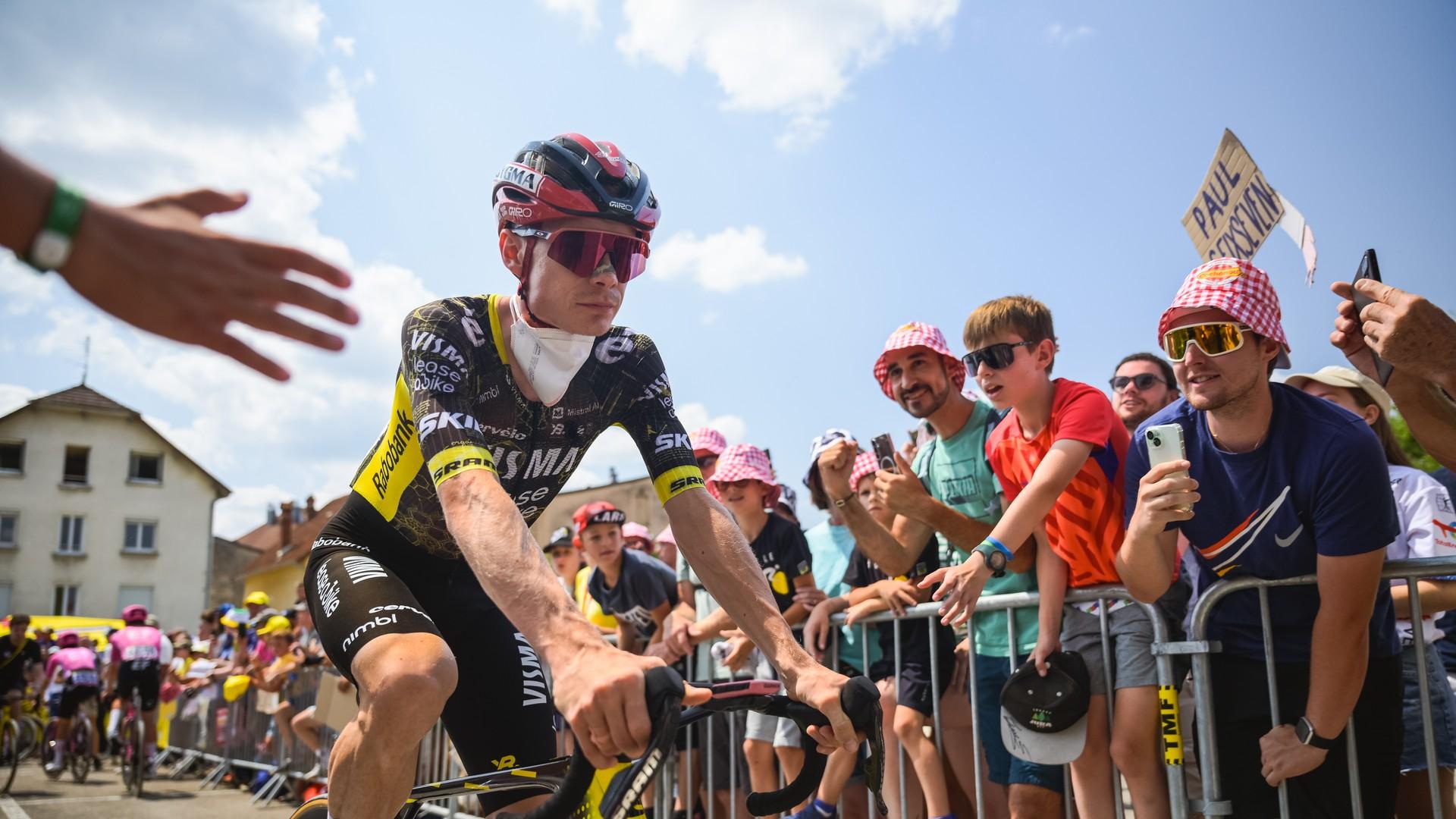
Svendsen never became a Tour winner. Jonas Vingegaard reportedly hit 97 ml/kg/min as a junior, while Tadej Pogačar has a VO2max estimated at above 90ml/kg/min.
So what is the VO2max of a professional cyclist supposed to be – and how much does the number still matter in modern racing?
What VO2max actually measures
VO2max is simply your maximum rate of oxygen uptake during all‑out exercise. In practice it’s measured in a lab with a ramp test to exhaustion, using a mask to analyse inhaled and exhaled gases.
It’s usually expressed as:
- Absolute VO2max – litres of oxygen per minute (L/min)
- Relative VO2max – millilitres per kilogram per minute (ml/kg/min)
The relative figure is the one you see thrown around for cyclists because climbing is all about power-to-weight. Two riders might both process 6.0 L/min, but the one at 60 kg will post 100 ml/kg/min, while the one at 75 kg will be at 80 ml/kg/min – a huge difference on a 10% climb.
For context, a typical healthy but untrained man in his 20s sits around 35–45 ml/kg/min. A club rider might be 50–60. Competitive amateurs can nudge into the 60s or low 70s.
For context, in my more competitive years of cycling I once measured 72.6 ml/kg/min – but that was reflective of years of full-time training as a rower, and still falls more than 10% off what even the notable pro may expect.
Pros live in a different universe.
What actually drives a higher VO2max
A high VO2max isn’t just better lungs – it’s a whole-body system balancing oxygen supply (pushing O₂ to the muscles) and oxygen demand (pulling it in and using it).
What governs supply?
- Heart stroke volume: A larger, better-trained heart pushes more blood per beat, so more oxygen reaches the working muscles.
- Blood volume & haemoglobin: More red blood cells = more oxygen carried per litre of blood. Like upgrading the fuel lines.
- Capillary network: More capillaries around muscle fibres shorten the distance oxygen has to travel. Delivery gets faster and cleaner.
What governs demand?
- Mitochondrial density: More (and better) mitochondria let your muscles burn more fuel aerobically every second.
- Oxidative enzymes: Faster biochemical machinery means muscles can pull in and use oxygen as quickly as the heart delivers it.
- Body size & genetics: Smaller riders with the same absolute oxygen uptake show higher ml/kg/min. Genetics sets the ceiling; training moves the floor.
A big VO2max is the culmination of the heart pushing oxygen to the muscles, the muscles pulling oxygen in and using it fast enough not to fall behind.
So what are the numbers for pros?
Across the WorldTour peloton, the typical male pro climber or GC rider will test somewhere between 70 and 90 ml/kg/min at race weight. Time trial specialists and classics riders might be lower on a per‑kilo basis but often have huge absolute VO2max values – think 5.5–6.0 L/min – which helps on flatter terrain where raw watts matter more than watts per kilo.
Grand Tour winners and all‑time engines sit near the top of that range:
- Oskar Svendsen – 97.5 ml/kg/min (as a junior)
- Jonas Vingegaard – ~97 ml/kg/min reported at 17
- Greg LeMond – ~92.5 ml/kg/min
- Miguel Indurain – ~88 ml/kg/min, with huge absolute values
- Chris Froome – 84.6 ml/kg/min measured in 2015 in an Esquire feature.
Take any exact number with a pinch of scepticism – protocols differ, body weight changes, and teams don’t rush to publish their latest lab sheets. But as ballpark figures, they align with what exercise physiology tells us is possible.
On the women’s side, the ceiling is naturally lower because of higher essential fat and lower haemoglobin mass. World‑class female endurance athletes typically top out around 70–80 ml/kg/min. Values in the 60s and low 70s are common for elite women in the pro peloton.
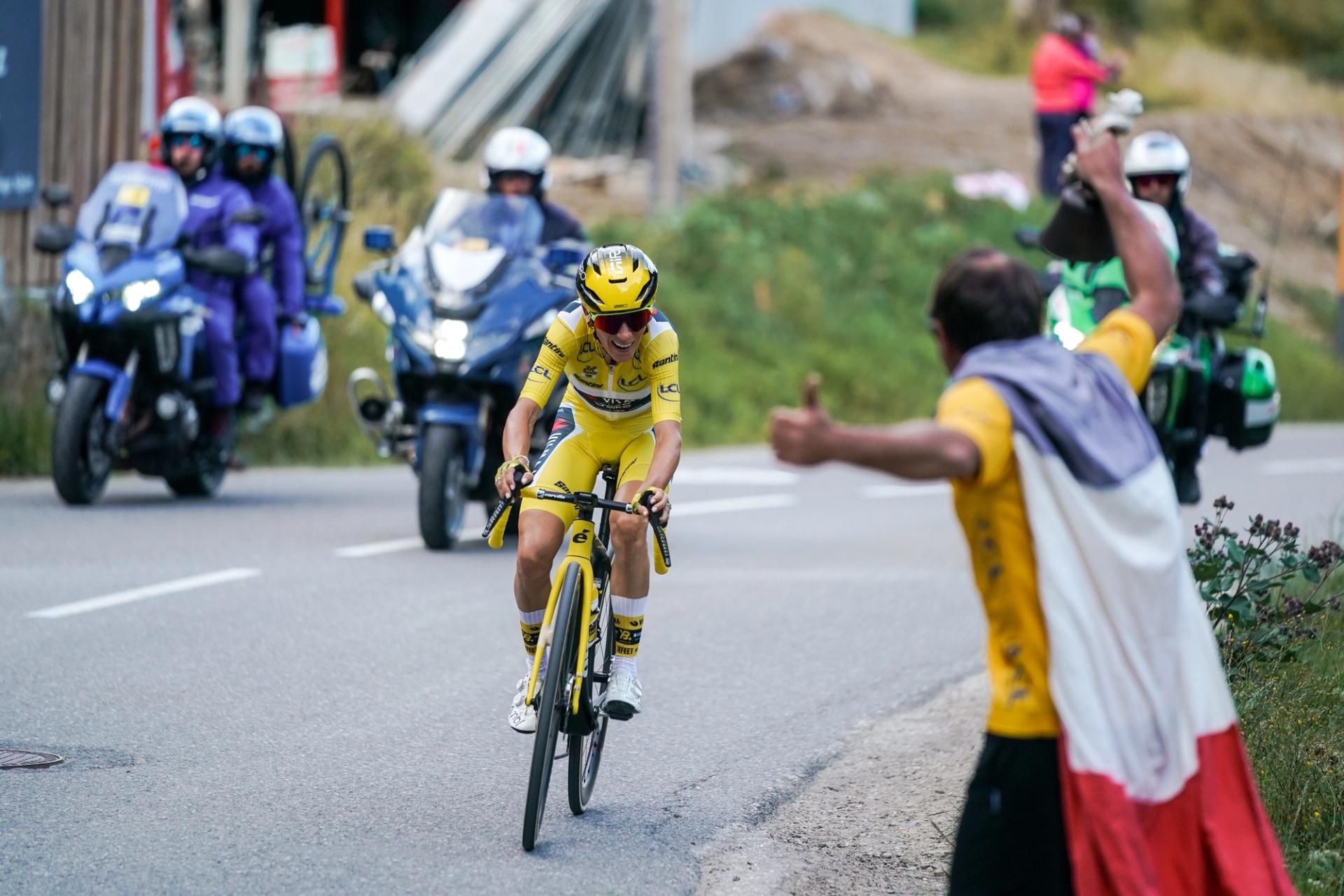
World class female riders have a VO2max slightly lower than men. Image credit: A.S.O/Thomas Maheux
Why weight makes the headline number slippery
Because VO2max is usually given per kilogram, you can raise your relative VO2max without changing your actual oxygen uptake at all – just by getting lighter.
Example:
- Rider A: 70 kg, 6.0 L/min
- 6000 ml ÷ 70 = 85.7 ml/kg/min
- Rider A leans down to 65 kg, still 6.0 L/min
- 6000 ml ÷ 65 = 92.3 ml/kg/min
Same lungs and heart – but on paper, a 7‑point jump. That’s why “climbing weight” is an obsession and why comparing VO2max numbers between riders without knowing bodyweight and testing conditions can be misleading.
Why a lower VO2max can still win the Tour
If VO2max is the “size of the engine”, you’d expect the biggest number to win every time. It doesn’t, because performance is more accurately described as:
(VO2max × % of VO2max you can hold) × Efficiency
Three big pieces matter here.
1. Gross efficiency and cycling economy
Gross efficiency is how much of the energy you burn actually turns into force on the pedals. Most humans are about 20% efficient; elite cyclists can exceed 24–25% at the very highest level.
There’s evidence of an inverse relationship between VO2max and efficiency in world‑class riders. Some athletes with sky‑high VO2max values are less economical; others with “modest” VO2max numbers are ridiculously efficient.
2. Threshold and VLAmax
What decides racing isn’t your absolute ceiling, it’s how close to it you can ride for an hour or more.
- A rider who can sustain 85–90% of VO2max for a long climb will usually beat someone who taps out at 75–80%, even if the latter has the higher peak.
- That sustainable point is heavily influenced by VLAmax – maximal glycolytic (anaerobic) rate, which is effectively the maximal rate of lactate production. GC riders tend to have a low VLAmax, which dampens their pure sprint but shifts their lactate threshold closer to VO2max. They can cruise frighteningly close to their ceiling for long periods.
3. Mitochondria, fat burning and lactate shuttling
Coaches talk more and more about metabolic flexibility: the ability to burn fat at high intensities and to use lactate as a useful fuel instead of letting it accumulate as “waste”.
Inigo San Millán, who works with Pogačar, has highlighted the Slovenian’s “spectacular” mitochondria and lactate clearance in an interview in 2021 with the University of Colorado. In plain terms, he can ride very hard while still relying heavily on aerobic metabolism, sparing glycogen and keeping fatigue at bay.
Two riders might both sit at 6.0 L/min at the top of a climb. The one burning more fat and recycling lactate better will finish the stage fresher – and be able to attack again tomorrow.
Should you care about your own VO2max?
For WorldTour teams, VO2max testing is still useful: it helps screen talent, monitor adaptation to training and altitude, and spot big changes (good or bad) over a season.
For a trained amateur, the number is mostly context, not a verdict. Knowing whether you’re roughly at 50 vs 60 vs 70 ml/kg/min can be interesting, but it won’t tell you whether you’re ready to hang on in your local A race.
What matters more – just as it does for the pros – is:
- How much power you can produce at threshold and above
- How long you can hold a high percentage of that
- How efficiently you turn training time into usable race pace
So, what is the VO2max of a Tour de France cyclist? Typically 70–90 ml/kg/min for men, 60–75 ml/kg/min for women, with once‑in‑a‑generation outliers nudging towards 100.
It’s the passport to the WorldTour, not the yellow jersey itself. The jersey still goes to the rider who can live closest to that ceiling, for longest, with the least cost – the one whose engine isn’t just big, but brilliantly tuned.