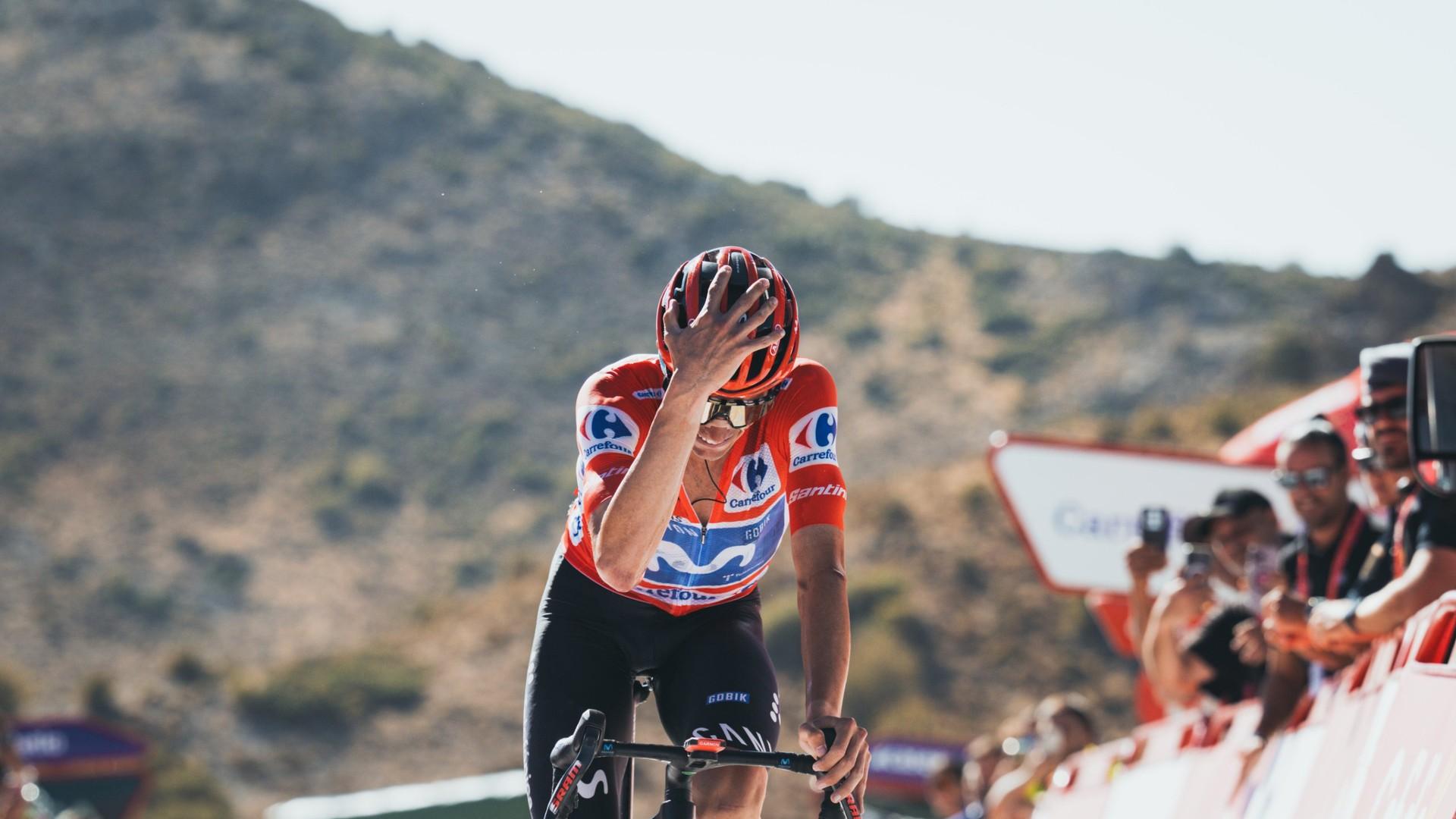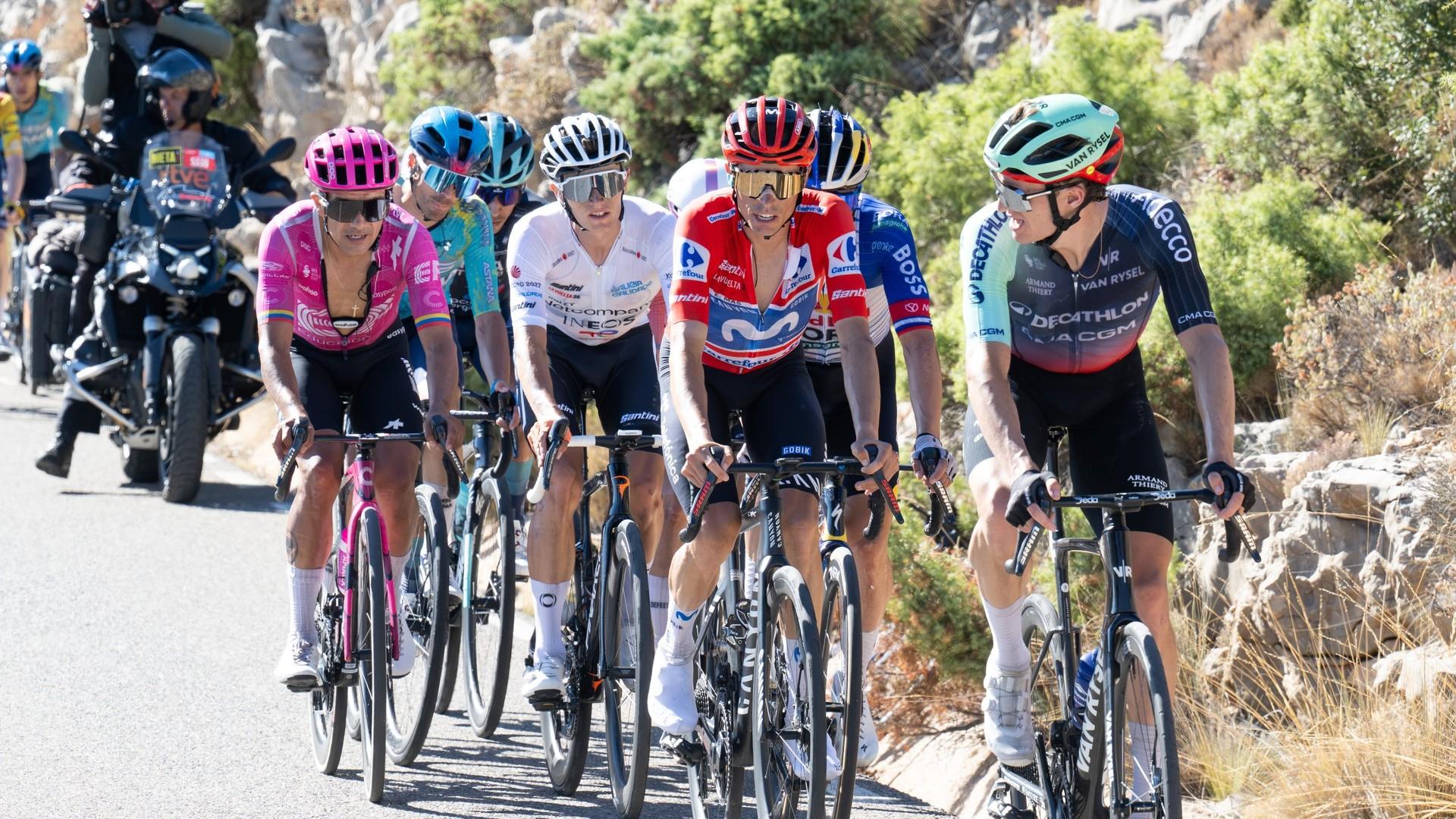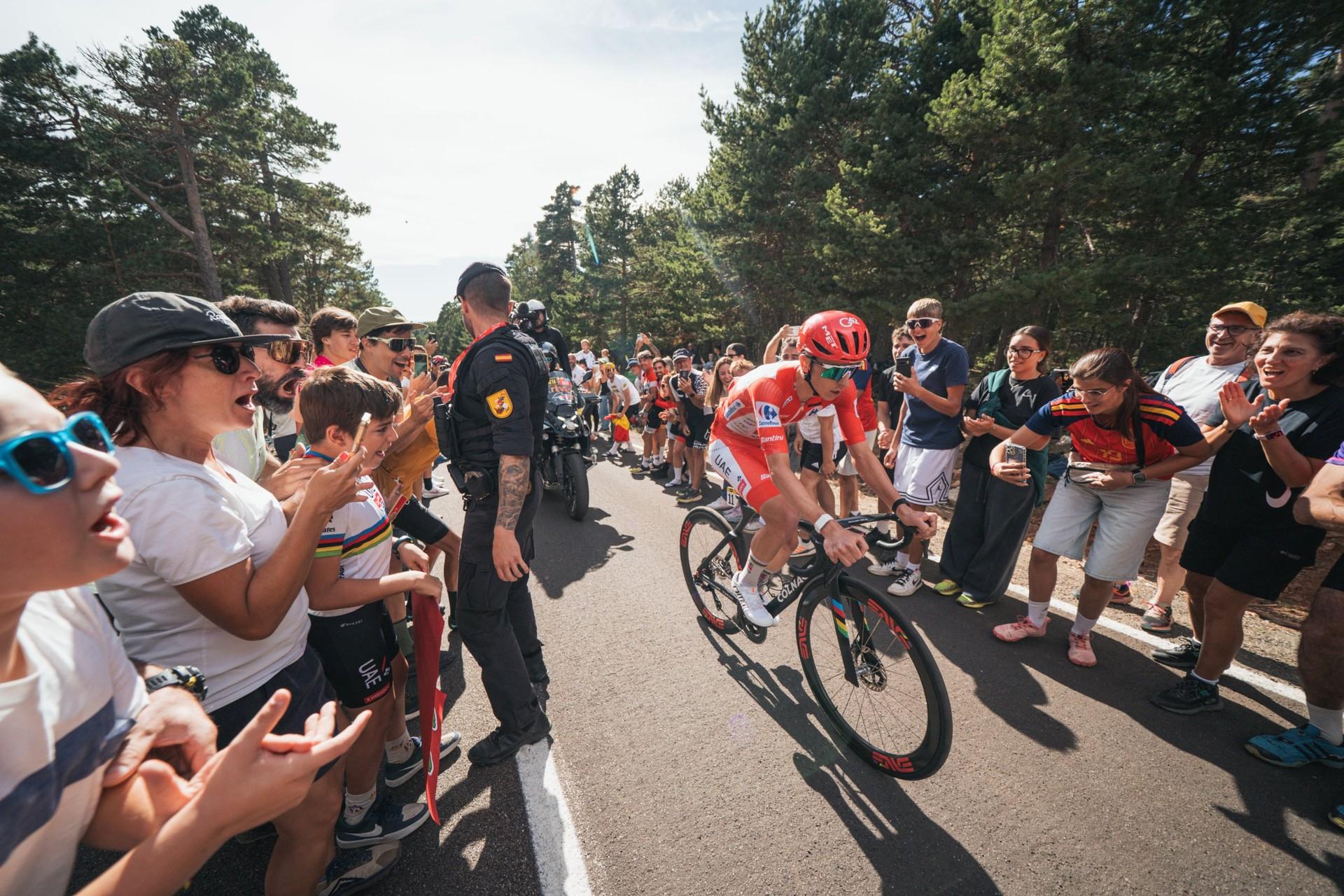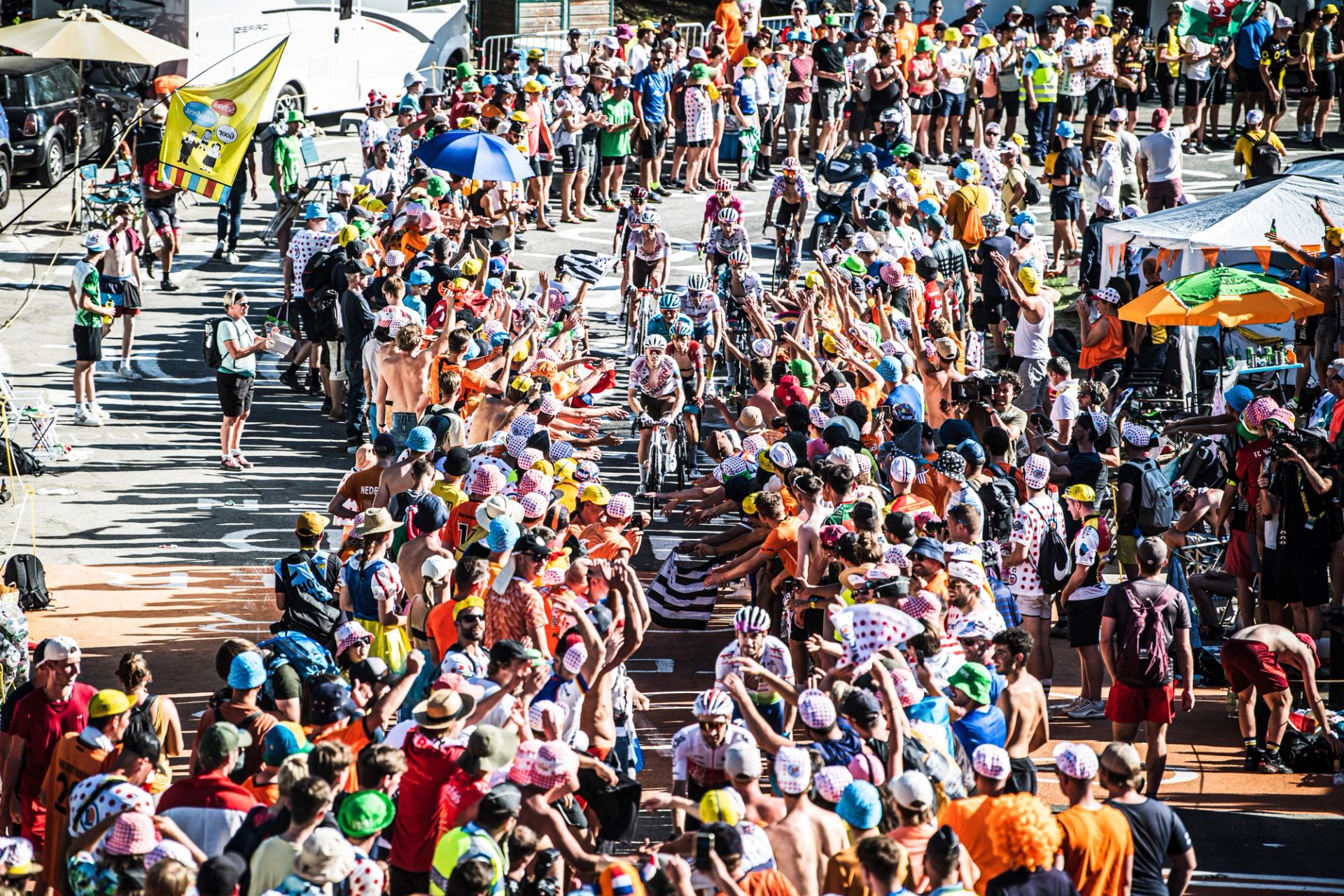
On a crisp October afternoon at the Veneto Classic, fans who wanted the best view on the Tisa climb had to do something that still feels close to heresy in road cycling: pay for it.
Ten euros bought access to a fenced‑off sector with big screens, food, music and, crucially, controlled numbers. Around 700 people took up the offer. The rest of the course remained open and free.
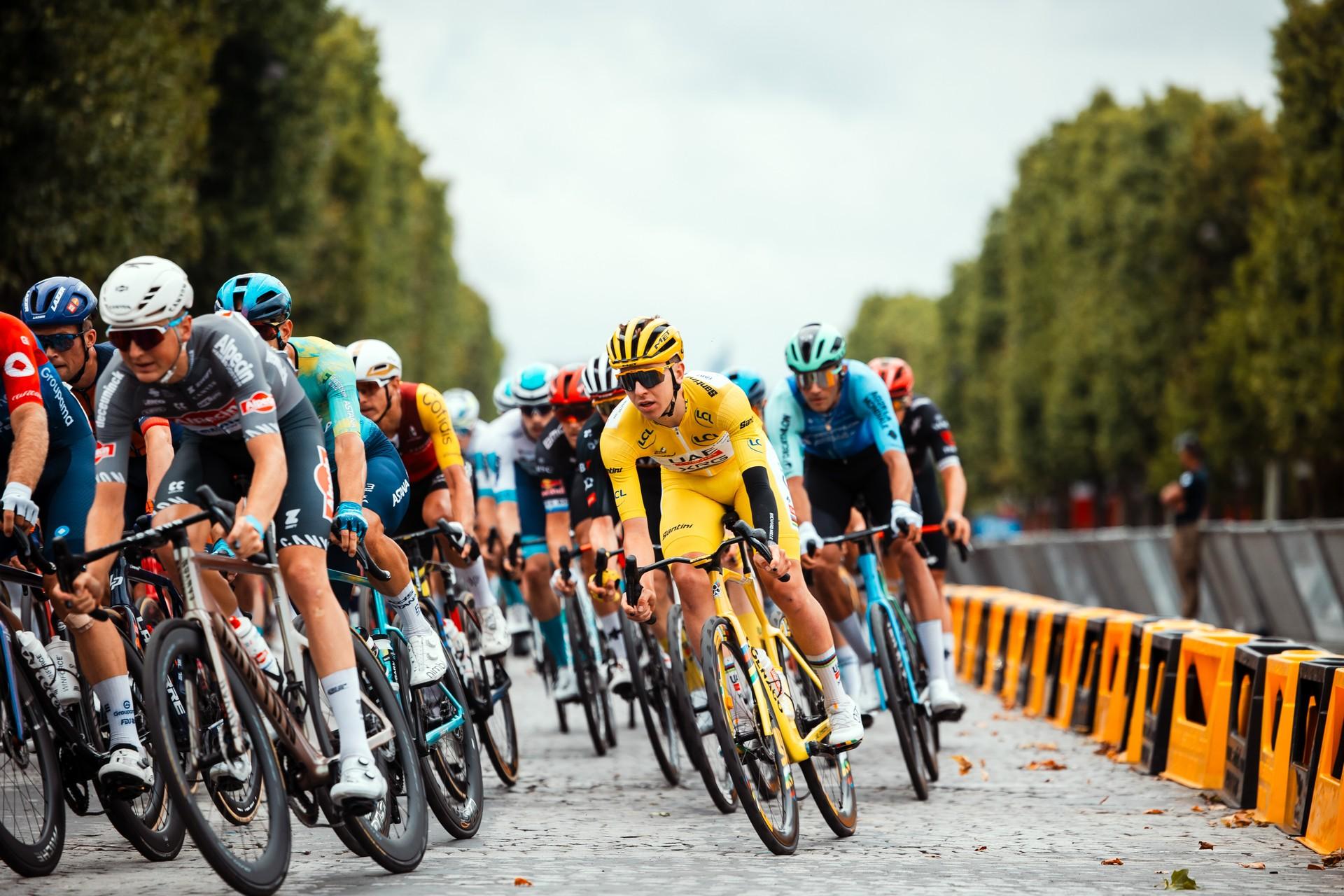
In isolation, it’s a small provincial race doing what it must to survive. But the experiment landed in a season when WorldTour riders, managers and organisers have spent as much time talking about crowds as about watts. From Tadej Pogačar being shoved on a Giro climb to food and bottles thrown at GC contenders in July, the long‑assumed bargain of “free roads, free spectacle” suddenly looks less stable.
So the question that once sounded absurd – should pro cycling charge spectators to stand at the roadside? – is now being asked in public. The answer is less about ideology than about detail.
Why a free sport is suddenly talking about tickets
For more than a century, road cycling has built its identity on being free to watch. You don’t need to buy a ticket, travel to a stadium or navigate a paywall; you walk to the kerb. That openness underpins everything from the Tour’s mythology to the way towns justify paying to host stages.
Two pressures are chipping away at that model.
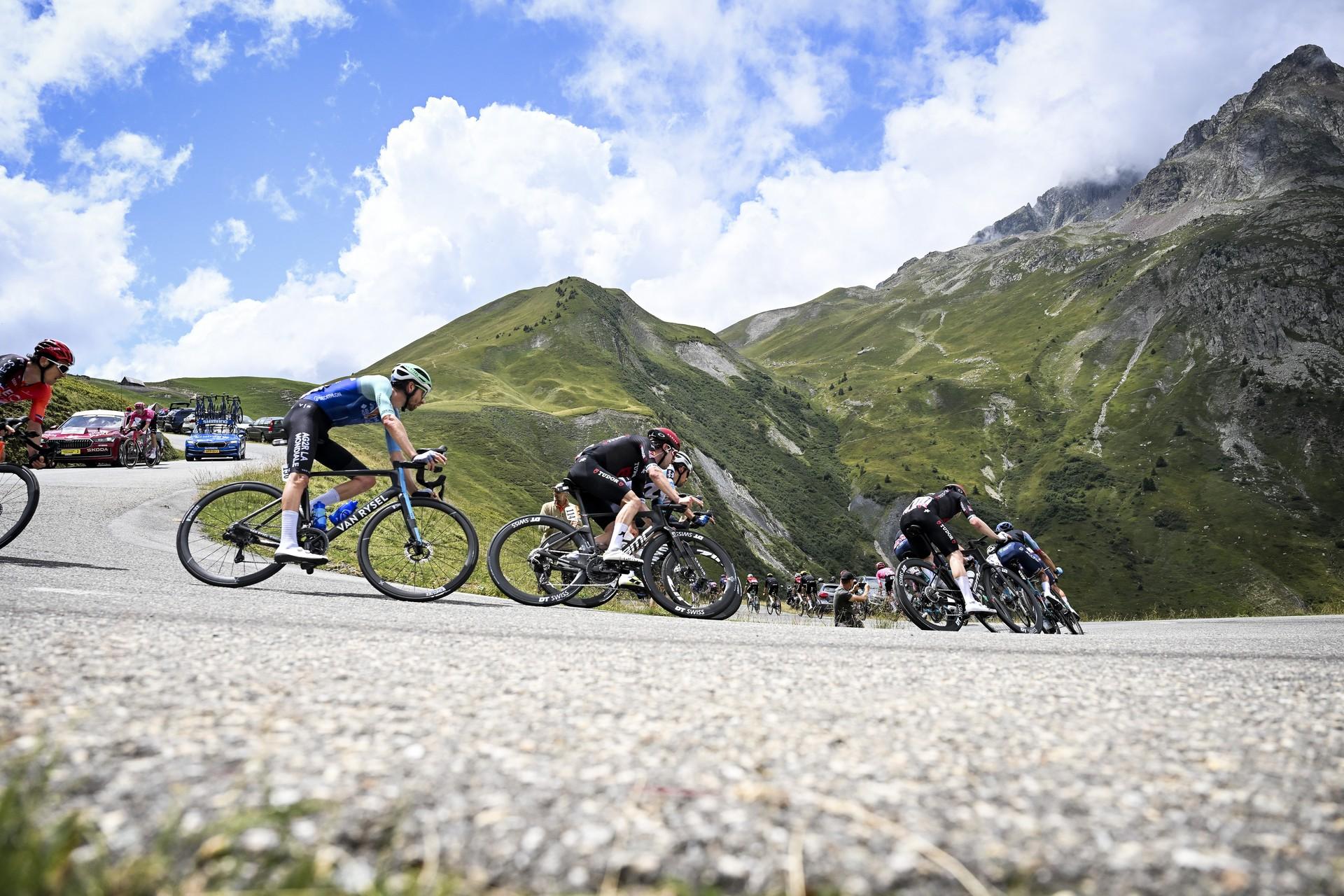
First: safety. SafeR’s 2024 figures show 497 registered “race incidents” across WorldTour, Women’s WorldTour and ProSeries events. The largest single category was unprovoked rider errors, accounting for 35% of cases, followed by tensions around key race moments (13%), hazardous or slippery road conditions (11%), poor road infrastructure (9%), poor surface quality (4%) and the involvement of other vehicles (1%).
Anyone who followed this season saw the familiar symptoms: fans leaning over barriers for selfies, phones over the road, and even objects thrown at riders — though it’s unclear how many of the recorded incidents stem directly from crowd behaviour.
Each incident has a cost. More barriers, more marshals, increased policing and higher insurance premiums all push organisers’ budgets upward. At Grand Tour level, security operations are already complex; at smaller races, where margins are thin, a difficult year on safety can become existential.
Second, money – or rather where it comes from. WorldTour teams still derive about 95% of their income from sponsorship, with cash deals making up the bulk of that. Collective budgets are rising (roughly €500m in 2024, projected north of €570m for 2025) but the structure is fragile: lose a title sponsor and the entire project can disappear in a winter.
That fragility is why riders such as Wout van Aert and managers like Richard Plugge have begun floating the idea of a nominal spectator fee, with Van Aert mooting a €5 roadside fee. Ticketing is an obvious, if culturally explosive, lever.
Not everyone is keen. ASO, which runs the Tour de France, has been adamant that roadside tickets for whole stages are not on the table. UCI president David Lappartient has repeatedly warned that charging people to stand on public roads would face heavy legal and political resistance in countries like France.
Yet the mere fact that senior figures are discussing any form of spectator charge marks a shift. The question is not whether cycling becomes Formula 1 on public tarmac – it can’t – but whether controlled, optional pay‑to‑view pockets have a role.
Follow the money (and the marshals)
The headline fantasy is simple: 12 million roadside spectators at the Tour each July, multiplied by a few euros a head, equals a mountain of cash. In practice, that model is dead on arrival.
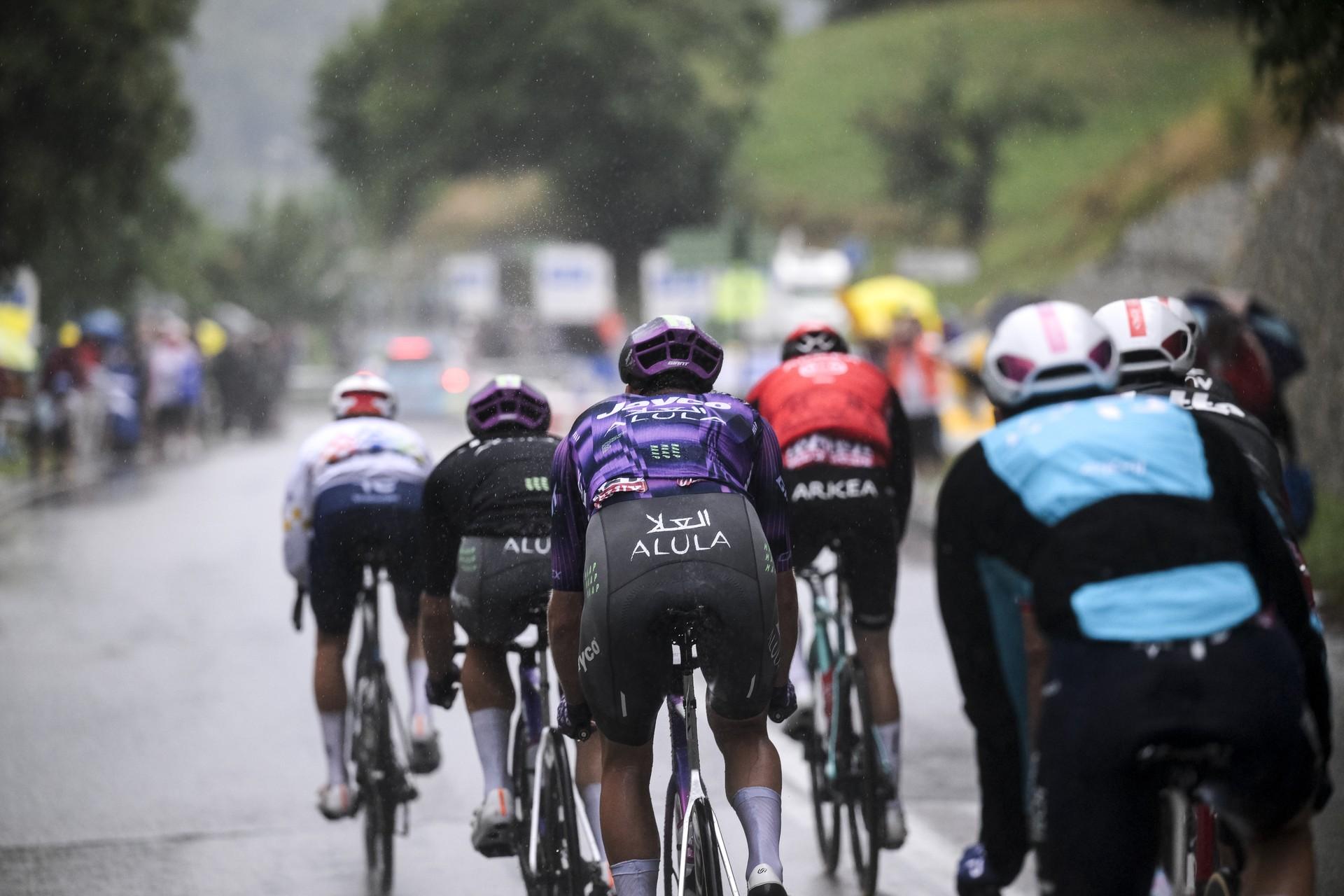
You cannot realistically charge every farmer at the end of their lane to watch the peloton pass. Public roads, complex national laws on access, and the basic logistics of 200‑plus kilometres of open course make blanket ticketing both unenforceable and politically toxic.
Where the numbers might start to add up is in dense, high‑demand sections where organisers already spend big on crowd management: start villages, finish straights and iconic climbs.
Take a single mountain finish at a Grand Tour. If you fence off the final 2–3km of an Alpe d’Huez‑type climb, cap it at 20–30,000 people and charge a symbolic fee – say €3 – you move from a pipe dream to something countable.
A back‑of‑the‑envelope scenario: 25,000 paying fans at €3 would generate €75,000 gross. Once you strip out roughly 40–50% for extra barriers, stewards, ticketing infrastructure and admin, you might be left with somewhere around €40,000.
That is not going to transform team economics overnight, even if you ran similar zones at several stages. But it is the difference between being able to afford robust stewarding and cutting corners – especially for races that don’t enjoy Tour‑level TV deals or host‑city fees.
At a smaller event like the Veneto Classic, Pozzato’s €10 Tisa‑climb model pulled in around 700 paying spectators. For a one‑day race, that’s not trivial money, and it comes bundled with better predictability: if you control access, you can cap numbers and plan policing, medical cover and facilities with far more confidence.
What paying zones could actually look like
When you strip away the rhetoric, most serious proposals fall into a narrow band: limited, optional, value‑added zones, not a paywall around the whole race.
Think of it less as “tickets to see the race” and more as “tickets to this particular experience.”
A typical blueprint for a Grand Tour pilot might look like this:
- Where? One iconic climb or a short finish‑line sector, fully enclosed with barriers and controlled entry.
- How much? Low, tiered pricing – €1 early‑bird via app, €3 standard, €5 on the day. Children free. Locals discounted.
- What’s included? Big screens, toilets, food options, first aid, clearly signed spectator lanes, better PA, and – crucially – a cap on how many people can cram into the space.
- What stays free? Everything outside the fenced sector: the rest of the climb, other vantage points, start areas and most of the course.
Other sports already use this model. Big‑city marathons keep most of the route free but sell premium viewing tribunes near the finish. Cyclocross has long charged entry at elite races; fans pay happily when they feel the venue is part of the show. Track and field in stadia is entirely ticketed because the environment is enclosed and the expectation is baked in.
Road cycling can’t copy those structures wholesale, but the lesson is clear: optional, high‑value pockets of paid access are far more acceptable than suddenly billing everyone who shows up with a camping chair.
Would it help – and who loses?
Supporters of pilot schemes argue that a small, symbolic fee does three things at once.
First, it funds safety where the risks are highest. Ringfenced revenue from a paid sector can go directly into barriers, trained stewards and medical cover in that zone. Fewer people in the road, more professionals keeping them back.
Second, it creates a traceable income stream that can be shared. One proposed split for a Grand Tour climb would direct a chunk to the organiser to cover operations, a portion to local authorities for services and cleanup, a share to teams and riders – potentially earmarked for a welfare or minimum‑salary fund – and a slice to a safety reserve.
Third, it opens the door to better planning and data. If you know roughly how many people will be in a sector, and you have their (opt‑in) details from a basic ticketing app, you can plan transport, emergency access and crowd flows more intelligently.
The concerns are just as real.
Charging for any stretch of public road cuts against cycling’s self‑image as an accessible people’s sport. Turn a summit into a gated enclave and you risk a two‑tier crowd: those who can pay for the “proper” view and those pushed to the fringes.
There’s also a slippery‑slope fear. A symbolic €2 for one climb in 2026 could, without clear limits, become standardised €20 finish tribunes across half the calendar by 2030. Fans and municipalities are understandably wary of scope creep.
Then there are the practicalities: legal frameworks for commercialising public space vary widely. In France, for example, local governments that help fund the Tour often do so on the understanding that access remains free. Move too fast on ticketing and you may find subsidies quietly evaporating.
Finally, the financial upside is easy to overstate. Once you deduct infrastructure and staffing, the net revenue from a single paid zone is meaningful but hardly transformative. Those dreaming of roadside ticketing as a magic bullet for team budgets are likely to be disappointed.
The most realistic future: cautious, targeted, transparent
Given the politics and the sums involved, three broad scenarios sit in front of the sport.
- Status quo. Races stay free to watch everywhere. Safety costs keep climbing, smaller events feel the squeeze, and the hunt for bigger sponsors intensifies.
- Controlled adoption. A handful of races – one Grand Tour climb here, a few one‑day events there – run clearly communicated pilots with low prices, transparent revenue splits and independent evaluation of safety and fan sentiment.
- Broad roll‑out. Paid zones become normal at many major races. Revenues rise but so does the risk of backlash, legal challenge and a perception that the sport has sold off its soul.
On current evidence, scenario two is the only politically realistic path. Organisers get a modest new lever to fund safety. Teams get a small but symbolically important slice of event revenue. Fans keep 95‑plus percent of roadside viewing entirely free.
The bigger question is whether cycling can resist the temptation to push further once the mechanism exists. If the sport wants to experiment with roadside fees without detonating its social contract, the conditions are clear: keep paid sectors optional, keep prices genuinely modest, and keep every euro’s destination transparent.
Because once you start charging people to stand on the mountain, you can’t easily claim it’s their sport in quite the same way.