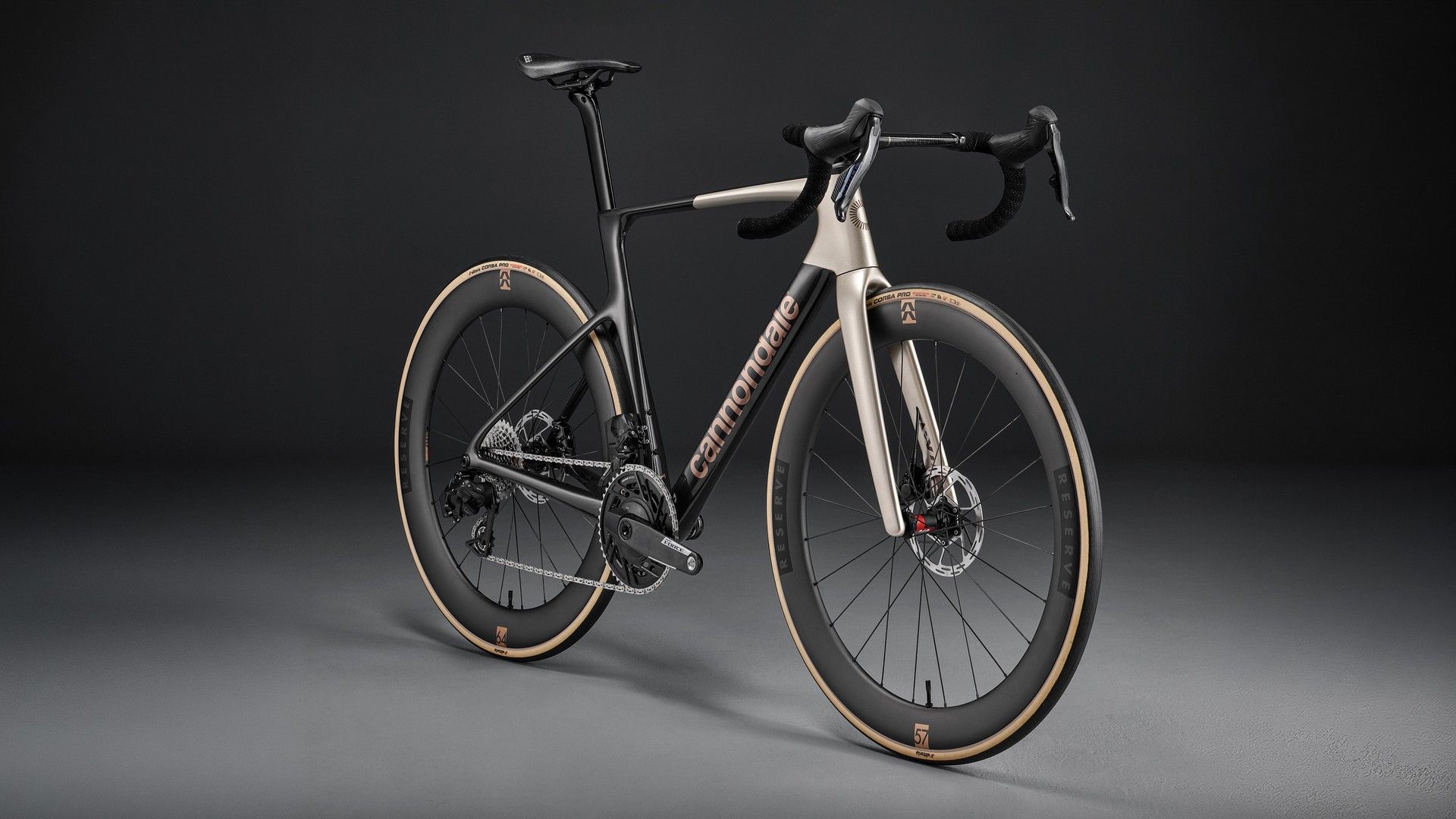
Cannondale has unveiled the fifth-generation SuperSix Evo and discontinued its SystemSix aero road bike, consolidating its road race lineup into a single platform.
The move follows the SuperSix Evo matching the aerodynamic performance of a dedicated aero bike while remaining light enough for climbing, according to Cannondale's data. A refreshed SuperSlice time-trial bike was announced alongside it.
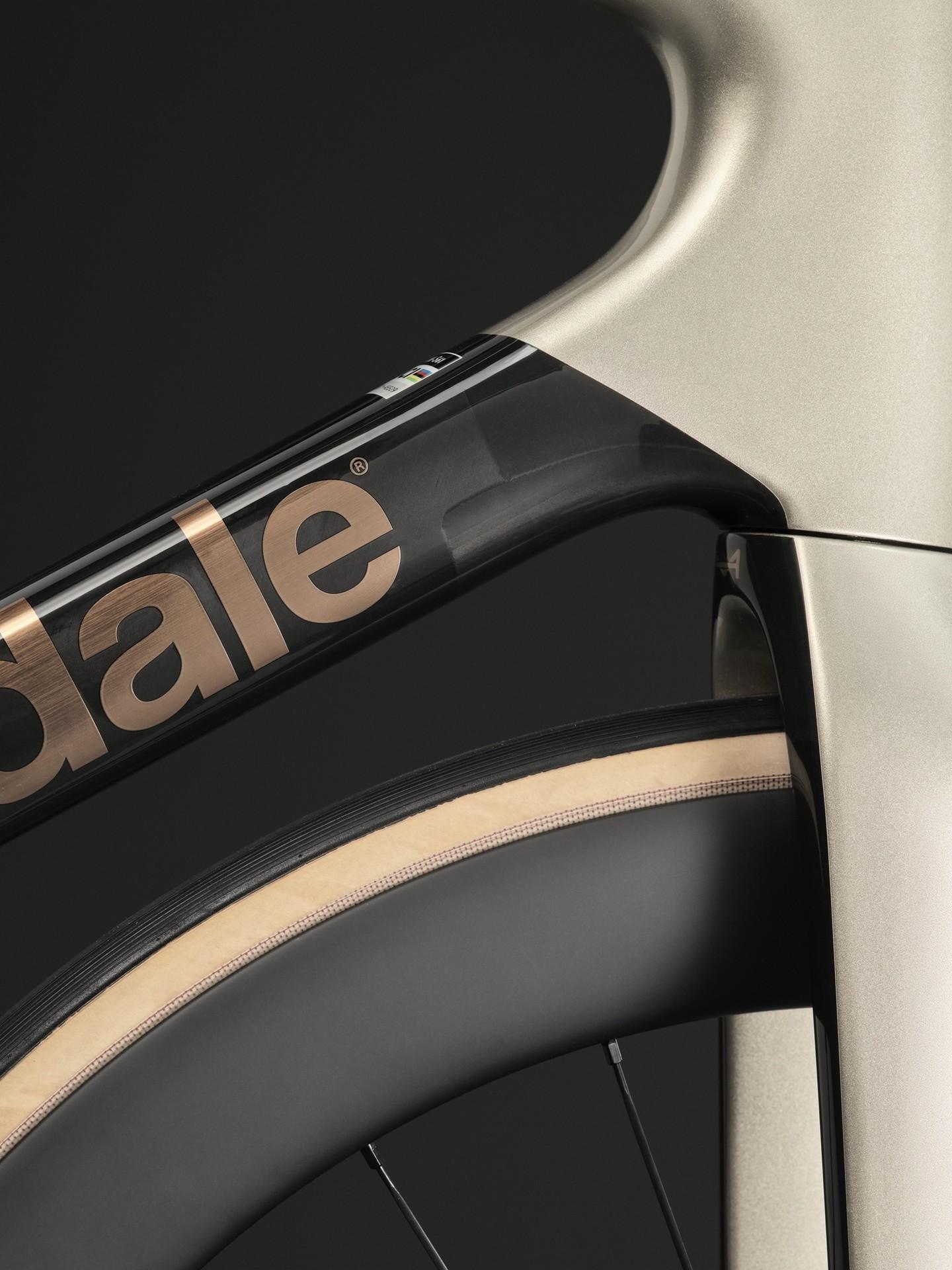
The SystemSix, introduced in 2018 as one of the fastest aero frames on the market, was discontinued as the SuperSix Evo evolved into an aero all-rounder over successive generations. Cannondale said the new model meets SystemSix-level aerodynamic performance at a lower weight.
Frame and performance claims
The flagship Lab71 Series 0 frame weighs 728g in a size 56cm, with a 392g fork, making it the lightest disc-brake platform in Cannondale's history, the firm said. Two additional tiers are offered: Hi-Mod (781g frame, 414g fork) and standard carbon (910g frame, 427g fork).
Cannondale claims a 4-watt aerodynamic saving at 45km/h over the outgoing model. Two-thirds of that gain is attributed to a switch to Reserve 57|64 wheels, which pair a 57mm-deep front rim with a 64mm rear. The remaining third comes from a deeper, narrower head tube and new integrated cockpit options.
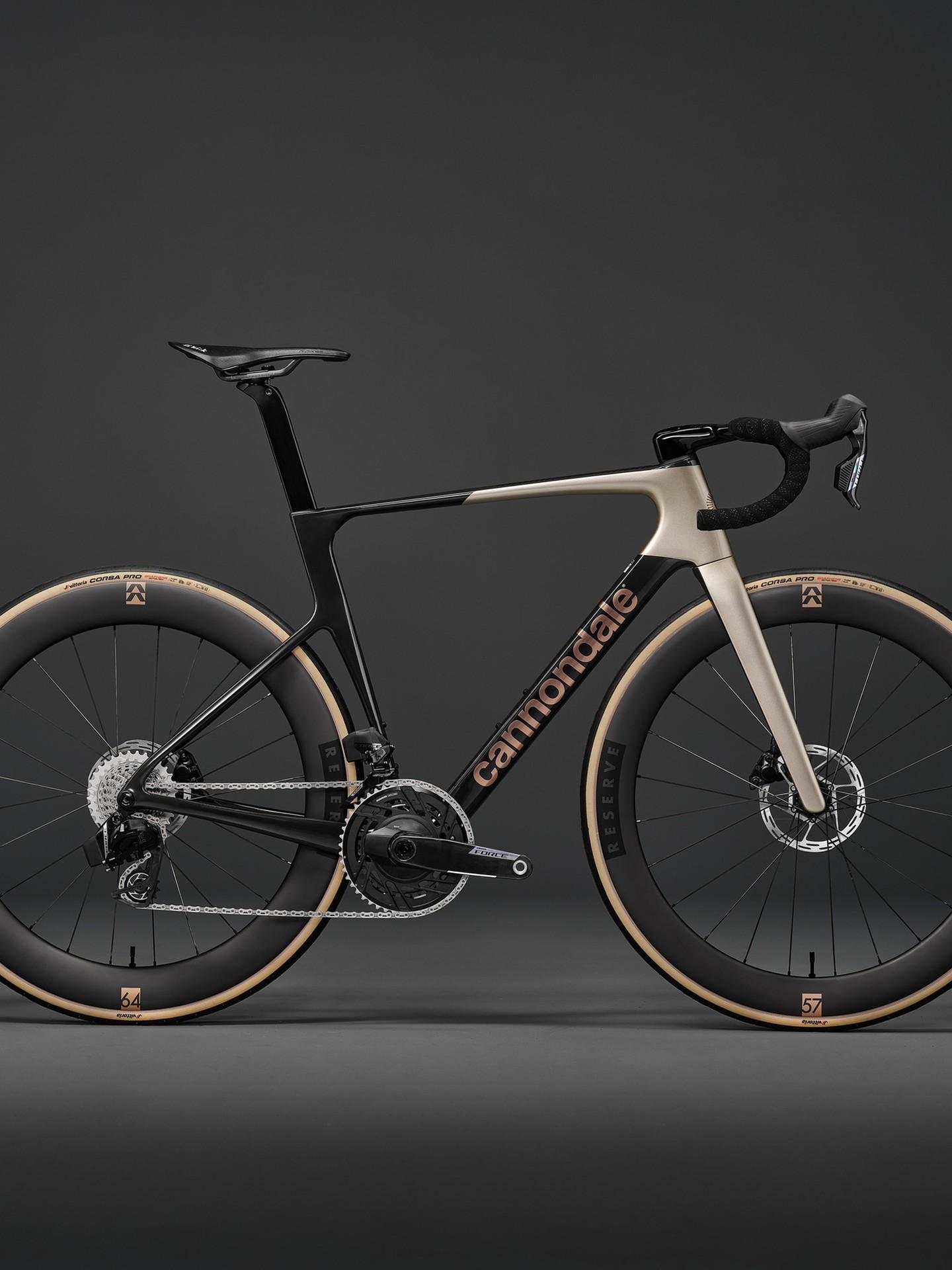
The geometry has been lowered by 10mm of stack across all sizes, a change driven by feedback from EF Pro Cycling. Steering geometry is unchanged. The size range expands to eight options, with the old 51cm split into 50cm and 52cm for a more precise fit at the smaller end.
The frame is now electronic-groupset only, retains a BSA threaded bottom bracket, and adopts SRAM's Universal Derailleur Hanger. Tyre clearance is officially 32mm.
Prices start at £4,495 / €4,499 / $4,999 and run to £12,500 / €12,799 / $13,499 for range-topping builds.
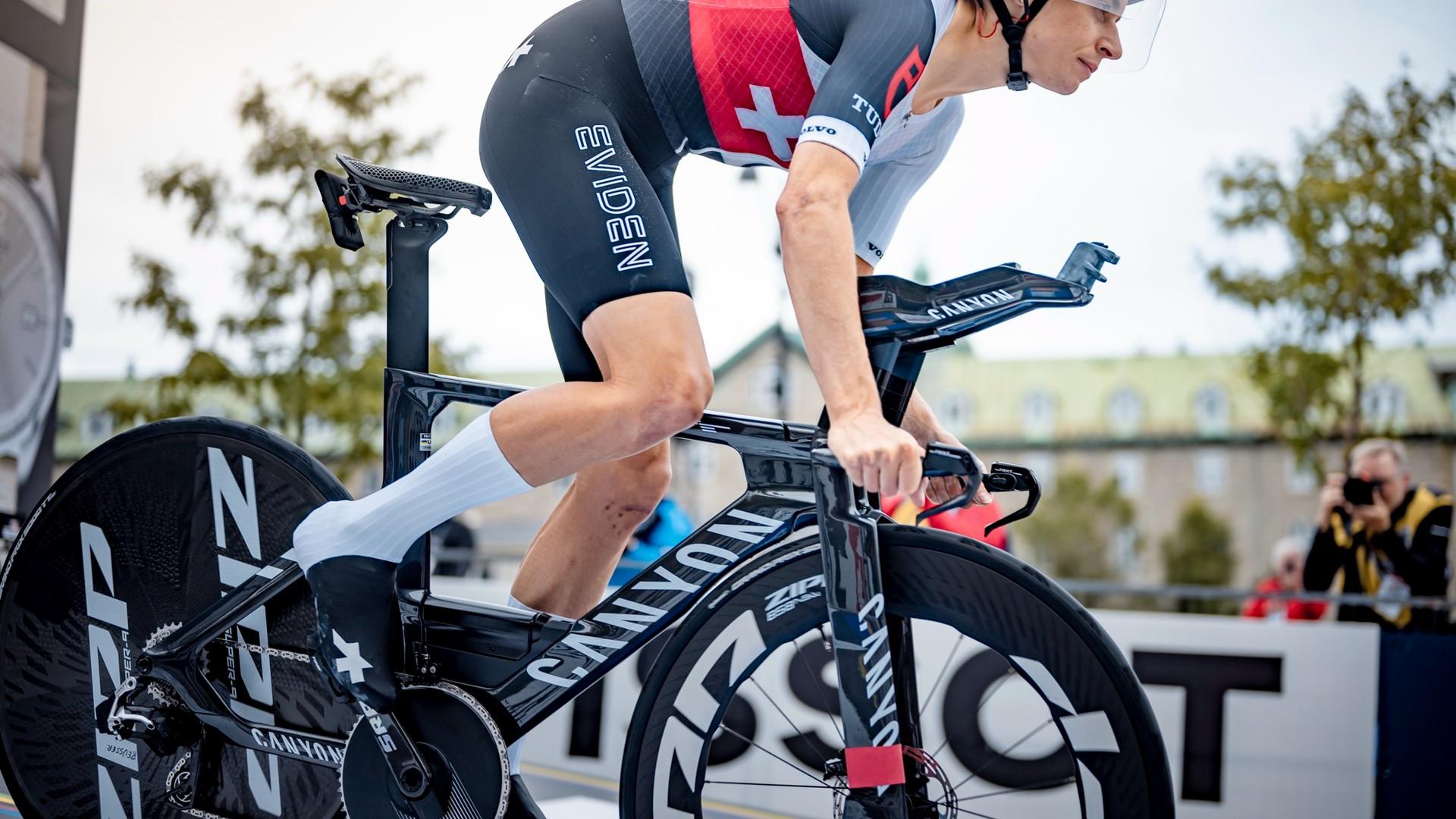
The updated SuperSlice TT bike, also developed with EF Pro Cycling, claims a 14% drag reduction over its predecessor, equating to a 10-watt saving at 50km/h, the company said. Its frameset is 60g heavier, a trade-off for increased head tube and bottom bracket stiffness. It is available as a frameset kit at approximately €6,999.