Tour de France director Christian Prudhomme has rejected immediate plans to move the race away from July or introduce routine morning starts, despite demands for stronger heat protections from riders and their union.
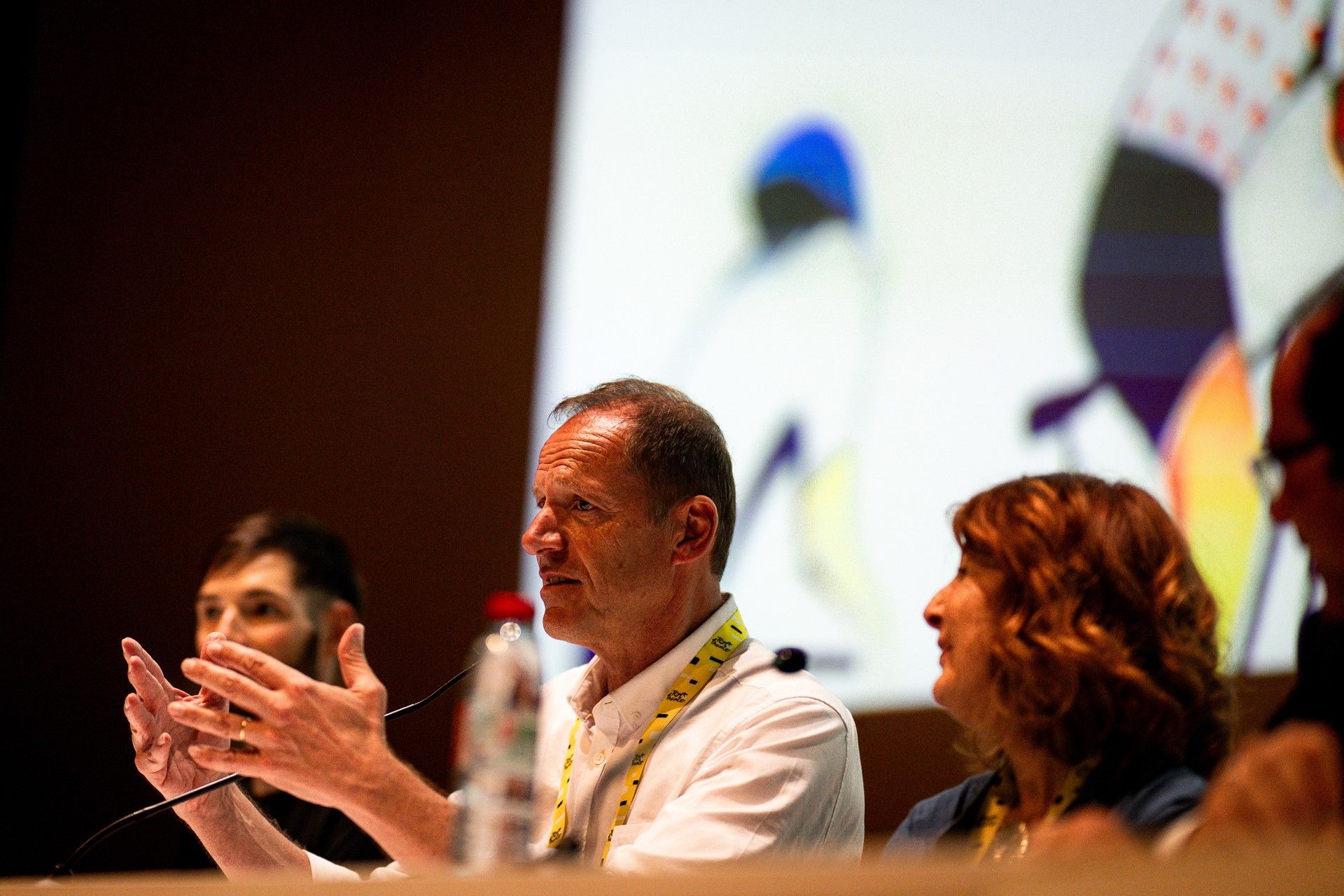
Speaking on France 2’s Vélo Club on Thursday, July 16, after stage 12 from Nevers to Chalon-sur-Saône, Prudhomme accepted that climate change could eventually force the Tour to adapt. He remained firm on its current schedule.
“The very real climate change may perhaps mean that one day,” Prudhomme said, in comments reported by DirectVelo. “Perhaps one day, but it is not currently on the agenda.”
Prudhomme said he was “categorical” about changing the Tour’s dates. His response followed proposals from Tadej Pogačar (UAE Team Emirates XRG) and the Cyclistes Professionnels Associés, the riders’ union, to reconsider how summer racing is scheduled as extreme heat becomes more frequent.
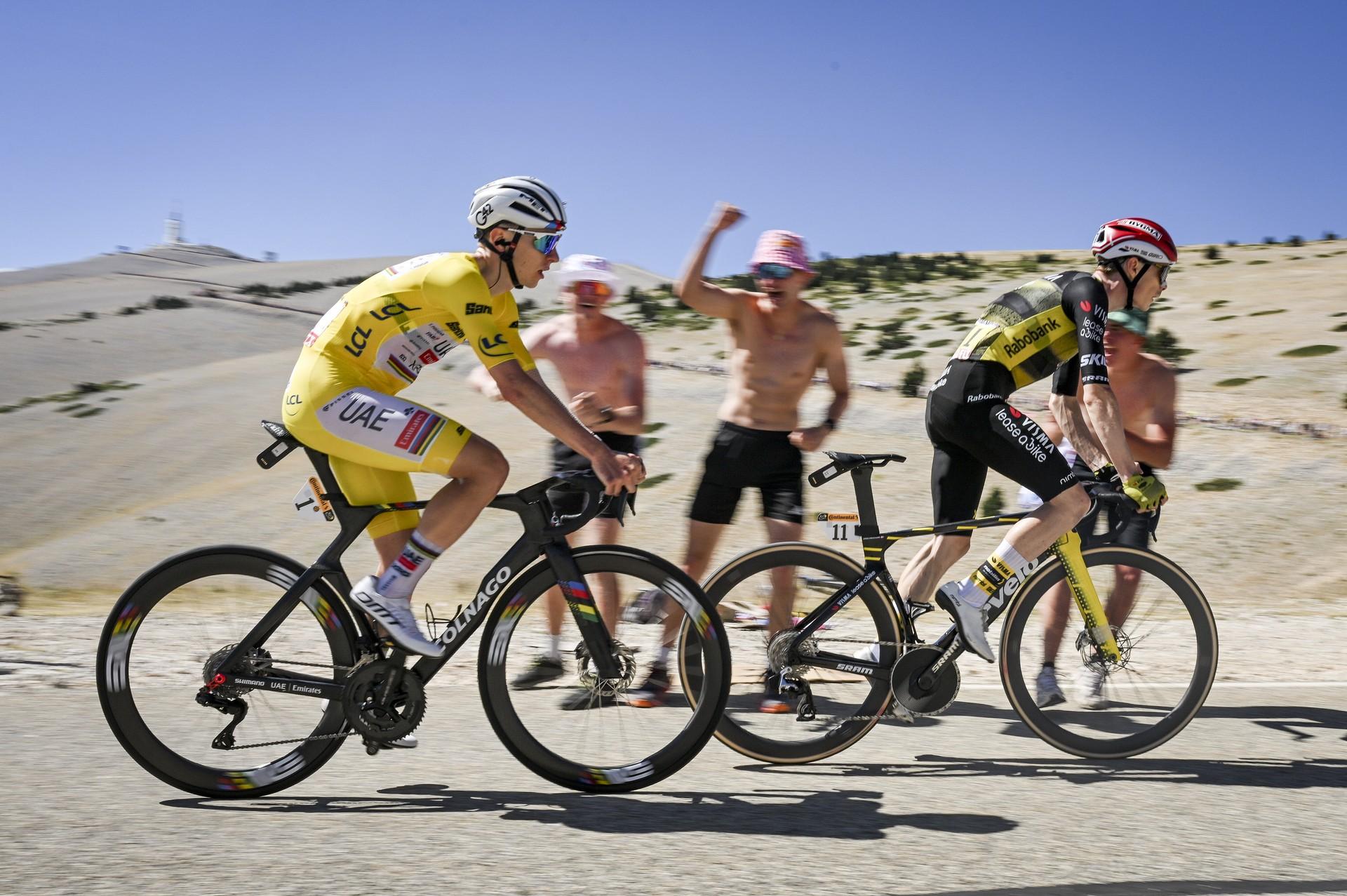
Pogačar raised the issue after stage 9 from Malemort to Ussel on Sunday, July 12. The route was shortened by 30km because the Corrèze department was under a red heatwave alert, with the real start scheduled for 1:45 p.m. and the finish expected at about 5:30 p.m.
The Slovenian said perceived temperatures during the stage exceeded 40°C. He argued that moving the start to 10 a.m. would achieve little because riders would still finish during the hottest part of the day.
“You need to start at eight or nine, or even before,” Pogačar said at his post-stage press conference, “but I think the body can adapt to waking up at five o'clock in the morning and doing a stage at eight.”
He also proposed avoiding races in hot regions during July and August if organisers could reorganise the entire calendar.
Morning starts would reshape Tour logistics
Prudhomme said a 9 a.m. start would require all teams to stay close to the departure point, which is rarely possible under the Tour’s existing model. Accommodating the peloton and its support operation would push the race towards starts in large cities, reducing its ability to visit medium-sized towns and small villages.
“It would mean that we were systematically in a very large city,” he said. “The Tour de France is made up of very large cities, medium-sized towns and smaller villages. That is the very essence of the Tour.”
He also pointed to requests from women riders for later starts at races such as La Flèche Wallonne and Liège-Bastogne-Liège. Prudhomme said those requests had been legitimate and questioned whether the men’s Tour should now adopt the early starts women had previously opposed.
Prudhomme rejected television as the sole reason for maintaining afternoon racing, although he described free-to-air broadcasting as essential to the Tour’s reach. He said riders held different views and understood that larger audiences helped attract sponsors.
“The Tour de France’s best friend is television,” he said. “Finding a general-interest, free broadcaster, if possible a public-service broadcaster, is the most important thing, so that the maximum number of people can be reached by the Tour de France.”
The CPA has taken a firmer position on start times. In a statement reported by Franceinfo, it said summer race schedules “must change” to protect athletes’ health and called for discussions during the winter before the 2027 season.
The union welcomed the decision to shorten stage 9 as responsible and described it as the first Tour stage reduced specifically because of extreme heat. It also sought an additional 2% increase in the time limit for riders delayed during the stage.
Heat had already required extensive cooling work during the opening week. Riders used frozen vests, iced water and frozen carbohydrate gels, while teams repeatedly sent riders to cars for bottles and ice. After temperatures reached 36°C on stage 3, Pogačar described that operation as a “logistical nightmare”.
Prudhomme said the Tour could adopt further measures when conditions required them, but argued that permanent schedule changes should not be decided during a heatwave. A broader review is likely to focus on preparations for 2027 rather than an immediate change to the Tour’s July timetable.