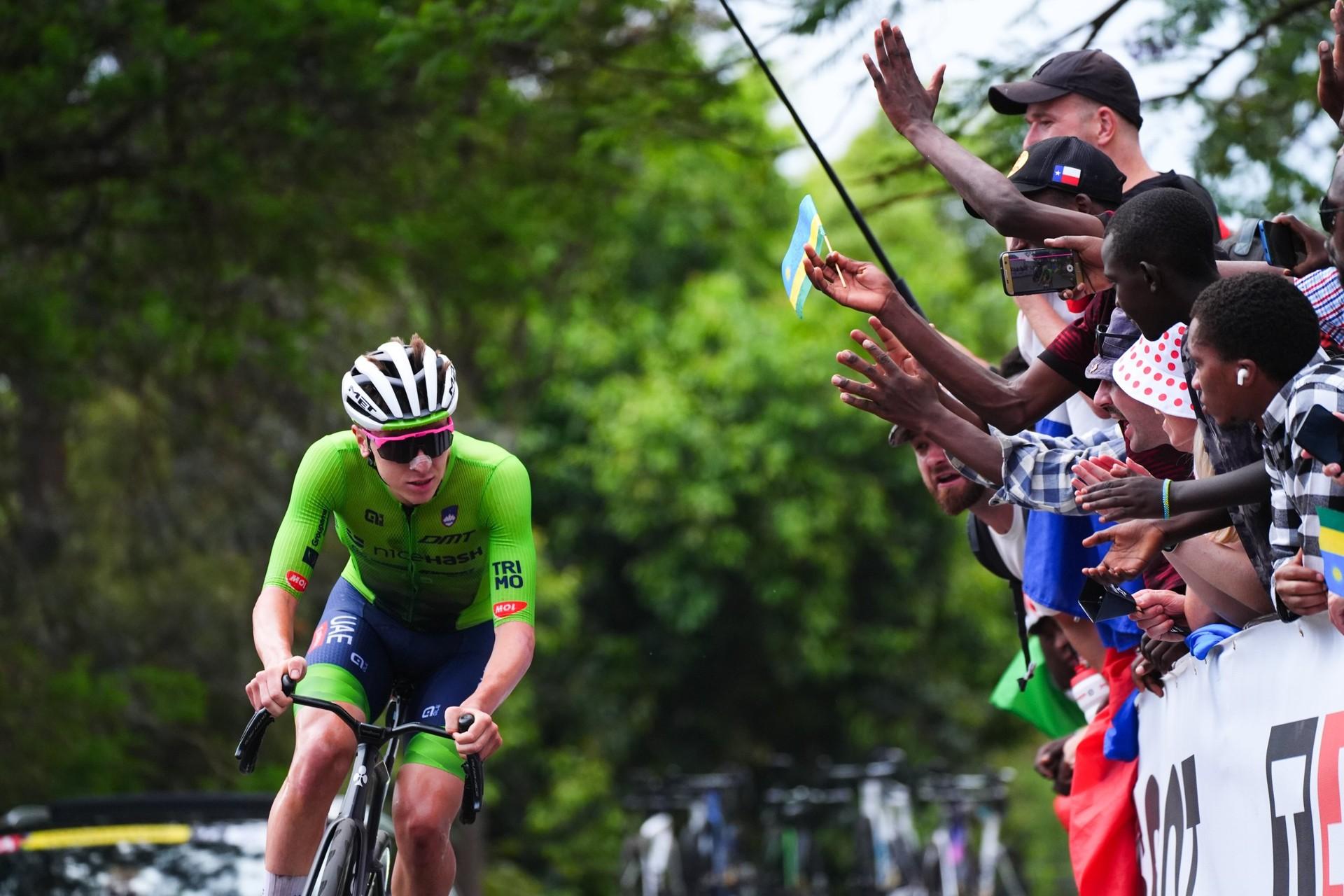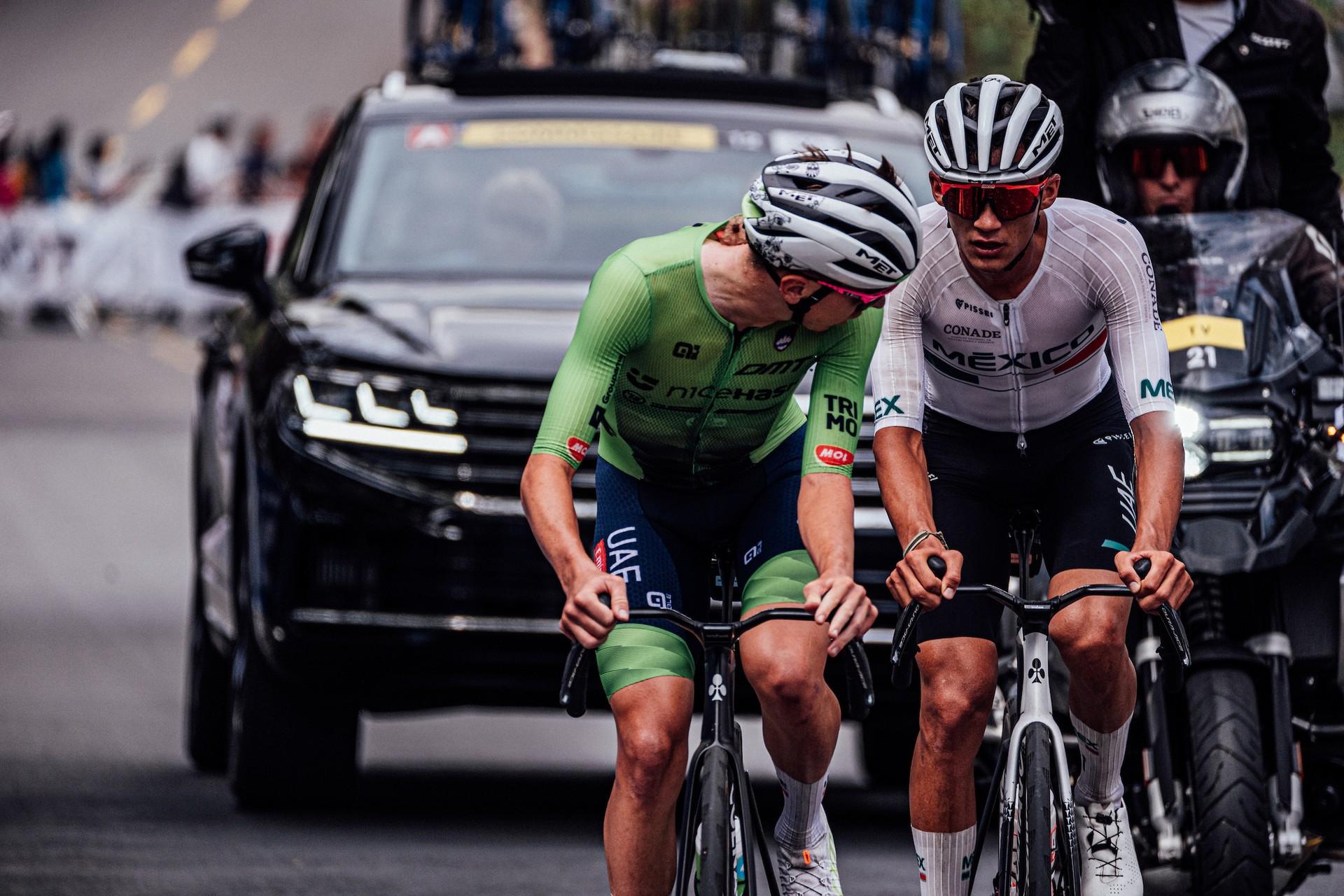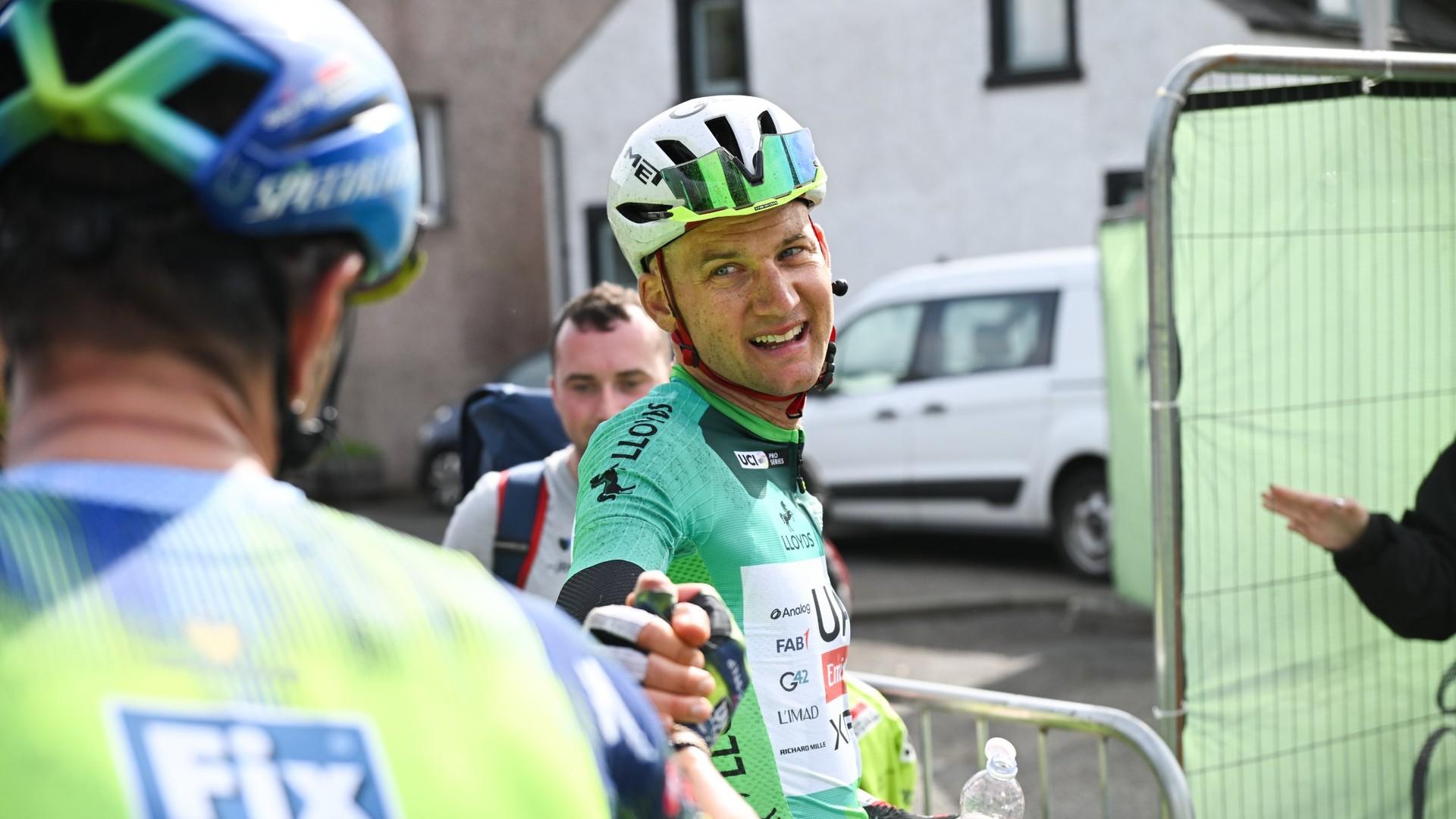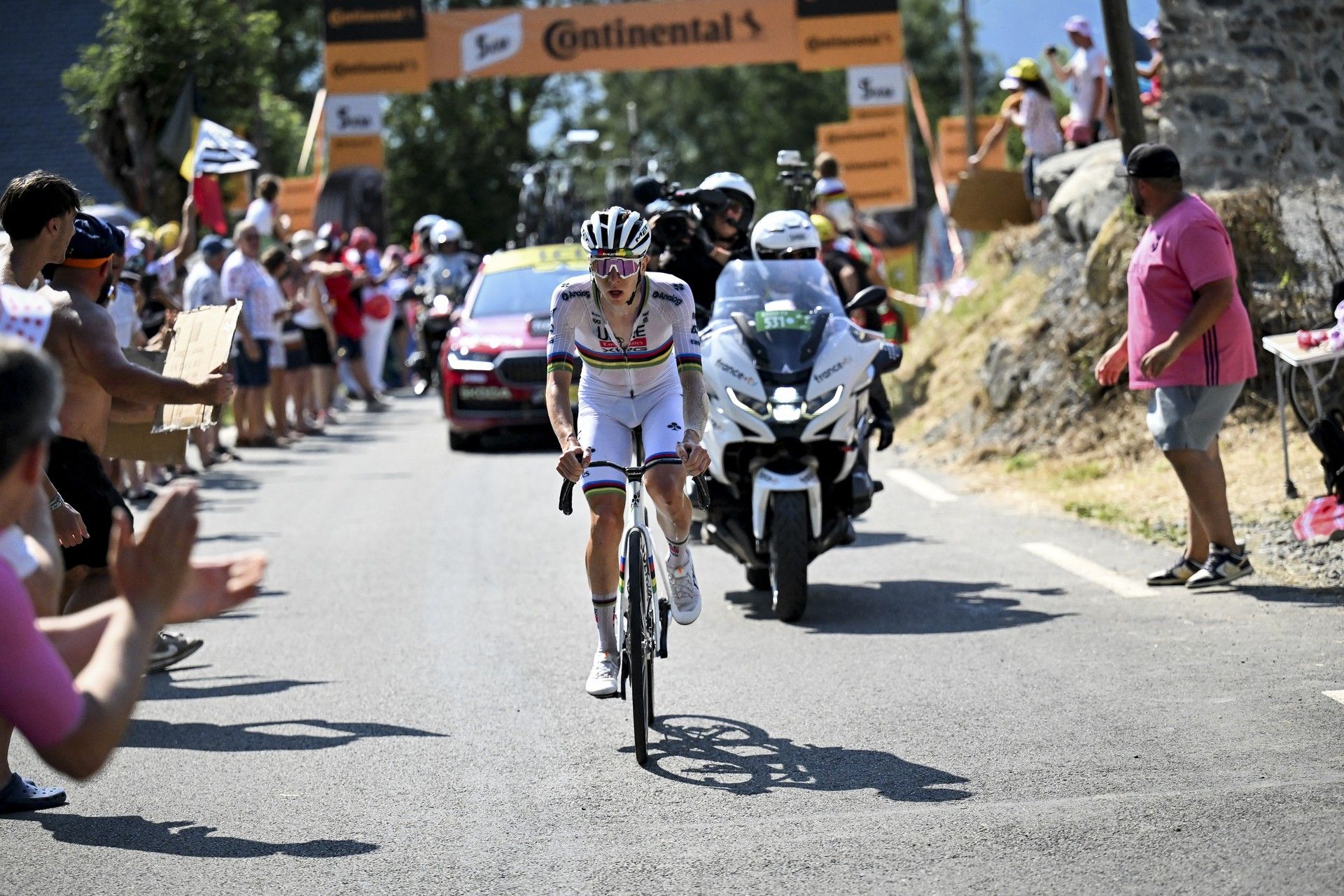
Tadej Pogačar (UAE Team Emirates) says the key to his 2024–25 extra step has been nutrition rather than training alone, pointing to a teamwide overhaul that turned a former weakness into an advantage. Speaking to La Gazzetta dello Sport, the world number one admitted, “Until a few years ago it was hard for me to follow [the nutrition plan],” before adding that he now sees the discipline as “approaching perfection.”
Pogačar credited coach Javier Sola and head of nutrition Gorka Prieto for the shift, singling out Prieto’s work in building “individual nutrition plans, all different, for 30 riders.”
The comments fit with the structure UAE Team Emirates has built around its leaders in the last two seasons, expanding performance staff and tightening the link between daily training loads, body composition targets and fuelling strategies.
Sola has downplayed any radical change on the bike, telling Cyclingnews that the focus has been incremental, with some added strength work, more time-trial specificity and a touch more high intensity. Pogačar’s comments suggest that the real gains have come from what and when he eats, and how closely the team manages it.
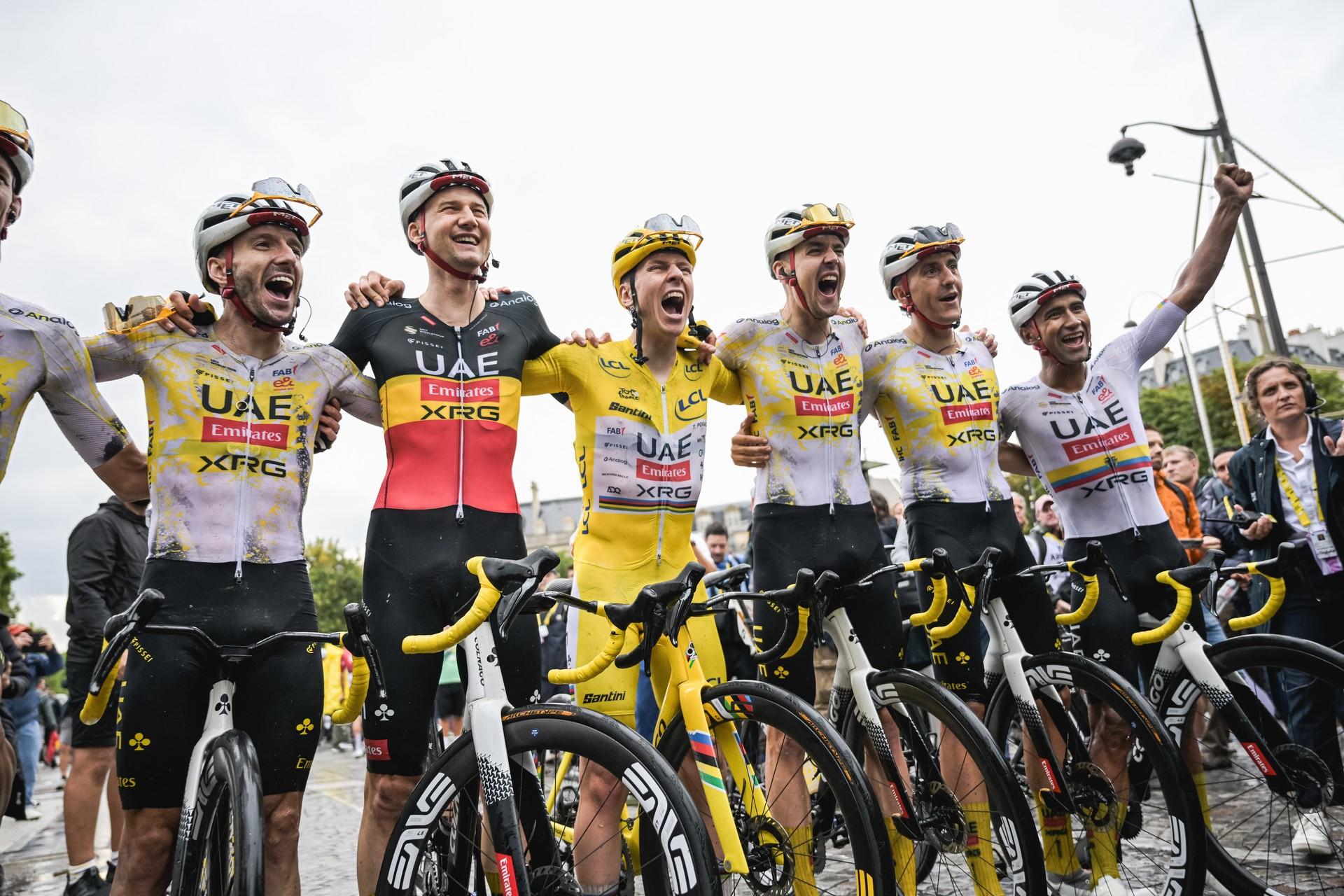
Why fuelling is the new hot topic
While UAE is obviously guarded around specific power data, though Pogačar has teased physiological data in a number of intrviews, Prieto has described the philosophy in broad terms in interviews with Enervit Magazine and Tuttobicitech.
Riders are pushed toward higher in‑race carbohydrate availability, generally targeting 90 to 120 grams per hour on demanding days, with some able to tolerate more. That is achieved through glucose and fructose blends and, crucially, through systematic “gut training” in preparation periods to raise absorption capacity without gastrointestinal issues. Rest day leniency exists, but even the treats are measured, reinforcing the mantra that nothing is left to chance.
For a rider who already excelled at repeat anaerobic demands and long endurance days, better timing and greater total carbohydrate intake can be decisive late in stages.
Higher exogenous carbohydrate availability helps spare muscle glycogen, stabilise blood glucose and maintain neuromuscular output, all of which supports repeated high‑power efforts in the finale. The practical outcome, seen repeatedly in 2024 and 2025, has been Pogačar sustaining race‑winning accelerations deeper into mountain stages and one‑day races.
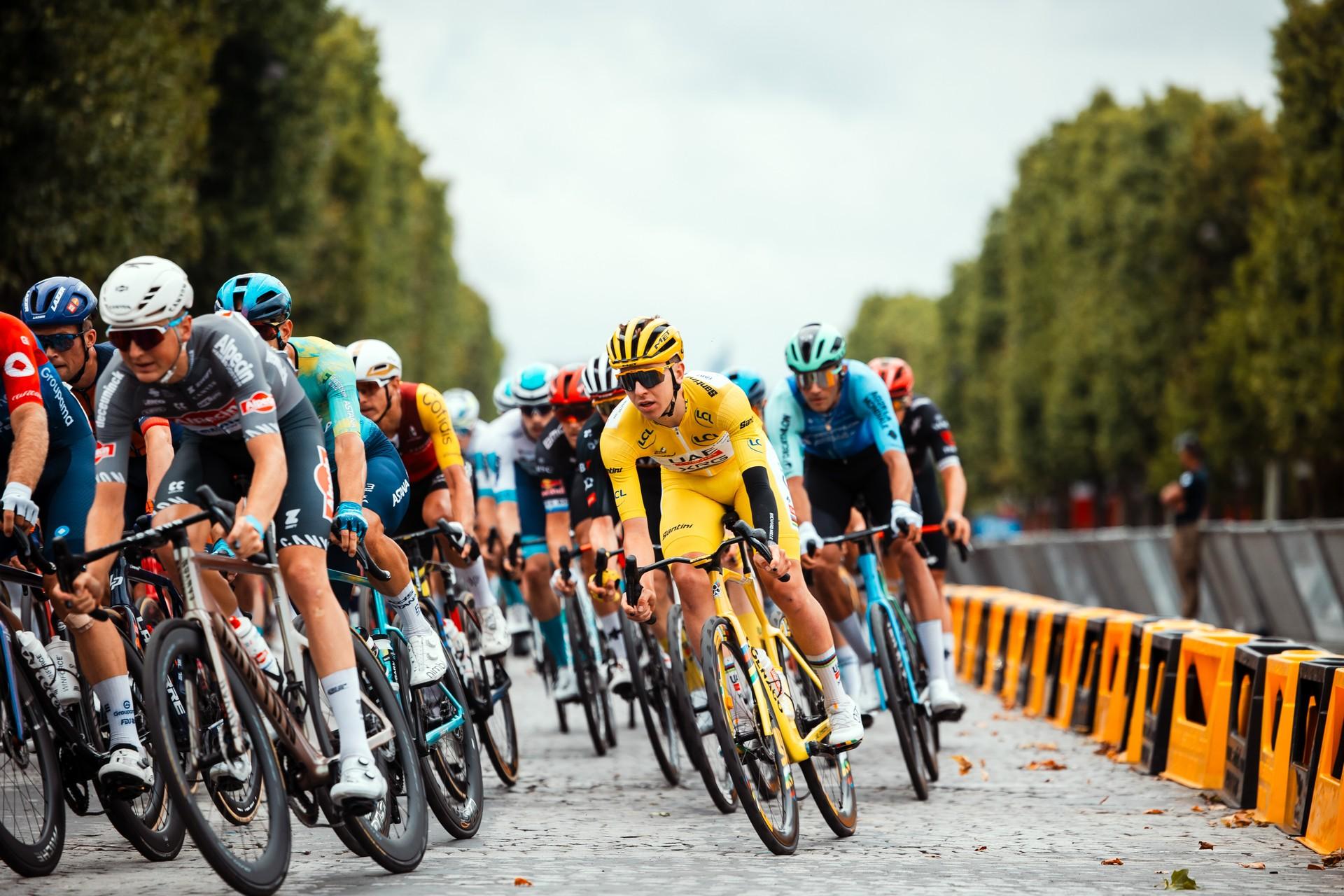
The broader context is an arms race that has moved the WorldTour’s fuelling “gold standard” from the old 60 to 90 grams of carbs per hour to triple‑digit targets.
Former team nutritionists and independent experts have described 120 grams per hour as a new reference point for the best‑prepared athletes. UAE’s approach, as outlined by Prieto and implemented daily by Sola and the performance staff, is a prominent example of how that is put into practices – linking breakfast plates, mid‑stage feed bags and recovery shakes to the next day’s training file.
Pogačar’s admission of past difficulty following nutrition plans is also intriguing. His timeline, from struggling to comply to describing the team’s current state as “almost perfect,” tracks very closely his form across the last two seasons.
Pro cyclists tend to closely track potential gains in one-another's performance, from aerodynamics to ketone supplements. So for rivals, matching UAE’s on‑road firepower requires comparable investment off the bike, particularly in bespoke nutrition planning across entire rosters, and more carbohydrate in the bottles is likely only the surface.