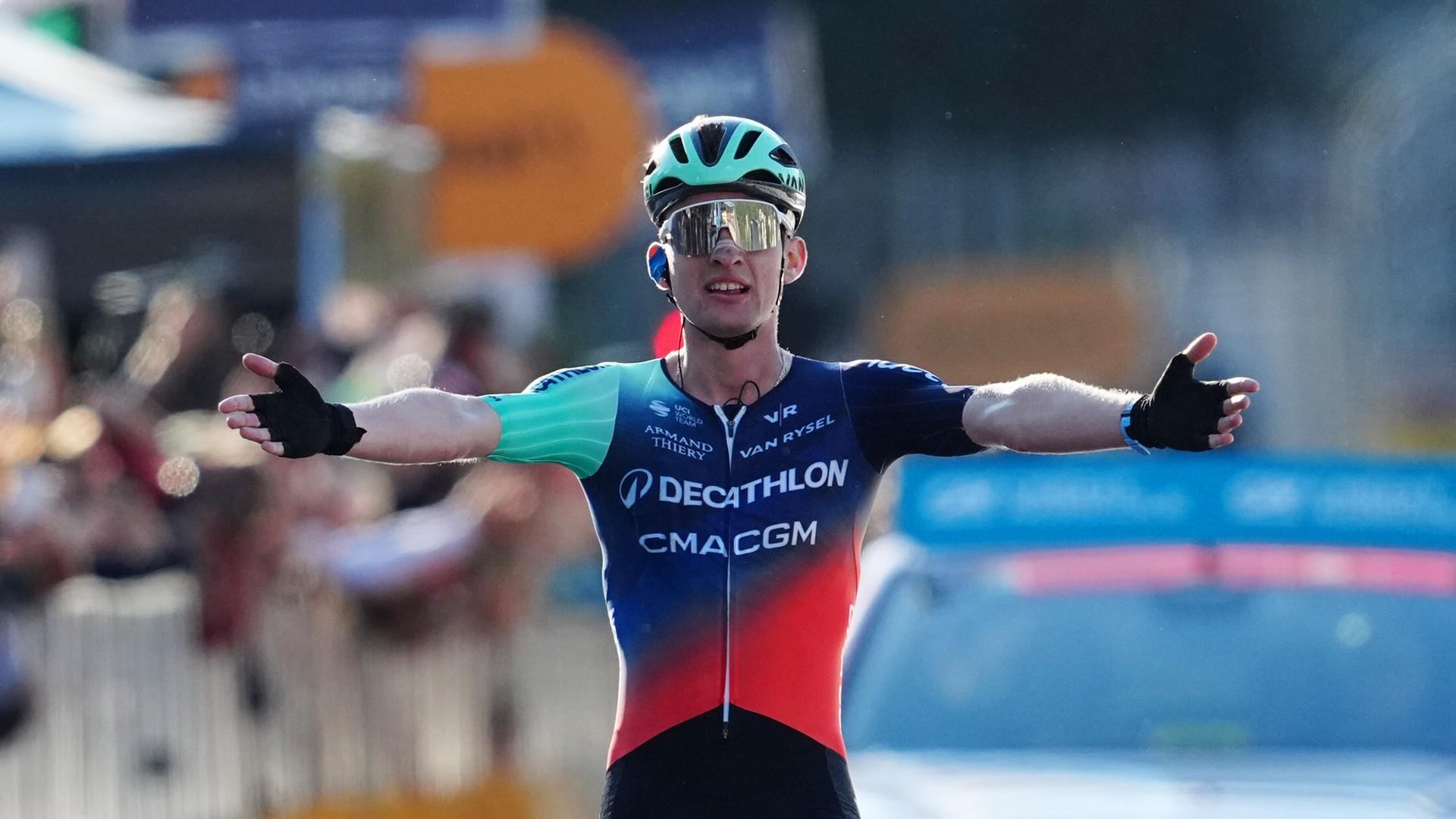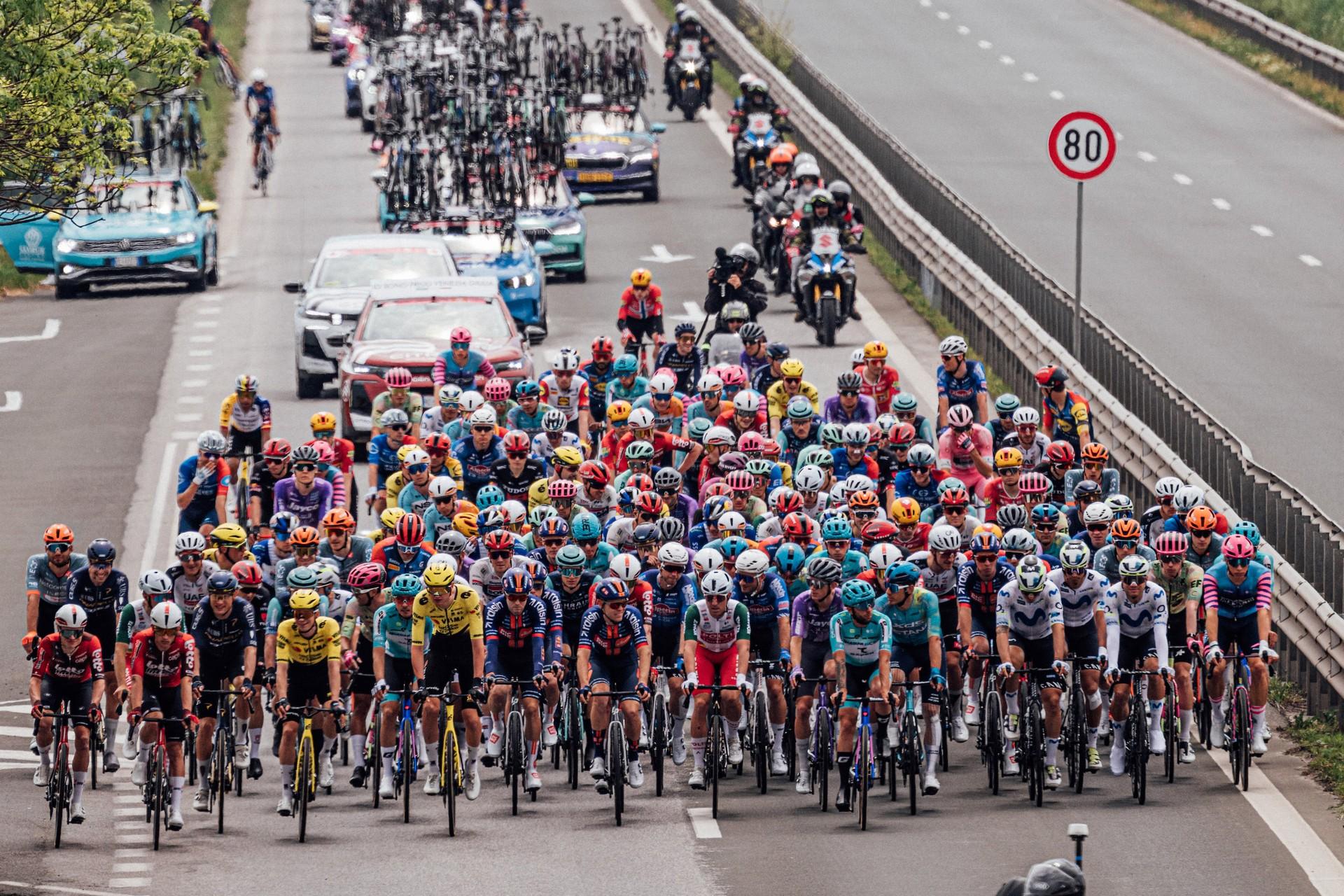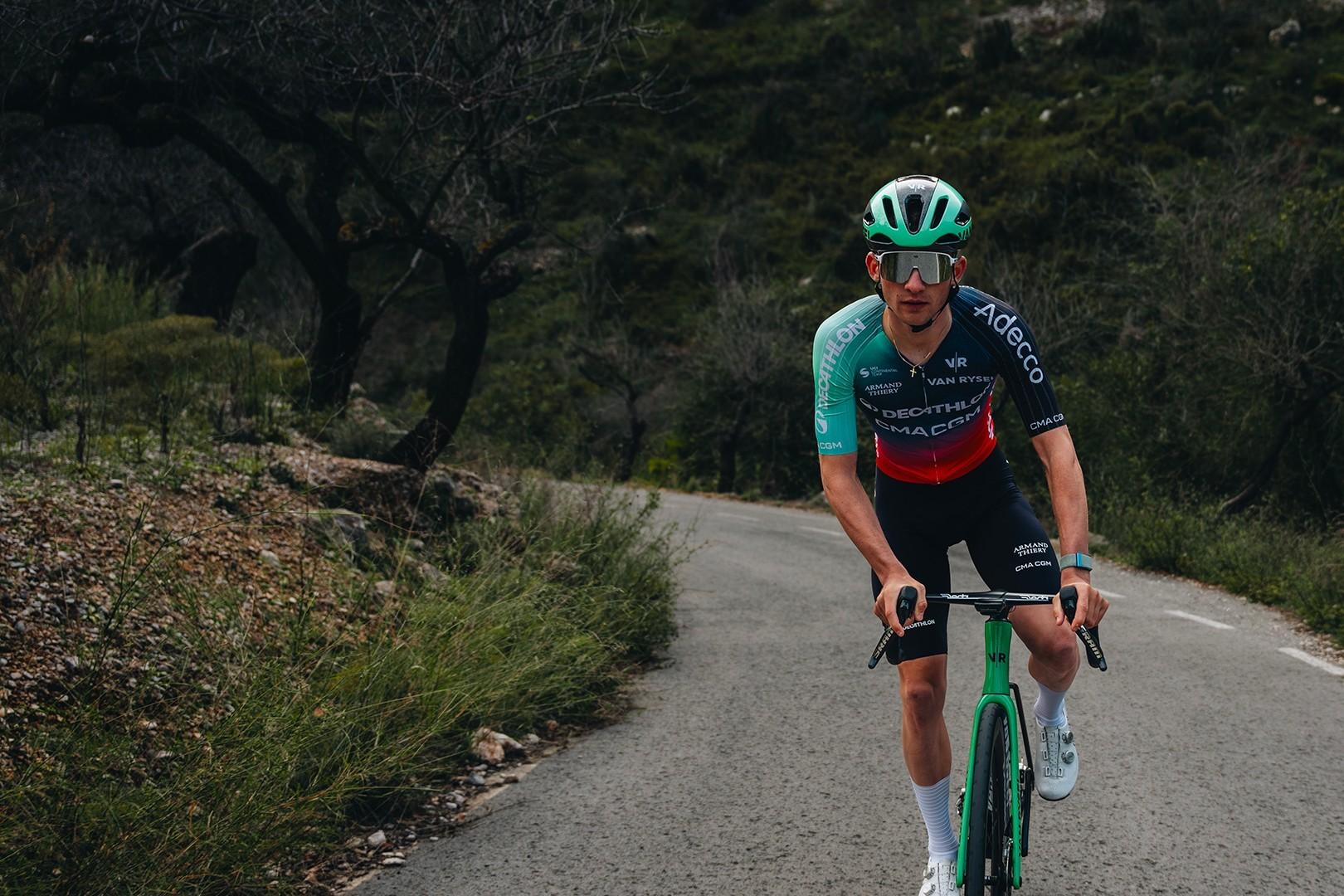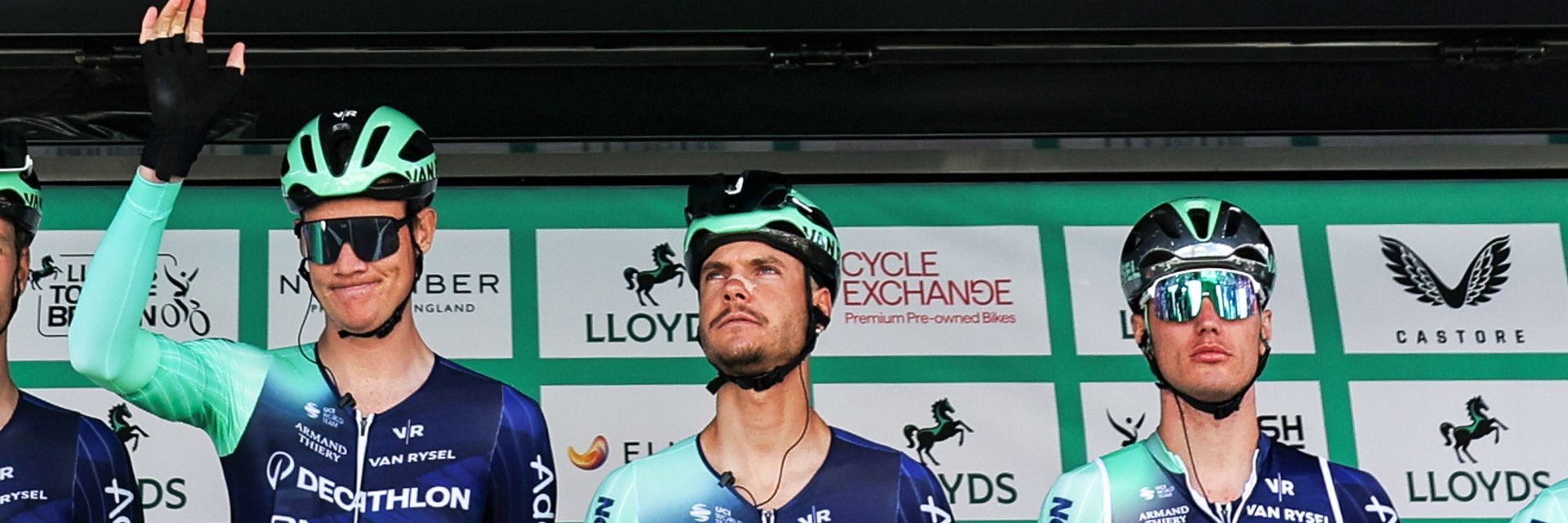
Émilien Jacquelin (Decathlon-CMA CGM) spent the Tour of Britain doing a job far removed from the one that made him famous. Instead of chasing his own medal, the French biathlete rode for Olav Kooij and Daan Hoole, working near the front and fighting for position on behalf of the team.
Just six months earlier, Jacquelin was taking part in the Milano-Cortina Winter Olympics with a bronze in the individual pursuit and a relay gold, his first Olympic title. He has four Olympic medals, nine World Championship medals and 38 individual finishes on the podium in the World Cup series.
However, cycling has always been his first love and, at 31 years old, the Frenchman has seen his dream come true with a sport that sees him work for a team rather than have the pressures of an individual result.
“It’s not the same as in biathlon, where I am my own leader,” Jacquelin told Velora in Helmsley before stage four. “Here I have a big leader. Every time I compete with the team, I have to work for the others, but I really enjoy doing this job.
“For many years I had this pressure to win, to try to get medals or podiums, but now to compete as a team and try to get the win all together, it’s something really special.”
The change began with a six-month trial slot on the Decathlon-CMA CGM NewGen development programme from May 1. Jacquelin is no stranger to bike racing. He raced as a child, stopping only around 16 or 17, but continued to use cycling to keep in shape for biathlon. His last bike race before this year, however, was 14 years ago.
He impressed the French team and was fast-tracked to the WorldTour squad, where he was immediately put to work in a series of French races where he worked for riders such as Pierre Gautherat and former French champion Paul Lapeira, fulfilling an ambition that existed long before the move became professionally realistic.
“This is my childhood dream,” he said. “I enjoy being in the bunch, trying to fight for my position, to help the team as much as I can.”
A champion relieved to serve
Jacquelin’s biathlon results may leave some confused as to why he would swap sports, but the move has brought him enormous relief from pressure. His aggressive and unpredictable style of racing on the skis and with the rifle has brought him a huge fanbase but the pressure attached to a sport that requires such meticulous precision in pursuit of individual glory had taken its toll.
In an interview with the International Biathlon Union, he said he had spent years doing biathlon “the way others wanted me to do it”. He became preoccupied with technique and shooting perfectly, while fear of losing consumed energy that could have gone into competing.
The 2026 Olympics brought a change. Jacquelin said his pursuit bronze felt like a performance built around his own strengths and weaknesses, rather than an attempt to match an ideal version of a biathlete. Congratulations after the race from Ole Einar Bjørndalen, the greatest biathlete of all time, also helped Jacquelin finish the winter with a more relaxed outlook.
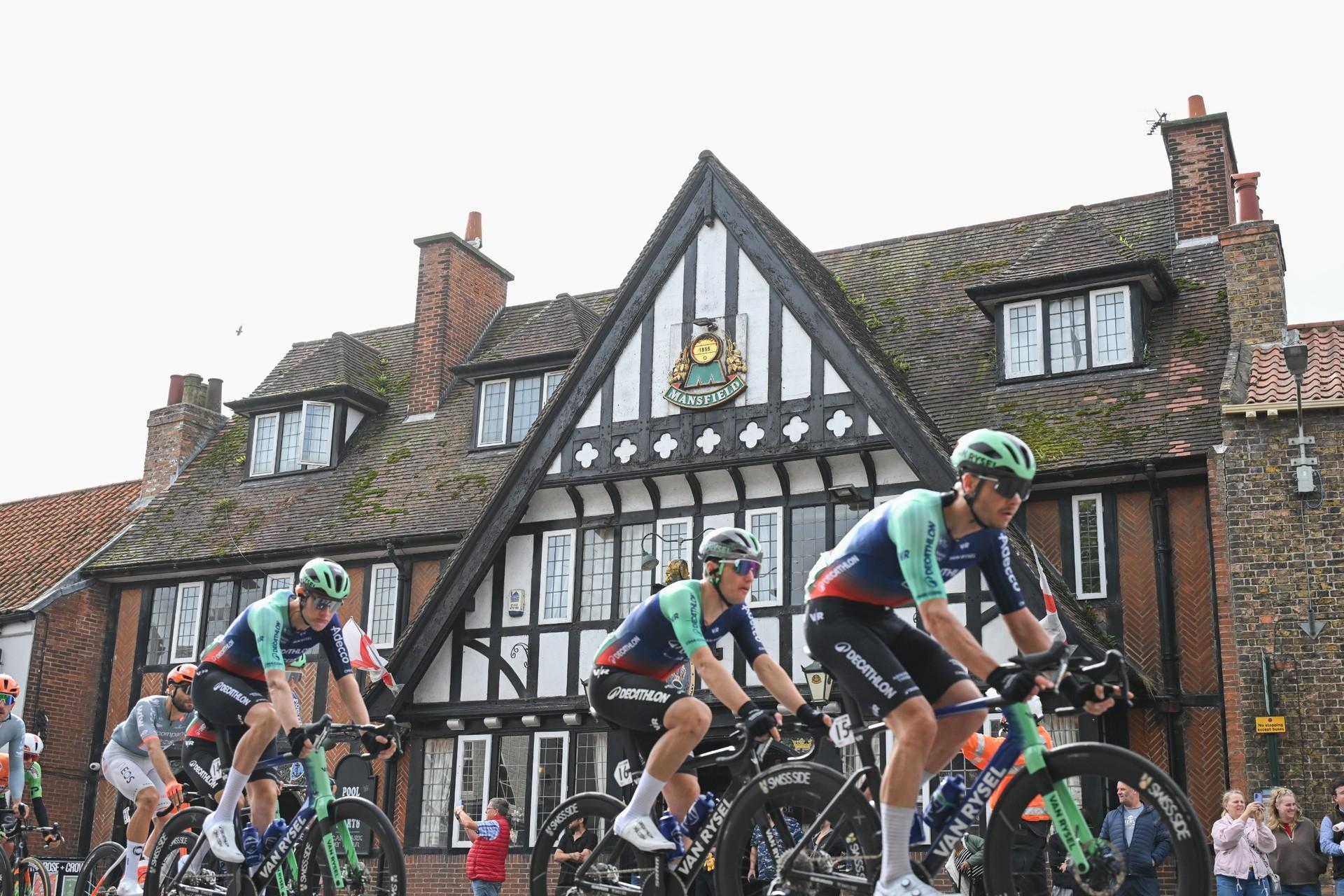
Road cycling doesn’t come without its own strains, though. It means racing for much longer while confronting the constant difficulties of the peloton. Jacquelin described cycling as mentally simpler: his immediate concerns are pace and power, rather than the possibility that one missed target could undo an otherwise strong race.
His preparation suggested endurance would not be the main problem. By August, he had completed 7,330 kilometres and 134,000 metres of climbing since structured training began in late March. One reported ride covered 190 kilometres and 4,250 metres of climbing in 34°C heat.
There were setbacks. Jacquelin broke his collarbone after crashing on a wet, oil-contaminated road and required surgery, but returned quickly enough to continue his programme. He also completed two French national-level races before receiving his first professional selections in August.
He progressed faster than the initial project anticipated. When Decathlon-CMA CGM announced the project in March, the team framed it as an evaluation supported by coaching, nutrition and altitude training. His explosive power and high VO2 max offered useful raw material, but neither could supply years of road experience.
Road craft and the 2030 question
Team sports director Luke Rowe said Jacquelin showed during the Tour that he was physically capable and already a valued member of the squad after so little road racing. He handles his bike well but still has plenty to learn.
“Physically, he’s fantastic,” Rowe told Velora. “At the age of 31, to come in and try and learn how racing goes, it’s very different. But he’s a quick learner. It’s impressive.”
Reading the bunch, how racing is progressing and when to spend energy are key areas the former star domestique for some of the biggest talents in the sport has set out for Jacquelin, but the Frenchman is fortunate to have an ex-rider like Rowe as a DS.
“He’s got a good feeling of the peloton,” Rowe said. “It’s just those finishing few touches of the feeling of the peloton, the flow of the peloton, the flow of racing. But I’m pretty sure he’ll get there.”
Jacquelin has a clear path as a pro rider but he does still need time to develop. But it is on the team of Decathlon-CMA CGM to try and bring the best out of him, but what does that look like? “Day by day, we’re just trying to develop him and see how far he can go,” Rowe said. “What happens next year, we’re not quite sure.”
The Frenchman is also not wanting to put a time on things. For now, his focus is cycling and pursuing his dream. But, a home Winter Olympic Games in 2030 is somewhere he is very keen to return to biathlon at.
“I still don’t know,” he said when asked whether he would combine both sports. “For the moment, of course, I enjoy being on the bike. I want to continue growing up. Of course, I’m 31 years old, but I raced as a teenager and I still want to continue to increase my level.
“No matter what, the 2030 Olympics in France are in my mind. But I still don’t know when I’ll come back to biathlon.”
On the biathlon side of things, his coaches and teammates expect a return, but Jacquelin doesn’t appear to be actively jumping at a return to biathlon just yet. Decathlon-CMA CGM have provided him an opportunity to escape the pressures of biathlon and make cycling more than a post-winter experiment.
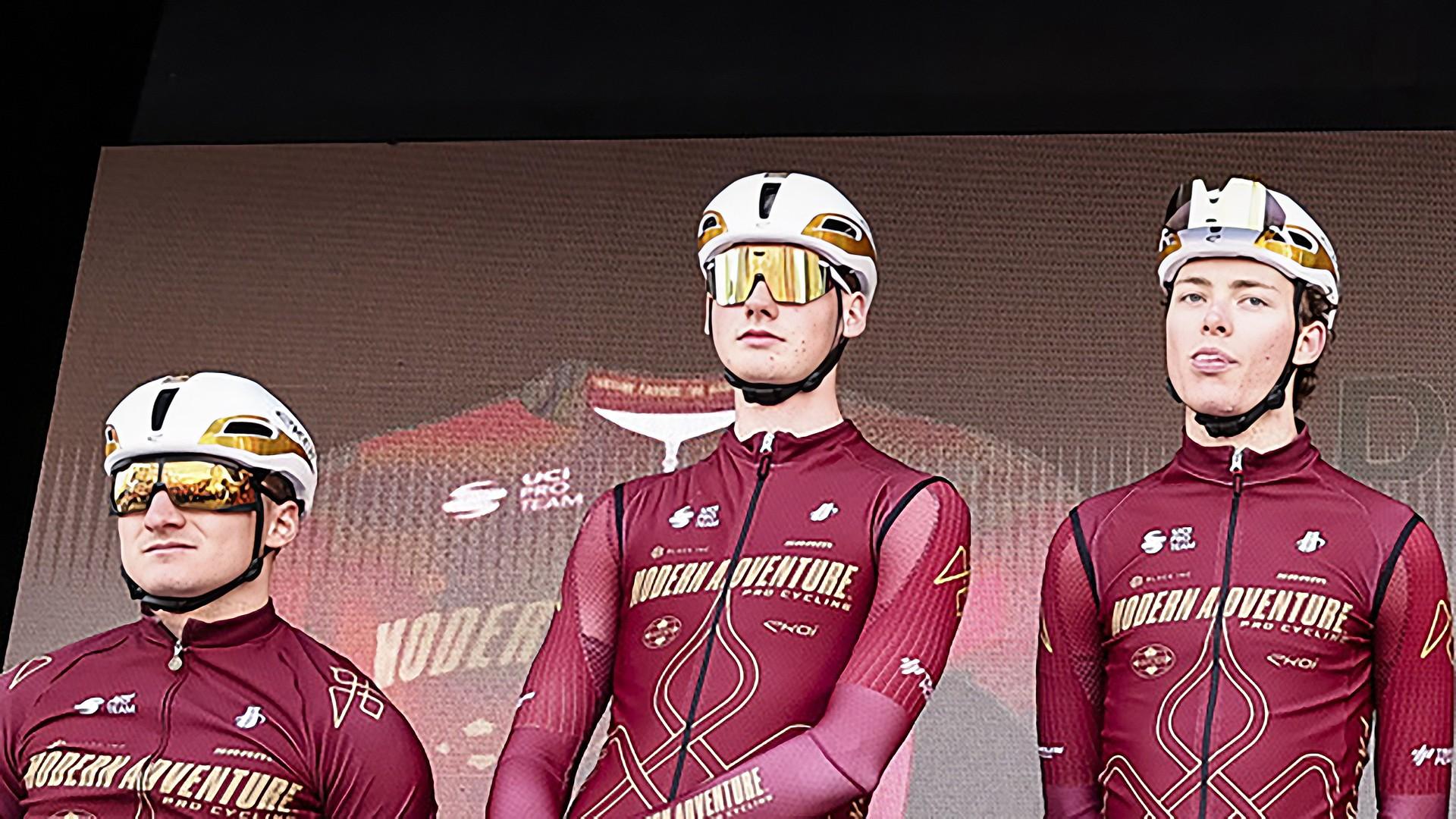
Paul Wright (Modern Adventure), the former New Zealand road champion whose brother Campbell is a leading biathlete, said the transition into road racing is difficult even for athletes who are already strong cyclists. Jacquelin’s progress at the Tour exceeded his expectations.
“He’s doing a lot better than I thought he would be,” Wright said. “Fair play. Good on him.”
Campbell Wright moved from New Zealand to United States representation through his dual citizenship. Asked whether he might one day follow his brother, Paul left the possibility open without suggesting that a change was planned.
“I’ll race for New Zealand for a bit longer, I think,” he said. “Maybe one day, but we’ll see.”